
Navigating California’s Distinctive Firearm Regulations
The question of ordering a gun in California often stems from a broader interest in firearm ownership within a state known for some of the most stringent gun laws in the United States. For residents, prospective movers, or visitors, understanding these regulations is paramount to maintaining a responsible and compliant lifestyle. While the convenience of “ordering” items online is a modern standard, the process for acquiring firearms in California is considerably more complex, designed with multiple layers of scrutiny and restriction that impact every aspect of firearm-related activities.
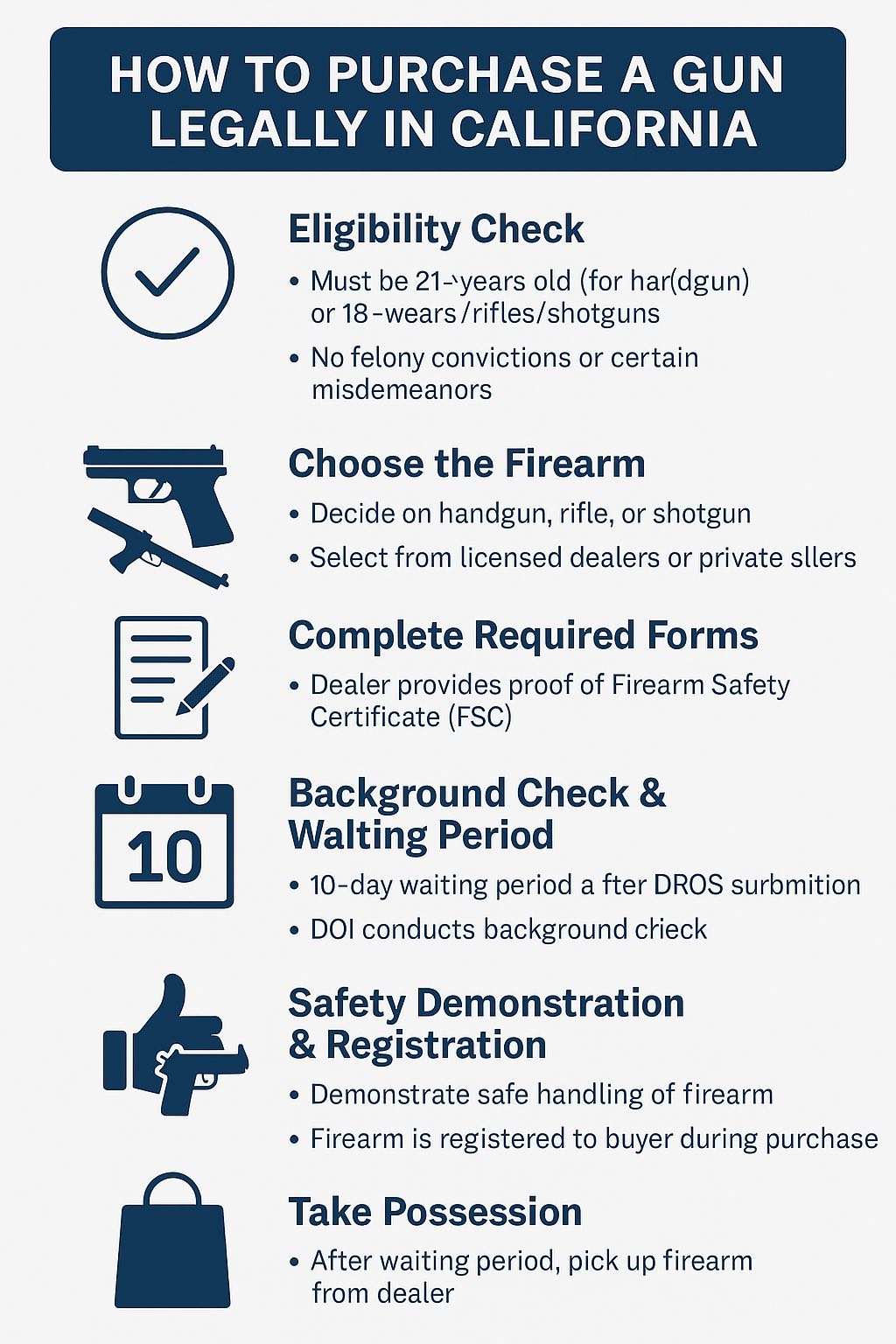
Directly ordering a firearm online and having it shipped to your residence is not permissible under California law. All firearm transactions, whether initiated online, from an out-of-state retailer, or even between private parties, must be facilitated through a licensed California Federal Firearm License (FFL) dealer. This requirement is a cornerstone of the state’s regulatory framework, ensuring that all acquisitions are documented, and buyers undergo a comprehensive background check process mandated by the California Department of Justice (DOJ). For anyone considering firearm ownership as part of their lifestyle in California, this fundamental understanding is the first step toward legal compliance.
The Online Purchase Myth vs. Reality
The allure of online shopping for firearms can be misleading for those unfamiliar with state-specific regulations. While you can browse and “purchase” a firearm from an out-of-state or online vendor, this transaction merely initiates the process. The firearm cannot be shipped directly to your home. Instead, it must be sent to a California FFL dealer, who then handles the transfer to you. This FFL dealer acts as an intermediary, ensuring all state and federal laws are observed before the firearm changes hands.
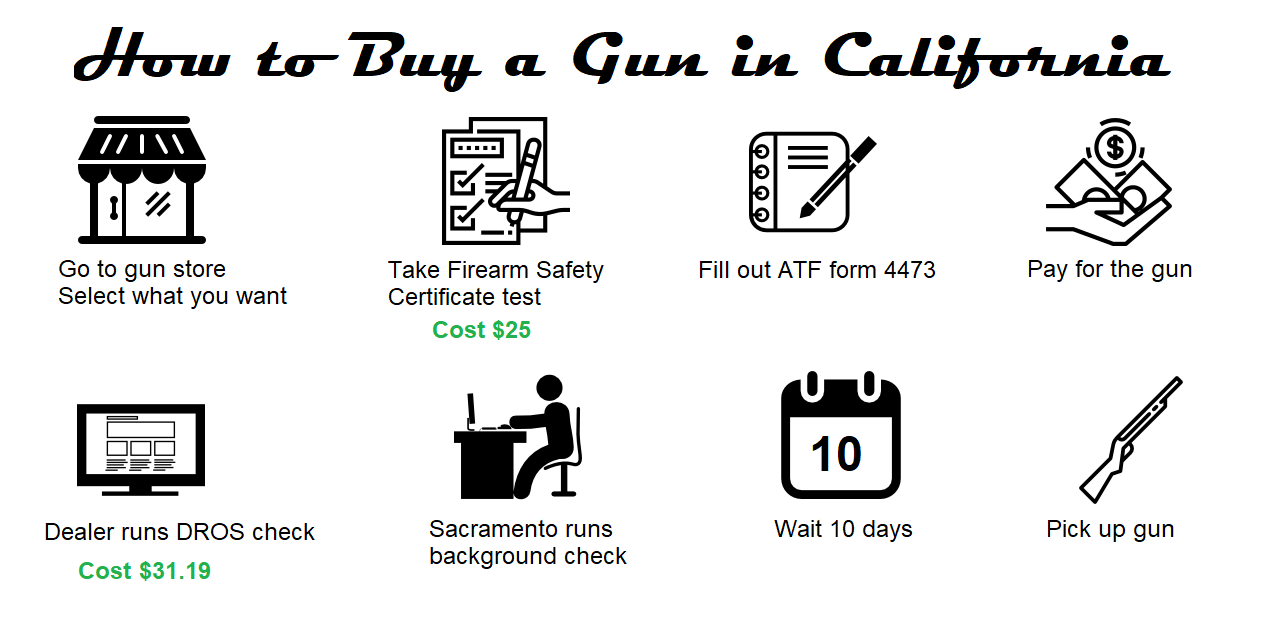
Upon arrival at the FFL dealer, the buyer must personally visit the dealer to complete the necessary paperwork. This includes federal forms (ATF Form 4473) and California specific forms. A mandatory 10-day waiting period commences from the date the dealer electronically submits the background check information to the California Department of Justice (DOJ). During this period, the DOJ conducts a thorough background investigation to verify the buyer’s eligibility. Only after this waiting period has elapsed and the background check has been approved can the firearm be released to the buyer. This meticulous process highlights California’s commitment to regulating firearm access, deeply influencing the lifestyle of firearm enthusiasts.
Approved Firearms and the Roster
Beyond the transfer process, California also dictates which firearms can be legally purchased and owned. The state maintains a highly restrictive “Handgun Roster,” which lists all semi-automatic pistols certified for sale to the public by licensed dealers. For a handgun model to be added to this roster, it must meet specific safety criteria, including micro-stamping technology, a loaded chamber indicator, and a magazine disconnect mechanism. These requirements significantly limit the variety of handguns available for purchase in California compared to other states.
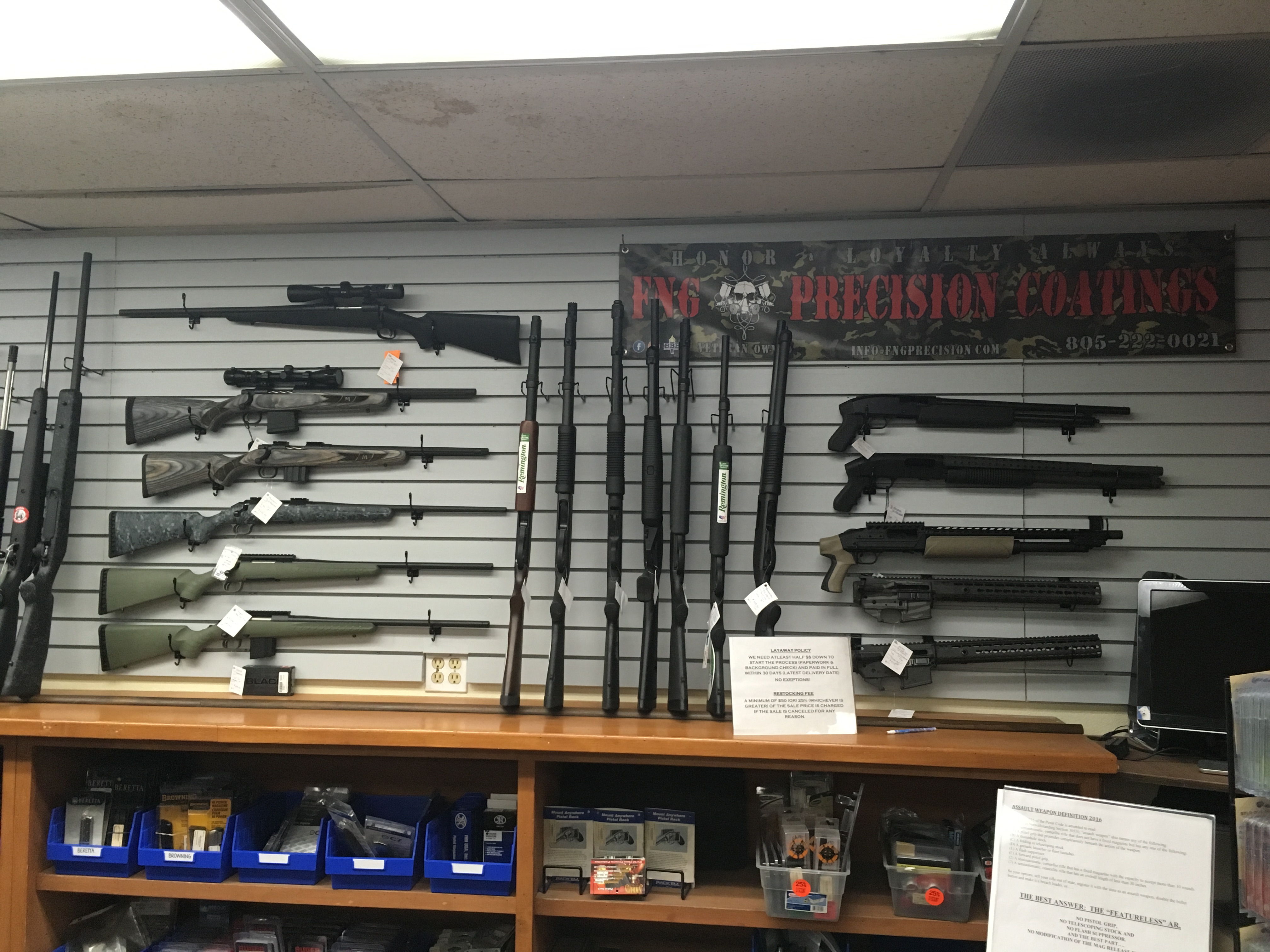
Similarly, California has comprehensive “assault weapon” bans that categorize many commonly available semi-automatic rifles and shotguns as illegal based on specific features (e.g., pistol grips, adjustable stocks, flash suppressors). Magazine capacity is also restricted to 10 rounds for most firearms. These regulations mean that even if a firearm can be “ordered” online, it may not be legally transferable or ownable in California if it doesn’t comply with these specific design and capacity mandates. Individuals looking to integrate firearms into their lifestyle must understand these technical specifications to avoid legal pitfalls.
Lifestyle Implications for California Residents and Prospective Movers
The rigorous firearm laws in California profoundly shape the lifestyle choices of its residents, particularly for those who value responsible firearm ownership for recreation, hunting, or personal defense. For individuals considering a move to the Golden State, or for current residents looking to expand their firearm activities, understanding these implications is key to harmonious living within the state’s regulatory framework. The state’s approach emphasizes public safety through strict control, which necessitates a proactive and informed approach from firearm owners.
Relocating to California with Firearms
For those making the move to California from another state, simply packing your firearms and moving them across state lines is not sufficient. New residents are required to report all handguns and “assault weapons” (as defined by California law) brought into the state to the California Department of Justice (DOJ) within a specified timeframe. This registration process is critical for legal compliance and reflects California’s comprehensive approach to tracking firearm ownership.
Furthermore, firearms that were legal in a previous state might be considered “assault weapons” or have illegal features (like high-capacity magazines) under California law. These firearms may need to be modified, registered, or rendered inoperable, or even surrendered, depending on their specific configuration. Failing to comply can result in serious legal consequences. Therefore, for a seamless transition into a California lifestyle, individuals with existing firearm collections must research and adapt to the state’s unique requirements well in advance of their relocation. This is especially pertinent for individuals whose lifestyle involves hunting or sport shooting, where their existing equipment might require significant adjustments.
Recreational Shooting, Hunting, and Sport
For many, firearms are an integral part of a recreational lifestyle, whether it involves target shooting, competitive sports, or hunting. California offers numerous opportunities for these activities, but they are all conducted within the confines of strict regulations. Hunters, for instance, must obtain a California hunting license and adhere to specific seasons, bag limits, and permissible firearm types for various game. Ammunition types, such as lead-free ammunition for hunting, are also mandated in certain areas, further influencing a hunter’s lifestyle choices.
Sport shooters will find a wide array of shooting ranges, both indoor and outdoor, across the state. However, they must ensure their firearms comply with California’s assault weapon bans and magazine capacity restrictions. Transporting firearms to and from these locations also requires adherence to specific rules, typically necessitating firearms to be unloaded and secured in a locked container, separate from ammunition. Embracing this aspect of the California lifestyle means prioritizing safety, legal compliance, and a thorough understanding of local ordinances.
Personal and Home Defense Considerations
The right to self-defense is a deeply personal aspect of many individuals’ lifestyles, and California law addresses this within its stringent framework. While firearm ownership for personal defense is legal, the state imposes significant restrictions on how firearms can be stored and carried. For home defense, firearms must be stored securely to prevent access by prohibited individuals, especially minors. Safe storage laws are designed to mitigate accidental shootings and unauthorized use, playing a role in how families with firearms manage their household lifestyle.
Carrying firearms outside the home is also highly regulated. Open carry of loaded or unloaded firearms is generally prohibited in most public places. Concealed carry permits (CCW) are issued by local law enforcement (sheriffs or police chiefs) and are notoriously difficult to obtain in many California counties due to a “good cause” requirement. This contrasts sharply with many other states and significantly impacts the lifestyle choices of those who wish to carry a firearm for personal protection. Understanding these nuances is vital for any California resident whose lifestyle includes considerations for personal safety with firearms.
Temporary Stays and Travel Through California
For individuals traveling to or through California with firearms, whether for a temporary stay, a business trip, or simply passing through, the state’s complex gun laws present a unique set of challenges and considerations. The relaxed regulations found in other states often do not apply, and visitors must be acutely aware of California’s specific requirements to avoid inadvertent legal infractions that could disrupt their travel or even lead to severe penalties.
Visiting California with Firearms
Federal law, specifically the Firearm Owners’ Protection Act (FOPA), allows individuals to transport unloaded firearms in a locked container, separate from ammunition, through states where they are otherwise prohibited, provided the journey begins and ends in states where possession is lawful. However, California’s interpretation and enforcement can be strict. For any temporary stay, whether it’s a few days or weeks, visitors must ensure their firearms comply with California’s “assault weapon” bans, magazine capacity limits, and other restrictions. Possessing a firearm that is legal in one’s home state but banned in California could lead to serious legal issues upon entry or during an extended stay.
Moreover, concealed carry permits from other states are generally not recognized in California. This means that even if you possess a valid CCW permit from your home state, you cannot legally carry a concealed firearm in California without obtaining a California-issued permit, which, as mentioned, is exceptionally difficult to acquire for non-residents or even residents in most jurisdictions. Travelers must also be aware of prohibited areas, such as schools, government buildings, and airports, where firearms are strictly forbidden. These rules are crucial for maintaining a hassle-free travel lifestyle within California.
Best Practices for Compliance and Safety
Given the intricate nature of California’s firearm laws, the best practice for anyone (resident or visitor) is thorough research and proactive compliance. It is highly advisable to consult with a California licensed Federal Firearm License (FFL) dealer or a legal professional specializing in firearm law within the state for the most current and personalized guidance. These experts can help navigate the complexities of acquisitions, transfers, storage, transportation, and legality of specific firearm models.
For those whose lifestyle involves firearms, responsible ownership in California means prioritizing education and safety. Joining local shooting clubs or organizations can provide valuable insights into compliance and foster a community of responsible owners. Ultimately, maintaining an informed stance and adhering strictly to both the letter and spirit of the law are the cornerstones of a lawful and safe firearm lifestyle in California. Ignoring these regulations can lead to severe legal repercussions, significantly impacting one’s lifestyle and freedom.
LifeOutOfTheBox is a participant in the Amazon Services LLC Associates Program, an affiliate advertising program designed to provide a means for sites to earn advertising fees by advertising and linking to Amazon.com. Amazon, the Amazon logo, AmazonSupply, and the AmazonSupply logo are trademarks of Amazon.com, Inc. or its affiliates. As an Amazon Associate we earn affiliate commissions from qualifying purchases.