
Understanding Alaska’s Unique Time Zones for Travelers
When planning an unforgettable journey to the vast and majestic landscapes of Alaska, one of the first logistical considerations for many travelers from the contiguous United States or other international locales is understanding its time zone. The immediate assumption for some, given its westward location, might be that Alaska adheres to Pacific Time. However, the answer is a nuanced and fascinating “no” for the vast majority of the state, with a crucial caveat for its furthest western reaches. Far from being in the Pacific Time Zone, Alaska primarily operates on its own dedicated time zone, a distinction that is vital for seamless travel planning, timely connections, and an enjoyable experience in the Last Frontier. Grasping this geographical and chronological reality is fundamental, whether you’re embarking on a cruise, planning a fishing expedition, or hoping to witness the aurora borealis.
The Alaska Time Zone (AKT)
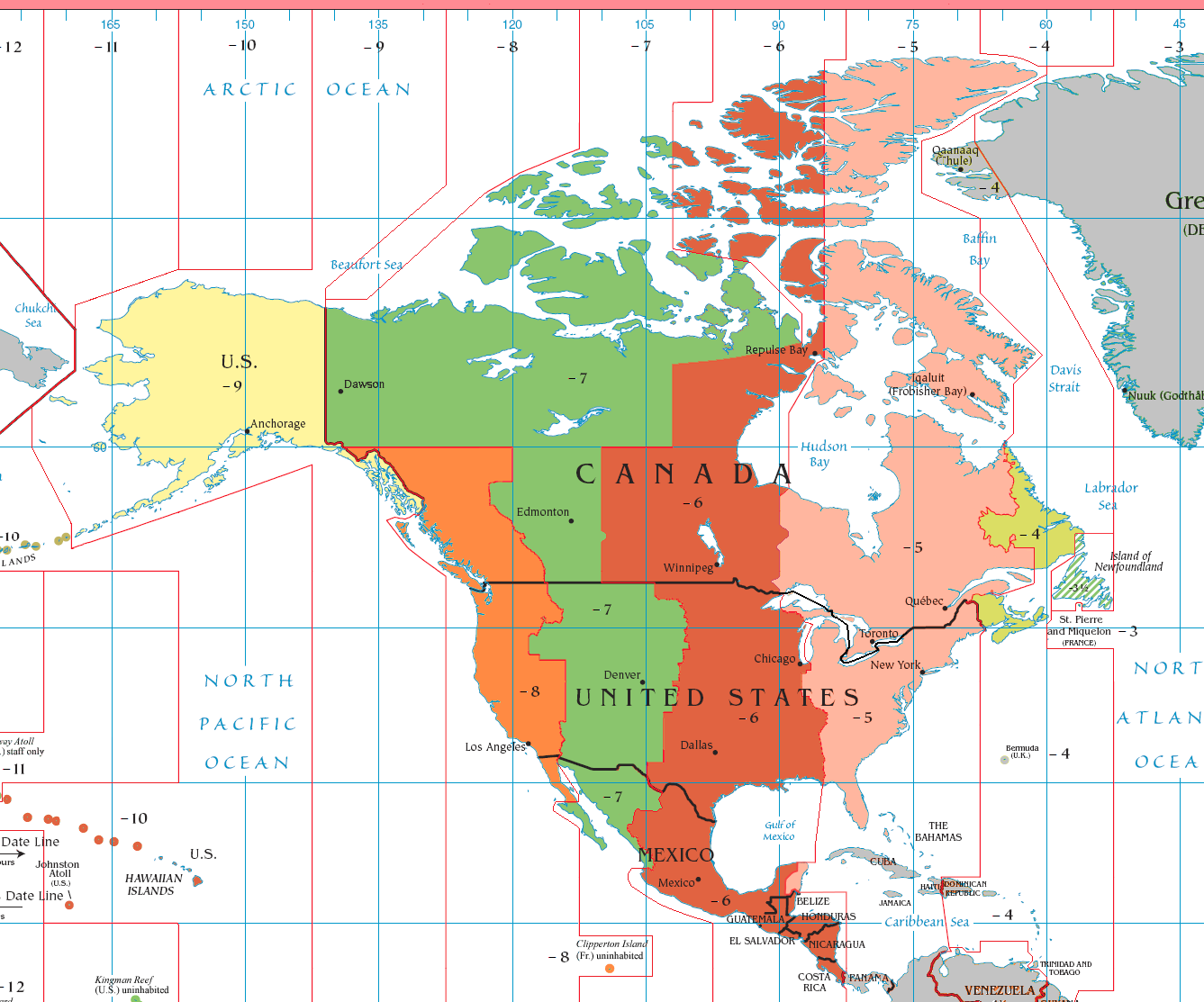
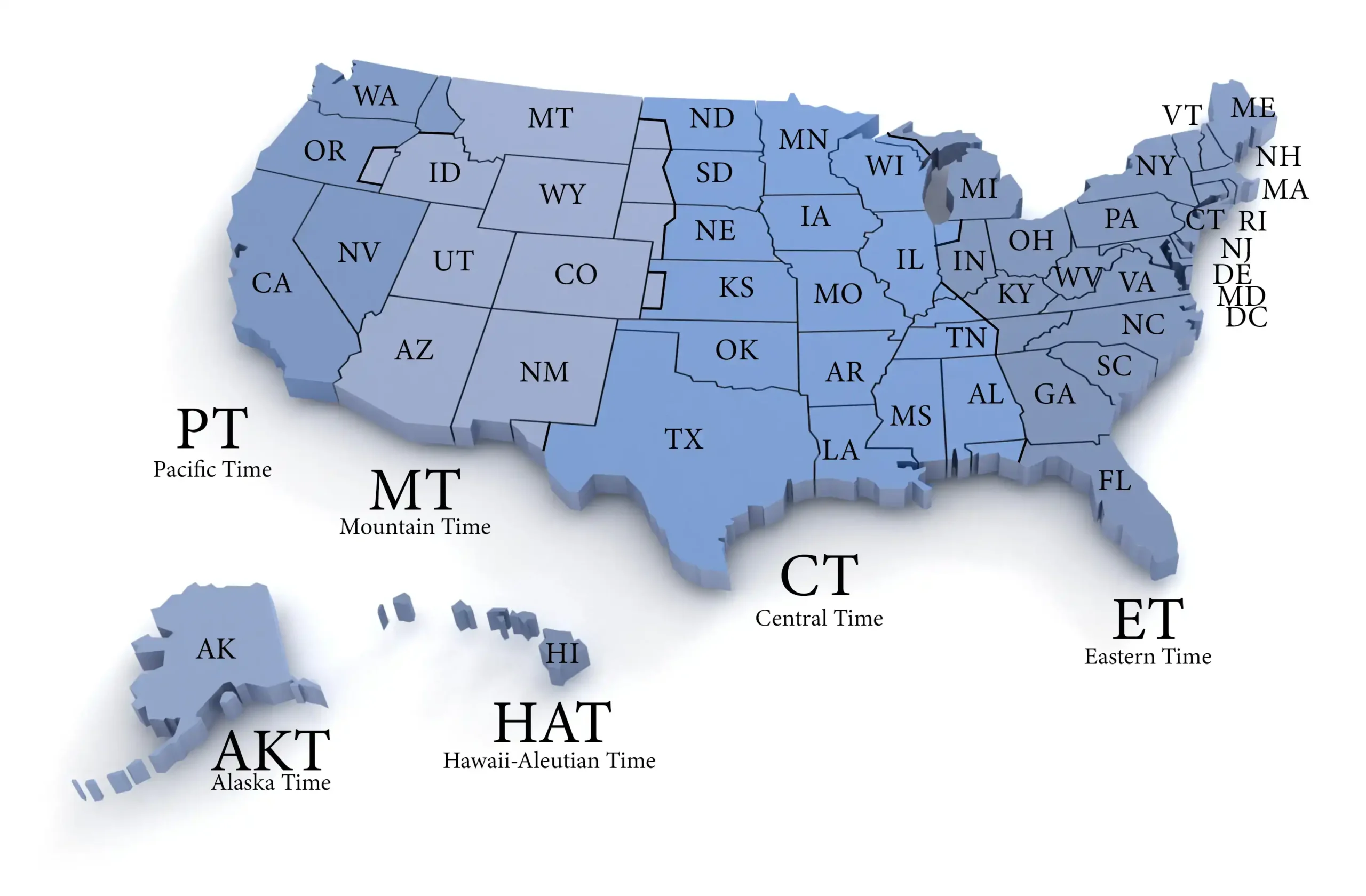
The predominant time zone across most of the state of Alaska is the Alaska Time Zone (AKT). This time zone is observed as UTC-9 during Standard Time (AKST) and UTC-8 during Daylight Saving Time (AKDT). To put this into perspective for travelers accustomed to time zones in the Lower 48, AKT is one hour behind the Pacific Time Zone. This means that when it’s 10:00 AM Pacific Standard Time (PST) in cities like Seattle or Los Angeles, it’s 9:00 AM Alaska Standard Time (AKST) in Anchorage or Juneau.
This time difference holds true even during Daylight Saving Time. When Pacific Daylight Time (PDT) is in effect, Alaska observes Alaska Daylight Time (AKDT), maintaining the one-hour lag. Major population centers and popular tourist destinations such as Anchorage, Fairbanks, Juneau, Ketchikan, and Seward all operate within the Alaska Time Zone. This covers the vast majority of where travelers will spend their time exploring the state’s natural wonders and vibrant communities.
The Hawaii-Aleutian Time Zone (HAT)
While the Alaska Time Zone encompasses the bulk of the state, a significant exception applies to the remote Aleutian Islands and St. Lawrence Island. These areas, located west of 169.5° West longitude, observe the Hawaii-Aleutian Time Zone (HAT). In HAT, time is UTC-10 during Standard Time (HAST) and UTC-9 during Daylight Saving Time (HADT).
This means that the Aleutian Islands are one hour behind the Alaska Time Zone and two hours behind the Pacific Time Zone. For instance, if it’s 10:00 AM PST in Seattle, it would be 9:00 AM AKST in Anchorage, and 8:00 AM HAST in Adak or Attu in the westernmost Aleutians. While these islands are less frequented by casual tourists due to their remote nature and challenging logistics, they are crucial for those undertaking specialized expeditions, research, or seeking extreme solitude. Travelers venturing into these farthest reaches of Alaska must be acutely aware of this additional time shift to avoid any scheduling mishaps.
Practical Implications for Your Alaskan Adventure
Understanding Alaska’s time zones is more than just a trivial fact; it’s a critical component of successful trip planning. From ensuring you don’t miss a flight to coordinating with tour operators, the time difference directly impacts the practicalities of your visit.
Flight Schedules and Connections
For most travelers, the journey to Alaska begins with a flight, often connecting through major hubs in the Pacific Time Zone like Seattle-Tacoma International Airport (SEA) or Portland International Airport (PDX). The one-hour time difference between PST/PDT and AKT means that arrival times in Alaska will feel one hour earlier than they would if Alaska were on Pacific Time. Conversely, return flights will mean gaining an hour, which can be a pleasant surprise.
It’s imperative to always double-check flight departure and arrival times, confirming whether they are stated in local time for each airport. Misinterpreting this can lead to missed connections or unnecessary stress. Additionally, while a one-hour difference might not seem significant, the phenomenon of “jet lag” can still affect some travelers, especially those coming from much further east. Giving yourself time to adjust upon arrival can enhance your overall experience.
Booking Tours and Activities
Your Alaskan adventure will likely involve a variety of excursions, from glacier cruises in Prince William Sound to wildlife viewing safaris in Denali National Park or fishing trips in Kodiak. All scheduled activities, whether with a tour operator or an independent guide, will operate on local Alaska Time. Ensure that when you book or confirm these activities, you are clear on the local start times.
The long daylight hours of the Alaskan summer can sometimes create a false sense of security regarding time. With sunlight persisting late into the evening, it’s easy to lose track of the actual clock time. Always rely on your watch or phone, set to local AKT, to ensure punctuality for your planned adventures. This is particularly crucial for time-sensitive activities like bear viewing tours that often operate at specific tide times or during optimal wildlife activity windows.
Communication with Home and Businesses
Maintaining contact with family and friends or handling any business matters back home requires an awareness of the time difference. If your contacts are in the Pacific Time Zone, remember you are one hour behind them. For those in the Eastern Time Zone, Alaska is four hours behind. Planning calls or video chats accordingly will prevent disruptions. Similarly, if you need to contact a business in the Lower 48, be mindful of their operating hours relative to your local Alaskan Time.
The Phenomenon of Alaskan Daylight and Its Time Zone Connection

While time zones define the numerical hour, Alaska’s extreme northern latitude introduces a unique dimension: the dramatic variation in daylight hours throughout the year. This phenomenon, while distinct from time zones, significantly influences the travel experience and interacts fascinatingly with the concept of time.
Summer Solstice and Endless Days
During the summer months, particularly around the Summer Solstice in late June, many parts of Alaska experience incredibly long periods of daylight, sometimes approaching 24 hours of twilight or full sunlight, especially further north in Fairbanks or beyond the Arctic Circle. This “land of the midnight sun” is a major draw for travelers.
The official clock time (AKT) operates as usual, but your body clock might be confused by the persistent daylight. It can feel much earlier than it is when the sun is still high at 10:00 PM. This can make adhering to scheduled activities or even simply going to bed challenging. Travelers should be prepared with eye masks and understand that the time zone, while constant, feels surreal when paired with the extended daylight. Embrace the extra “daylight hours” for exploration, but use your devices to keep track of the actual time for commitments.
Winter Solstice and Prolonged Darkness
Conversely, during the Winter Solstice in December, Alaska experiences prolonged periods of darkness. Cities like Anchorage might see only 5-6 hours of usable daylight, while locations further north endure several weeks without the sun rising above the horizon.
For winter travelers, understanding the Alaska Time Zone becomes crucial for planning activities within the limited daylight window. Many tours, such as dog sledding or snowmobiling, are typically scheduled for these brighter hours. The extended darkness, however, offers unparalleled opportunities for Northern Lights viewing, which are often best observed between 10:00 PM and 3:00 AM local time. Again, the time zone remains consistent, but the ambient light conditions drastically alter the perception of time.
Navigating Time Zone Changes within Alaska
While most of your Alaskan travel will be within the AKT, internal time zone changes can occur if your itinerary takes you to the far west.
Travel to the Aleutian Islands
For adventurous travelers planning to explore the rugged beauty of the Aleutian Islands, such as those participating in wildlife photography expeditions or historical tours to Dutch Harbor or Adak, the shift into the Hawaii-Aleutian Time Zone (HAT) is a critical detail. This is a real, albeit less common, internal time zone change for a US state. Flying from Anchorage to Adak involves not just a westward journey but also “losing” an hour, making the flight’s apparent duration seem shorter than actual flight time. Always confirm departure and arrival times with airlines and local contacts in these remote communities.
Devices and Local Time Syncing
Modern smartphones and connected devices are generally reliable at automatically updating to the correct local time zone as you travel. However, in extremely remote areas of Alaska where cellular service or GPS signals might be weak or nonexistent, your device might not update immediately or correctly.
It’s prudent to manually check and adjust your device’s time settings, especially if venturing off-grid or into the Aleutian Islands. A traditional wristwatch set to local time can be a reliable backup. Ensure any devices you use for alarms, navigation, or communication are accurately reflecting Alaska Time to prevent missed connections or appointments.
Tips for a Seamless Time Zone Transition
To fully enjoy your Alaskan adventure without time-related hitches, consider these practical tips:
Pre-Trip Preparation
Before you even depart, take the time to familiarize yourself with the time zones relevant to your specific itinerary. Use world clock apps or online converters to visualize the time difference between your home location and your Alaskan destinations. Share your travel schedule and time zone shift with family and friends so they know when best to reach you. Confirm all flight, tour, and accommodation bookings explicitly mention local times.
During Your Stay
Upon arrival, immediately set all your devices to Alaska Time (AKT or HAT as appropriate) and commit to living on that schedule. Resist the urge to constantly calculate the time back home, as this can exacerbate jet lag. Embrace Alaska’s unique daylight patterns—whether the endless summer days or the cozy winter darkness—as part of the experience. For summer travel, packing a good quality sleep mask and perhaps some earplugs can be invaluable for maintaining a regular sleep schedule amidst the extended daylight. Finally, always verify the local time for any pre-booked activities or dining reservations to ensure you are punctual and make the most of every moment in this incredible state.
By understanding that Alaska is generally not on Pacific Time, and by appreciating the nuances of its multiple time zones and extreme daylight variations, travelers can better prepare for a smooth, enjoyable, and unforgettable journey through the largest and one of the most geographically diverse states in the United States.
LifeOutOfTheBox is a participant in the Amazon Services LLC Associates Program, an affiliate advertising program designed to provide a means for sites to earn advertising fees by advertising and linking to Amazon.com. Amazon, the Amazon logo, AmazonSupply, and the AmazonSupply logo are trademarks of Amazon.com, Inc. or its affiliates. As an Amazon Associate we earn affiliate commissions from qualifying purchases.