
A Snapshot of Military Presence in the Last Frontier
Alaska, often referred to as “The Last Frontier,” holds a position of immense strategic importance on the global stage. Its vast, rugged landscape, combined with its proximity to the Arctic and key geopolitical regions, makes it a critical area for national defense. For those curious about the U.S. Army’s footprint in this unique state, the primary and most significant Army installation is embedded within Joint Base Elmendorf-Richardson (JBER) near Anchorage. While JBER is a joint installation encompassing both Air Force and Army components, the Army’s presence here is substantial and vital to its operations in the region. Beyond JBER, other specialized Army facilities and training areas underscore the military’s deep commitment to operating effectively in extreme cold-weather environments. Understanding these installations is key to appreciating Alaska’s role in U.S. national security and its impact on the local economy and culture.
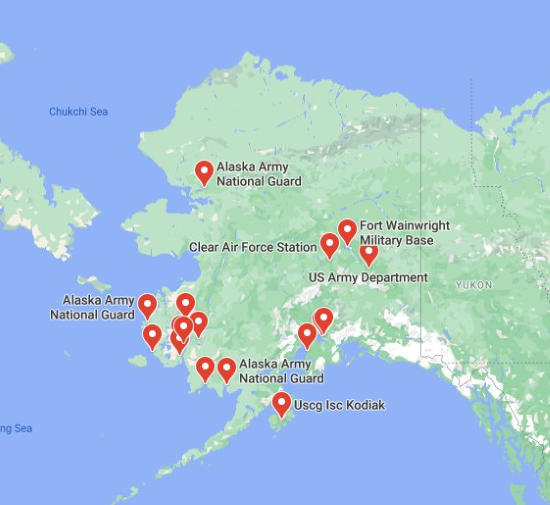
Joint Base Elmendorf-Richardson (JBER): The Heart of Army Operations
Located adjacent to Anchorage, Joint Base Elmendorf-Richardson represents the apex of military integration and strategic readiness in Alaska. Established in 2010 through the merger of Fort Richardson (Army) and Elmendorf Air Force Base (Air Force), JBER has become a robust hub for a wide array of military operations, from air defense to arctic ground warfare training. The Army component within JBER maintains a significant presence, supporting thousands of soldiers and their families, and executing missions crucial to both regional and global security.
A Legacy of Fort Richardson
Before the joint basing initiative, Fort Richardson served as a cornerstone of Army operations in Alaska for decades. Its origins trace back to World War II, when the need for a robust defense presence in the territory became acutely clear. Situated just outside Anchorage, the installation grew to house various combat and support units, playing a vital role in protecting the vast Alaskan frontier and projecting U.S. power across the North Pacific. Its extensive training areas and cold-weather expertise fostered a unique operational environment, preparing soldiers for some of the world’s most challenging conditions. This legacy of rigorous training and strategic importance continues to define the Army’s role within the larger JBER complex. The integration of Fort Richardson’s infrastructure and personnel into JBER allowed for enhanced logistical efficiencies and synergistic operations between the branches, amplifying the overall effectiveness of the U.S. military in the region.
Key Army Units and Missions at JBER
The primary Army unit stationed at JBER is the 11th Airborne Division, specifically its two brigade combat teams: the 1st Brigade Combat Team and the 2nd Brigade Combat Team. These units, historically known as U.S. Army Alaska (USARAK) until their reflagging, are specially trained and equipped for Arctic warfare. Their mission focuses on ensuring the readiness of forces to operate, survive, and win in extreme cold weather and mountainous terrain. The soldiers here routinely engage in rigorous training exercises that simulate conditions encountered across the Arctic region, from airborne operations into frozen landscapes to sustained movements in sub-zero temperatures.
These units contribute significantly to the broader strategic objectives of the United States Indo-Pacific Command by providing a rapidly deployable, Arctic-capable force. Beyond direct combat operations, the Army at JBER also supports critical logistical, medical, and intelligence functions, providing a comprehensive military presence essential for defense and crisis response in the Northern Pacific and Arctic areas. The deployment of specialized equipment, from tracked vehicles designed for snow and ice to advanced communication systems resilient to geomagnetic disturbances, further underscores the unique capabilities fostered at JBER.
Strategic Importance in the Arctic Region
The strategic importance of JBER for Army operations cannot be overstated. As the Arctic region becomes increasingly accessible due to climate change, opening new shipping lanes and potential resource exploration, military presence here serves as a crucial deterrent and a platform for safeguarding U.S. interests. The Army units at JBER are at the forefront of developing doctrine and tactics for operating in this harsh environment, sharing their expertise with allies and partners. Their ability to conduct operations in conditions that would incapacitate less prepared forces provides a distinct advantage, ensuring that the U.S. maintains a robust and capable posture in a geopolitically vital part of the world. This strategic imperative drives continuous investment in infrastructure, training facilities, and personnel at JBER, making it an indispensable asset for the nation.
Beyond JBER: Other Army-Related Presences and Facilities
While Joint Base Elmendorf-Richardson is the largest and most comprehensive Army installation in Alaska, it is not the sole representation of the Army’s footprint. The vastness of the state necessitates a distributed military presence, with specialized facilities addressing unique defense requirements. These additional locations, though smaller in scope, are equally vital to the overall strategic defense architecture.

Fort Greely and the Missile Defense Complex
Deep in Interior Alaska, approximately 100 miles southeast of Fairbanks, lies Fort Greely. This installation plays a singularly critical role in U.S. national defense, housing the Ground-based Midcourse Defense (GMD) system. Fort Greely is the primary U.S. site for intercepting intercontinental ballistic missiles (ICBMs), making it an integral component of the nation’s strategic missile defense shield. Army personnel at Fort Greely are responsible for the operation, maintenance, and security of these highly sensitive missile interceptors and their associated infrastructure. The remote, isolated location of Fort Greely contributes to the security of the site, but also presents unique logistical and operational challenges for the personnel stationed there. Life at Fort Greely is distinct from the more urbanized environment of JBER, with a greater emphasis on self-sufficiency and resilience in extreme conditions. The presence of such a high-stakes defense system underscores Alaska’s irreplaceable role in continental defense.
Cold Weather and Arctic Training Areas
Beyond fixed bases, the U.S. Army utilizes vast expanses of Alaskan wilderness as unparalleled training grounds for cold weather and arctic operations. While Joint Base Elmendorf-Richardson and Fort Wainwright (an Army installation primarily focused on air and ground operations near Fairbanks, though not directly covered by the “What Army Base Is In Alaska?” title, it’s an important Army presence) offer significant training capabilities, specialized facilities like the Northern Warfare Training Center (NWTC) at Fort Wainwright are critical. The NWTC is globally recognized for its expertise in teaching soldiers to survive, operate, and lead in mountainous, cold, and arctic environments. Soldiers from across the U.S. Army and allied nations come to Alaska to learn skills such as glacier travel, avalanche awareness, ice climbing, and bivouacking in extreme cold. These expansive, undeveloped areas allow for large-scale exercises that test equipment and personnel against the raw power of the Alaskan winter, ensuring that the Army remains proficient and adaptable in any environment. These training areas, while not “bases” in the traditional sense, are integral to the Army’s mission in Alaska and represent a significant part of its enduring presence.
Visiting Military Communities in Alaska: Travel Considerations
For many, interaction with Alaska’s military bases comes through direct ties—visiting family, or relocating as part of a military assignment. However, even general travelers can encounter the presence of these communities, which profoundly shape the local economy and culture. Understanding the specific nature of these military hubs can enhance any Alaskan travel experience.
For Military Families and Dependents
For military families considering or undergoing a permanent change of station (PCS) to Alaska, the resources and support networks available at Joint Base Elmendorf-Richardson and Fort Greely are paramount. JBER, being near Anchorage, offers a broad range of amenities: extensive housing options, schools, medical facilities, commissaries, and recreational services tailored to military life. The quality of life for families here is generally high, with numerous opportunities for outdoor activities and a strong sense of community. Relocation to Alaska requires careful planning, especially regarding transportation of household goods, understanding winter driving conditions, and adjusting to the unique daylight cycles. Financial services, child development centers, and spousal employment support are typically robust.
At Fort Greely, due to its remote location, the community is much smaller and more self-contained. While essential services are provided on post, options for shopping, dining, and entertainment are limited to the nearby civilian town of Delta Junction. Families choosing Fort Greely often embrace the tranquility, abundant wildlife, and exceptional opportunities for hunting, fishing, and winter sports, providing a truly unique Alaskan experience that contrasts sharply with more populous areas.
Exploring Nearby Civilian Attractions
The presence of major Army installations significantly impacts the surrounding civilian areas, creating vibrant communities with distinct cultural flavors. Travelers to Anchorage, which abuts JBER, will find a bustling city offering a gateway to Alaska’s wonders. While the base itself is generally not open for public tourism beyond specific events, its proximity means visitors can explore Anchorage’s attractions such as the Alaska Native Heritage Center, the Anchorage Museum, and the sprawling beauty of Chugach State Park, all of which benefit from the economic contributions of the military community.
Near Fort Greely, the town of Delta Junction is the “End of the Alaska Highway” and offers a taste of authentic Interior Alaska life. Travelers can visit the Delta Junction Visitor Center, explore the region’s homesteading history, or embark on adventures along the Richardson Highway. The area is famous for its outdoor recreation, including access to vast public lands, pristine rivers, and wildlife viewing opportunities. The civilian communities surrounding these bases thrive on a symbiotic relationship with the military, creating unique cultural blends and diverse service offerings for both residents and visitors.

Respecting Military Operations
When traveling in Alaska, it is essential to be mindful and respectful of military installations and their operations. Security is a paramount concern for all bases, and restricted areas are clearly marked. Travelers should never attempt to enter unauthorized zones, and photography near sensitive military infrastructure may be prohibited. Observing local signage and adhering to speed limits in and around military areas is crucial. While the bases themselves may not be direct tourist destinations, understanding their existence and impact provides a richer appreciation of Alaska’s multifaceted identity as a travel destination—a land of breathtaking natural beauty, vibrant communities, and strategic national importance.
LifeOutOfTheBox is a participant in the Amazon Services LLC Associates Program, an affiliate advertising program designed to provide a means for sites to earn advertising fees by advertising and linking to Amazon.com. Amazon, the Amazon logo, AmazonSupply, and the AmazonSupply logo are trademarks of Amazon.com, Inc. or its affiliates. As an Amazon Associate we earn affiliate commissions from qualifying purchases.