
Motorcycle riders often consider the nuances of traffic laws, particularly those concerning lane usage, as they plan their adventures across the United States. One such practice, lane splitting, is a topic of frequent discussion and varying legality. For those contemplating a scenic ride through the stunning landscapes of Arizona, understanding the state’s specific regulations on lane splitting and filtering is not merely a matter of convenience, but crucial for safety and legal compliance.
Understanding Lane Splitting: A Global Perspective
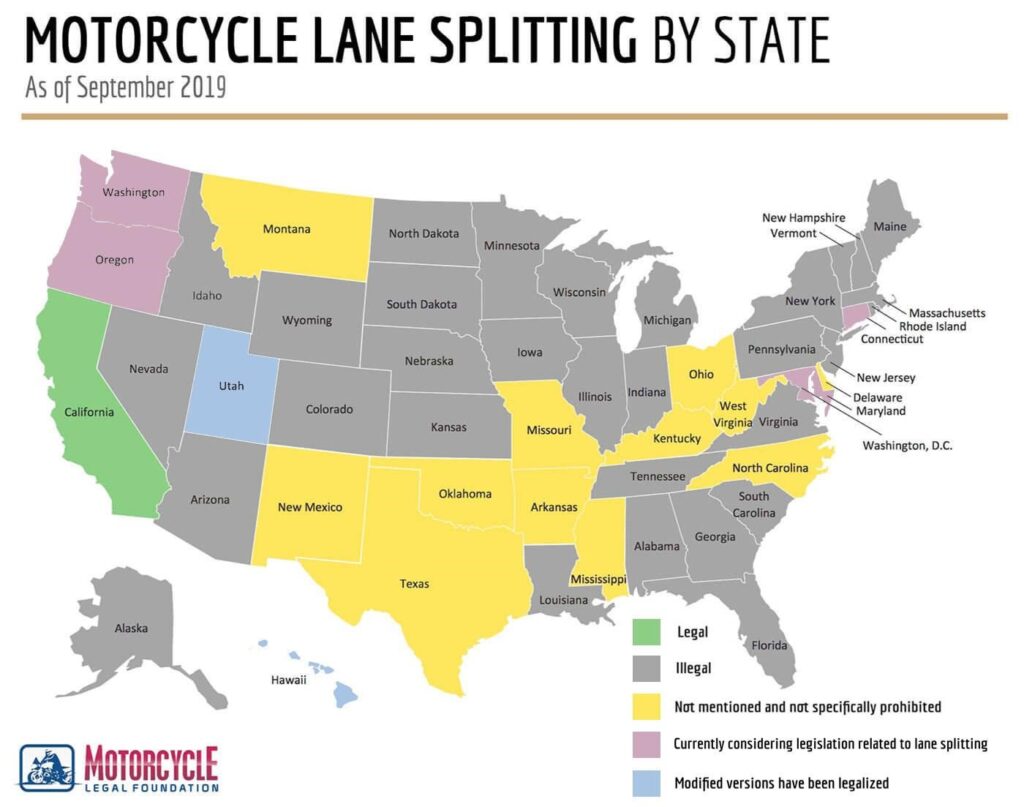
Lane splitting refers to the practice of a motorcyclist riding between lanes of stopped or slow-moving traffic traveling in the same direction. This maneuver, often seen as a way to reduce traffic congestion and potentially increase rider safety by avoiding rear-end collisions, is legal in some parts of the world and in a select few states within the United States. For instance, California is widely known for explicitly legalizing lane splitting under specific conditions, leading many to assume similar rules might apply elsewhere.

Proponents of lane splitting argue that it helps motorcycles escape the “accordion effect” of stop-and-go traffic, which can be dangerous due to the risk of being rear-ended by inattentive drivers. They also point to improved traffic flow and reduced fuel consumption as motorcycles are not idling in traffic. Conversely, opponents often cite safety concerns, particularly the risk of collisions with motorists who may not anticipate a motorcycle passing between lanes, and potential road rage from drivers. The varying perspectives highlight the complexity surrounding this practice and the importance of localized legislation. In most states, lane splitting remains illegal, classified as reckless driving or an unsafe lane change. This patchwork of laws necessitates thorough research for any rider venturing into new territory, and Arizona has its own distinct approach that riders must be aware of.
The Legal Status of Lane Usage for Motorcycles in Arizona
Historically, Arizona was among the states where traditional lane splitting was illegal, often falling under general statutes prohibiting unsafe lane changes or requiring vehicles to remain within a single lane. However, the legal landscape for motorcyclists in Arizona underwent a significant change in 2022 with the passage of a specific law addressing “lane filtering.” This distinction is critical for riders.
The Arizona Revised Statutes (A.R.S.) now specifically outline permissible actions for motorcyclists in certain traffic situations. Understanding these definitions is paramount for any rider passing through or residing in the Grand Canyon State.
Lane Splitting vs. Lane Filtering vs. Lane Sharing
To accurately answer whether you can “lane split” in Arizona, it’s essential to differentiate between three distinct practices:
- Lane Splitting: This refers to riding a motorcycle between lanes of moving traffic traveling in the same direction. In Arizona, traditional lane splitting, as commonly understood in places like California where motorcycles move through actively flowing lanes, remains illegal. Motorcyclists are generally expected to remain within their designated lane when traffic is in motion.
- Lane Filtering: This is a more specific maneuver, typically performed when traffic is stopped or moving very slowly, such as at a red light or in heavy congestion. Lane filtering involves a motorcyclist moving between lanes of stopped vehicles to the front of the queue. As of 2022, Arizona has legalized lane filtering under strict conditions, making it an exception to the broader prohibition on lane splitting.
- Lane Sharing: This practice involves two motorcycles riding side-by-side within a single lane. In Arizona, lane sharing (two motorcycles abreast in one lane) is generally legal, provided both riders operate safely and within the bounds of other traffic laws. This is distinct from either splitting or filtering and allows motorcyclists to ride together safely.
The clarification of these terms is vital, as conflating them can lead to misunderstandings of the law and potential legal repercussions. For riders in Phoenix, Tucson, or any other city in Arizona, the nuances of lane filtering are particularly relevant.
Arizona’s Specifics: The 2022 Lane Filtering Law
In 2022, Arizona House Bill 2737 (HB 2737) was signed into law, explicitly allowing motorcyclists to engage in lane filtering under specific circumstances. This legislation marked a significant shift, recognizing the potential safety benefits for riders, particularly in preventing rear-end collisions and managing traffic flow. However, this is not a blanket legalization of all forms of lane splitting.
Conditions for Legal Lane Filtering in Arizona
The 2022 law outlines precise conditions that must be met for lane filtering to be considered legal in Arizona. Motorcyclists must adhere to all of the following:
- Stopped Traffic Only: The law explicitly states that lane filtering is permitted only when motor vehicle traffic is stopped. This means filtering is not allowed through moving traffic, even if it’s slow-moving.
- Low Speed Differential: The motorcycle must not travel at a speed greater than 15 miles per hour when filtering. This low speed ensures that the maneuver is performed cautiously and allows other drivers more time to react, minimizing risk.
- Road Configuration: Filtering is only allowed on roads that have at least two lanes going in the same direction. This prevents filtering on single-lane roads or in situations where space is extremely limited.
- Due Care: The motorcyclist must exercise due care and attention while filtering. This is a broad legal term that implies the rider must act reasonably and safely, considering all surrounding circumstances, including road conditions, weather, and other drivers’ behavior.
- Not on Freeways: While not explicitly mentioned in all summaries, generally, filtering is intended for surface streets and not high-speed freeways, aligning with the “stopped traffic” and “15 mph” criteria.
The intent behind this law is largely safety-driven. When traffic is stopped, motorcyclists are vulnerable to being struck from behind. Filtering to the front of a queue can remove them from this hazardous position. It also contributes to traffic efficiency by allowing motorcycles, which take up less space, to move through congestion rather than occupying space behind larger vehicles. It is crucial for riders to understand that any deviation from these conditions renders the filtering illegal, potentially leading to citations or accidents.

Safety Considerations and Best Practices for Riders in Arizona
Even with the legalization of lane filtering under specific conditions, safety remains the paramount concern for motorcyclists in Arizona. The arid climate and unique driving culture present distinct challenges and opportunities for riders.
Awareness and Visibility
Motorcycles are inherently less visible than cars, and this fact is amplified during filtering maneuvers. Riders must take proactive steps to ensure they are seen:
- Advanced Rider Training: Even experienced riders can benefit from courses focused on urban riding, hazard perception, and defensive driving techniques.
- High-Visibility Gear: Wearing bright colors, reflective materials, and using reflective tape on helmets and motorcycles significantly increases visibility, especially in the harsh desert sun or at night.
- Effective Use of Lights: Running headlights during the day, using modulating headlights if legal and desired, and ensuring brake lights are bright and functional are essential.
- Constant Situational Awareness: Riders should continuously scan their surroundings for potential hazards, anticipate other drivers’ actions, and be prepared to react. This includes looking for opening car doors, drivers changing lanes without signaling, or pedestrians.
Driver Awareness and Road Etiquette
Despite the new law, many drivers in Arizona may not be fully aware of the legality of lane filtering or accustomed to seeing motorcycles perform this maneuver. This lack of awareness can create dangerous situations.
- Predictable Movements: Riders should make smooth, predictable movements, avoiding sudden swerves or aggressive acceleration.
- Avoid Confrontation: If a driver intentionally blocks a lane or reacts negatively, it is always safer to de-escalate and find an alternative path rather than engaging. Patience is a virtue in traffic.
- Signal Clearly: While filtering, it may not always be practical to signal lane changes, but wherever possible, clear and early signaling helps communicate intentions to other road users.
Environmental Factors
Arizona’s environment presents its own set of considerations for motorcyclists:
- Extreme Heat: Summers in Arizona can be intensely hot, leading to rider fatigue, heatstroke, and affecting tire performance. Riders should stay hydrated, wear appropriate gear that allows for airflow, and plan rides during cooler parts of the day.
- Road Conditions: Desert roads can have unique hazards like sand, gravel, or debris blown by wind, which can be particularly dangerous for motorcycles.
- Monsoon Season: During late summer, sudden heavy rains can make roads extremely slick, and flash floods are a risk. Riders must exercise extreme caution during these periods.
Exploring Arizona by Motorcycle: A Different Perspective
Beyond the technicalities of lane splitting, Arizona offers an unparalleled experience for motorcyclists. The state’s diverse topography, from Sonoran Desert vistas to ponderosa pine forests, makes it a premier destination for two-wheeled exploration.
Scenic Routes and Destinations
Riders in Arizona can embark on journeys that take them through some of the most iconic landscapes in the United States:
- Historic Route 66: Experience a slice of American history by riding along the legendary Mother Road, especially through towns like Seligman and Kingman.
- Sedona‘s Red Rock Country: The winding roads around Sedona offer breathtaking views of the majestic red rock formations, with plenty of opportunities for scenic overlooks.
- Grand Canyon National Park: While lane splitting is not a concern within the park, the ride to the Grand Canyon National Park’s South Rim offers expansive views and fresh air, culminating in one of the world’s most impressive natural wonders.
- Monument Valley: Further north, on the Navajo Nation, the drive through Monument Valley provides cinematic desert vistas that are quintessential Southwest.
- Sky Island Byways: Rides through areas like Mount Lemmon near Tucson offer a dramatic change in elevation and climate, transitioning from desert to alpine forests.
Rider Community and Events
Arizona boasts a vibrant motorcycle community, with numerous clubs, rallies, and events throughout the year. Participating in these gatherings can enhance a rider’s experience, providing opportunities to connect with fellow enthusiasts and discover new routes. However, during these events, adherence to all traffic laws, including those regarding lane filtering, becomes even more critical due to increased motorcycle traffic.
In conclusion, while traditional “lane splitting” (moving through active traffic lanes) remains illegal in Arizona, “lane filtering” (moving through stopped traffic at low speeds) is now permitted under specific, carefully defined conditions. Riders must familiarize themselves with these laws, prioritize safety, and remain vigilant to ensure an enjoyable and lawful journey through the beautiful state of Arizona.
LifeOutOfTheBox is a participant in the Amazon Services LLC Associates Program, an affiliate advertising program designed to provide a means for sites to earn advertising fees by advertising and linking to Amazon.com. Amazon, the Amazon logo, AmazonSupply, and the AmazonSupply logo are trademarks of Amazon.com, Inc. or its affiliates. As an Amazon Associate we earn affiliate commissions from qualifying purchases.