
When the final whistle blows on a hotly contested match-up, especially one with significant implications like a game between Washington and Arizona, the immediate focus often shifts to the athletes. Injuries are an unfortunate, often brutal, reality of professional sports, and a player like Odunze facing a physical setback naturally commands attention. Yet, to truly understand the full scope of a major sporting event’s impact, one must look beyond the field to the thousands of dedicated fans whose lives are intricately woven into the fabric of their team’s journey. For these passionate followers, especially those who commit to the lifestyle of traveling to support their alma mater or favorite franchise, the “hurt” can extend far beyond the physical realm, touching finances, emotions, and personal logistics. It’s a testament to the enduring spirit of fandom, a lifestyle choice that comes with its own unique set of challenges and profound rewards.

The Unseen Toll of Fandom: More Than Just the Score
The vibrant tapestry of sports fandom is often painted with broad strokes of camaraderie, excitement, and unwavering loyalty. Yet, beneath the surface of spirited cheers and team colors, lies a significant commitment, particularly for those who embrace the road warrior lifestyle. While the headline might highlight the physical “hurt” of a star player like Odunze after a grueling encounter, the traveling fan experiences a different, often invisible, toll. This commitment to follow a team from state to state – perhaps from the Pacific Northwest to the desert Southwest – is a choice that shapes one’s lifestyle, demanding sacrifices that go unquantified in post-game analyses.
Consider the journey from Seattle to Phoenix for a college football showdown. It’s not merely a trip; it’s an expedition. It involves meticulous planning, significant financial outlay, and an emotional investment that fluctuates wildly with every play. The joy of tailgating and soaking in the pre-game atmosphere is a powerful draw, a ritualistic gathering that binds strangers through a shared devotion. However, the subsequent emotional rollercoaster, the logistical hurdles, and the financial strain collectively represent the unseen “hurt” that fans willingly endure. This intrinsic bond with a team transcends mere entertainment; it becomes a part of their identity, a cornerstone of their chosen lifestyle, where the highs are exhilarating and the lows can be genuinely disheartening, affecting their mood and perspective long after the final whistle. The question then expands beyond physical injuries: what true cost does this profound dedication exact from those who live and breathe their team’s journey?
Navigating the Journey: Financial and Logistical Headaches
For the dedicated fan whose lifestyle includes following their team on the road, the journey itself often presents a gauntlet of challenges that can certainly feel like a form of “hurt.” These are not injuries in the traditional sense, but rather the cumulative stresses and strains that can test even the most resilient supporter.
Financial Strain: The Cost of Loyalty
Attending an away game, particularly one involving cross-country travel from Washington to Arizona, is far from a casual outing. The financial commitment begins with transportation: flights, rental cars, or the considerable fuel cost for a lengthy road trip. Accommodation is another significant expense, with hotel rates often surging around major sporting events. Choosing between a premium suite at a Hyatt Regency or a more budget-friendly option at a Motel 6 is a recurring decision, each impacting the overall trip budget. Then come the tickets themselves, which for high-stakes games can easily run into the hundreds of dollars. Add in food, beverages, team merchandise purchased at the Arizona Stadium or Husky Stadium gift shop, and incidental expenses, and the total can quickly escalate to a substantial sum. For many, these are not discretionary funds but rather carefully budgeted allocations, often requiring sacrifices in other areas of their lifestyle. The “hurt” here is the palpable impact on personal finances, a recurring sacrifice made in the name of unwavering loyalty.
Time and Opportunity Costs: The Lifestyle Interruption
Beyond the monetary investment, traveling for games demands a significant expenditure of time. A weekend game easily translates into three or four days away from home, family, and work responsibilities. For those with demanding careers, securing time off might involve using precious vacation days or navigating complex work schedules. Parents traveling with children face additional planning challenges, from school absences to childcare arrangements. The opportunity cost of these trips is also profound; time spent on the road could have been dedicated to other hobbies, family events, or personal rejuvenation. This diversion of time and energy, though willingly undertaken, represents another subtle form of “hurt”—a disruption to the normal rhythm of life that requires careful management and foresight. The lifestyle of a traveling fan is one of constant negotiation between personal desires and practical realities.
The Logistics Labyrinth: Navigating the Unknown
Finally, the logistical complexities of an away game weekend can be unexpectedly taxing. Navigating unfamiliar cities, dealing with traffic congestion around major venues like State Farm Stadium in Glendale or finding parking can be sources of considerable stress. Coordinating group travel, managing flight delays, or dealing with unexpected hotel issues are all common occurrences that add layers of frustration to the experience. Even something as simple as finding a reputable restaurant or a comfortable spot to watch other games can become a mini-challenge. These seemingly minor inconveniences accumulate, creating a subtle but persistent undercurrent of stress. While often overcome with good humor and the excitement of the game, these logistical hurdles are the small, repetitive “hurts” that test a fan’s patience and adaptability, pushing them to their limits before they even step foot into the stadium.
The Emotional Landscape: Highs, Lows, and Lingering Disappointment
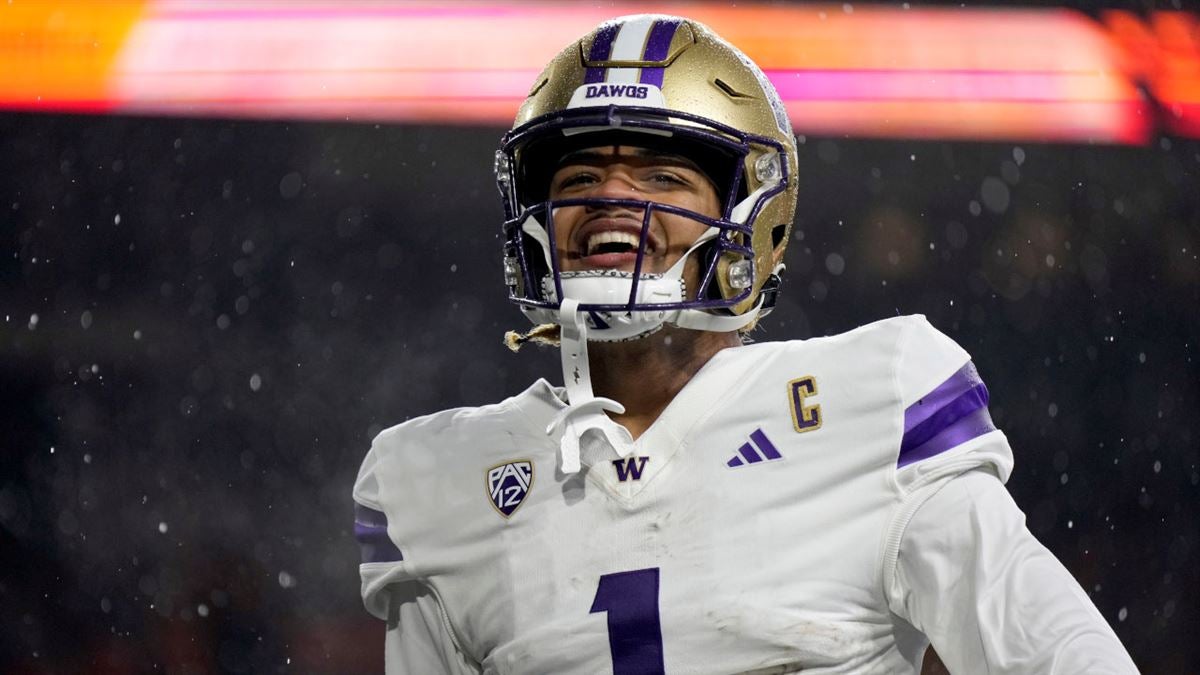
While a player’s physical injury, like Odunze’s, is evident and often devastating, the emotional landscape for the traveling fan is a complex terrain of peaks and valleys, a different kind of “hurt” that resonates deeply within their chosen lifestyle. The intense emotional investment in a game, particularly one traveled far to see, can lead to profound highs but also significant lows.
The Rollercoaster of Hope and Despair
From the moment the travel plans are made, the fan’s hope begins to build. Days and weeks are spent anticipating the clash, imagining victory, and celebrating with fellow supporters. This pre-game optimism is a powerful motivator, fueling the arduous journey. However, once the game begins, the emotional ride is anything but smooth. Every significant play, every referee’s call, every shift in momentum is met with an immediate, visceral reaction. A spectacular touchdown elicits euphoric cheers that echo through the stadium, creating a shared sense of joy and belonging. Conversely, a dropped pass, a missed tackle, or a crucial penalty can plunge the fan into a pit of despair, the collective groan palpable. This constant oscillation between hope and anxiety, between elation and dread, is an exhausting emotional workout. The intensity of these feelings is amplified by the sheer effort and cost invested in being there. For a traveling fan, a loss after a long journey can feel like a profound personal setback, a “hurt” that overshadows the entire trip.
Community and Isolation
One of the most rewarding aspects of the traveling fan lifestyle is the sense of community. Sharing the journey with friends, family, or even newly made acquaintances creates indelible memories and strengthens bonds. The collective experience of cheering, commiserating, and celebrating forms a unique camaraderie that transcends everyday life. However, paradoxically, moments of intense emotional “hurt” can also feel incredibly isolating. In the immediate aftermath of a crushing defeat, surrounded by jubilant opposing fans, the individual fan can feel a profound sense of loneliness despite being amidst a crowd. The shared disappointment, while bonding, also magnifies the personal sting of loss. Returning home after a defeat, the echo of disappointment can linger, coloring subsequent days and making the transition back to routine life feel anticlimactic or even painful.
Lingering Echoes of the Game
Unlike the athletes whose injuries are physical and often require clear recovery timelines, the emotional “hurt” of a traveling fan can be more nebulous and prolonged. A particularly tough loss, especially one with significant implications for the team’s season or a rival game, can haunt a fan for weeks or even months. Discussions with fellow fans, re-watching highlights (or lowlights), and reading analyses can keep the wound fresh. This isn’t just about the outcome of a game; it’s about the emotional investment in a chosen lifestyle, a commitment that means the team’s fortunes directly impact one’s personal well-being. The “hurt” manifests as a sense of lingering disappointment, a questioning of the sacrifices made, and a profound desire for redemption in the next match. It underscores that for many, following their team is not just a hobby but a deeply ingrained part of who they are.
Beyond the Arena: Embracing the Local Fan Culture
Despite the potential for logistical hassles, financial strain, and emotional anguish, the lifestyle of a traveling sports fan is ultimately a resilient and rewarding one. A significant part of mitigating the “hurt” of travel and potential game outcomes lies in embracing the broader experience beyond the immediate competition. For those venturing from Washington to Arizona, the trip isn’t solely about the 60 minutes of game time; it’s an opportunity to immerse oneself in a new environment and appreciate the unique culture of the host city.
Pre-Game Rituals and Local Flavors
Before the main event, astute fans transform their trip into a mini-vacation, exploring the local scene. This might involve visiting iconic landmarks like the Grand Canyon or the Desert Botanical Garden in Phoenix, or perhaps the Space Needle and Pike Place Market if the game were in Seattle. Crucially, it means diving into the local culinary landscape. Sampling Arizona’s Southwestern cuisine, from authentic Mexican food to craft breweries, becomes an integral part of the pre-game ritual. Engaging with local fans at sports bars, even those supporting the rival team, offers a unique perspective on regional fandom and often leads to lively, good-natured banter. These experiences enrich the overall trip, adding layers of enjoyment that are independent of the game’s final score, thus acting as a buffer against potential disappointment.
Post-Game Exploration: Turning Lemons into Lemonade
Win or lose, the post-game hours offer another chance to enhance the lifestyle experience. A victory is, of course, a catalyst for jubilant celebrations, perhaps extending into the night at local establishments. However, even after a tough loss, the resilient traveling fan often finds ways to salvage the trip. This might involve exploring other attractions, indulging in a leisurely meal, or simply reflecting on the unique atmosphere of a new city. The commitment to making the most of the travel, regardless of the game’s outcome, is a defining characteristic of this lifestyle. It’s about more than just the scoreboard; it’s about the journey, the discovery, and the shared experience of being a passionate sports enthusiast exploring the country. This ability to pivot and find enjoyment elsewhere helps mitigate the emotional “hurt” of a loss, proving that the adventure is always bigger than just one game.

The Enduring Spirit of the Away Fan
Ultimately, the question of whether anyone gets “hurt” when Washington plays Arizona besides a player like Odunze invites a deeper reflection on the fan experience. While players face physical challenges, traveling fans navigate a complex landscape of financial strains, logistical hurdles, and profound emotional investments. Yet, their enduring spirit and dedication transform these potential “hurts” into integral parts of a rich and fulfilling lifestyle. The away game isn’t merely an event; it’s a pilgrimage, a cultural immersion, and a testament to an unbreakable bond with their team. The willingness to embark on these journeys, facing all their inherent challenges, speaks volumes about the passion that drives sports fandom, making it an undeniable and vibrant component of many individuals’ lives.
LifeOutOfTheBox is a participant in the Amazon Services LLC Associates Program, an affiliate advertising program designed to provide a means for sites to earn advertising fees by advertising and linking to Amazon.com. Amazon, the Amazon logo, AmazonSupply, and the AmazonSupply logo are trademarks of Amazon.com, Inc. or its affiliates. As an Amazon Associate we earn affiliate commissions from qualifying purchases.