
Arizona, known for its breathtaking landscapes, vibrant cities like Phoenix and Tucson, and natural wonders such as the Grand Canyon, attracts millions of visitors each year. Whether you’re exploring the red rocks of Sedona, enjoying the nightlife in Scottsdale, or hiking desert trails, understanding local laws is an essential part of a safe and informed travel experience. Among the various legal considerations, self-defense laws, particularly the concept of “Stand Your Ground,” often spark curiosity and warrant a clear explanation for anyone visiting or considering a stay in the Copper State. The short answer is yes, Arizona is indeed a “Stand Your Ground” state, and understanding what this entails can provide valuable context for your personal safety and peace of mind during your adventures.
Understanding Self-Defense Laws in Arizona for Visitors
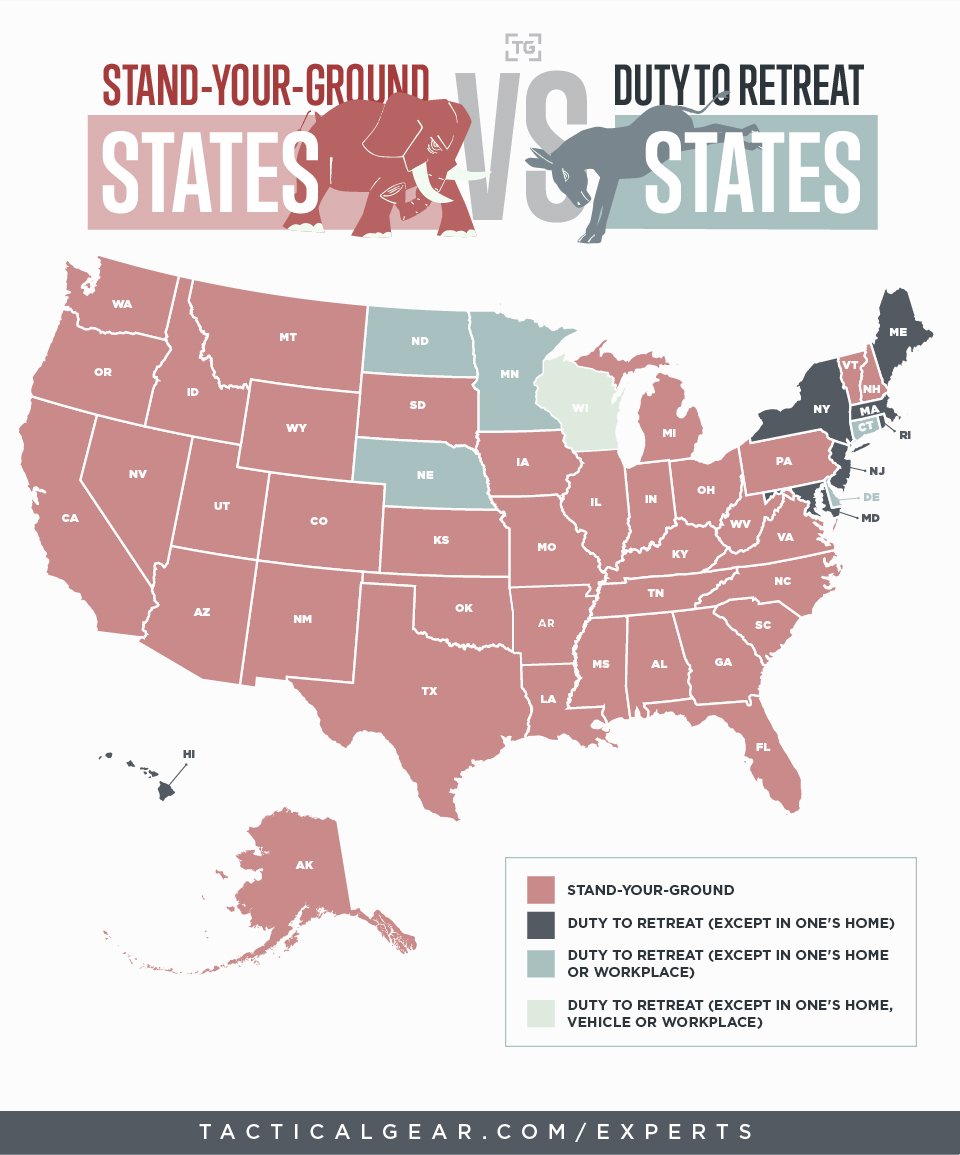
The legal framework for self-defense in Arizona is built upon principles that empower individuals to protect themselves and others from imminent harm. For travelers, this isn’t about encouraging confrontation but rather understanding the baseline expectations for personal safety within the state’s legal environment. Unlike some jurisdictions that may impose a “duty to retreat” before using force, Arizona embraces the idea that a person facing a credible threat of force, particularly deadly force, is not obligated to retreat from the situation if they are lawfully present where the threat occurs. This is a fundamental aspect of its “Stand Your Ground” philosophy.
The statutes governing self-defense in Arizona are outlined in the state’s revised statutes, specifically in Title 13, Chapter 4. These laws articulate when the use of physical force or deadly physical force is justifiable. Key among these provisions is the understanding that such force must be immediately necessary to prevent another’s use or attempted use of unlawful physical force. For deadly force, the threshold is higher, generally requiring a reasonable belief that such force is necessary to protect oneself or a third person against the other’s deadly physical force.
It’s crucial to distinguish between merely understanding your rights and acting recklessly. The law applies to situations where an individual genuinely believes they are in danger and acts reasonably given the circumstances. It does not provide a license for aggression or for escalating minor disputes. Tourists enjoying the sights of Flagstaff or the historic streets of Yuma should always prioritize de-escalation and avoiding potentially dangerous situations, but the knowledge that Arizona supports your right to defend yourself can be reassuring.
The Nuances of Justifiable Force
Arizona law makes clear distinctions about when different levels of force are justifiable.
- Physical Force: A person is justified in using physical force against another when and to the extent a reasonable person would believe it is immediately necessary to protect themselves against the other’s use or attempted use of unlawful physical force. This could apply to a range of scenarios, from fending off an assault to protecting property under specific conditions.
- Deadly Physical Force: The use of deadly physical force is justifiable under more stringent conditions. It is permitted when a reasonable person would believe it is immediately necessary to protect themselves against the other’s use or attempted use of deadly physical force. This often comes into play in situations involving threats to life or serious bodily injury.
These provisions are not abstract; they are the backbone of how self-defense cases are evaluated within the Arizona legal system. For any traveler, understanding these core principles means being aware of the general expectations for personal conduct and safety, helping you navigate your visit to the United States with greater confidence.
The Concept of “Stand Your Ground” and Arizona’s Approach
The term “Stand Your Ground” refers to a legal principle that states an individual has no duty to retreat from a situation before using force, including deadly force, in self-defense, provided they are lawfully present and not the aggressor. Arizona’s statutes explicitly embody this principle. Under A.R.S. § 13-405, a person is not required to retreat before using physical force or deadly physical force. This means that if you find yourself in a situation where you reasonably believe your life or safety is at risk, you are legally permitted to stand your ground and defend yourself without first attempting to escape the confrontation.
This aspect of Arizona law is particularly relevant for travelers who might be unfamiliar with their surroundings or find themselves in unexpected situations. Whether you’re enjoying an evening out in downtown Phoenix or exploring a remote trail in a state park, the knowledge that you don’t legally have to flee from a legitimate threat can be empowering. However, it’s vital to reiterate that this right comes with significant responsibilities and limitations. The use of force must always be reasonable and proportionate to the threat faced.
Differentiating “Stand Your Ground” from “Castle Doctrine”

While often discussed together, “Stand Your Ground” and “Castle Doctrine” are distinct but complementary legal principles in Arizona.
- Castle Doctrine: This principle primarily applies to one’s home or “castle.” It generally states that a person has the right to use reasonable force, including deadly force, to protect themselves or others against an intruder in their home, and typically presumes that an intruder intends harm. In Arizona, A.R.S. § 13-411 codifies aspects of the Castle Doctrine, extending protections to one’s residence, vehicle, or place of business. Within these locations, there is a strong presumption that an individual is in reasonable apprehension of death or serious bodily harm when confronted by an intruder.
- Stand Your Ground: This broadens the application of self-defense beyond the confines of one’s dwelling or vehicle. It means that the right to use necessary force in self-defense, without a duty to retreat, extends to any place where a person has a lawful right to be – be it a public street in Tucson, a hiking trail near Sedona, or a resort lobby in Mesa.
For tourists, the “Stand Your Ground” aspect is particularly relevant as they are often in public spaces or temporary accommodations. Understanding that the right to self-defense is not limited to their hotel room but extends throughout their lawful presence in the state provides a comprehensive safety context.
Key Elements for Travelers: What You Need to Know
For those traveling to or through Arizona, knowing about “Stand Your Ground” laws is just one piece of the puzzle for staying safe and informed. It integrates into a broader understanding of local customs, emergency procedures, and responsible conduct.
Preventing Conflict and Exercising Caution
The best defense is always prevention. While Arizona’s laws provide robust self-defense rights, avoiding situations that necessitate their application should be a top priority for any traveler.
- Awareness: Be mindful of your surroundings, especially in unfamiliar areas or late at night.
- De-escalation: If a situation feels tense, try to de-escalate it verbally or remove yourself if possible and safe to do so.
- Respect Local Customs: Engage respectfully with local communities, whether in Flagstaff’s downtown or a small town like Bisbee.
- Responsible Alcohol Consumption: Overindulgence in alcohol can impair judgment and make individuals more vulnerable or prone to misunderstandings.
These proactive measures greatly reduce the likelihood of needing to invoke self-defense principles. Arizona’s diverse attractions, from the vibrant arts scene in Tempe to the serene deserts of Saguaro National Park, offer enriching experiences that are best enjoyed with a focus on safety.
What to Do If a Situation Arises
Even with the best precautions, unforeseen circumstances can arise. If you ever find yourself in a situation where you believe self-defense is necessary, here are general guidelines:
- Act Reasonably: The law emphasizes “reasonable belief.” Your actions must be what a reasonable person would consider necessary under the same circumstances.
- Call 911: As soon as it is safe to do so, contact emergency services. Clearly state your location and the nature of the emergency.
- Cooperate with Authorities: When law enforcement arrives, cooperate fully. Provide a factual account of what happened, emphasizing that you acted in self-defense.
- Seek Legal Counsel: If you are involved in a self-defense incident, it is highly advisable to seek legal counsel promptly. A qualified attorney can help navigate the complexities of the legal system and protect your rights.
Understanding these steps ensures that while you are exercising your right to self-defense, you are also prepared for the legal aftermath.

Contextualizing Self-Defense for a Safe Arizona Experience
While the legal aspect of “Stand Your Ground” is an important piece of information for visitors, it should be viewed as part of a larger strategy for safe and enjoyable travel in Arizona. The state is overwhelmingly safe and welcoming, with friendly communities eager to share their culture and natural beauty. However, like any travel destination, being informed about local laws and emergency procedures enhances your overall experience.
For those planning to explore Arizona’s vast wilderness areas or its bustling urban centers, this knowledge becomes a tool for empowerment, not fear. It underscores the importance of personal responsibility and situational awareness, whether you’re stargazing in Sedona, exploring the historic sites of Tombstone, or enjoying the culinary delights of Phoenix. By understanding that Arizona provides the legal framework for individuals to defend themselves without a duty to retreat, travelers can feel more secure, knowing their rights are protected.
Ultimately, a memorable trip to Arizona is built on preparation, respect for local environments, and a comprehensive understanding of what to expect. Knowing the specifics of the “Stand Your Ground” law is another layer of valuable insight, allowing you to focus on the incredible adventures and experiences that await in this magnificent desert state.
LifeOutOfTheBox is a participant in the Amazon Services LLC Associates Program, an affiliate advertising program designed to provide a means for sites to earn advertising fees by advertising and linking to Amazon.com. Amazon, the Amazon logo, AmazonSupply, and the AmazonSupply logo are trademarks of Amazon.com, Inc. or its affiliates. As an Amazon Associate we earn affiliate commissions from qualifying purchases.