
Embarking on a journey across the Southwest United States often involves navigating the vast distances between its vibrant metropolises. Two of the most prominent cities in this region, Los Angeles, California, and Phoenix, Arizona, are frequently connected by travelers for business, leisure, or simply as a segment of a larger adventure. Understanding the precise distance, estimated travel times, and various transportation options is crucial for planning a seamless itinerary. While seemingly a straightforward question, the “how far” extends beyond mere mileage to encompass the complete travel experience.
The Direct Route: Mileage and Estimated Driving Time
For most travelers, the primary mode of transportation between Los Angeles and Phoenix is by car. The most direct and commonly used route spans approximately 370 to 380 miles (about 595 to 610 kilometers), largely via Interstate 10 (I-10) East. This major highway serves as a vital artery connecting Southern California with central Arizona, traversing through diverse desert landscapes.
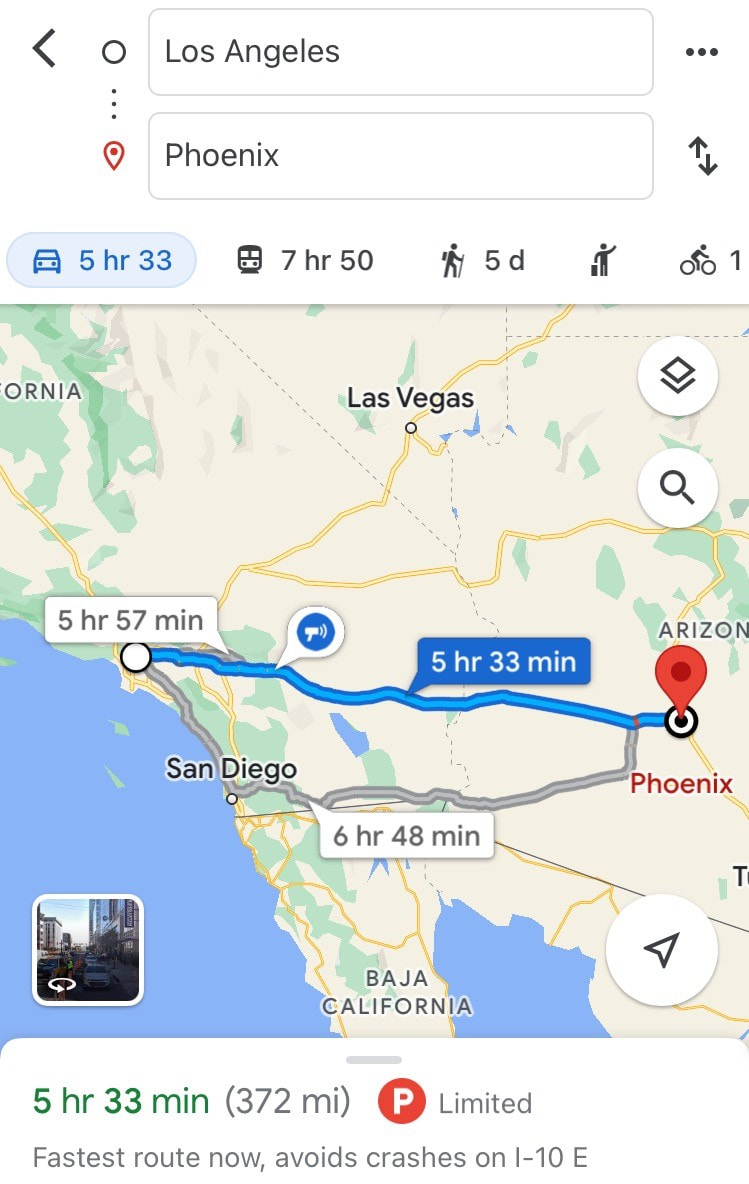
Under ideal driving conditions, with minimal traffic and adherence to speed limits, the journey typically takes about 5.5 to 6 hours. However, travelers should factor in several variables that can significantly impact this estimate. Traffic congestion is perhaps the most significant determinant, particularly when departing the sprawling urban area of Los Angeles or approaching the bustling metropolis of Phoenix. Peak travel times, such as weekday rush hours (6-9 AM and 3-6 PM PST/PDT in California and MST in Arizona) and holiday weekends, can easily add an hour or more to the total travel time. It’s often advisable to start the drive early in the morning to bypass the worst of the Los Angeles traffic and enjoy a smoother ride through the desert.
Another consideration is the need for rest stops, fuel refills, and meal breaks. While the desert stretch of I-10 offers several exits with services, planning these stops can help maintain momentum. Remember also the impact of speed limits, which generally range from 65 to 75 mph (105 to 120 km/h) on this route, and the potential for construction zones that can cause temporary slowdowns. Although Arizona observes Mountain Standard Time (MST) year-round and does not utilize Daylight Saving Time, there is typically no time change when traveling between Los Angeles and Phoenix during the summer months (when California is on Pacific Daylight Time (PDT), which is equivalent to MST). However, during winter months, Phoenix will be one hour ahead of Los Angeles (when California is on Pacific Standard Time (PST)). This subtle shift can be important for coordinating arrival times or appointments.
Alternative Travel Methods and Their Logistics
While driving is popular, several other transportation options exist for those looking to travel between Phoenix and Los Angeles, each with its own set of advantages and considerations regarding time, cost, and convenience.
Flying Between Phoenix and Los Angeles
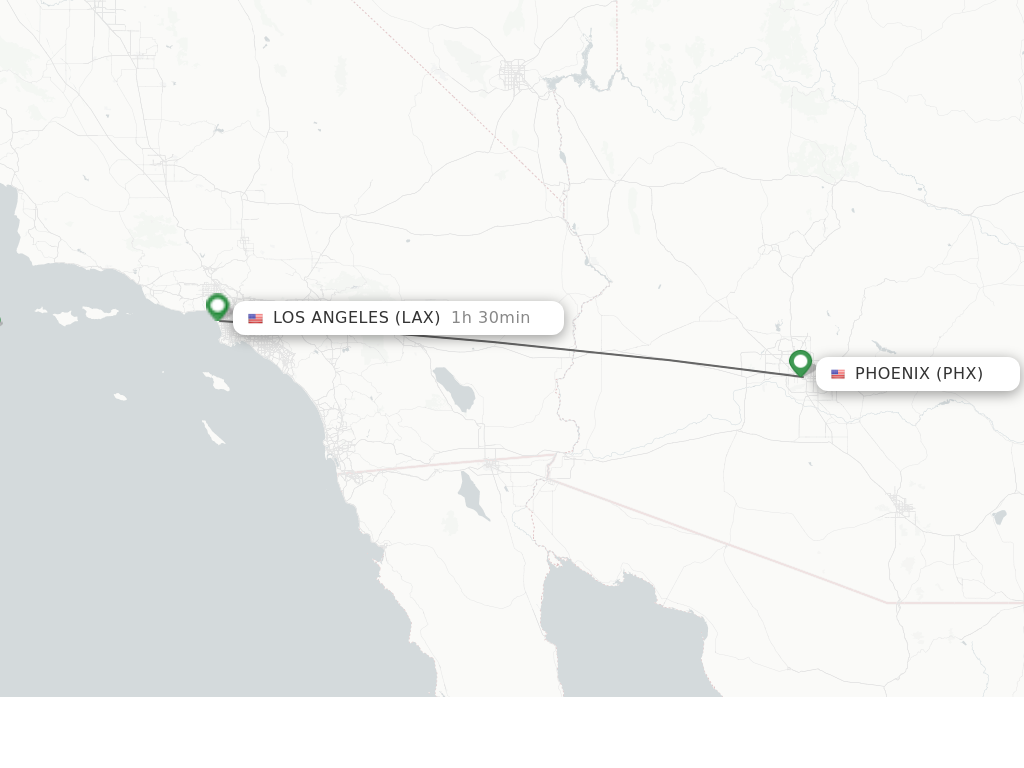
For travelers prioritizing speed, flying is undoubtedly the quickest way to cover the distance. Direct flights between Phoenix Sky Harbor International Airport (PHX) and Los Angeles International Airport (LAX) are frequent and typically have a flight duration of approximately 1 hour and 15 minutes to 1 hour and 30 minutes.
However, the total travel time associated with flying extends beyond just the time spent in the air. Passengers must account for travel to and from the airports, which can be substantial in both sprawling cities. Additionally, check-in, security screening, boarding procedures, and baggage claim can easily add another 2-3 hours to the overall journey. When all these factors are considered, the door-to-door travel time for flying can often rival or even exceed the time it takes to drive, especially for those living close to one city center and far from an airport. Cost-wise, airfares fluctuate greatly based on booking in advance, time of year, and airline choice, but they can often be more expensive than the cost of gas for driving, especially for solo travelers.
Bus Travel: An Economical Option
Bus services provide an economical alternative for travelers who prefer not to drive or fly. Companies like Greyhound and FlixBus offer multiple daily departures connecting the two cities. The travel time by bus is considerably longer than driving, typically ranging from 6.5 to 8 hours, depending on the specific route, number of stops, and traffic conditions.
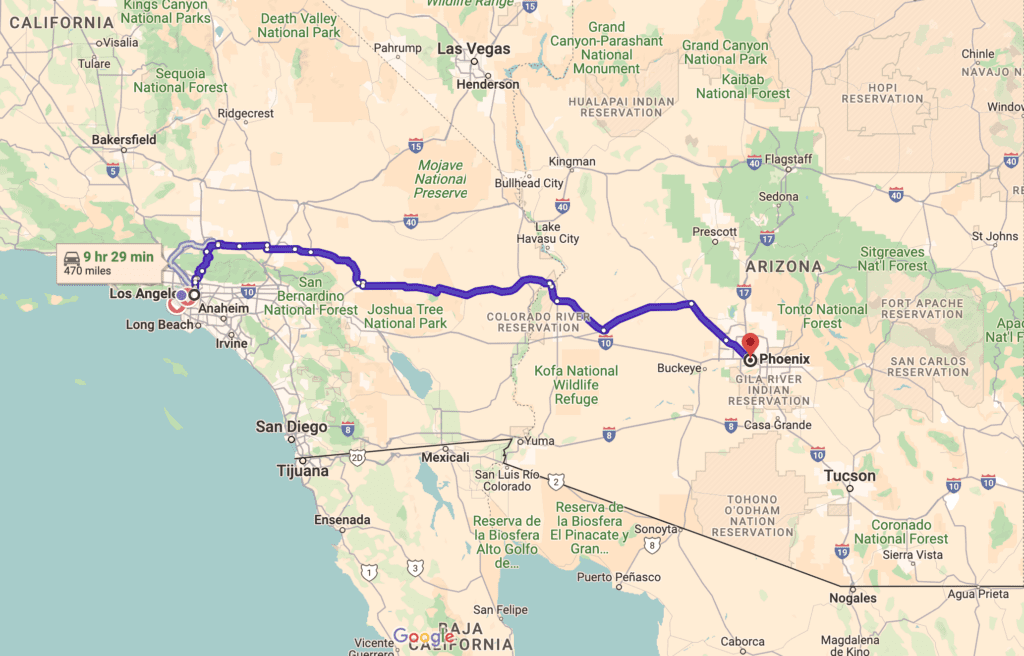
While bus travel might be slower, it offers the advantage of convenience, dropping passengers off directly in urban centers without the hassle of parking or navigating busy freeways. It’s an excellent option for budget-conscious travelers or those who prefer to sit back, relax, and enjoy the scenery without the responsibilities of driving. Amenities such as Wi-Fi and power outlets are often available, making the journey more comfortable and productive for some.
Train Journeys: Scenic but Slower
Train travel between Phoenix and Los Angeles presents a unique, albeit less direct, option. Amtrak offers service that requires a bit more planning due to the lack of a direct rail line into downtown Phoenix. Passengers typically take the Sunset Limited or Texas Eagle route, which bypasses Phoenix proper. The closest Amtrak stations for Phoenix-bound travelers are in Maricopa (about 30 miles south of Phoenix) or Tucson (further southeast). From these stations, travelers would need to arrange for an onward connection, such as an Amtrak Thruway bus service or a taxi/rideshare, to reach Phoenix itself.
Consequently, the total travel time by train can be significantly longer, often exceeding 10-12 hours when accounting for transfers. Despite the extended duration, train travel offers a distinct experience, allowing passengers to view the changing landscapes from a different perspective, with more room to stretch out and access to dining cars. It’s often chosen for the journey itself rather than for its efficiency, appealing to those who appreciate leisurely travel and panoramic views.
Planning Your California to Arizona Road Trip
For those opting for the quintessential Southwest road trip, a drive from Los Angeles to Phoenix offers more than just a means of getting from point A to point B. It’s an opportunity to experience the unique beauty of the Mojave Desert and the transition into Arizona’s Sonoran Desert.
Essential Stops and Scenic Detours
The direct route along I-10 is largely characterized by desert vistas, but there are several points of interest for those willing to take a slight detour or make a planned stop.
- Palm Springs: Just a couple of hours east of Los Angeles, this desert oasis is famous for its mid-century modern architecture, vibrant art scene, and relaxing resorts. It’s an ideal spot for an overnight stay or a leisurely lunch break.
- Cabazon Dinosaurs: A quirky roadside attraction featuring giant dinosaur sculptures, a popular spot for a quick photo opportunity and a nostalgic nod to classic American road trips.
- Joshua Tree National Park: While a detour north from I-10 adds an hour or two to the drive, this iconic national park is a must-see for nature enthusiasts. Its unique Joshua trees, rock formations, and clear night skies offer an unforgettable experience. Even a short drive through the park is breathtaking.
- Salvation Mountain and Bombay Beach: For those interested in offbeat art and abandoned landscapes, these sites near the Salton Sea offer a fascinating, albeit somewhat eerie, experience. This is a more significant detour but provides a glimpse into a different side of California.
What to Consider for a Smooth Journey
Preparation is key for any desert road trip. Ensure your vehicle is in good condition, with properly inflated tires and topped-off fluids. Given the often high temperatures, especially during summer, ample water and snacks are crucial for all occupants. Plan your fuel stops, as services can be sparse on some stretches of I-10. A reliable navigation system, either built-in or via a smartphone app, is essential, and it’s wise to download offline maps in case of areas with limited cell service. An emergency kit with jumper cables, a flashlight, and basic tools can also provide peace of mind. Lastly, be mindful of wildlife, especially at dusk and dawn, as desert animals can occasionally cross the road.
Why Make the Journey: Exploring Both Destinations
Beyond the logistics of travel, the journey between Los Angeles and Phoenix connects two distinct and appealing destinations, each offering a wealth of experiences. Los Angeles captivates with its glitz and glamour, from the iconic sights of Hollywood and the beaches of Santa Monica to world-class museums, diverse culinary scenes, and vibrant neighborhoods like Beverly Hills and the Arts District. Visitors can hike to the Griffith Observatory for panoramic city views, explore studio tours, or simply soak up the unique Southern California vibe.
Phoenix, on the other hand, is a desert metropolis celebrated for its stunning natural beauty, year-round sunshine, and a robust outdoor lifestyle. Travelers can explore the unique flora and fauna at the Desert Botanical Garden, hike Camelback Mountain or the trails in Papago Park, or indulge in rejuvenating spa treatments. The city also boasts an increasingly sophisticated culinary scene, impressive art galleries, and a rich Native American heritage. Whether seeking urban adventure or desert tranquility, the trip between these two major hubs promises a rewarding travel experience.
LifeOutOfTheBox is a participant in the Amazon Services LLC Associates Program, an affiliate advertising program designed to provide a means for sites to earn advertising fees by advertising and linking to Amazon.com. Amazon, the Amazon logo, AmazonSupply, and the AmazonSupply logo are trademarks of Amazon.com, Inc. or its affiliates. As an Amazon Associate we earn affiliate commissions from qualifying purchases.