
Embarking on a journey across Arizona offers travelers a unique tapestry of landscapes, from the vibrant desertscapes of the south to the iconic red rock formations further north. A common question for those planning an Arizona adventure is the distance between key destinations. Specifically, understanding the travel time and route from Tucson to Sedona is crucial for planning an efficient and enjoyable trip. While these two cities offer distinct experiences, the drive between them is an integral part of the Arizona travel narrative, revealing the state’s diverse beauty.
The Direct Route: Unveiling the Journey Between Desert and Red Rocks
The most straightforward path connecting Tucson to Sedona is primarily via interstate highways, offering a relatively smooth and well-maintained drive. This route takes travelers north from Tucson through the bustling metropolitan area of Phoenix before veering towards the scenic wonders of Sedona.
Key Highways and Estimated Duration
The primary artery for this journey is Interstate 10 (I-10) North from Tucson. Drivers will follow I-10 W towards Phoenix. As they approach the Phoenix area, the route typically involves transitioning to Interstate 17 (I-17) North. I-17 is the main highway that leads directly north from Phoenix towards Flagstaff, with exits for Sedona clearly marked. The most common exit for Sedona is Exit 298 (Highway 179), which winds through the scenic Village of Oak Creek directly into the heart of Sedona.
The total driving distance from downtown Tucson to central Sedona is approximately 230 to 250 miles (370 to 400 kilometers), depending on the exact starting and ending points within each city. The estimated driving time for this direct route, without significant stops, typically ranges from 3.5 to 4.5 hours. However, several factors can influence this duration:
- Traffic in Phoenix: The urban sprawl of Phoenix can significantly impact travel time, especially during peak commuter hours (early morning and late afternoon on weekdays). It’s advisable to plan your drive to avoid these times if possible.
- Road Construction: Arizona’s highways are subject to ongoing maintenance and expansion projects, which can lead to temporary delays.
- Weather Conditions: While Arizona is known for its sunny weather, monsoon season (typically July-September) can bring heavy rain and flash flooding, especially in desert areas. In winter, the higher elevations approaching Sedona can experience snow, although this is less common on I-17 itself until you reach Flagstaff.
- Necessary Stops: Fuel, restroom breaks, and meals will naturally add to the overall travel time.
For an optimal experience, consider starting your drive in the late morning after Phoenix rush hour or planning an early morning departure from Tucson to bypass city traffic.
Exploring the Journey: Scenic Detours and Memorable Experiences
While the direct route is efficient, the drive from Tucson to Sedona offers numerous opportunities for scenic detours and cultural enrichment that can transform a mere drive into an unforgettable road trip. These stops allow travelers to break up the journey, stretch their legs, and discover more of Arizona’s hidden gems.
Through the Heart of Phoenix and Beyond
Passing through Phoenix can be more than just a transit point. If time permits, the metropolitan area offers attractions like the Desert Botanical Garden or the Musical Instrument Museum. However, for those keen to continue north, the real charm of the journey lies once you’re clear of the city traffic.
Continuing on I-17 North, the landscape gradually shifts from the flat desert basin surrounding Phoenix to more undulating terrain, with saguaro cacti eventually giving way to mesquite and juniper trees as elevation increases.
Historic and Natural Wonders Along I-17
One of the most popular and worthwhile stops on the way to Sedona is the Montezuma Castle National Monument. Located just a short drive off I-17 near Camp Verde (Exit 287), this remarkably preserved ancient cliff dwelling offers a fascinating glimpse into the lives of the Sinagua people who inhabited the Verde Valley over 800 years ago. The monument features an impressive five-story, 20-room dwelling nestled into a towering limestone cliff, a true testament to early engineering and resourcefulness. It’s an easy and enriching stop that typically takes 1-1.5 hours.
Nearby, also in the Camp Verde area, travelers can explore Montezuma Well, a natural limestone sinkhole fed by an underground spring. This unique hydrological feature has sustained human habitation for thousands of years and offers tranquil trails and archaeological sites.

For those interested in wine tasting, the Verde Valley Wine Trail near Cottonwood and Page Springs provides an unexpected culinary detour. A collection of wineries and tasting rooms offer a chance to sample local Arizona wines amidst scenic vineyards, adding a sophisticated touch to the desert journey. This detour requires a bit more time but offers a unique experience before reaching Sedona’s red rocks.
Practical Travel Tips for Your Arizona Drive
Preparing adequately for the drive from Tucson to Sedona ensures a smooth and enjoyable experience. Arizona presents unique driving conditions, from intense sun to varying elevations.
Best Time to Travel
- Seasons: The shoulder seasons of spring (March-May) and fall (September-November) are generally considered the best times to visit Arizona. Temperatures are pleasant in both Tucson and Sedona, making driving and outdoor activities comfortable. Summers (June-August) can be extremely hot, especially in Phoenix and Tucson, potentially leading to discomfort and increased strain on vehicles. Winters (December-February) are mild in Tucson but can bring cooler temperatures and occasional snow to Sedona and the higher elevations along I-17.
- Time of Day: As mentioned, avoid driving through Phoenix during peak commuter hours. Mid-morning departures (after 9 AM) or early afternoon (after 1 PM) are often ideal.
Vehicle Preparation and Essentials
- Vehicle Check: Ensure your vehicle is in good working order. Check tire pressure, fluid levels (especially coolant due to desert heat), and brakes.
- Air Conditioning: A functioning air conditioning system is vital for comfort, particularly during warmer months.
- Navigation: While cellular service is generally good along I-17, consider downloading offline maps on your smartphone or GPS device as a backup, especially if you plan detours to more remote areas.
- Water and Snacks: Carry plenty of water, particularly during the summer, to stay hydrated. Snacks are also advisable, especially if you plan to make fewer stops.
- Sun Protection: Sunscreen, hats, and sunglasses are recommended even while driving, given Arizona’s intense sun.
- Emergency Kit: A basic emergency kit including jumper cables, a first-aid kit, and a flashlight is always a good idea.
Accommodation and Dining Along the Way
While the drive can be done in a single stretch, for those wishing to extend the journey or split it over two days, Phoenix offers a vast array of accommodation options. Further north, towns like Camp Verde and Cottonwood also provide more modest lodging choices and local dining experiences. Fast-food establishments and gas stations are plentiful along I-17, especially in larger towns and at major exits. For more unique culinary experiences, consider researching local eateries in Phoenix or the Verde Valley for a lunch stop.
Why Make the Trip? Attractions in Sedona and Tucson
The journey itself is only part of the appeal; the destinations of Tucson and Sedona are compelling reasons to undertake this scenic drive. Each city offers a distinct Arizona experience, making the combination a well-rounded travel itinerary.
Sedona’s Allure: Red Rocks and Spiritual Energy
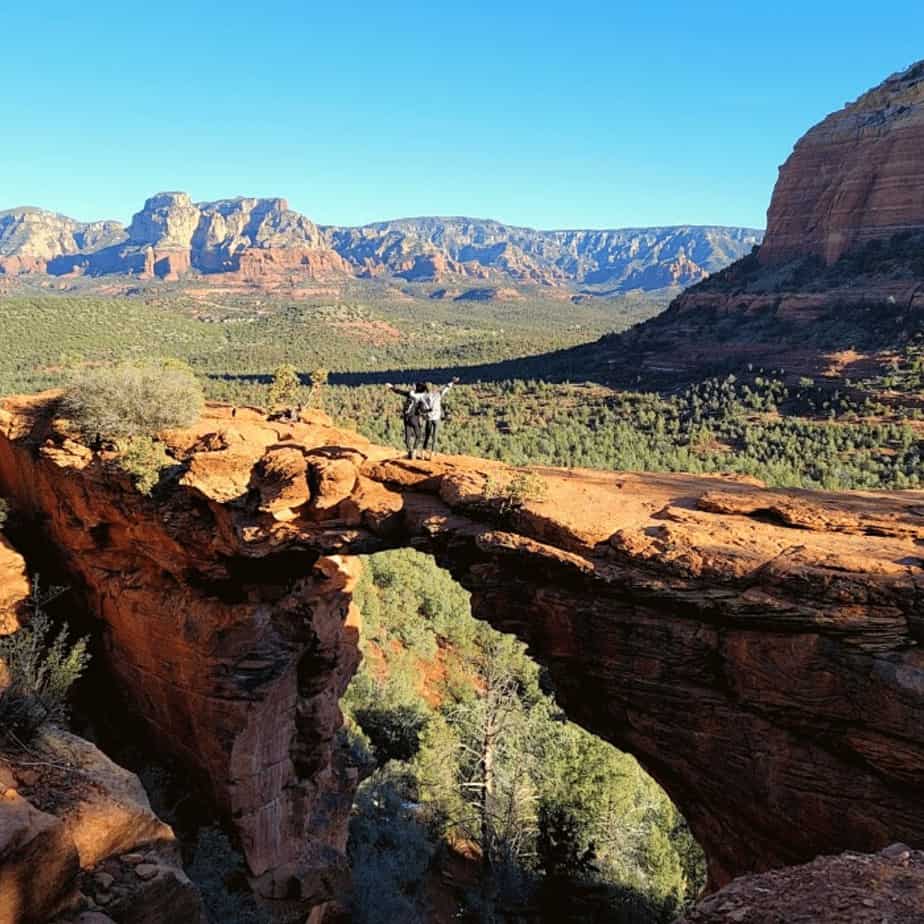
Sedona is world-renowned for its breathtaking red rock scenery, vibrant arts community, and spiritual energy vortexes. Travelers are drawn to its stunning natural beauty, which provides a backdrop for a myriad of outdoor activities.
- Hiking and Biking: Trails abound for all skill levels, from the easy Airport Mesa Loop (a popular vortex site) to challenging climbs like Cathedral Rock and Boynton Canyon.
- Scenic Drives: Red Rock Scenic Byway (Highway 179) and Oak Creek Canyon Scenic Road offer incredible vistas directly from your car.
- Spiritual and Wellness: Many visit Sedona for its reputed spiritual energy, engaging in yoga, meditation, energy healing, and visits to specific vortex sites.
- Arts and Culture: The town boasts numerous art galleries, shops featuring local crafts, and cultural events. The unique Chapel of the Holy Cross, built into the red rocks, is an architectural marvel and a spiritual landmark.

Tucson’s Charm: Desert Wonders and Historic Culture
Tucson, on the other hand, embodies the quintessential Sonoran Desert experience, blending rich history, vibrant culture, and unparalleled natural beauty.
- Saguaro National Park: Divided into two districts flanking the city, Saguaro National Park is home to the majestic saguaro cactus, an icon of the American Southwest. Visitors can hike, drive scenic loops, and explore the unique desert ecosystem.
- Arizona-Sonora Desert Museum: Often described as one of the best zoos in the world, this facility combines a zoo, botanical garden, art gallery, natural history museum, and aquarium focused exclusively on the Sonoran Desert region.
- Historic Downtown and Presidio: Tucson’s downtown area boasts historic architecture, vibrant murals, and a thriving culinary scene, recognized as a UNESCO City of Gastronomy. The Presidio San Agustín del Tucson Museum offers a glimpse into the city’s Spanish colonial past.
- Mission San Xavier del Bac: Known as the “White Dove of the Desert,” this historic Spanish Catholic mission, founded in 1692, is a stunning example of Spanish colonial architecture and a living testament to Tucson’s deep cultural roots.
The drive from Tucson to Sedona is more than just covering distance; it’s an opportunity to traverse the varied and beautiful landscapes of Arizona, experiencing everything from bustling urban centers to ancient historical sites, culminating in two of the state’s most iconic and contrasting destinations. With proper planning, this journey can be a highlight of any Arizona travel itinerary.
LifeOutOfTheBox is a participant in the Amazon Services LLC Associates Program, an affiliate advertising program designed to provide a means for sites to earn advertising fees by advertising and linking to Amazon.com. Amazon, the Amazon logo, AmazonSupply, and the AmazonSupply logo are trademarks of Amazon.com, Inc. or its affiliates. As an Amazon Associate we earn affiliate commissions from qualifying purchases.