
Arizona, a state renowned for its breathtaking desert landscapes, vibrant cities, and iconic natural wonders, is remarkably well-connected by air. While the precise count can vary slightly depending on the inclusion of private strips versus public facilities, the Arizona Department of Transportation (ADOT) oversees a system of 67 public-use airports. This extensive network comprises international gateways, bustling regional hubs, and numerous smaller general aviation facilities, all playing a crucial role in supporting travel, tourism, commerce, and community connectivity across the diverse terrain of the Grand Canyon State. For any traveler planning an adventure to this southwestern gem, understanding this aviation infrastructure is key to a seamless and enriching experience.
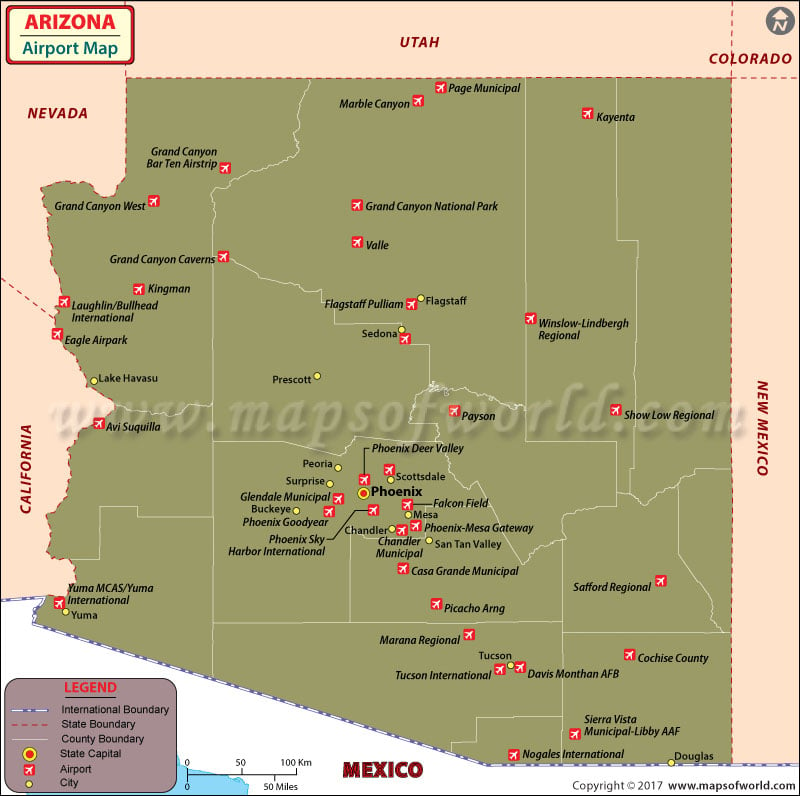
Arizona’s Aviation Landscape: A Gateway to the Southwest
The air transportation system in Arizona is a vital artery, funnelling millions of visitors and residents annually through its various entry points. It’s designed not just to serve the major metropolitan areas but also to provide access to remote regions and facilitate economic development throughout the state. From the bustling runways of its international airports to the quieter airstrips nestled near national parks, each facility contributes to the accessibility and dynamic character of Arizona. This comprehensive system underscores the state’s commitment to facilitating both domestic and international travel, making it an increasingly popular destination for both leisure and business.
The Major Commercial Hubs
At the heart of Arizona’s air travel are its major commercial airports, which serve as primary entry points for the vast majority of visitors. These facilities are equipped to handle large passenger volumes, offering a wide array of domestic and international flights, extensive amenities, and robust ground transportation options.
- Phoenix Sky Harbor International Airport (PHX): Unquestionably the largest and busiest airport in Arizona, Sky Harbor serves the greater Phoenix metropolitan area. It’s a major hub for several airlines and offers non-stop service to hundreds of destinations across the United States, Canada, Mexico, and even Europe. For many travelers, PHX is the first taste of the desert southwest, boasting modern terminals, diverse dining, and easy access to downtown Phoenix, Scottsdale, and other surrounding communities. Its efficiency and capacity make it a critical component of Arizona’s tourism and business infrastructure.
- Tucson International Airport (TUS): Located south of Phoenix, Tucson International Airport is the second-largest commercial airport in the state. Serving the vibrant city of Tucson and southern Arizona, TUS provides direct flights to numerous key domestic destinations, making it a convenient option for those exploring the region’s unique culture, history, and natural beauty, including the nearby Saguaro National Park and the Sonoran Desert.
- Phoenix–Mesa Gateway Airport (AZA): Formerly a military airbase, Phoenix–Mesa Gateway Airport has transformed into a thriving commercial reliever airport for Sky Harbor. Situated in Mesa, it primarily caters to low-cost carriers, offering an alternative for travelers heading to the East Valley or looking for budget-friendly flight options. Its growth has significantly expanded air travel capacity for the entire Phoenix metropolitan area.
Essential Regional Airports
Beyond the major international hubs, a network of regional airports ensures that even the more secluded or specialized destinations within Arizona are accessible by air. These airports typically serve smaller aircraft and offer commuter flights, charter services, and general aviation support.
- Flagstaff Pulliam Airport (FLG): Serving northern Arizona and the popular mountain city of Flagstaff, FLG is crucial for travelers visiting the Grand Canyon, Sedona, and the state’s ski resorts. It offers direct connections to major hubs like Phoenix and Dallas/Fort Worth, bridging the gap between urban centers and Arizona’s natural attractions.
- Yuma International Airport (YUM): Located in southwestern Arizona, Yuma International Airport is an important gateway for snowbirds, agricultural interests, and military personnel due to its proximity to the Marine Corps Air Station Yuma. It connects travelers to the warmer climate and recreational opportunities of the Yuma region.
- Grand Canyon National Park Airport (GCN): Uniquely positioned just outside the South Rim entrance of the Grand Canyon National Park, GCN offers limited commercial service but is primarily used for scenic air tours over the Grand Canyon. It’s an indispensable point of access for those wishing to experience the canyon from above or for quick transfers to nearby lodges.
Navigating Arizona’s Diverse Terrain via Air
Arizona’s vast and varied geography, from sprawling deserts to pine forests and deep canyons, makes air travel an invaluable tool for exploration. The strategic placement of its numerous airports means that no matter where your Arizona adventure takes you, there’s likely an airport within a reasonable distance to facilitate your journey. This interconnectedness is a testament to the state’s forward-thinking approach to infrastructure and its understanding of the needs of modern travelers.
Connecting to Iconic Destinations
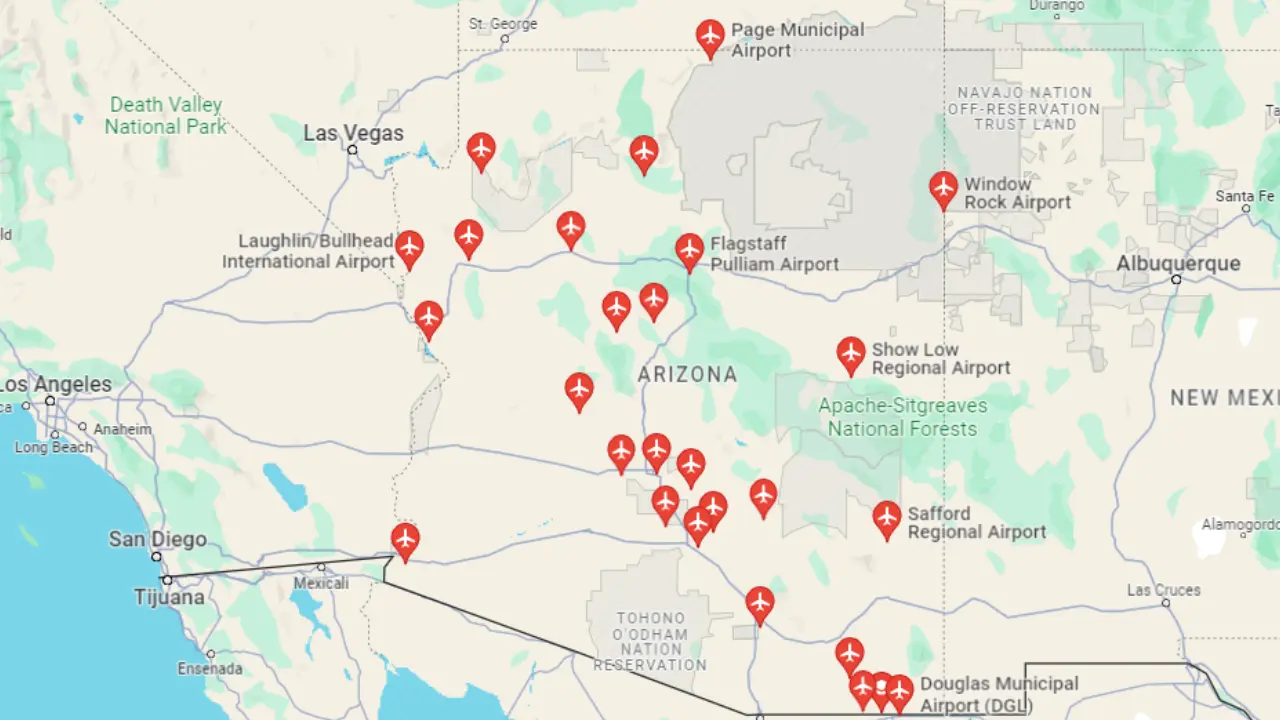
The airport network is meticulously designed to provide convenient access to Arizona’s most celebrated destinations. Landing at PHX or TUS puts you within easy driving distance of urban attractions, world-class golf courses, and luxury resorts. For natural wonders, regional airports become essential. FLG serves as a direct link to the cool climes of the San Francisco Peaks, the red rocks of Sedona, and the majestic Grand Canyon. Similarly, smaller airfields near popular fishing lakes, hiking trails, or historical sites enhance access for those seeking niche experiences. This ensures that whether travelers are seeking cultural immersion in Old Town Scottsdale or solitude in the Painted Desert, the path by air is clear.
Enhancing Rural Accessibility
Beyond the well-trodden tourist paths, Arizona’s numerous general aviation airports are vital for connecting rural communities and supporting essential services. Many smaller towns across the state rely on these local airfields for medical transport, emergency services, cargo delivery, and general connectivity. For adventurers, these airports open up possibilities for exploring lesser-known areas, facilitating access to state parks, wilderness areas, and native tribal lands that might otherwise be difficult to reach. This comprehensive network ensures that residents and visitors alike can navigate the state’s expansive and often rugged terrain efficiently and safely, truly unlocking all corners of Arizona.
Beyond Commercial Flights: General Aviation and Private Travel
While commercial aviation caters to the masses, a significant portion of Arizona’s 67 public airports are dedicated to general aviation (GA). These facilities serve a diverse array of users, from private pilots and corporate jets to flight training schools and air ambulance services. The GA infrastructure is a cornerstone of the state’s aviation ecosystem, offering flexibility, efficiency, and specialized services not found at larger commercial hubs.
Facilitating Business and Leisure
General aviation airports provide an invaluable resource for business travelers requiring direct access to specific locations, bypassing the larger commercial airports’ congestion and schedules. Corporate jets and charter flights can land closer to their final destination, optimizing travel time and efficiency. For leisure travelers, private and charter services offer an unparalleled level of convenience and luxury, enabling bespoke itineraries that might include multiple stops at remote lodges, private ranches, or exclusive resorts. Moreover, numerous air tour operators utilize GA airports to provide scenic flights over Arizona’s incredible landscapes, offering unique perspectives on wonders like Monument Valley or the Hoover Dam.
Supporting Aviation Education and Industry
Arizona’s clear skies and abundant flying days make it an ideal location for flight training. Many GA airports host flight schools, attracting aspiring pilots from around the world. Institutions like Embry-Riddle Aeronautical University in Prescott or the various flight academies in the Phoenix area significantly contribute to the global aviation workforce. These airports also support a robust aerospace industry, providing facilities for aircraft maintenance, repair, and manufacturing. This symbiotic relationship between education, industry, and the airport infrastructure strengthens Arizona’s position as a leading state in aviation innovation and development.
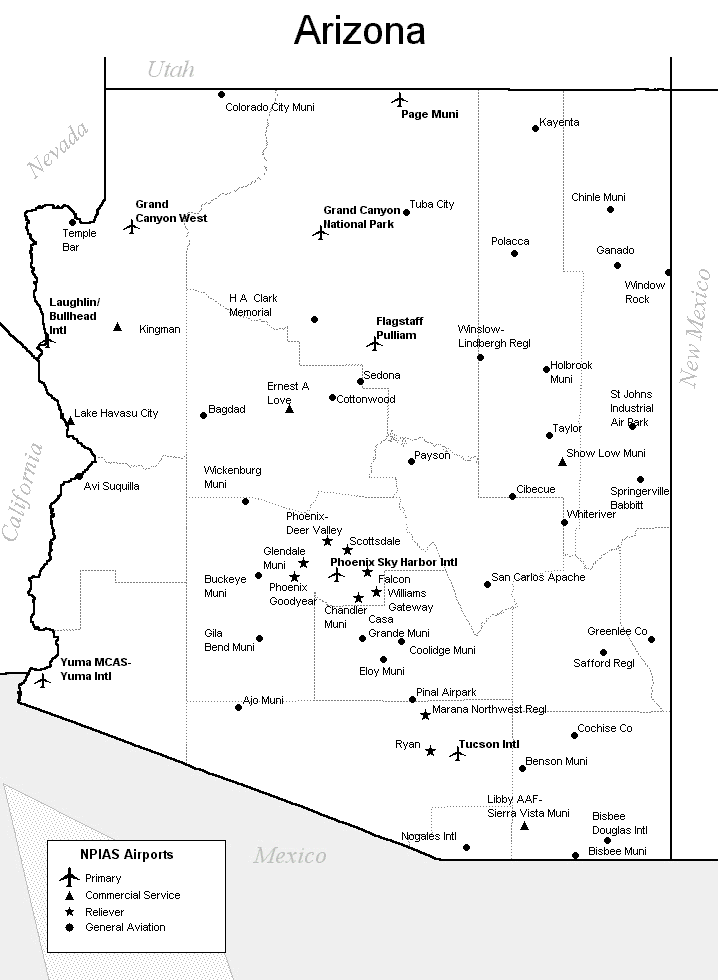
Planning Your Arizona Adventure: Airport Considerations
When planning your trip to Arizona, selecting the right airport is a crucial first step that can significantly impact your travel experience. Consider your final destination within the state, your budget, and your preferences for ground transportation.
- If your primary destination is Phoenix, Scottsdale, or the central part of the state, Phoenix Sky Harbor International Airport (PHX) offers the most direct flights and broadest range of rental car options. Phoenix–Mesa Gateway Airport (AZA) might offer more affordable flights with budget carriers, especially if you’re heading to the East Valley or don’t mind a slightly longer drive to central Phoenix.
- For southern Arizona and areas around Tucson, Tucson International Airport (TUS) is your best bet, offering convenience and a less crowded experience than PHX.
- If your itinerary includes the Grand Canyon, Sedona, or other northern Arizona attractions, flying into Flagstaff Pulliam Airport (FLG) can save you several hours of driving. Alternatively, flying into PHX and enjoying a scenic drive north is also a popular choice. For those seeking immediate proximity to the Grand Canyon, the limited commercial flights or scenic tours from Grand Canyon National Park Airport (GCN) could be an option.
In summary, Arizona boasts a robust and comprehensive air transportation system with its 67 public-use airports. This network is far more than just a collection of runways; it’s an intricate web that makes the state’s vast beauty and diverse opportunities accessible to everyone, from international tourists to local residents. Whether you’re arriving for a bustling city escape, a serene desert retreat, or a thrilling adventure in the high country, Arizona’s airports serve as essential launchpads for unforgettable journeys.
LifeOutOfTheBox is a participant in the Amazon Services LLC Associates Program, an affiliate advertising program designed to provide a means for sites to earn advertising fees by advertising and linking to Amazon.com. Amazon, the Amazon logo, AmazonSupply, and the AmazonSupply logo are trademarks of Amazon.com, Inc. or its affiliates. As an Amazon Associate we earn affiliate commissions from qualifying purchases.