
The decision to pursue a career as a Registered Nurse (RN) is often driven by a desire to help others and secure a stable, rewarding profession. For those considering a move or starting their nursing journey in the Southwest, understanding the earning potential in Arizona is crucial for lifestyle planning and career trajectory. The Grand Canyon State offers a unique blend of vibrant cities, stunning natural landscapes, and a growing healthcare sector, all of which contribute to the demand for skilled nursing professionals.
Understanding the Earning Landscape for RNs in Arizona
The salary an RN earns in Arizona is influenced by a complex interplay of factors, including experience, education, specialization, and geographic location within the state. While national averages provide a general benchmark, local economic conditions, cost of living, and the specific demands of Arizona’s healthcare market shape the real income potential.

For aspiring and current nurses, grasping these financial nuances is key to making informed decisions about their professional and personal future. A competitive salary not only reflects the value of nursing skills but also enables a comfortable lifestyle, financial stability, and opportunities for personal growth and leisure in a state known for its outdoor activities and diverse culture.
Average Salaries and National Context
On average, Registered Nurses in Arizona typically earn salaries that are competitive, aligning with or slightly exceeding the national average, depending on the data source and the specific year. While precise figures fluctuate, the annual mean wage for RNs often falls within a range that positions Arizona as an attractive state for nursing professionals. This competitive pay is a significant draw, especially when considering the relatively lower cost of living in many parts of the state compared to coastal regions. Understanding this average is a good starting point, but delving deeper into the variables that can significantly boost or somewhat diminish this figure is essential for a comprehensive lifestyle assessment.
Key Factors Influencing RN Salaries in Arizona
Several critical elements contribute to the wide range of salaries observed among Registered Nurses across Arizona. Recognizing and leveraging these factors can significantly impact an RN’s earning potential and, consequently, their lifestyle.
Experience and Education
Experience is paramount in the nursing profession. Entry-level RNs with an Associate Degree in Nursing (ADN) or a Bachelor of Science in Nursing (BSN) will start at the lower end of the pay scale. As nurses gain years of experience, their salaries tend to increase substantially. Seasoned RNs with five or more years in the field, especially those in leadership roles or specialized units, can command significantly higher wages.
Education also plays a pivotal role. While an ADN allows a nurse to become licensed, a BSN is increasingly preferred by healthcare employers and often comes with a higher starting salary. Furthermore, pursuing a Master of Science in Nursing (MSN) or a Doctor of Nursing Practice (DNP) can open doors to advanced practice roles—such as Nurse Practitioners, Clinical Nurse Specialists, or Nurse Anesthetists—which boast some of the highest salaries in the nursing field. These advanced degrees not only enhance earning potential but also offer greater autonomy and a more specialized career path, directly impacting an individual’s long-term lifestyle and financial security.
Specialization and Certifications
Certain nursing specializations are in higher demand and, therefore, command higher salaries. Critical Care, Emergency Room, Operating Room, Oncology, and Neonatal Intensive Care Unit (NICU) nurses often earn more due to the specialized skills and high-stress environments associated with these areas. Holding specific certifications within these specializations (e.g., CCRN for critical care) further validates expertise and can lead to increased compensation. These certifications demonstrate a commitment to excellence and advanced knowledge, making nurses more valuable assets to healthcare facilities and enabling a more comfortable and rewarding lifestyle.
Location within Arizona
Geographic location within Arizona has a pronounced effect on RN salaries. Major metropolitan areas like Phoenix and Tucson typically offer higher wages compared to more rural or less populous regions. This is primarily due to the higher cost of living in urban centers, greater demand from larger hospital systems, and a more competitive job market.
- Phoenix Metropolitan Area: As the state capital and largest city, Phoenix and its surrounding suburbs (e.g., Mesa, Chandler, Scottsdale) generally offer the highest salaries for RNs. The concentration of major hospitals, academic medical centers, and specialized clinics creates a robust job market with competitive pay scales.
- Tucson: Tucson, [Arizona’s](https://lifeoutofthe LizzyBox.com/arizona) second-largest city, also provides strong earning opportunities, though they might be slightly lower than in Phoenix. It benefits from major healthcare systems and a growing population.
- Rural and Northern Arizona: Areas like Flagstaff, Yuma, or smaller towns in northern Arizona may offer lower base salaries. However, some rural hospitals might provide incentives like housing assistance or sign-on bonuses to attract nurses, especially in underserved areas. While the base pay might be lower, the significantly reduced cost of living in these areas can sometimes translate into comparable or even higher disposable income, impacting lifestyle choices differently.
Healthcare Facility Type

The type of healthcare facility also plays a role in salary differentiation. Hospitals, particularly large, Magnet-recognized, or academic medical centers, tend to offer the most competitive salaries and benefits packages. These institutions often have the resources to invest more in their nursing staff and attract top talent.
Other employers, such as outpatient clinics, physician’s offices, long-term care facilities, schools, or home health agencies, might offer slightly lower salaries but can provide different work environments, schedules, and patient populations that appeal to specific RNs. Government agencies, such as the Department of Veterans Affairs (VA), also offer competitive salaries and comprehensive benefits, often based on a structured pay scale.
Comparing Arizona RN Salaries to National Averages
When evaluating RN salaries in Arizona, it’s important to consider them in context with national averages and the state’s cost of living. Generally, Arizona nurses can expect to earn a salary that is either on par with or slightly above the national average.
However, the real value of an Arizona RN salary often comes into sharper focus when accounting for the cost of living. While housing costs in major metropolitan areas like Phoenix and Scottsdale have risen, they remain generally more affordable than in comparable large cities in states like California or New York. This means that an Arizona RN’s take-home pay can often stretch further, providing greater purchasing power and enabling a more comfortable lifestyle. The absence of state income tax on certain types of income can also positively impact disposable income for some residents, contributing to a more favorable financial outlook for nurses in the state.
Maximizing Earning Potential as an Arizona RN
For Registered Nurses in Arizona looking to enhance their lifestyle through increased earnings, several strategies can be employed. Proactive career management and continuous professional development are key.
Advanced Degrees and Continuous Education
Pursuing an advanced degree, such as an MSN or DNP, is arguably the most impactful way to boost earning potential. These degrees qualify nurses for advanced practice roles like Nurse Practitioner (NP), Certified Registered Nurse Anesthetist (CRNA), or Clinical Nurse Specialist (CNS), which command significantly higher salaries. Even a BSN over an ADN can lead to better pay and more career opportunities. Beyond formal degrees, continuous education through workshops, seminars, and specialized training keeps nurses abreast of the latest medical advancements and demonstrates a commitment to their profession.
In-Demand Specializations
Focusing on specializations known for high demand and complexity can lead to better compensation. Areas such as critical care, emergency medicine, operating room, and informatics often offer premium pay due to the specialized skills and stressful nature of the work. Obtaining certifications in these fields further solidifies expertise and negotiating power.
Negotiation Skills
Many nurses overlook the power of salary negotiation. Researching typical salaries for their experience level, education, and specialization in their desired geographic area equips nurses with the data needed to negotiate effectively. Highlighting unique skills, certifications, and experience during the interview process can lead to a more favorable starting salary or a significant raise.
Per Diem and Travel Nursing
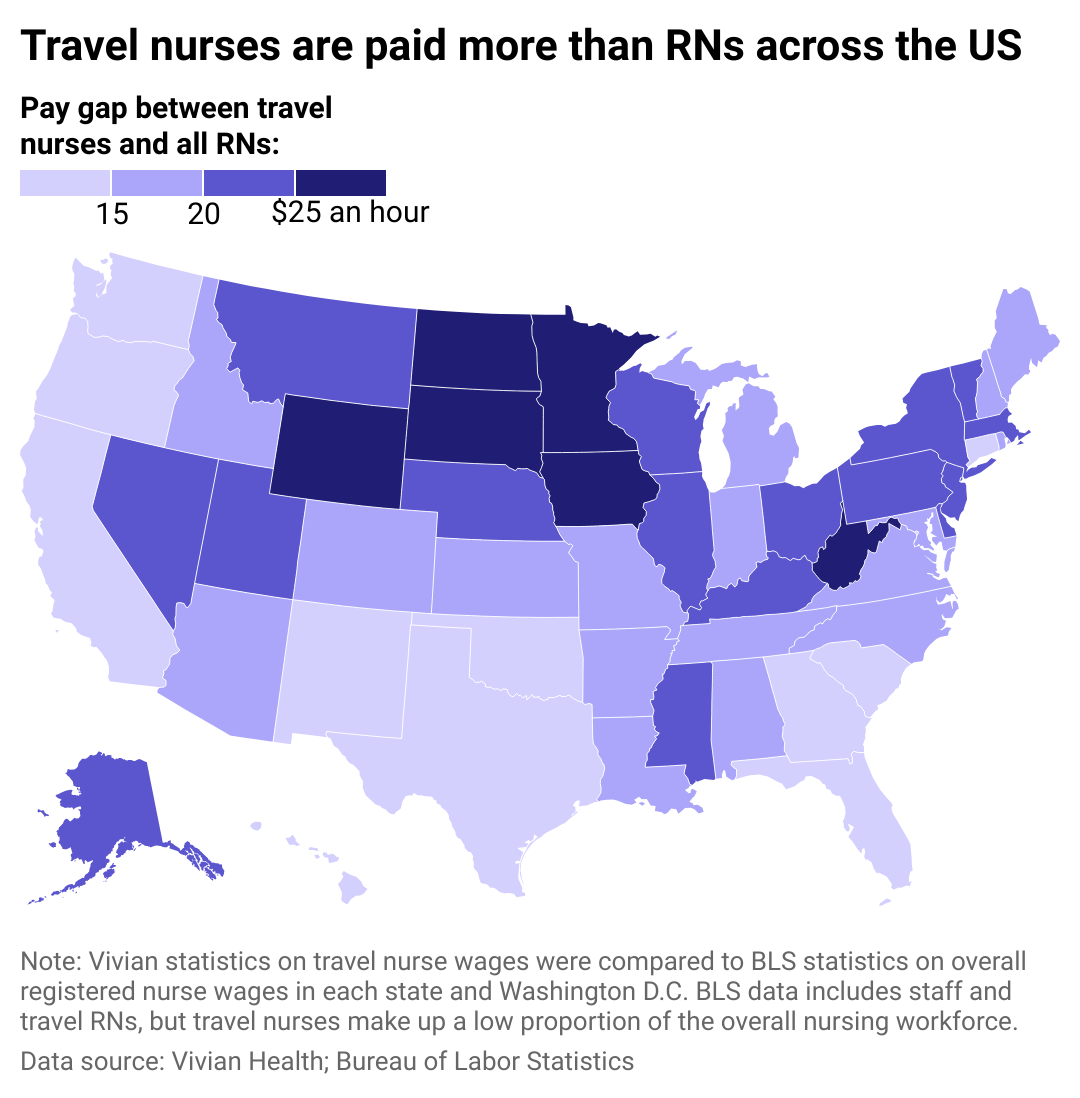
While not a permanent career path for all, working per diem (as needed) or engaging in travel nursing contracts within Arizona can offer substantially higher hourly rates. Per diem shifts often pay a premium for flexibility and filling immediate staffing needs. Travel nursing, where RNs take temporary assignments in facilities across the state or nation, provides attractive compensation packages, often including housing stipends and benefits, making it an excellent option for those seeking to maximize income over a shorter period or explore different healthcare environments.
The Lifestyle Implications of an RN Salary in Arizona
An RN salary in Arizona offers more than just financial stability; it underpins a diverse range of lifestyle choices and opportunities. The generally competitive wages, combined with the state’s unique offerings, create an attractive proposition for nursing professionals.
With a solid RN income, nurses can afford comfortable housing, whether in a bustling Phoenix suburb or a more serene Prescott community. The ability to manage daily expenses without undue financial stress contributes significantly to overall quality of life. Beyond necessities, the salary allows for investment in personal passions and well-being. Arizona’s abundant sunshine and natural beauty—from hiking in the Sonoran Desert to exploring the Grand Canyon—become accessible leisure activities. Nurses can pursue hobbies, enjoy dining experiences, engage in community events, and plan for future financial goals, such as retirement or further education.
The stability and growth potential within the nursing field in Arizona also provide peace of mind, allowing RNs to build a secure foundation for themselves and their families. This security, coupled with the opportunity to make a tangible difference in patients’ lives, makes nursing in Arizona a compelling career and lifestyle choice.
LifeOutOfTheBox is a participant in the Amazon Services LLC Associates Program, an affiliate advertising program designed to provide a means for sites to earn advertising fees by advertising and linking to Amazon.com. Amazon, the Amazon logo, AmazonSupply, and the AmazonSupply logo are trademarks of Amazon.com, Inc. or its affiliates. As an Amazon Associate we earn affiliate commissions from qualifying purchases.