
The allure of a winter wonderland often draws travelers to destinations where the crisp air and picturesque snow-covered landscapes offer a unique charm. For many, a spontaneous snowfall can be the perfect serendipitous element to an already planned trip, transforming familiar sights into something magical. When considering a visit to a place like Denver, Colorado, understanding its climatic patterns, particularly the likelihood of snow, becomes an essential part of trip planning. Whether you’re an avid skier eager to hit the slopes, a photographer seeking breathtaking winter scenes, or simply a traveler hoping for that classic snowy ambiance, knowing the real-time weather is paramount. This guide aims to provide insights into when and why snow might be falling in Denver, helping you gauge current conditions and prepare for your journey.

Understanding Denver’s Winter Climate
Denver, often referred to as the “Mile High City” due to its elevation of 5,280 feet above sea level, experiences a semi-arid climate that is characterized by distinct seasons. While it’s renowned for its sunshine, it also receives a significant amount of snowfall, particularly during the winter months. The city’s geographical location at the foot of the Rocky Mountains plays a crucial role in its weather patterns, often influencing storm tracks and precipitation types.
Average Snowfall and Timing
On average, Denver receives around 57 inches of snow annually. The bulk of this snowfall typically occurs between October and April, with the snowiest months often being March and April, which can sometimes surprise visitors expecting winter to be long over. The early season snow in October or November can be fleeting, while the late-season snows in April can be substantial and impactful. Understanding these averages provides a general expectation, but real-time conditions can deviate significantly. The frequency and intensity of snow events are highly variable from year to year. Some winters are marked by frequent, heavy snowfalls, while others are relatively dry.
Factors Influencing Snowfall in Denver
Several meteorological factors contribute to snowfall in Denver. The most common scenario involves a “Colorado Low,” a storm system that develops or intensifies in the southern Rockies and moves eastward. These systems can tap into moisture from the Pacific Ocean, bringing significant precipitation to the region. Another common pattern is the arrival of cold air from the north, which, when combined with an upslope wind event along the Front Range, can lead to heavy snowfall, particularly in areas west of the city. The city’s elevation also means that even when temperatures are on the cusp of freezing, precipitation is more likely to fall as snow rather than rain.
Real-Time Snowfall Information for Travelers
For travelers with immediate plans or those considering a last-minute trip, obtaining up-to-the-minute information about snowfall in Denver is essential. This allows for timely adjustments to travel plans, packing strategies, and activity choices.
Official Weather Sources
The most reliable sources for real-time weather information are official meteorological agencies and reputable weather forecasting services. The National Weather Service (NWS) provides detailed forecasts, current conditions, and severe weather alerts for Denver and the surrounding areas. Their website offers radar imagery that can visually track precipitation, including snowfall, as it moves into the region. Many commercial weather apps and websites also pull data from the NWS and present it in a user-friendly format, often including live radar, hourly forecasts, and detailed condition reports.
Transportation Updates
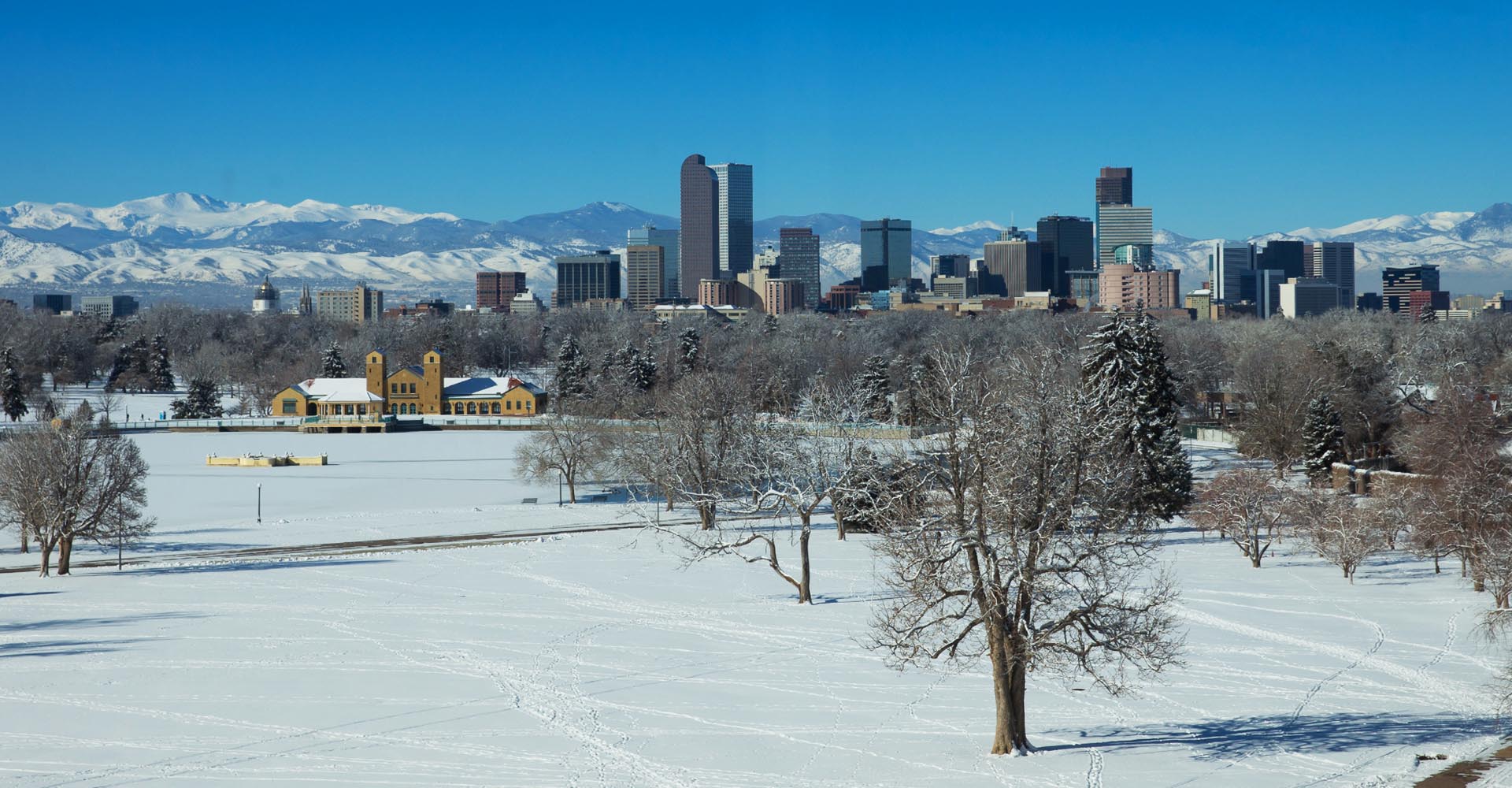
If snow is actively falling in Denver, it can significantly impact transportation. Flights arriving at or departing from Denver International Airport (DEN) may experience delays or cancellations. It is crucial for travelers to check with their airline for the most current flight status. Similarly, road conditions can deteriorate rapidly. The Colorado Department of Transportation (CDOT) provides real-time updates on highway conditions, including closures and travel advisories, which are invaluable for anyone driving in or near the city. Snowfall can also affect public transportation services, so checking with the Regional Transportation District (RTD) for bus and light rail updates is advisable.
Local Observances and Webcams
Beyond official reports, local news outlets often provide live updates, especially during significant weather events. Many hotels and businesses in Denver also offer webcams that provide live video feeds of their surroundings. These can offer an immediate, visual confirmation of whether it’s snowing and how heavy the accumulation is. Observing the city through these live feeds can give travelers a direct sense of the conditions on the ground, complementing the data from weather forecasts.
Preparing for Snow in Denver
Should your travel plans coincide with snowfall in Denver, being prepared will ensure a more comfortable and enjoyable experience. This involves adapting your itinerary, packing appropriately, and being aware of potential impacts on your activities.
Packing Essentials for Snowy Weather
When packing for a trip to Denver during the winter months, or if snow is forecast, layering is key. Essential items include:
- Waterproof Outerwear: A warm, waterproof jacket and pants are crucial for staying dry and comfortable when spending time outdoors.
- Insulated Footwear: Waterproof boots with good traction are vital for navigating snowy and icy sidewalks. Consider bringing warm socks made of wool or synthetic materials.
- Headwear and Gloves: A warm hat that covers your ears and insulated, waterproof gloves will protect you from the cold.
- Scarves or Neck Gaiters: These help to seal in warmth and protect your face from biting winds.
- Moisturizers and Lip Balm: Cold, dry air can wreak havoc on skin, so bringing hydrating products is recommended.
Adapting Your Itinerary
The presence of snow can enhance many Denver experiences, while others might require adjustments.
- Skiing and Snowboarding: If you’re visiting Denver for its world-class ski resorts in the nearby Rocky Mountains, snowfall is generally a welcome sight. Resorts like Vail, Breckenridge, and Aspen often see excellent conditions following significant snow events. However, travel to these resorts from Denver may be affected by road conditions.
- Urban Exploration: Exploring Denver’s vibrant downtown, museums like the Denver Art Museum, or the historic Larimer Square can still be very enjoyable in the snow. The city often does a good job of clearing major thoroughfares and sidewalks, but be prepared for potentially slower movement and the need for warmer clothing.
- Scenic Drives: While some scenic routes in the mountains might become temporarily inaccessible due to snow, others can offer breathtaking winter vistas. Always check road conditions and weather advisories before embarking on any drive.

Safety Considerations
Driving in snowy conditions requires extra caution. If you are renting a car, ensure it is equipped for winter driving, ideally with all-wheel drive or four-wheel drive. If driving becomes hazardous, consider using ride-sharing services or public transportation. Always allow extra travel time when snow is present. For those staying in accommodations, be aware of the potential for icy walkways and take care when entering and exiting buildings. Many hotels in Denver, such as the Brown Palace Hotel and Spa, are well-prepared to manage snowy conditions and often provide guest assistance.
Ultimately, whether it’s snowing in Denver, Colorado right now, the city offers a dynamic and rewarding travel experience year-round. Understanding the weather patterns and being prepared for winter’s embrace can turn a potential inconvenience into an unforgettable part of your adventure.
LifeOutOfTheBox is a participant in the Amazon Services LLC Associates Program, an affiliate advertising program designed to provide a means for sites to earn advertising fees by advertising and linking to Amazon.com. Amazon, the Amazon logo, AmazonSupply, and the AmazonSupply logo are trademarks of Amazon.com, Inc. or its affiliates. As an Amazon Associate we earn affiliate commissions from qualifying purchases.