
Navigating the commute from the Garden State to the Big Apple is a daily reality for many, and understanding the most efficient and enjoyable ways to make this journey is crucial. Whether you’re a seasoned commuter or a first-time visitor looking to explore the vibrant offerings of New York City from your New Jersey base, a variety of transportation options exist. Each mode offers a unique perspective and set of advantages, catering to different priorities such as speed, cost, comfort, and the sheer experience of crossing into one of the world’s most iconic metropolises.
The Commuter Rail Advantage: NJ Transit
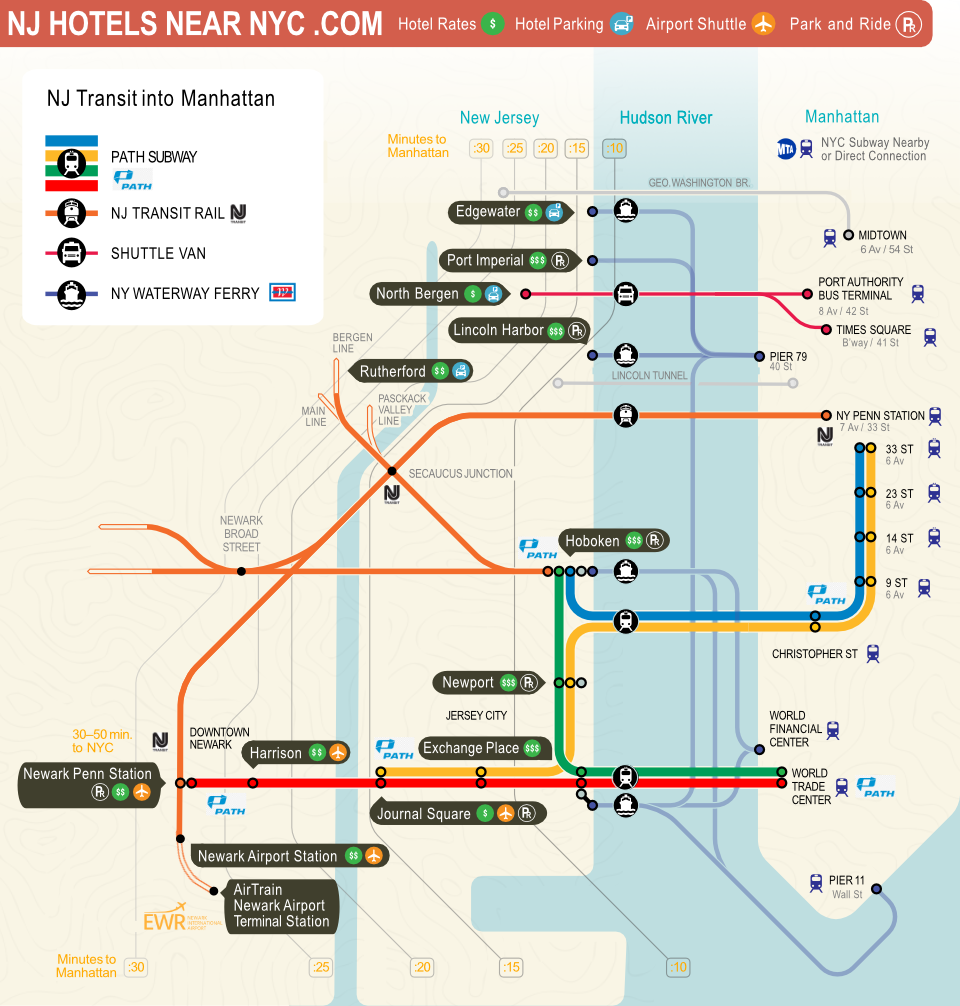
For many, the most predictable and often stress-free method of travel between New Jersey and New York City is by train. NJ Transit operates an extensive network of commuter rail lines that connect numerous points across New Jersey directly to New York Penn Station in the heart of Manhattan. This subterranean hub serves as a gateway to countless subway lines, taxis, and walking routes, facilitating onward travel within the city.
Key NJ Transit Lines and Stations
The primary lines feeding into New York Penn Station are:
- The Northeast Corridor Line: This is a major artery, serving stations from Trenton, Princeton Junction, Newark, and Elizabeth, all the way to Manhattan. It’s known for its speed and frequency, especially during peak hours.
- The North Jersey Coast Line: For those residing in the shore towns or points further south, this line offers a scenic route, connecting coastal communities with a direct link to New York Penn Station.
- The Morris & Essex Lines: Serving communities in northern New Jersey, these lines split into the Gladstone Branch and the Montclair-Boonton Line, both ultimately leading to Manhattan.
- The Montclair-Boonton Line: This line offers extensive service across northern New Jersey, with many trains originating from towns like Montclair and passing through stations like Secaucus Junction, where transfers are possible.
- The Pascack Valley Line: Connecting Bergen County, New Jersey, to Manhattan, this line provides direct service for residents in the northwestern part of the state.
- The Main Line: Serving towns west of Hackensack, this line also terminates at New York Penn Station.
Ticketing and Schedules
NJ Transit offers various ticket options, including one-way fares, round trips, and monthly or weekly passes, which can be cost-effective for frequent travelers. Tickets can be purchased at station ticket machines, vending machines, or through the NJ Transit mobile app. It’s advisable to check the latest schedules and any potential service advisories on the NJ Transit website or app, as train times can vary. Traveling during off-peak hours can often result in lower fares and a more relaxed journey.
The Bus Network: Affordable and Accessible Options
For commuters seeking an alternative to the train or whose starting point is not conveniently located near a rail station, the bus network provides a viable and often more budget-friendly solution. Several bus companies operate routes from various New Jersey locations into New York City, primarily terminating at the Port Authority Bus Terminal in Midtown Manhattan.
Major Bus Operators
- NJ Transit Buses: Similar to its rail service, NJ Transit also operates an extensive bus network crisscrossing New Jersey and heading into Manhattan. These routes often serve areas not directly covered by rail lines and offer a flexible way to reach the city. Popular routes include the 110, 126, and 161.
- Private Bus Lines: Companies like Academy Bus and OurBus offer private bus services that can sometimes provide more amenities, such as Wi-Fi and more comfortable seating, along with a range of routes that can be competitive with NJ Transit. These services often focus on specific corridors and commuter needs.
The Port Authority Bus Terminal Experience
The Port Authority Bus Terminal is one of the busiest bus terminals in the world, a hub of activity that connects passengers to the vast subway system, taxis, and other forms of urban transit. While the terminal itself can be bustling, it’s a vital nexus for travel into New York City. Planning your onward journey from the terminal using a subway map or ride-sharing app is recommended.
Driving Across the River: Bridges and Tunnels
For those who prefer the flexibility of their own vehicle, driving into New York City from New Jersey is certainly an option, albeit one that comes with significant considerations. The primary routes involve crossing the Hudson River via bridges or tunnels.
Key Crossing Points
- The George Washington Bridge: This iconic suspension bridge connects Fort Lee, New Jersey, to Upper Manhattan. It’s a major artery and can experience heavy traffic, especially during peak commuting hours.
- The Lincoln Tunnel: This underwater tunnel connects Weehawken, New Jersey, to Midtown Manhattan. It’s a direct route into a central part of the city but is also prone to significant congestion.
- The Holland Tunnel: Another underwater tunnel, it links Jersey City, New Jersey, to Lower Manhattan. It provides access to the downtown business district and the financial center.
- The Outerbridge Crossing: Connecting Perth Amboy, New Jersey, to Staten Island, this bridge is less direct for Manhattan-bound travelers but can be useful for accessing certain parts of the outer boroughs.
Tolls and Traffic Management
All of these crossings involve tolls, which can vary depending on the time of day and the direction of travel. Payment is typically electronic via E-ZPass or by mail for those without an transponder. New York City also has congestion pricing initiatives, which may affect drivers entering certain zones. Traffic in and around New York City can be notoriously bad, so allotting ample extra time is essential. Parking in Manhattan is also a significant expense and can be challenging to find.
The Waterway Option: Ferries
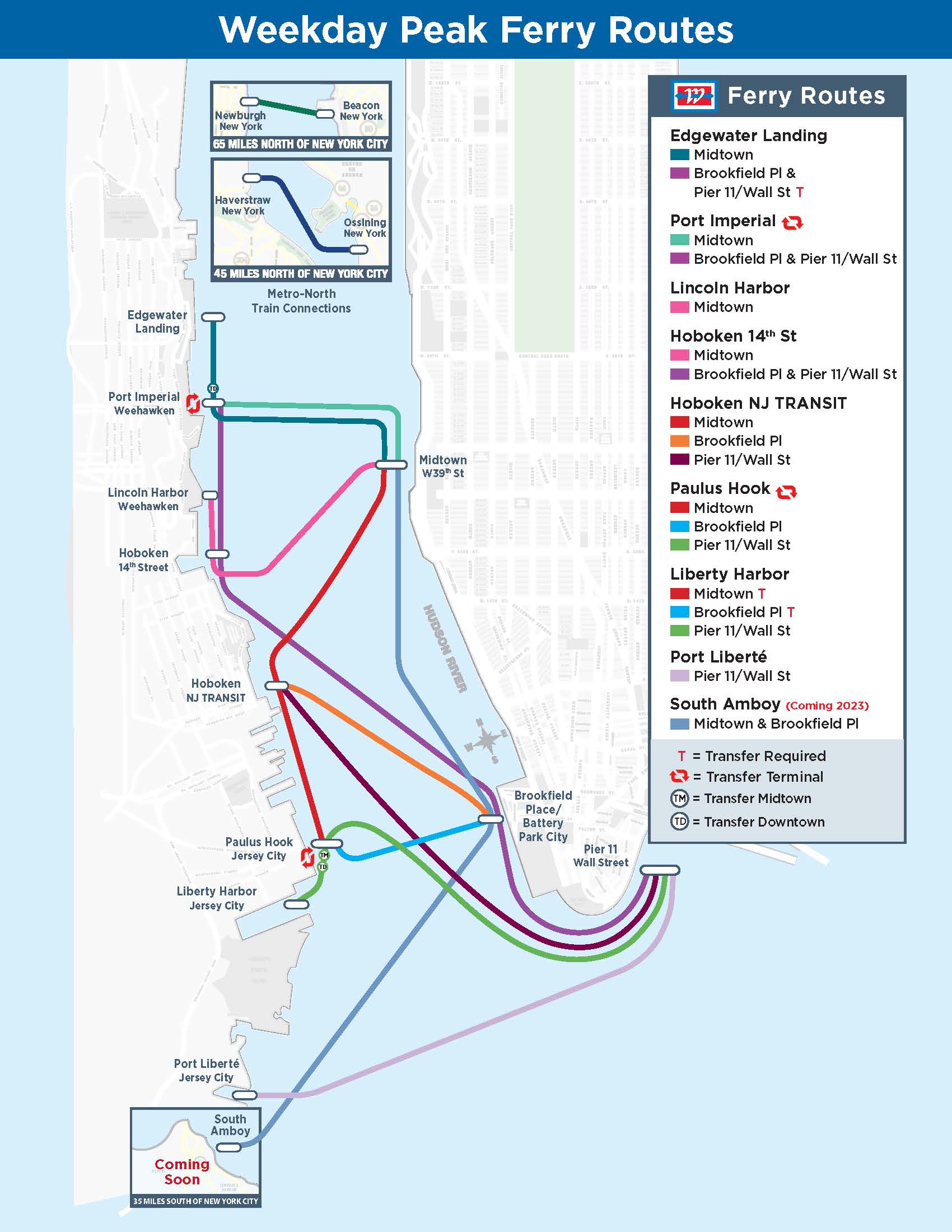
A more scenic and often less stressful alternative to roads and rail is the ferry service. Several ferry routes connect various points in New Jersey directly to Manhattan, offering beautiful views of the New York City skyline and the Hudson River as you travel.
Popular Ferry Services
- NY Waterway: This is a prominent ferry operator with routes connecting towns like Hoboken, Weehawken, Jersey City, and Edgewater in New Jersey to various Manhattan ferry terminals, including West 39th Street, Pier 11/Wall Street, and Brookfield Place. They often offer shuttle bus connections from their Manhattan terminals to key subway and transit hubs.
- Seastreak: While primarily known for its longer routes to destinations like New England, Seastreak also operates commuter services from certain New Jersey locations, offering a comfortable and scenic commute.
Ferry Advantages
Ferries can be a delightful way to begin your day in New York City, avoiding road congestion entirely. They offer a unique perspective on the cityscape and provide a moment of tranquility before diving into the urban hustle. While often slightly more expensive than a bus ticket, the experience and the time saved from traffic can make it a worthwhile investment for many. Checking ferry schedules and terminal locations is key to planning a smooth journey.
Ride-Sharing and Taxis: Door-to-Door Convenience
For ultimate door-to-door convenience, especially for groups or those with luggage, ride-sharing services and traditional taxis offer a direct link from New Jersey to New York City. Companies like Uber and Lyft operate extensively in New Jersey and can be booked to pick you up and drop you off at your desired location within Manhattan.

Considerations for Ride-Sharing and Taxis
While convenient, this mode of transport is generally the most expensive, especially for longer distances. The cost can escalate quickly with surge pricing during peak hours. Furthermore, the journey will be subject to the same traffic conditions as private vehicles, so travel times can be unpredictable. It’s important to ensure that the ride-sharing service or taxi can legally pick up passengers in your New Jersey location and drop them off within designated areas of New York City. For cross-state trips, drivers may have specific policies or fare structures.
Choosing the right method to get from New Jersey to New York City depends heavily on your personal preferences, budget, and the specific locations you are traveling between. Each option provides a unique gateway to the vibrant experiences that await in Manhattan and beyond.
LifeOutOfTheBox is a participant in the Amazon Services LLC Associates Program, an affiliate advertising program designed to provide a means for sites to earn advertising fees by advertising and linking to Amazon.com. Amazon, the Amazon logo, AmazonSupply, and the AmazonSupply logo are trademarks of Amazon.com, Inc. or its affiliates. As an Amazon Associate we earn affiliate commissions from qualifying purchases.