
When planning a trip to the vast landscapes and vibrant cities of Arizona, understanding local laws and customs is paramount for a smooth and respectful experience. Among the many considerations, the rules surrounding recording conversations can be particularly nuanced, often leading to confusion for visitors unfamiliar with state-specific regulations. For those eager to capture every moment, whether through photos, videos, or audio recordings, knowing Arizona’s stance on consent for recording is a crucial tip for navigating the Grand Canyon State responsibly.
Understanding Recording Laws in Arizona for Tourists
The legal landscape concerning the recording of conversations varies significantly across the United States. Some states operate under a “two-party consent” rule, while others adhere to “one-party consent.” This distinction is vital, as it dictates whether you need permission from all parties involved in a conversation before recording it. For tourists traveling through Arizona, getting this right can prevent misunderstandings and potential legal issues, ensuring your focus remains on enjoying the state’s unique attractions.
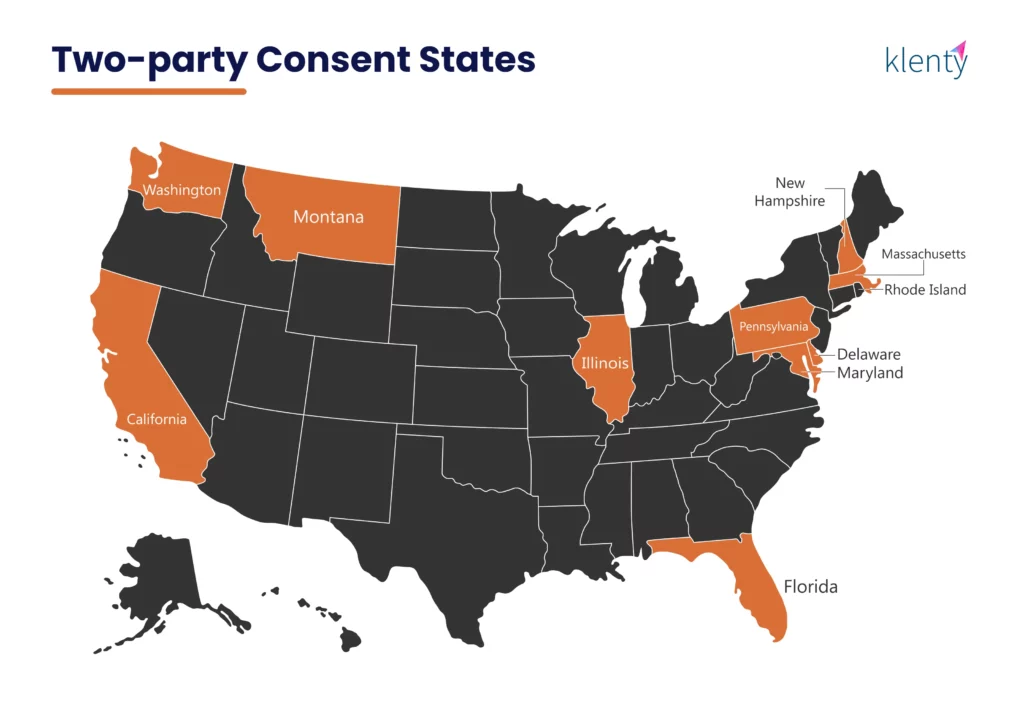
What is “Two-Party Consent”?
A “two-party consent” (or all-party consent) state requires that all individuals involved in a conversation give their permission before it can be legally recorded. This means if you are speaking with someone, and you wish to record the discussion, you must explicitly inform them of your intention and receive their agreement. Without this universal consent, the recording could be deemed illegal, potentially leading to civil lawsuits or even criminal charges, depending on the jurisdiction and specific circumstances. The rationale behind such laws is to protect individuals’ privacy and their reasonable expectation that private conversations will remain private. For tourists coming from such states, the instinct might be to seek consent for every recording, even in Arizona.
Arizona’s Stance: One-Party Consent
Contrary to many other states, Arizona is a “one-party consent” state when it comes to recording conversations. This means that you are legally permitted to record a conversation as long as you are a party to that conversation, or if you have obtained the consent of at least one party to the conversation. In simpler terms, if you are participating in a conversation, you can record it without informing the other person or persons involved. You are considered the “one party” whose consent is sufficient.
This rule applies to both in-person conversations and telephone calls. However, it is critical to understand the nuances. This law does not grant permission to surreptitiously record conversations to which you are not a party. For instance, placing a recording device in a room to capture a conversation you are not part of, or listening in on a private phone call, would generally be illegal unless one of the participants in that conversation has consented to your recording. The “one-party consent” rule is specifically about your participation or the consent of a participant you are acting on behalf of. This distinction is crucial for tourists, especially those using recording devices for travel vlogs or capturing interactions.
Important Distinctions: Audio vs. Video Recording
While the “one-party consent” rule primarily applies to audio recordings of conversations, it’s important to consider how video recording might differ, particularly in the context of tourism. When you’re filming in public spaces like Grand Canyon National Park, Sedona‘s red rock trails, or the bustling streets of Old Town Scottsdale, individuals generally have a reduced expectation of privacy. Therefore, filming people in public without their explicit consent is often permissible, provided the filming isn’t intrusive or harassing.
However, once a video recording includes audio of a private conversation, Arizona’s one-party consent rule for audio recordings comes into play. If your video camera captures a conversation you are participating in, the “one-party consent” rule applies to the audio portion. If you capture a conversation between others that you are not a party to, even if it’s within a video recording, the legality can become questionable if none of the participants have consented. This fine line means that while you might be free to video record the scenic beauty and general public activity, consciously capturing specific private conversations without consent, even incidentally, warrants careful consideration.
Practical Implications for Visitors to Arizona
Understanding the legal framework is one thing; applying it practically while enjoying your Arizona vacation is another. Tourists often interact with many people and environments, from tour guides and restaurant staff to fellow travelers and street performers. Knowing where and when you can record legally can enhance your travel experience and prevent potential complications.
Public vs. Private Spaces
The distinction between public and private spaces is fundamental to recording laws. In public areas, generally accessible to the public, such as parks, streets, museums, and publicly accessible parts of government buildings, there is a lower expectation of privacy. This means you typically have more freedom to record both audio and video, especially if you are recording general scenes and not targeting specific individuals for private conversations. For example, filming the crowds at a festival in Phoenix or capturing the natural sounds of a hike in Havasupai is generally acceptable.
Conversely, private spaces, even those open to the public for specific purposes, come with higher expectations of privacy. This includes businesses, private homes, restrooms, fitting rooms, and non-public areas of establishments. While Arizona is a one-party consent state for conversations, this rule doesn’t grant unfettered access to record within private establishments without permission. A business owner, for instance, has the right to set rules regarding recording on their private property, even if it’s a place where the public is invited. Ignoring such rules could lead to requests to leave the premises or even trespassing charges.
Expectations of Privacy

The concept of “expectation of privacy” is central to recording laws. In public settings, people generally do not have a reasonable expectation that their actions or conversations will remain private. However, even in public, certain situations might imply a higher expectation of privacy. For example, two individuals having an intimate conversation in a secluded corner of a park might reasonably expect a degree of privacy, even if technically in a public space. While Arizona’s one-party consent allows you to record a conversation you are part of, being mindful of others’ privacy can prevent awkward encounters or complaints. Always consider the context and the nature of the interaction.
Consent in Specific Situations (e.g., Businesses, Tours)
When dealing with businesses, tour operators, or service providers in Arizona, it’s always prudent to inquire about their recording policies. Many businesses, especially those dealing with sensitive information or personal services, may have explicit rules against recording on their premises. This could include medical offices, legal consultations, or even certain retail environments. Tour companies operating adventures around Lake Havasu City or through the Sonoran Desert might also have specific guidelines regarding recording, particularly if it involves safety briefings or interactions with sensitive wildlife.
While Arizona law permits you to record a conversation you are a party to, respecting the policies of private entities is crucial. Asking “Do you mind if I record this for my travel blog?” is a simple courtesy that can save you trouble, even if not legally required by the state’s one-party consent rule. This approach fosters good relationships and shows respect for local businesses and their operations.
Navigating Ethical Considerations and Best Practices
Beyond the legalities, there are ethical considerations and best practices that can significantly improve your interactions and ensure a more positive travel experience in Arizona. Good judgment and respect for others often go further than simply adhering to the letter of the law.
When in Doubt, Ask
The simplest and most effective rule of thumb is: when in doubt, ask for permission. Even though Arizona is a one-party consent state, explicitly asking for consent before recording, especially in personal interactions, demonstrates respect and thoughtfulness. This is particularly true if the conversation is sensitive, involves personal information, or if you intend to share the recording publicly (e.g., on social media or a travel channel). Most people appreciate being asked and are often happy to consent when approached politely. This practice helps to build trust and avoids potential misunderstandings, ensuring a harmonious exchange rather than a contentious one.
Respecting Local Culture and Privacy
Arizona is rich in diverse cultures, including a strong presence of Native American tribes, each with their own customs and traditions. Many tribal lands have their own laws and cultural norms regarding photography and recording, which may differ from state laws. For instance, visiting areas like the Navajo Nation or the Hopi Reservation requires a heightened awareness of and respect for local rules, which may strictly prohibit recording or photography in certain sacred sites or during specific ceremonies. Always research and abide by the guidelines of any tribal lands you plan to visit.
Generally, even in public areas, be mindful of people’s personal space and their desire for privacy. Avoid intrusive recording, especially if it makes individuals uncomfortable. A quick nod, a smile, or a verbal “Is it okay if I include you in my video?” can go a long way in ensuring your travel content is created respectfully and ethically, without infringing on anyone’s sense of privacy.
Legal Ramifications of Misunderstanding Consent Laws
While Arizona’s one-party consent law might seem straightforward, misinterpreting or misapplying it can still lead to serious consequences. Being a tourist does not exempt you from local laws.
Potential Civil and Criminal Penalties
Illegally recording a conversation in Arizona (e.g., recording a conversation you are not a party to and for which no participant has given consent) can lead to both civil and criminal penalties. Under Arizona Revised Statutes, such acts can be classified as a felony, specifically a Class 5 felony for wiretapping, which carries potential prison time and substantial fines. Beyond criminal charges, individuals whose privacy has been violated may also pursue civil lawsuits against the recorder, seeking damages for emotional distress, invasion of privacy, or other harms. These legal battles can be costly, time-consuming, and significantly disrupt your travel plans and personal finances.
Seeking Legal Counsel if Necessary
If you find yourself in a situation where your recording activities are questioned, or if you are facing accusations of illegal recording while in Arizona, it is crucial to seek legal counsel immediately. Do not attempt to navigate the legal system on your own. An Arizona-licensed attorney specializing in privacy or criminal law can provide invaluable guidance, explain your rights, and represent your interests effectively. Understanding the state’s specific statutes and judicial precedents is complex, and professional legal assistance is essential to protect yourself from severe consequences. Prioritizing legal advice can mitigate potential damages and ensure you handle the situation appropriately.
In conclusion, while Arizona operates under a one-party consent rule for recording conversations, a responsible tourist approaches recording with a blend of legal understanding, ethical consideration, and common courtesy. This ensures that capturing your cherished travel memories doesn’t inadvertently lead to legal troubles or disrespect for the people and cultures that make Arizona such a captivating destination.
LifeOutOfTheBox is a participant in the Amazon Services LLC Associates Program, an affiliate advertising program designed to provide a means for sites to earn advertising fees by advertising and linking to Amazon.com. Amazon, the Amazon logo, AmazonSupply, and the AmazonSupply logo are trademarks of Amazon.com, Inc. or its affiliates. As an Amazon Associate we earn affiliate commissions from qualifying purchases.