
Often depicted as a land of scorching deserts and iconic cacti, Arizona conjures images of endless sunshine and warm, arid landscapes. This popular perception leads many to question the possibility of snow within its borders. Yet, to overlook Arizona’s remarkable geographical diversity is to miss a significant aspect of its allure for travelers. The surprising truth is that not only does Arizona receive snow, but it boasts robust winter sports opportunities, charming snow-dusted towns, and breathtaking frosty landscapes that rival many traditional winter destinations. From towering mountain ranges to high plateaus, the Grand Canyon State transforms into a genuine winter wonderland, offering a stark and beautiful contrast to its famed desert regions.
Dispelling the Desert Myth: Arizona’s Surprising Winter Wonderland
The prevalent image of Arizona is dominated by the Sonoran Desert, home to saguaro cacti and mild winters. While this is certainly true for southern cities like Phoenix and Tucson, Arizona’s topography is far more complex and varied. The state is characterized by dramatic shifts in elevation, ranging from sea level near the Colorado River to over 12,000 feet at its highest peaks. This considerable vertical relief is the key to its snowy secret.
Northern Arizona and sections of its central and eastern highlands lie within the Colorado Plateau and various mountain ranges, reaching elevations where temperatures consistently drop below freezing during winter months. These higher altitudes are subject to meteorological conditions that frequently bring significant snowfall, transforming arid landscapes into glistening, snow-covered vistas. Travelers seeking a diverse experience will discover that Arizona truly offers the best of both worlds: warm desert escapes alongside authentic, snow-filled winter adventures. It’s a destination where you can ski in the morning and, with a few hours’ drive, enjoy a sunny desert hike in the afternoon.
Northern Arizona: The Heart of Winter Sports
When it comes to experiencing snow in Arizona, the northern reaches of the state are undoubtedly the prime destination. This region is home to some of the state’s highest elevations, ensuring a reliable snow season and a plethora of winter activities.
Flagstaff: A True Mountain Gem
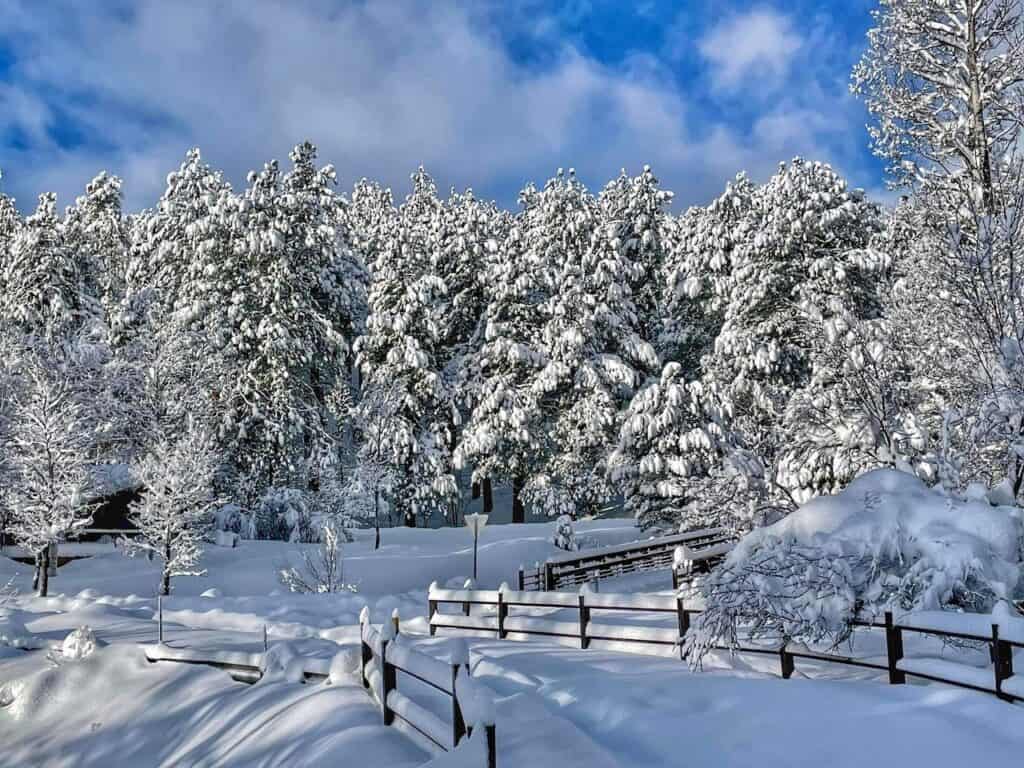
Nestled at an elevation of approximately 7,000 feet, Flagstaff is Arizona’s undisputed winter capital. The city receives an average of over 100 inches of snow annually, often blanketing its pine forests and historic downtown in a picturesque white layer from late November through March. Flagstaff is a vibrant hub for outdoor enthusiasts, offering a full spectrum of winter sports.
The crown jewel of Flagstaff’s winter offerings is Arizona Snowbowl, located on the San Francisco Peaks. As one of the oldest continually operated ski resorts in the Western United States, Arizona Snowbowl provides diverse terrain for skiers and snowboarders of all skill levels, along with stunning panoramic views that stretch for miles. Beyond the slopes, visitors can engage in cross-country skiing and snowshoeing on groomed trails in areas like the Flagstaff Nordic Center or within the Coconino National Forest. Ice skating is popular at the outdoor rink in downtown Flagstaff, adding to the festive winter atmosphere. The city itself embraces the season with charming holiday decorations, local breweries, and cozy restaurants perfect for warming up after a day in the snow.
Williams: Gateway to Grandeur (and Snow)
Just a short drive west of Flagstaff lies Williams, often referred to as the “Gateway to the Grand Canyon.” Situated at an elevation of around 6,700 feet, Williams also experiences consistent snowfall, transforming its historic Route 66 streets and surrounding forests into a classic winter scene. While not a primary ski destination, Williams offers unique winter attractions.
The town is famous for being the departure point for the Grand Canyon Railway, which, during the holiday season, transforms into the enchanting Polar Express train ride, a magical experience for families. Winter visits to the nearby Grand Canyon National Park from Williams offer unparalleled photographic opportunities, as the canyon’s iconic vistas are often dusted with snow, creating a breathtaking contrast against the red rock and evergreen trees. The quiet solitude of the Grand Canyon in winter, free from the bustling summer crowds, provides a uniquely serene and introspective travel experience.
Prescott: Historic Charm with Seasonal Snow
Further south in central Arizona, Prescott offers a different kind of winter charm. With an elevation of approximately 5,300 feet, Prescott experiences lighter and more intermittent snowfall compared to its northern counterparts. However, when snow does fall, it delicately graces the historic Victorian architecture of the town, particularly along famous Whiskey Row, creating a nostalgic, picture-postcard setting.
Prescott is an excellent choice for travelers who desire a taste of winter without the intense cold or deep snow of higher elevations. The surrounding Prescott National Forest offers trails that become enchanting for light snowshoeing or winter hiking after a fresh snowfall. The city’s famous Christmas City celebration, featuring an impressive courthouse lighting, is particularly magical when combined with a gentle blanket of white.
Other High-Elevation Havens
Beyond the well-known destinations, several other regions in Arizona consistently receive snow, offering more secluded and tranquil winter experiences.
Payson and Pine-Strawberry: Rim Country Retreats
Located along the edge of the dramatic Mogollon Rim, towns like Payson and Pine-Strawberry are at elevations ranging from 5,000 to 6,500 feet. These communities frequently receive several inches of snow during the winter months, transforming the dense ponderosa pine forests into a serene winter landscape. The Mogollon Rim itself, a massive escarpment that stretches across central Arizona, can see significant snowfall at its highest points, offering stunning overlooks dusted in white.
Travelers to the Rim Country can enjoy snow play, peaceful winter walks, and cozy cabin stays. The quieter atmosphere here appeals to those looking to escape the crowds and immerse themselves in nature’s winter embrace. Access to various trails in the Tonto National Forest provides opportunities for cross-country skiing and snowshoeing after a good snow accumulation.
Greer and Alpine: Arizona’s Hidden Ski Towns
In the eastern part of Arizona, nestled within the White Mountains, are the charming, high-altitude communities of Greer and Alpine. These areas sit at elevations exceeding 8,000 feet, making them some of the snowiest spots in the state. Greer, in particular, is renowned for its tranquil atmosphere and abundant winter recreation.
The nearby Sunrise Park Resort is Arizona’s largest ski resort, offering extensive slopes for skiing and snowboarding, as well as cross-country trails and a dedicated tubing hill. The scenery in this part of Arizona is spectacular, with snow-covered aspens and pines creating a quintessential mountain winter experience. For those seeking genuine solitude and serious snow sports away from the more bustling destinations, Greer and Alpine provide an idyllic retreat.
Experiencing Arizona’s Diverse Winter Landscape
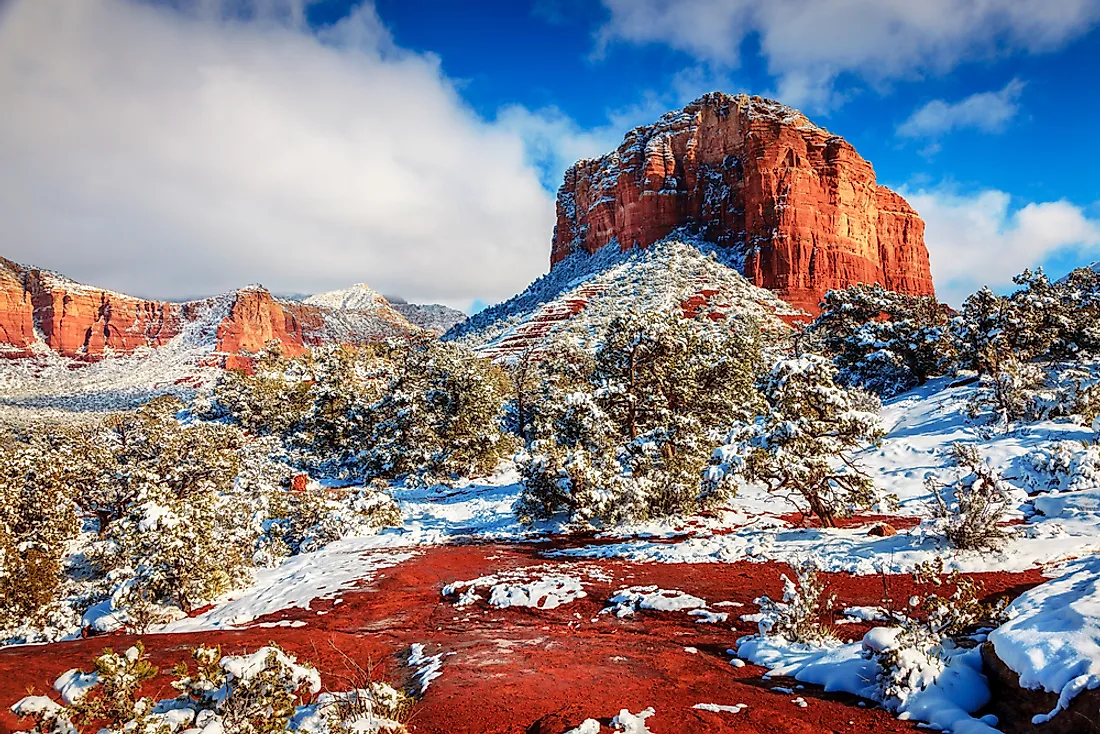
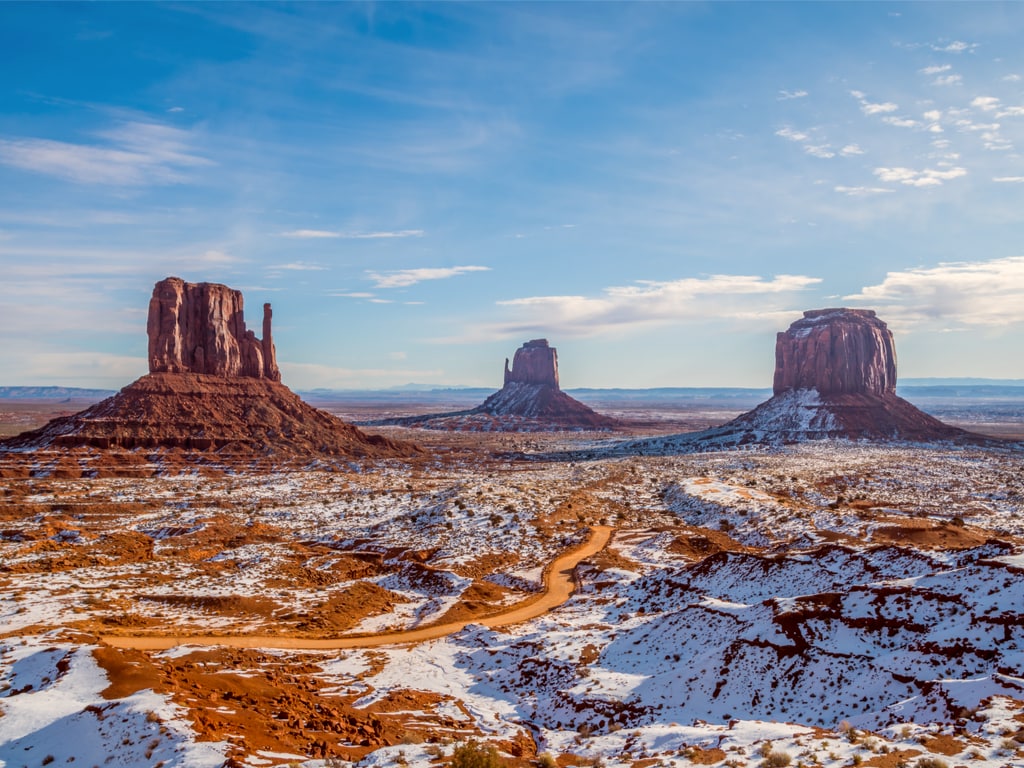
Traveling through Arizona in winter presents a unique opportunity to witness the state’s incredible climatic and geographical spectrum. One can awaken to a foot of fresh powder in Flagstaff, enjoy a morning on the ski slopes, and by afternoon, be hiking among saguaro cacti under mild sunshine near Phoenix or Tucson. Even parts of the Sonoran Desert at higher elevations, such as sections of Saguaro National Park or the foothills around Sedona, occasionally receive light dustings of snow, creating surreal and stunning landscapes where white flakes adorn red rocks and green desert flora.
For those planning a winter trip, it’s essential to:
- Check Road Conditions: Mountain passes and higher elevation roads can be subject to closures or require four-wheel drive and chains during heavy snowfall. The Arizona Department of Transportation (ADOT) website is an invaluable resource.
- Pack in Layers: Temperatures can fluctuate dramatically depending on elevation and time of day. Be prepared for everything from frigid mountain air to comfortable desert warmth.
- Book Accommodations Early: Popular snowy destinations, especially Flagstaff and areas near ski resorts, can book up quickly during peak winter weekends and holidays.
Beyond the Slopes: Winter Attractions and Activities
While skiing and snowboarding are significant draws, Arizona’s winter appeal extends far beyond the resorts.
Scenic Drives in Winter
The state’s scenic byways take on a new, ethereal beauty when cloaked in snow. Highway 89A between Flagstaff and Sedona, for instance, offers stunning views as it winds through Oak Creek Canyon, with the red rocks often topped with a white cap. State Route 260 into the Mogollon Rim country provides access to vast, snow-laden forests perfect for leisurely drives and photography stops. These routes are especially captivating following a fresh snowfall, with sunlight glistening off the pristine white expanses.
Festivals and Events
Many of Arizona’s snowy towns host festive events throughout the winter season. Flagstaff’s downtown typically buzzes with holiday markets, ice carving competitions, and seasonal parades. The Polar Express in Williams is a major draw, while smaller communities might feature local craft fairs or tree lighting ceremonies that evoke a quintessential winter charm.
Wildlife Viewing
Winter also presents unique opportunities for wildlife viewing, particularly in the higher elevations. Animals such as elk, deer, and various bird species are often more visible against the snow-covered backdrop, making for excellent photographic subjects. The quiet serenity of the winter landscape enhances the chances of encountering Arizona’s diverse fauna in its natural habitat, a truly rewarding experience for nature enthusiasts.
In conclusion, the answer to “Is there snow in Arizona?” is a resounding yes. The state is a land of fascinating contrasts, where the warmth of the desert coexists harmoniously with the chill of snow-capped mountains. For travelers seeking a destination that offers both winter adventure and mild-weather exploration, Arizona provides an unforgettable, diverse, and surprisingly snowy experience.
LifeOutOfTheBox is a participant in the Amazon Services LLC Associates Program, an affiliate advertising program designed to provide a means for sites to earn advertising fees by advertising and linking to Amazon.com. Amazon, the Amazon logo, AmazonSupply, and the AmazonSupply logo are trademarks of Amazon.com, Inc. or its affiliates. As an Amazon Associate we earn affiliate commissions from qualifying purchases.