
Planning a trip, a business venture, or even considering a temporary lifestyle change to the sun-drenched landscapes of Arizona often involves myriad considerations beyond just the scenic beauty and vibrant culture. Among the most crucial, especially for those managing budgets for family vacations, planning detailed business stays, or curating luxury experiences, is understanding the local tax landscape. The direct answer to whether there is state tax in Arizona is a resounding yes, but the intricacies extend far beyond a simple affirmation. Arizona employs a multi-layered tax structure that significantly impacts everything from a quick purchase to long-term accommodation, influencing the overall financial footprint of any lifestyle choice within its borders.
Unpacking Arizona’s Primary Tax Structures for Travelers and Temporary Residents
To truly understand the financial implications of your Arizona lifestyle, it’s essential to delve into the specific types of taxes that will likely affect you. Unlike many states that levy a standard sales tax, Arizona utilizes a Transaction Privilege Tax (TPT), which functions similarly but has its own unique nuances. Beyond TPT, other taxes such as lodging taxes, vehicle rental surcharges, and even state income tax for longer stays, play a pivotal role in budgeting.
The Transaction Privilege Tax (TPT)
Often referred to as sales tax, the Arizona Transaction Privilege Tax is a tax on businesses for the privilege of doing business in the state. However, businesses typically pass this cost onto the consumer, making it feel just like a sales tax. The state TPT rate is currently 5.6%, but this is merely the baseline. What makes Arizona’s TPT significant for budgeting various lifestyle choices is the addition of county and city TPT rates.
For instance, if you’re planning a family vacation to Phoenix, you’ll encounter the state’s 5.6% plus a Maricopa County tax and Phoenix’s municipal tax, bringing the combined rate for many purchases to over 8.5%. In Tucson, the combined rate will also reflect Pima County and Tucson city taxes, often reaching similar or slightly different totals. This variability means that the effective “sales tax” you pay can differ significantly depending on which city or county you are in, impacting everything from restaurant meals and souvenir shopping to tour packages and entertainment costs. For budget travelers, understanding these localized rates can inform choices about where to dine or shop, while luxury travelers can anticipate the full cost of high-end purchases or services.
Hotel Occupancy Tax (Lodging Tax)
For anyone planning a stay – whether a short weekend getaway, an extended family vacation, or a prolonged business trip – the hotel occupancy tax is a direct and often substantial addition to accommodation costs. This tax is levied specifically on temporary lodging, including hotels, motels, resorts, and even some short-term vacation rentals. Like the TPT, the lodging tax consists of both state and local components.
The state of Arizona levies an occupancy tax, and most cities and counties impose their own additional rates. For example, a stay in Scottsdale, known for its luxury resorts, might incur a combined lodging tax that pushes the total bill significantly higher than the advertised room rate. Similarly, a family planning a trip to Sedona for its breathtaking red rock scenery must factor in the specific local lodging taxes on top of the state rate. For business travelers, accurately accounting for these taxes is crucial for expense reporting and staying within corporate budgets. Budget-conscious families might find that exploring lodging options in areas with slightly lower combined tax rates can lead to noticeable savings over the course of their stay.
Vehicle Rental Surcharge
For the vast majority of visitors to Arizona, renting a car is almost a necessity to explore its sprawling landscapes, from the Grand Canyon National Park to the deserts around Yuma. Beyond the standard rental fees, insurance, and TPT on the rental amount, Arizona imposes a vehicle rental surcharge. This can add a significant percentage to the total cost, impacting budget travelers more keenly, but is a factor for all types of travel lifestyles. Factoring this into your transportation budget from the outset prevents unwelcome surprises at the rental counter.
State Income Tax
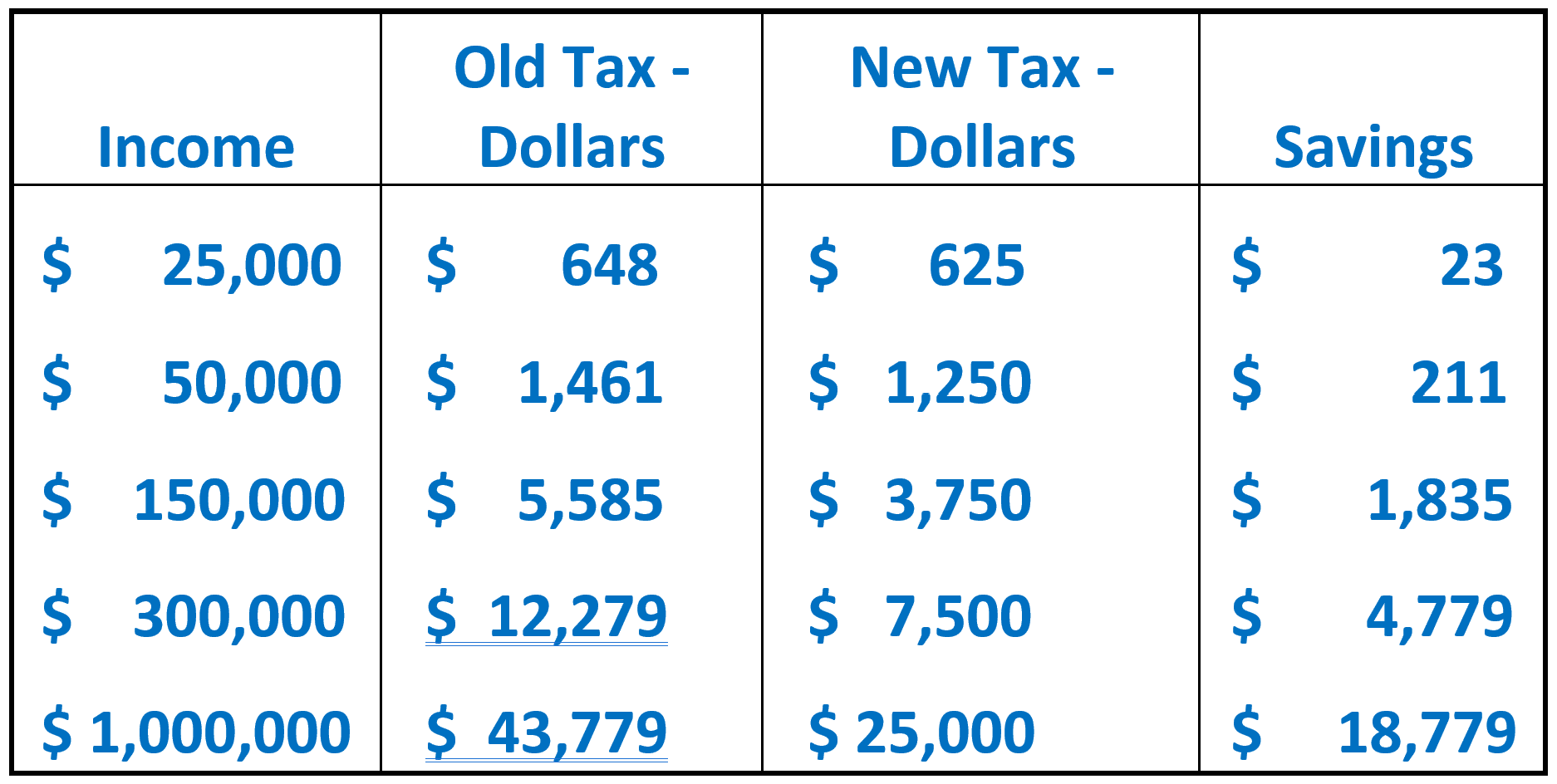
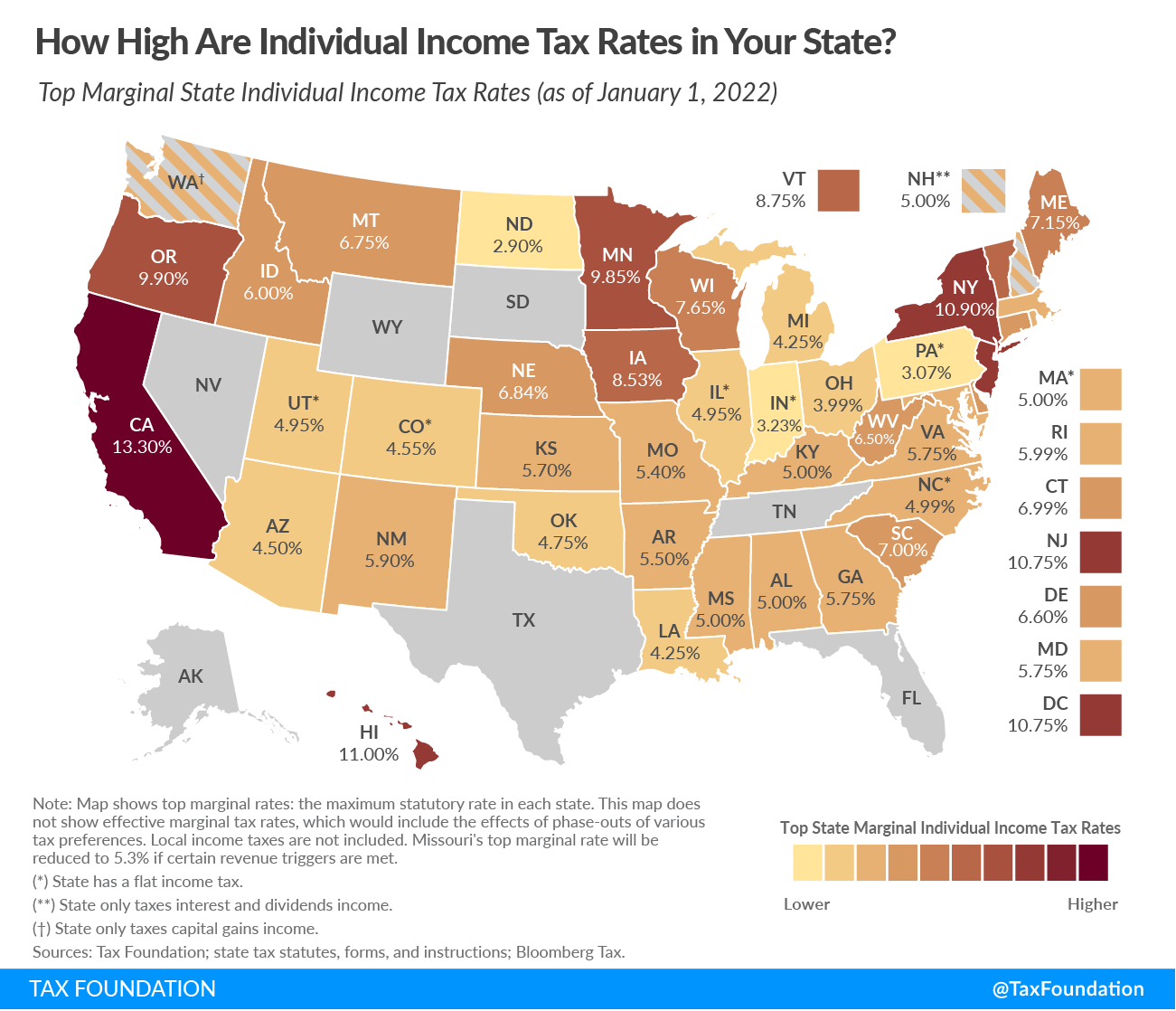
While less relevant for short-term tourists, Arizona’s state income tax becomes a significant consideration for individuals embracing certain lifestyles, such as digital nomads, remote workers on extended assignments, or “snowbirds” who reside in the state for several months each year. Arizona has a progressive income tax system, meaning tax rates increase with income. For those establishing residency or earning income within the state for a substantial period, understanding these brackets and filing requirements is paramount to financial planning and ensuring compliance with state tax laws. This directly impacts the financial feasibility of adopting a semi-permanent or extended-stay lifestyle in Arizona.
Navigating Arizona’s Tax Landscape for Diverse Lifestyles
The impact of Arizona’s tax structure varies considerably depending on your specific travel or temporary residency lifestyle. Strategic planning can help mitigate unexpected costs and optimize your experience.
Budget-Conscious Travel
For those aiming for a cost-effective adventure, understanding where and how taxes apply is key.
- Dining vs. Groceries: The TPT applies to prepared food in restaurants. Purchasing groceries from a supermarket (which often has a lower or no TPT rate on most food items, though some non-food items will be taxed) and preparing some meals yourself can lead to significant savings. Many Arizona vacation rentals and hotels with kitchenettes cater to this lifestyle choice.
- Location Matters: Research combined TPT and lodging tax rates in different cities. A hotel just outside a major metropolitan area might offer a lower combined tax rate than one within the city limits, without sacrificing convenience. For instance, staying in a town adjacent to Phoenix, like Tempe or Mesa, could present different tax scenarios.
- Public Transportation/Rideshares: While a rental car is popular, leveraging rideshare services or public transport in metropolitan areas can reduce reliance on vehicle rental surcharges, though these services will also have TPT applied to their fees.
Business Stays and Corporate Travel
Business travelers often operate under strict expense guidelines. Arizona’s tax environment adds layers of complexity.
- Expense Reporting: Detailed record-keeping of all TPT and lodging tax paid is essential for accurate expense reconciliation and potential corporate tax deductions. This is particularly relevant for conferences or extended projects in business hubs like Phoenix or Tucson.
- Negotiating Rates: When booking long-term stays for projects, inquire if any tax incentives or negotiated rates are available for corporate clients, especially regarding lodging taxes.
- Consulting Tax Professionals: For business owners or independent contractors earning income during an extended stay, a brief consultation with a tax professional specializing in Arizona tax law can prevent future complications related to state income tax.
Family Vacations and Group Travel
Family trips to Arizona often involve numerous purchases and varied activities, making tax considerations particularly impactful on the overall budget.
- Activity Planning: Entrance fees to attractions like Desert Botanical Garden or specific tours may include TPT. Budget for these additions when planning your itinerary.
- Accommodation Size: Larger families often opt for vacation rentals or suites, where the total cost is subject to lodging taxes. Comparing per-person costs, including taxes, can reveal more economical choices for family lifestyle travel.
- Souvenir Shopping: Factor in TPT for all souvenir purchases. Setting a separate “tax buffer” for shopping can help prevent overspending.
Luxury Travel and High-End Experiences
Even for those not strictly adhering to a budget, understanding the full cost, including taxes, ensures a truly seamless and transparent luxury experience.
- Resort Fees and Taxes: Luxury resorts in areas like Paradise Valley often have significant resort fees, to which TPT and lodging taxes are then applied. The cumulative effect can be substantial.
- High-Value Purchases: Whether it’s a piece of Native American art in Sedona or bespoke jewelry in Scottsdale, the TPT can add thousands to the final price of high-value items, which should be anticipated.
- Exclusive Services: Chartering private jets, yachts on Lake Havasu, or engaging premium guided tours will also have TPT applied to their service charges.

Key Takeaways for Your Arizona Lifestyle
Arizona unquestionably has a state tax system that impacts nearly every financial transaction. For anyone considering a visit, a temporary relocation, or a long-term stay, understanding the Transaction Privilege Tax, lodging taxes, and other surcharges is fundamental to effective financial planning. The highly localized nature of these taxes means that a trip from Flagstaff to Yuma could involve different effective tax rates at each stop.
By recognizing the multi-faceted nature of Arizona’s tax structure and proactively factoring these costs into your budget, you can ensure a smoother, more predictable, and ultimately more enjoyable experience, regardless of the lifestyle you choose to embrace in the Grand Canyon State. Careful planning empowers you to make informed decisions, allowing you to fully appreciate the beauty and opportunities Arizona has to offer, without unexpected financial surprises.
LifeOutOfTheBox is a participant in the Amazon Services LLC Associates Program, an affiliate advertising program designed to provide a means for sites to earn advertising fees by advertising and linking to Amazon.com. Amazon, the Amazon logo, AmazonSupply, and the AmazonSupply logo are trademarks of Amazon.com, Inc. or its affiliates. As an Amazon Associate we earn affiliate commissions from qualifying purchases.