
Planning a trip to the Grand Canyon State often involves meticulously budgeting for flights, accommodation, attractions, and dining. However, one crucial element often overlooked by visitors is the local sales tax structure, particularly in Arizona. Unlike many states that simply charge a statewide sales tax, Arizona operates under a more complex system known as the Transaction Privilege Tax (TPT). Understanding this system is vital for any tourist aiming to manage their finances effectively and avoid unexpected costs during their stay. This guide will demystify Arizona’s TPT, focusing on its implications for tourism and providing insights into how it affects various aspects of your travel budget.
Understanding Arizona’s Transaction Privilege Tax (TPT)
The first and most important distinction to make is that Arizona does not technically have a “sales tax” in the traditional sense. Instead, it levies a Transaction Privilege Tax (TPT). While the effect on the consumer is largely the same—an added cost at the point of sale—the legal framework is different. TPT is a tax on the vendor for the privilege of doing business in Arizona, which they are generally permitted to pass on to the consumer. This distinction might seem trivial, but it underpins the complex layering of taxes you’ll encounter.
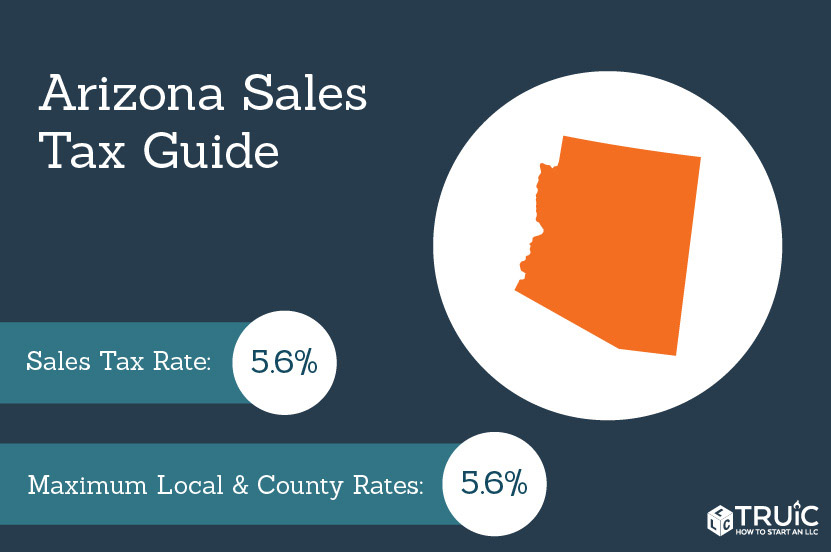
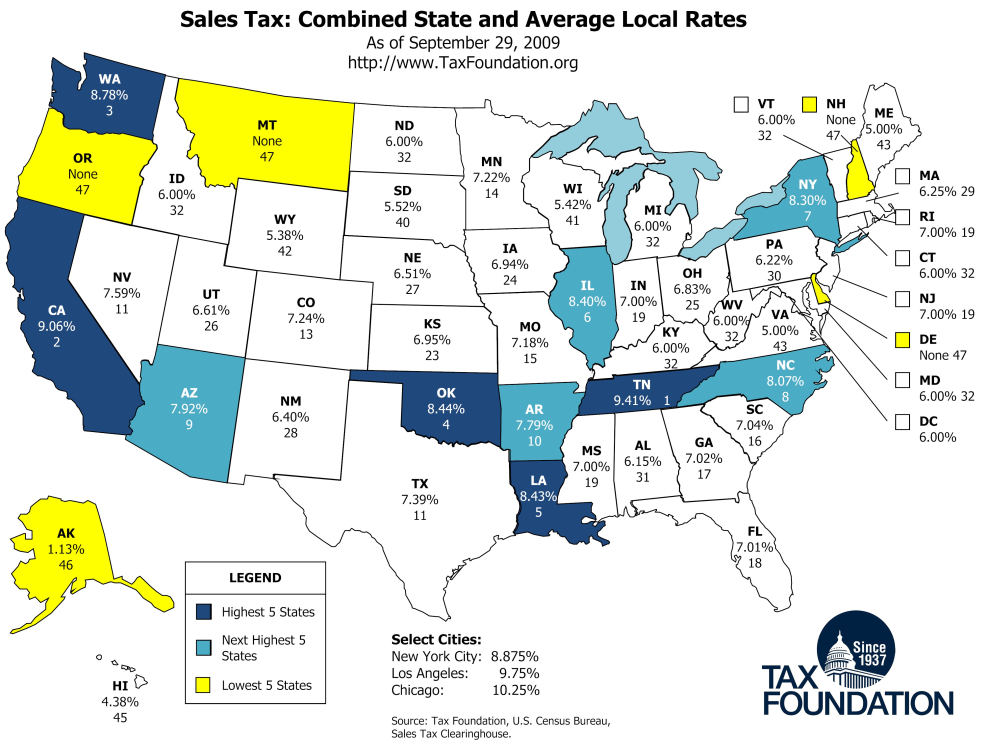
The statewide TPT rate in Arizona is 5.6%. However, this is just the baseline. Cities, towns, and counties have the authority to impose their own additional TPT rates, leading to a combined rate that varies significantly depending on your exact location within the state. This means that a purchase made in Phoenix will likely have a different total tax rate than an identical purchase made in Tucson or Sedona. For tourists, this intricate system necessitates a keen awareness of local rates, especially when planning expenditures in various destinations across the state. This unique structure ensures that funds are collected at various levels of government, contributing to local services and infrastructure, which in turn supports a thriving tourism sector.
Navigating TPT as a Tourist: Key Spending Categories
The TPT impacts almost every consumer transaction a tourist will make in Arizona. Being aware of how it applies to different categories can help you better estimate your total costs.
Dining and Restaurants
Dining out is an integral part of any travel experience, and Arizona offers a diverse culinary scene, from traditional Southwestern cuisine to upscale international fare. When you order a meal or a drink, the TPT will be added to your bill. The combined state and local TPT rates apply to food and beverage sales. For instance, dining in Scottsdale might incur a higher combined rate than in Flagstaff, directly affecting the final price of your dinner. This also extends to take-out and delivery services, so always account for the tax when budgeting for meals.
Retail Purchases and Souvenirs
Whether you’re shopping for local crafts in Old Town Scottsdale, picking up a cactus souvenir near Saguaro National Park, or browsing boutique shops in Jerome, the TPT will be applied to your retail purchases. This includes clothing, electronics, books, and almost all tangible personal property. Tourists often budget for the sticker price of an item, forgetting the additional percentage that will be added at the register. A seemingly small difference in rate can add up significantly on larger purchases or across numerous small transactions throughout your trip.
Lodging and Accommodation
Staying overnight in Arizona involves more than just the room rate. Hotels, motels, resorts, and even short-term rental properties are subject to TPT. In addition to the statewide TPT, many cities and counties impose their own specific lodging taxes, sometimes referred to as bed taxes or occupancy taxes. These are often separate from the TPT and can significantly increase the total cost of your stay. For example, a luxurious resort in Paradise Valley might have a higher combined TPT and lodging tax rate than a budget motel in a less tourist-heavy area. Always check the total price, including all taxes and any resort fees, before booking your stay to get an accurate picture of the cost.
Activities and Attractions
From exploring the Desert Botanical Garden in Phoenix to taking a jeep tour in Sedona or visiting historical sites in Tombstone, nearly all paid activities and attractions will include TPT. This applies to entrance fees for museums like the Musical Instrument Museum, tickets for sporting events, concert tickets, guided tours, and recreational rentals. When researching attractions, remember that the listed price may not be the final price you pay at the gate or online. Factoring in the additional TPT for these experiences is crucial for accurate budget planning, ensuring you can enjoy all the diverse activities Arizona has to offer without financial surprises.
City-Specific Variations and Their Impact on Your Travel Budget
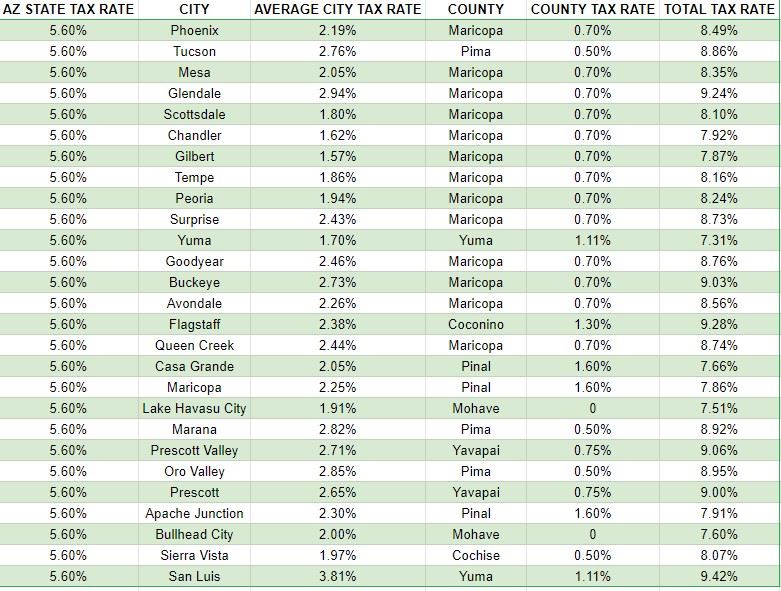
The most complex aspect of Arizona’s TPT for tourists is the variation in rates across different municipalities. While the state portion remains constant at 5.6%, local additions can range significantly, sometimes adding several percentage points to the total.
Consider these examples of combined TPT rates in popular Arizona cities (note: rates can change, so always verify current information):
- Phoenix: One of the largest cities, Phoenix has a city TPT rate that, when combined with the state rate, results in a substantial total. This affects everything from dining to retail throughout the metro area.
- Tucson: As Arizona’s second-largest city, Tucson also imposes its own municipal TPT, contributing to a total rate that is comparable to, or slightly different from, Phoenix.
- Mesa, Chandler, Glendale, and Tempe: These cities within the greater Phoenix metropolitan area each have their own city TPT rates. While they are geographically close, their individual tax structures can lead to minor differences in final prices for goods and services.
- Flagstaff: A popular gateway to the Grand Canyon, Flagstaff has a city TPT rate that, combined with the state rate, often results in a higher overall tax burden, particularly notable for dining and lodging given its tourist volume.
- Sedona: Known for its stunning red rocks and spiritual retreats, Sedona also has a local TPT that tourists will encounter on almost every purchase, including art galleries, dining, and tour packages.
- Prescott: With its historic Whiskey Row and pleasant climate, Prescott also adds its own TPT, affecting local shopping and restaurant bills.
Understanding these variations is crucial. If you’re planning a road trip through several Arizona cities, remember that your spending power might fluctuate slightly due to differing TPT rates. It’s always advisable to check the current combined TPT rate for specific cities or counties where you plan to make significant purchases or spend a prolonged period. This information is typically available on the city’s official website or through the Arizona Department of Revenue.
Practical Tips for Budgeting Your Arizona Trip
To ensure a smooth and budget-friendly trip through Arizona, consider these practical tips concerning the TPT:
- Factor in TPT from the Outset: When researching prices for hotels, tours, or expensive souvenirs, always add an estimated 8-12% (depending on the location) to the advertised price to get a more accurate total. This will prevent surprises at checkout.
- Request Itemized Receipts: If you’re unsure about the TPT calculation or just want to keep track, request itemized receipts. This allows you to see the base price and the tax applied separately.
- Utilize Visitor Centers: Local visitor centers are excellent resources. They often provide pamphlets or have staff who can inform you about the current TPT rates and any specific local taxes or fees that might apply to attractions or accommodations in their area.
- Research Specific City Rates: Before heading to a new city, quickly look up its combined TPT rate. A quick search for “sales tax in City Name, Arizona” will usually provide the necessary information.
- Understand Total Accommodation Costs: Hotel bills often include multiple line items for various taxes (state TPT, local TPT, occupancy tax) and sometimes resort fees. Ensure you understand the complete breakdown before booking.
- Consider Cash Purchases: While TPT still applies, paying with cash for smaller items can sometimes help you stick to a precise budget, as you hand over the exact amount, including tax.
By incorporating TPT considerations into your planning, you can avoid budgetary pitfalls and fully immerse yourself in the vibrant culture, breathtaking landscapes, and diverse attractions that Arizona has to offer. This proactive approach ensures that your travel budget aligns with your actual expenditures, leading to a more enjoyable and stress-free vacation experience.
The Economic Rationale: How TPT Benefits Arizona Tourism
While understanding and budgeting for the TPT might seem like an extra layer of complexity for tourists, it’s important to recognize the vital role these taxes play in sustaining and enhancing the very experiences visitors come to enjoy. The revenues generated from the state and local TPT are channeled back into public services, infrastructure development, and programs that directly or indirectly benefit the tourism sector.
These funds support the maintenance of Arizona’s extensive road networks, which are crucial for navigating to popular destinations like the Grand Canyon, Monument Valley, and Antelope Canyon. They also contribute to the funding of state parks, recreational areas, and cultural institutions, ensuring these attractions remain well-preserved and accessible to the public. Furthermore, TPT revenue helps support local police, fire, and emergency services, providing a safe and secure environment for both residents and visitors. Cities often use these funds for urban beautification projects, tourism promotion, and the development of new attractions that continue to draw people to the state. In essence, the TPT is an investment in the quality of the tourist experience itself. By understanding its purpose, visitors can appreciate their contribution to the continued allure and hospitality of Arizona.
LifeOutOfTheBox is a participant in the Amazon Services LLC Associates Program, an affiliate advertising program designed to provide a means for sites to earn advertising fees by advertising and linking to Amazon.com. Amazon, the Amazon logo, AmazonSupply, and the AmazonSupply logo are trademarks of Amazon.com, Inc. or its affiliates. As an Amazon Associate we earn affiliate commissions from qualifying purchases.