
Navigating the bureaucratic landscape of vehicle ownership can sometimes feel like an uncharted expedition, especially when a crucial document like your car title goes missing in the Sunshine State. For residents of Florida, understanding the process of obtaining a replacement title is essential to maintaining clear ownership and avoiding potential complications when it’s time to sell, trade, or even just register your vehicle. Whether your original title was lost, stolen, damaged, or destroyed, the Florida Department of Highway Safety and Motor Vehicles (FLHSMV) provides a structured procedure to help you secure a duplicate. This guide will walk you through each step, ensuring a smooth and efficient experience.

Understanding the Importance of Your Car Title
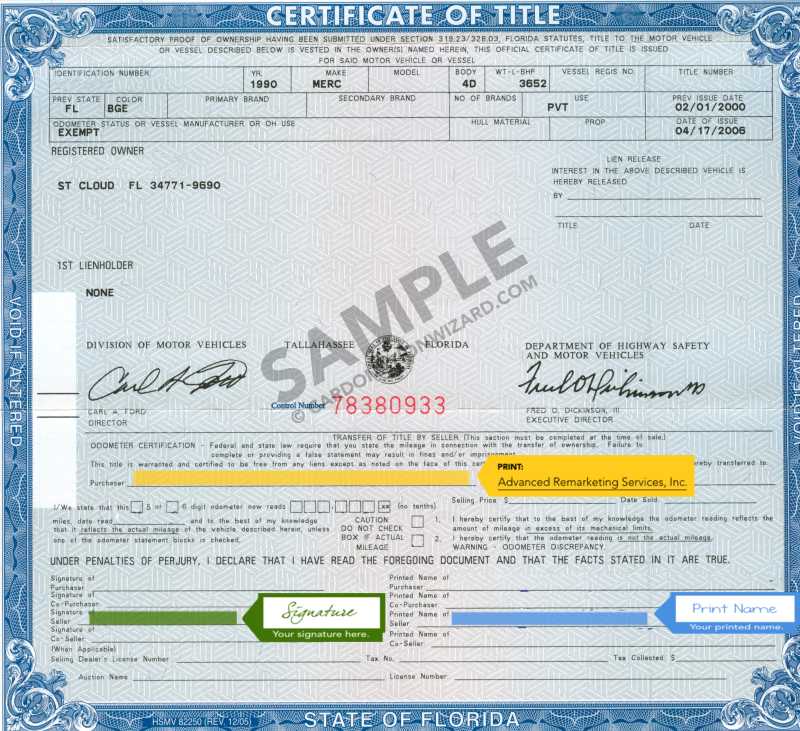
The certificate of title is more than just a piece of paper; it’s the legal document that proves you are the rightful owner of a vehicle. In Florida, as in most states, this document is critical for several reasons:
- Proof of Ownership: It is the primary evidence of your legal ownership. Without it, proving you own the car can be challenging.
- Selling or Transferring Ownership: When you sell your vehicle, the title must be signed over to the new owner. A missing title can halt any sale or transfer.
- Trade-Ins: Dealerships require a title to accept your vehicle as a trade-in towards a new purchase.
- Liens and Encumbrances: The title will list any outstanding loans or liens on the vehicle.
- Vehicle Registration and Titling: While not always required for daily registration, it’s necessary for initial titling and for certain registration renewals or changes.
- Insurance Claims: In cases of total loss due to an accident or theft, your insurance company will require the title to process the claim and payout.
Given its significance, losing your title can be a significant inconvenience. Fortunately, the FLHSMV has established clear guidelines to assist you in obtaining a replacement.
Eligibility and Necessary Documentation
Before embarking on the process, it’s crucial to ensure you meet the eligibility requirements and have the necessary documentation readily available. Typically, the registered owner of the vehicle or a lienholder can apply for a duplicate title.
Who Can Apply?
- Registered Owner(s): If the vehicle is registered in your name, you are eligible to apply. If there are multiple owners listed on the original title, all owners may need to sign the application, or one owner may need to be granted power of attorney by the others.
- Lienholder: If there is an active lien on the vehicle and the lienholder has possession of the original title, they can apply for a duplicate title to protect their interest.
Required Documents
The primary document you will need is the application form itself. The FLHSMV provides specific forms for various situations. The most common form for a lost or stolen title is the Application for Duplicate or Paper Title (HSMV 82040). You can download this form from the FLHSMV website.
In addition to the application form, you will generally need:
- Proof of Identity: A valid Florida driver license or identification card is usually required. If you are not a Florida resident but own a vehicle registered in Florida, other forms of valid identification may be accepted.
- Vehicle Information: You will need to provide the Vehicle Identification Number (VIN), make, model, and year of the vehicle. This information is crucial for identifying the correct vehicle record.
- Previous Title Information (if available): While not always mandatory, any information you have about the original title, such as the title number or date it was issued, can expedite the process.
- Lien Release (if applicable): If a lien was previously on the vehicle and has since been satisfied, you may need to provide a lien release document.
- Fees: There is a fee associated with obtaining a duplicate title. The amount can vary, so it’s best to check the current fee schedule on the FLHSMV website.
The Application Process: Step-by-Step
Obtaining a replacement car title in Florida involves a clear, multi-step process designed to ensure accuracy and prevent fraud.
Step 1: Obtain and Complete the Application for Duplicate or Paper Title (HSMV 82040)
- Download the Form: Visit the official FLHSMV website and navigate to the forms section. Locate and download the “Application for Duplicate or Paper Title (HSMV 82040).”
- Fill Out Accurately: Complete the form thoroughly and accurately. Ensure all information regarding the vehicle, the owner(s), and any lienholders is correct. Pay close attention to the VIN, as a single digit error can cause significant delays.
- Signature(s): If the vehicle is jointly owned, ensure all owners sign the application unless one has been granted power of attorney.
Step 2: Gather Supporting Documentation
As outlined previously, collect all necessary supporting documents, including proof of identity and any other relevant paperwork.
Step 3: Submit Your Application
There are several convenient ways to submit your completed application and supporting documents to the FLHSMV:
- County Tax Collector’s Office: This is often the most common and recommended method. Visit your local county Tax Collector office. They are authorized to process title applications and can provide immediate assistance. You will typically need to present your completed form, identification, and payment.
- Mail: You can mail the completed application and required fees directly to the FLHSMV. The mailing address can be found on the application form or on the FLHSMV website. Be aware that processing times for mail-in applications can be longer than in-person submissions.
- Online (Limited Options): While some services are available online, the direct application for a duplicate title is generally not handled through a fully online portal. Always refer to the official FLHSMV website for the most current submission options.
Step 4: Pay the Required Fees
A fee is charged for a duplicate title. The exact amount is subject to change, so confirm the current fee with the Tax Collector’s office or on the FLHSMV website. Payment methods accepted may vary by location, but typically include cash, check, money order, and sometimes credit/debit cards.
Step 5: Wait for Your Replacement Title
Once your application is processed, the FLHSMV will issue a duplicate title. The processing time can vary depending on the submission method and current workload. In-person applications at a Tax Collector office are often the quickest, with titles sometimes being mailed within a few weeks. Mail-in applications may take longer. Your new title will be mailed to the address listed on your application, so ensure it is accurate.
Special Circumstances and Considerations
While the process for a standard lost title is straightforward, certain situations might require additional steps or considerations.
Lost or Stolen Title in Possession of a Lienholder
If a lienholder is in possession of your original title and it becomes lost or stolen, they are responsible for initiating the process to obtain a duplicate title. They will need to submit the appropriate application and satisfy any associated fees.
Salvaged or Rebuilt Titles
If your vehicle has been declared a total loss by an insurance company and has been rebuilt, the titling process for a salvaged or rebuilt vehicle is different and more complex. This guide primarily focuses on obtaining a duplicate of a standard title for a non-salvaged vehicle.
Deceased Owner
If the registered owner of the vehicle has passed away, the process for obtaining a title transfer and a duplicate title will involve probate laws and potentially court documentation. The specifics will depend on whether there is a will and how the estate is being handled. It is advisable to consult with an attorney or the FLHSMV for guidance in such situations.
Vehicle Purchased Out-of-State
If you purchased a vehicle out-of-state and subsequently registered it in Florida, and then lost the title, the process for obtaining a replacement will likely involve the original state’s titling authority, in addition to Florida DMV requirements for registration.
Preventing Future Title Loss
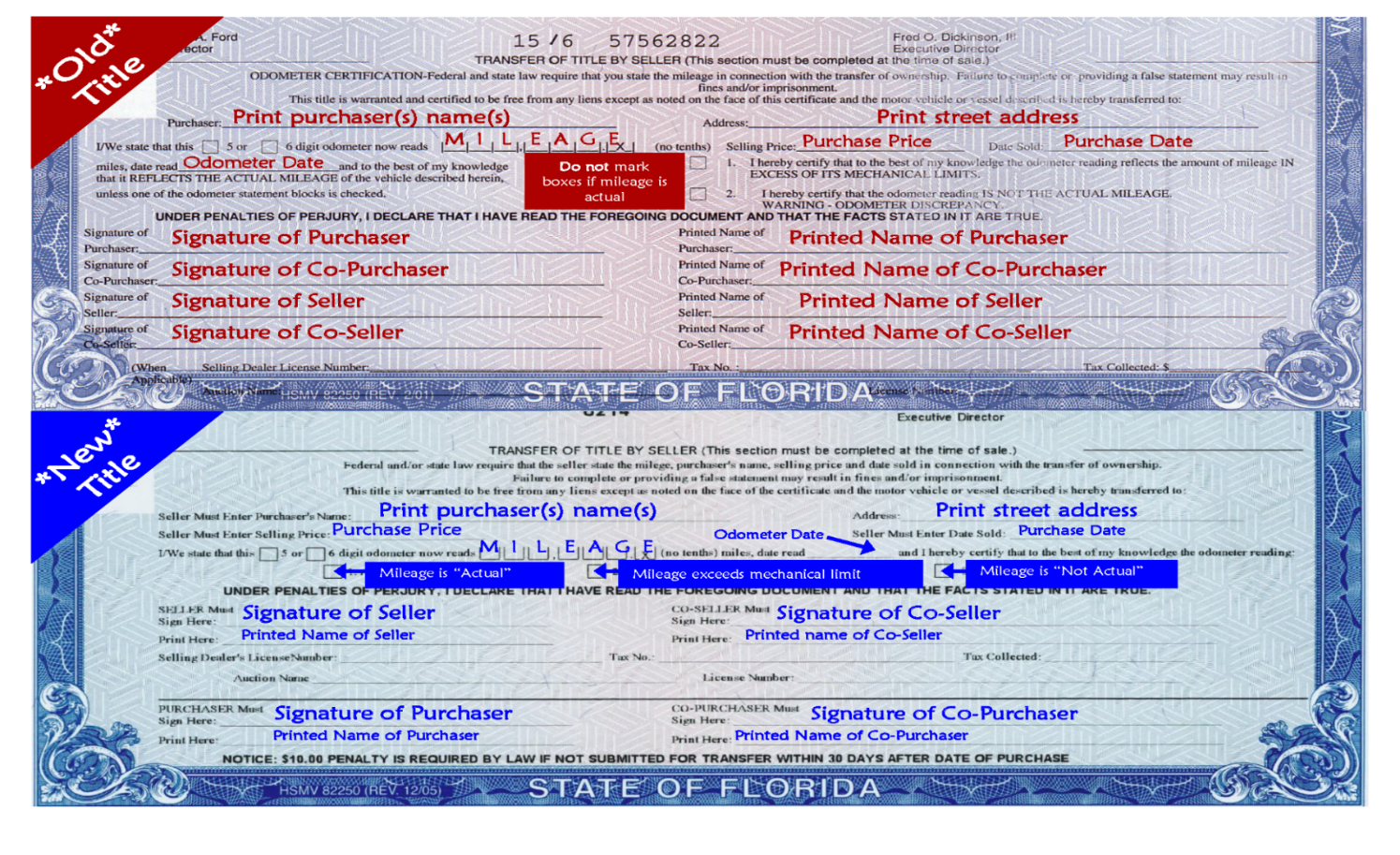
Once you have your replacement title in hand, it’s wise to take precautions to prevent losing it again.
- Secure Storage: Store your title in a safe and secure location at your home, such as a fireproof safe or a secure filing cabinet. Avoid keeping it in your vehicle, as this makes it vulnerable to theft.
- Digital Records (Limited): While Florida does not currently issue electronic titles as a primary document, keeping a secure digital copy of your title (e.g., a scanned image stored securely online or on a personal device) can be helpful for reference. However, remember that this is not a legal substitute for the physical document.
- Lienholder Possession: If you have an active loan on your vehicle, the lienholder will typically hold the physical title until the loan is paid off. In this case, they are responsible for its safekeeping. Once the loan is satisfied, the lienholder will release the title to you.
By following these steps and understanding the requirements, you can efficiently obtain a replacement car title in Florida, ensuring your vehicle ownership documentation remains intact and legally sound for all your future automotive endeavors.
LifeOutOfTheBox is a participant in the Amazon Services LLC Associates Program, an affiliate advertising program designed to provide a means for sites to earn advertising fees by advertising and linking to Amazon.com. Amazon, the Amazon logo, AmazonSupply, and the AmazonSupply logo are trademarks of Amazon.com, Inc. or its affiliates. As an Amazon Associate we earn affiliate commissions from qualifying purchases.