
Understanding the financial landscape of a new destination or potential place of residence is paramount, whether you’re planning a lavish escape, a budget-conscious adventure, or considering a permanent lifestyle shift. For those eyeing the stunning deserts, vibrant cities, and unique culture of Arizona, deciphering the “sales tax” is a crucial step in financial planning. However, Arizona’s system is a bit unique; what most visitors perceive as sales tax is actually known as the Transaction Privilege Tax (TPT). This nuanced system plays a significant role in the overall cost of goods, services, and experiences throughout the Grand Canyon State, directly impacting your budget for everything from a souvenir to a long-term lease.
Understanding Arizona’s Transaction Privilege Tax (TPT): More Than Just Sales Tax
Unlike many other states that levy a direct sales tax on the consumer, Arizona implements a Transaction Privilege Tax (TPT). This is essentially a tax on the privilege of doing business in the state of Arizona, meaning it’s a tax on the vendor for conducting taxable business activities. While legally distinct, the economic reality for the consumer is largely the same: businesses typically pass this cost onto the customer, appearing as an itemized “sales tax” on your receipt. This distinction, however, can be important for understanding exemptions and specific taxable activities.
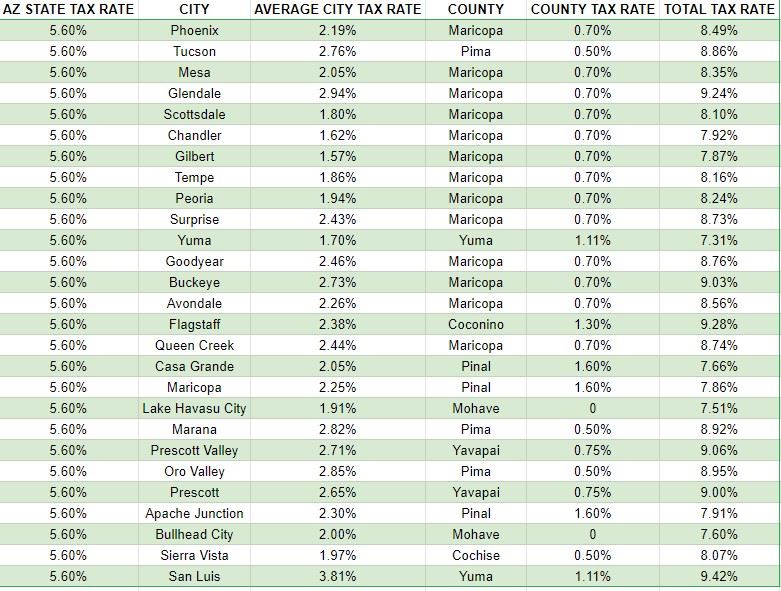
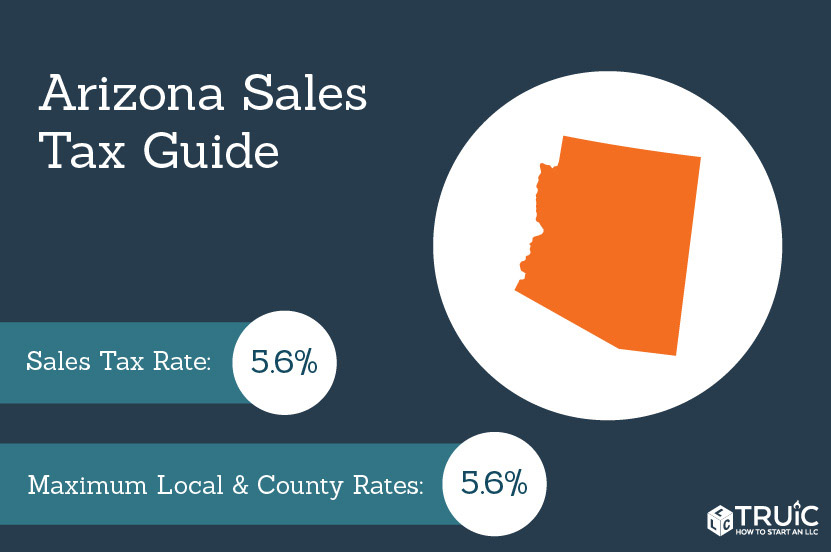
The statewide TPT rate in Arizona is 5.6%. This foundational rate applies to a broad range of transactions, including retail sales, restaurant meals, hotel stays, certain services, and even construction activities. This 5.6% is just the starting point. When budgeting for your travels or considering a move, it’s vital to remember that this state rate combines with local taxes, which can vary significantly from one municipality to another. This layered tax structure means that the final sales tax rate you pay can differ based on where you are within the state, influencing your purchasing power and overall expenses. For example, a purchase made in Phoenix will likely carry a different TPT total than the exact same purchase made in Tucson or a smaller town like Sedona. This complexity underscores the need for careful financial foresight when exploring or settling in Arizona, ensuring your lifestyle choices align with your economic expectations.
Navigating Local Rates: City, County, and Special District Additions
The statewide 5.6% TPT is merely the base. The true “sales tax rate” that impacts your daily expenditures and lifestyle choices in Arizona is a cumulative figure, resulting from the addition of county and city taxes. Many municipalities impose their own TPT rates, which are added on top of the state rate, and some special districts may also contribute a small percentage. This creates a diverse tax landscape where the final rate can range anywhere from 6% to over 10%, depending on your specific location. This variability is a key factor for anyone planning a budget travel experience or contemplating a move, as it directly influences the cost of living and leisure.
Specific City Examples
Consider some of Arizona’s most popular destinations:
- Phoenix: As the state capital and largest city, Phoenix has a city TPT rate of 2.3%. Combined with the state rate of 5.6%, this brings the total “sales tax” for most retail purchases to 7.9%. Dining out and hotel stays can have slightly different rates due to specific city provisions.
- Tucson: In southern Arizona, Tucson adds a city TPT rate of 2.6%. This results in a combined rate of 8.2% for many transactions.
- Flagstaff: Known for its cooler climate and proximity to the Grand Canyon, Flagstaff levies a city TPT rate of 2.265%. When added to the state rate, this brings the total to 7.865%.
These examples highlight how city rates can subtly yet significantly alter the final price of goods and services. A budget traveler might find that a meal costs slightly more in one city than another, purely due to the local tax structure, impacting their overall spending plan.
Impact on Different Purchases
The TPT system also differentiates based on the type of business activity. While the general state and local rates apply to retail sales, there are often specific rates for other categories that are important for lifestyle budgeting:
- Retail Sales: This is the most common application, covering most tangible goods you purchase.
- Restaurants and Bars: Dining out is a significant part of many lifestyles. Most cities apply the general retail TPT rate to restaurant meals and alcoholic beverages, but some might have specific additional charges.
- Hotels and Lodging: When planning a trip, understanding the TPT on accommodation is vital. In addition to the standard state and local TPT, many cities impose a separate “transient occupancy tax” or “bed tax” specifically on hotel rooms, vacation rentals, and other short-term lodging. This can significantly increase the nightly rate, making a seemingly affordable stay more expensive. For instance, Phoenix has an additional bed tax on top of its general TPT, which is a critical detail for budgeting accommodation costs.
Understanding these variations is key to effective financial planning, whether you’re enjoying a leisurely vacation, exploring new communities for a potential move, or simply managing your everyday expenses in Arizona.
Budgeting for Arizona Living and Travel: Practical Financial Considerations
The variable TPT rates across Arizona necessitate a proactive approach to budgeting, especially for individuals focused on budget travel or those considering a permanent lifestyle change. Failing to account for these taxes can lead to unexpected expenses, potentially derailing financial plans. From daily coffee runs to major purchases, understanding how TPT impacts your spending is crucial for an enjoyable and financially stable experience.
Shopping Smart: Everyday Goods and Major Purchases
For budget-conscious travelers or new residents, the TPT can add up quickly. A small purchase might only see a few extra cents, but regular shopping for groceries (taxable on non-staple items), clothing, or household goods will accumulate substantial tax over time. When planning major purchases, such as electronics, furniture, or even a vehicle (though vehicle sales often have specific rules), the TPT percentage can translate into hundreds or even thousands of dollars. It’s wise to factor in the specific local tax rate for your desired shopping destination when comparing prices or setting aside funds. Online purchases from retailers with a physical presence in Arizona will also likely be subject to the applicable TPT, so “shopping smart” extends to digital storefronts as well.
Dining Out and Entertainment Costs
Exploring Arizona’s vibrant culinary scene is a highlight for many. However, the combined state and local TPT on restaurant meals and beverages means that the menu price isn’t your final cost. A $50 dinner for two might quickly become $54-$55 or more, depending on the city’s TPT rate. For those who frequently dine out, this additional percentage significantly impacts the monthly food budget. Similarly, tickets to concerts, sporting events, or entrance fees to private attractions are typically subject to TPT. When planning your leisure activities, always calculate the tax to avoid surprises, especially if you’re trying to keep a strict budget for entertainment.
Accommodation Expenses for Travelers
For travelers, accommodation is often the largest single expense. Beyond the base room rate, hotels, motels, and even many short-term rentals (like those found on Airbnb or VRBO) are subject to Arizona’s TPT, along with any city-specific “bed taxes” or “occupancy taxes.” These additional taxes can easily add another 10-15% to your nightly rate. A $150-per-night hotel room could effectively cost you $165-$170 or more after taxes, varying by location. When booking, always look for the “total price” that includes all taxes and fees to get an accurate picture of your expenditure. This foresight allows for a more realistic travel budget and helps in choosing accommodation that aligns with your financial comfort zone.
Exemptions and Nuances: What You Need to Know
While the Transaction Privilege Tax (TPT) is broad, there are important exemptions and nuances that can impact your financial planning in Arizona. Understanding these specifics is critical for both short-term visitors and those considering a longer-term stay or relocation, helping to manage daily expenses and optimize your spending. Not everything you purchase or consume will be subject to the full combined state and local TPT rate.
Services vs. Tangible Goods
A key distinction in the TPT system often revolves around whether you are purchasing a tangible good or a service. Generally, the TPT is applied to the sale of tangible personal property, such as clothing, electronics, and restaurant meals. However, many pure services are not subject to TPT in Arizona. For example, if you hire a lawyer, a financial advisor, or pay for certain medical services, these are typically exempt from TPT. This means that if your lifestyle involves frequent professional services, these particular expenses may not incur the added tax burden, which can be a significant difference compared to states with broader sales tax application to services. Conversely, services that are integral to the sale of a tangible product, or specific enumerated services (like some repair services or subscriptions), might be taxable. It’s always best to clarify with the service provider if you are unsure, especially for high-value services.
Specific Exemptions
Beyond the general service exemption, Arizona provides specific exemptions for certain categories of goods, reflecting public policy considerations. These exemptions are particularly relevant for daily living and can make a noticeable difference in a budget:
- Groceries: Most unprepared food items (staple groceries) purchased for consumption at home are exempt from TPT. This means that while a meal at a restaurant is taxed, the ingredients you buy at the supermarket to cook at home are generally not. This exemption significantly reduces the cost of basic living for residents and long-term visitors, making healthy eating more accessible from a tax perspective.
- Prescription Drugs: Prescription medications are also exempt from TPT, ensuring that essential healthcare costs are not further burdened by taxation. Over-the-counter medications, however, are typically taxed like other retail items.
- Medical Services: As mentioned earlier, most medical and dental services provided by licensed practitioners are exempt from TPT.
- Tuition Fees: Educational institutions are generally exempt from charging TPT on tuition fees, an important consideration for students or families planning for education in Arizona.
These exemptions allow individuals to stretch their budgets further on essential items and services. For anyone planning a move to Arizona, understanding these nuances can help in creating a more accurate and sustainable long-term financial plan. Visitors engaged in budget travel can also benefit by prioritizing grocery shopping over dining out for some meals to minimize TPT expenditure.
Long-Term Stays and Relocation: Financial Planning Beyond Tourism
For individuals contemplating an extended stay in Arizona or considering it as a permanent place to live, understanding the TPT transcends simple tourist budgeting. It becomes an integral part of comprehensive financial planning, influencing everything from housing costs to routine household expenses. Making an informed decision about a lifestyle change to Arizona requires a deep dive into the state’s tax environment.
When assessing the overall cost of living, the TPT on housing, specifically for rental properties, is a crucial consideration. While residential rents in many states are not subject to sales tax, in Arizona, many cities apply TPT to residential leases. This means that if you rent an apartment or house, your monthly rent payment will likely include an additional percentage for TPT, depending on the municipality. For example, a $1,500 monthly rent in a city with a 2% rental TPT would actually cost you $1,530. Over the course of a year, this seemingly small percentage can add up to hundreds of dollars, significantly impacting your housing budget. Prospective residents should always clarify whether TPT is included in quoted rental prices or will be added on top.
Furthermore, setting up a new home involves various purchases, all subject to TPT. From furniture and appliances to home decor and cleaning supplies, every item contributes to the cumulative tax burden. Even utility services like electricity or gas might have specific TPT applications in certain jurisdictions, though basic residential utility sales are often exempt or taxed differently. Understanding these recurring costs, magnified by the TPT, allows for a more realistic assessment of monthly expenditures.
Beyond direct purchases, the TPT also affects the cost of various services essential for establishing a life in Arizona. While many personal services are exempt, services like auto repairs, certain home maintenance services, or even haircuts might have TPT applied depending on the specific nature of the service and local regulations. For business owners considering relocation, the TPT structure is even more complex, involving various classifications and reporting requirements that can significantly influence operational costs.
Ultimately, whether you’re drawn by the vibrant lifestyle of Phoenix, the artistic allure of Sedona, or the relaxed pace of a desert community, a thorough understanding of Arizona’s Transaction Privilege Tax is indispensable. It empowers you to budget accurately, make informed financial decisions, and ensure that your Arizona experience, whether short-term or long-term, aligns perfectly with your financial comfort and lifestyle aspirations. Consulting the Arizona Department of Revenue or local city tax offices for the most current rates and specific exemptions is always recommended for precise planning.
LifeOutOfTheBox is a participant in the Amazon Services LLC Associates Program, an affiliate advertising program designed to provide a means for sites to earn advertising fees by advertising and linking to Amazon.com. Amazon, the Amazon logo, AmazonSupply, and the AmazonSupply logo are trademarks of Amazon.com, Inc. or its affiliates. As an Amazon Associate we earn affiliate commissions from qualifying purchases.