
Understanding the educational landscape of a state like Arizona extends far beyond mere statistics; it delves into the very fabric of lifestyle choices for families, professionals, and businesses considering the Grand Canyon State. For many, a state’s commitment to education is a critical factor influencing decisions on where to live, work, raise children, and even invest. While various reports and analyses provide differing perspectives on Arizona’s educational standing, the consistent thread is how these rankings—and the underlying realities they represent—shape the daily lives and future prospects of its residents. For those planning a “Family Trip” that might evolve into a permanent move or a “Business Stay” requiring an assessment of the local talent pool, Arizona’s educational performance is a cornerstone of lifestyle evaluation.
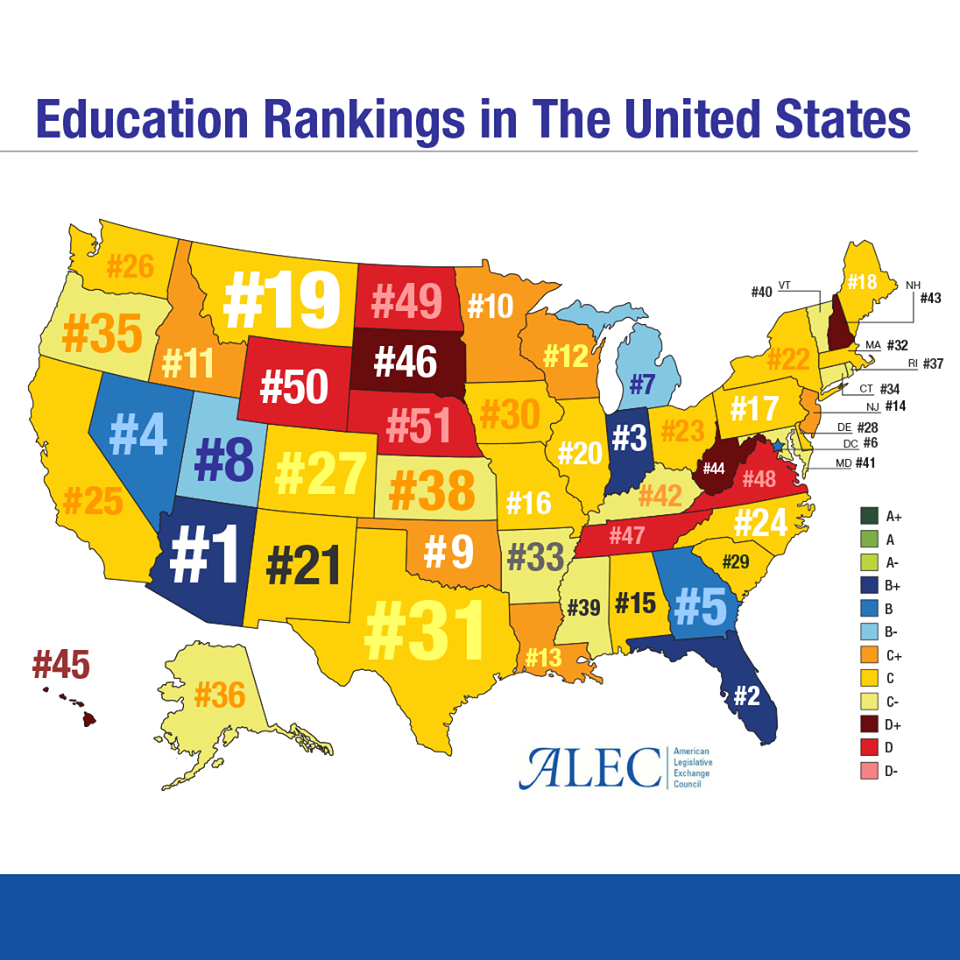
Arizona’s Educational Stance: A Factor in Lifestyle Decisions
The question of “Arizona’s rank in education” is multifaceted, with answers often depending on the specific metrics being evaluated—be it K-12 performance, higher education accessibility, funding levels, or innovation. Organizations like U.S. News & World Report, Education Week, and WalletHub regularly compile state-by-state comparisons, each offering a unique lens. While these rankings can fluctuate year to year, they collectively paint a picture of Arizona’s commitment to learning and its outcomes. For individuals and families, this translates directly into tangible lifestyle considerations: access to quality schools for children, opportunities for adult education and professional development, and the overall intellectual vibrancy of their chosen community. A state’s educational rank is not just an academic achievement; it’s an economic indicator, a community builder, and a determinant of personal potential.
Navigating the Nuances of Educational Rankings
It’s crucial to understand that a singular “rank” often oversimplifies a complex system. Rankings might highlight specific challenges, such as per-pupil spending, teacher salaries, or graduation rates, but they also celebrate strengths like innovative programs, robust university systems, and growing STEM initiatives. For those considering a move to Arizona, delving into these nuances is more valuable than focusing on a single number. What matters for lifestyle is how these factors manifest on the ground—in the quality of local schools in Phoenix or Tucson, the accessibility of higher education institutions, and the availability of educational resources that support a fulfilling life. Understanding the “why” behind Arizona’s position helps individuals make informed lifestyle choices that align with their priorities, whether they prioritize strong early childhood education or cutting-edge university research.
K-12 Education: Shaping Family Living and Community Vibrancy
For families with school-aged children, the quality of K-12 education is arguably the most significant lifestyle factor. Arizona’s public and charter school systems vary widely in performance, offering a diverse landscape for parents. Many communities within Arizona boast excellent schools that are highly sought after, influencing real estate values and neighborhood desirability. This creates distinct lifestyle zones, where families might prioritize living within specific school district boundaries, even if it means a longer commute or higher housing costs. The state’s efforts to improve educational outcomes, particularly in literacy and math proficiency, directly impact the daily lives of families and contribute to the long-term success of its youth.
School Quality and Residential Choices
The presence of highly-rated elementary, middle, and high schools often transforms a neighborhood into a vibrant family hub. For instance, areas in Scottsdale, Chandler, and parts of Mesa are known for their strong school districts, attracting families seeking a high-quality educational environment for their children. This preference shapes the local lifestyle, fostering communities rich in family-friendly amenities, safe parks, and youth-oriented activities. Conversely, perceived weaknesses in other districts can lead families to explore private schooling options or consider relocating to areas with stronger public systems. The state’s K-12 performance, therefore, doesn’t just measure academic success; it maps directly onto the quality of family life and the development of cohesive, desirable communities.
Extracurriculars and Community Engagement
Beyond academics, K-12 education contributes significantly to a child’s overall development and a family’s lifestyle through extracurricular activities. Sports, arts programs, clubs, and volunteer opportunities offered through schools enrich children’s lives, provide outlets for talent, and foster social skills. These activities also serve as critical community engagement points for parents, building social networks and a sense of belonging. A robust school system supports a vibrant community lifestyle, where school events become central to local culture, from Friday night football games to theatrical productions and science fairs. In Arizona, many schools excel in providing these diverse opportunities, further enhancing the lifestyle for families who choose to call these communities home.
Higher Education: Fueling Professional Growth and Cultural Enrichment
Arizona is home to a world-class public university system, comprising Arizona State University (ASU), the University of Arizona (UA), and Northern Arizona University (NAU), alongside numerous community colleges and private institutions. These universities are not just centers of learning; they are lifestyle magnets, drawing students, researchers, and professionals from across the globe. For young adults and lifelong learners, the availability of diverse academic programs, cutting-edge research opportunities, and vibrant campus cultures significantly impacts their personal and professional trajectories. For businesses considering “Business Stays” or long-term relocation, the strength of Arizona’s higher education institutions is a clear indicator of a skilled workforce and a fertile ground for innovation.
University Systems as Economic Drivers
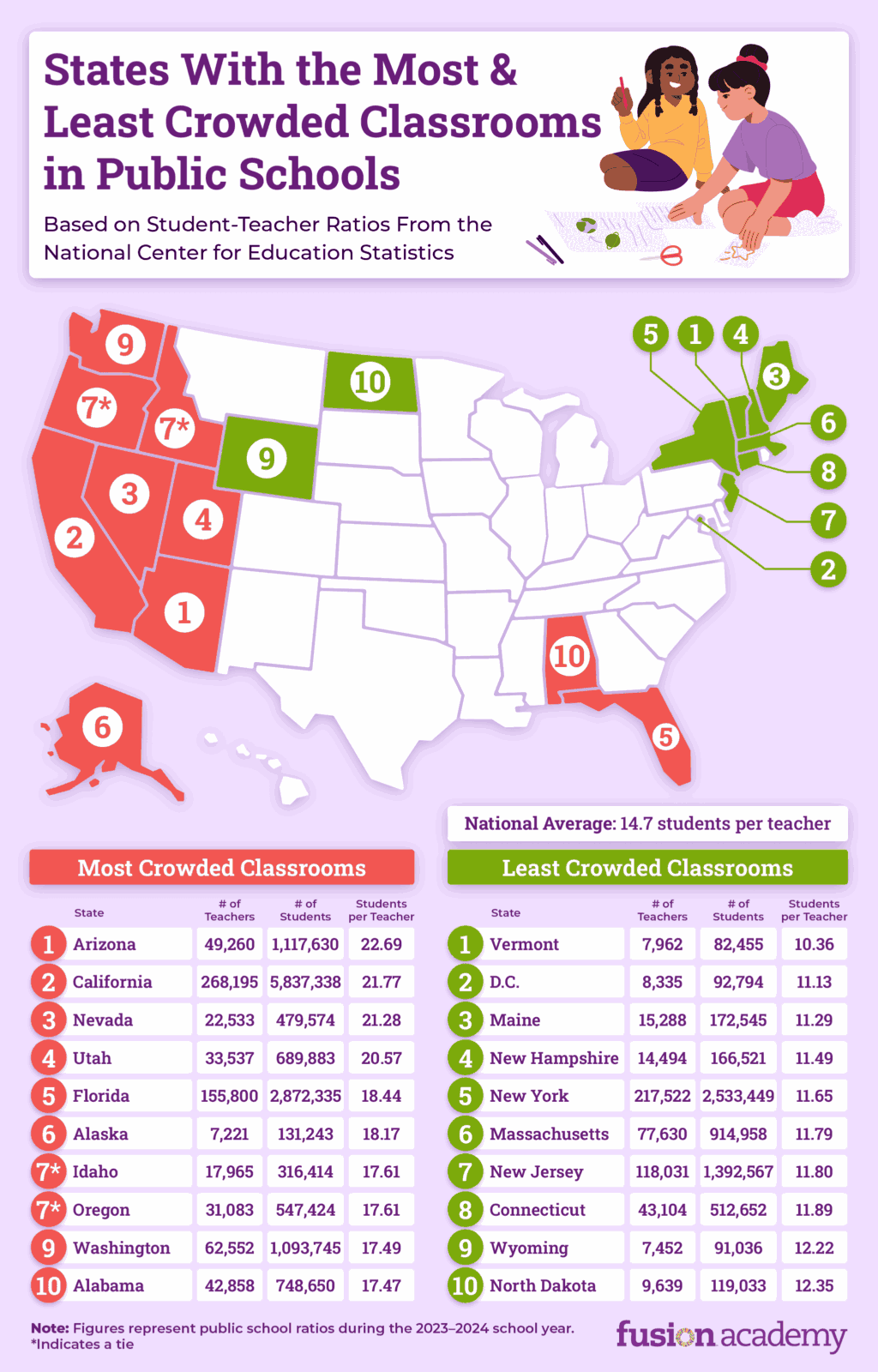
The universities in Arizona are powerful economic engines, creating jobs, fostering start-ups, and attracting research funding. Arizona State University, known for its massive scale and innovative approach, consistently ranks among the top universities for innovation. The University of Arizona in Tucson is a leading research institution, particularly strong in space sciences and optics. Northern Arizona University in Flagstaff excels in environmental science and hospitality. These institutions not only educate the next generation of professionals but also contribute to a dynamic intellectual and cultural lifestyle in their respective cities. Graduates often stay in Arizona, forming a highly educated workforce that drives the state’s economy and enriches its social fabric.
Lifelong Learning and Professional Development
Beyond traditional degree programs, Arizona’s higher education system provides ample opportunities for lifelong learning and professional development. Online courses, executive education programs, and community workshops cater to working professionals looking to upskill, reskill, or simply pursue personal interests. This culture of continuous learning is a vital aspect of a modern lifestyle, allowing individuals to adapt to changing job markets and remain competitive. For residents, this means access to resources that enhance their careers and personal growth, contributing to a richer, more engaged lifestyle within the state. The presence of these institutions also brings cultural events, sporting activities, and intellectual discourse, adding layers of enrichment to urban lifestyles in cities like Phoenix and Tucson.
The Economic-Educational Nexus: Attracting Talent and Investment
The educational attainment and skill level of a state’s population are direct indicators of its economic vitality and potential for future growth. Businesses, particularly those in high-tech, healthcare, and aerospace sectors (prominent in Arizona’s major metropolitan areas), actively seek locations with a strong educational infrastructure capable of producing a skilled and adaptable workforce. Arizona’s efforts in education, therefore, directly contribute to its attractiveness as a place for business, impacting the “Business Stays” that companies undertake when scouting new locations or expanding operations. A robust educational ecosystem supports a dynamic and innovative lifestyle for entrepreneurs and established companies alike.
Workforce Development and Industry Needs
Arizona’s universities and community colleges often collaborate with industries to tailor programs that meet specific workforce needs. This alignment ensures that graduates possess the relevant skills required by the state’s evolving economy, from advanced manufacturing in Mesa to technology hubs in Chandler. Such partnerships are crucial for fostering a lifestyle where career opportunities are abundant and the workforce is constantly being upskilled. The ability of Arizona’s educational institutions to produce a high-quality talent pool directly influences the state’s economic standing and its ability to attract and retain innovative companies.
Innovation and Entrepreneurial Ecosystems
Beyond direct workforce supply, a strong educational foundation fuels innovation and entrepreneurial spirit. University research often leads to new technologies, products, and services, forming the basis for start-up companies and attracting venture capital. Arizona’s universities play a pivotal role in creating these vibrant entrepreneurial ecosystems, contributing to a dynamic and opportunity-rich lifestyle for aspiring innovators. The proximity of research institutions to major cities provides a natural hub for collaboration between academia and industry, fostering a culture of innovation that defines a significant aspect of the modern professional lifestyle in Arizona.
Navigating Educational Improvements: A Commitment to Arizona’s Future Lifestyle
Like any state, Arizona faces ongoing challenges and opportunities in its educational system. Continuous efforts are being made by policymakers, educators, and communities to address areas needing improvement, such as teacher recruitment and retention, funding equity, and closing achievement gaps. These endeavors are not merely about improving statistics; they are about enhancing the quality of life and future prospects for all residents. Investments in education are investments in Arizona’s future lifestyle, ensuring that the state remains a desirable place for families to grow, businesses to thrive, and individuals to pursue their dreams.
State Initiatives and Policy Impact
Arizona has seen various state-level initiatives aimed at boosting educational outcomes, from increased funding for public schools to programs designed to support teachers and innovate classroom learning. Policies around school choice, charter schools, and digital learning continue to shape the educational landscape, offering diverse options for families. These policy decisions directly impact the lifestyle of parents and students, providing alternatives and opportunities that cater to different needs and philosophies. The long-term success of these initiatives will be critical in shaping Arizona’s reputation and its ability to offer an enriching lifestyle for all who call it home.

Community Involvement and Parental Choice
The future of Arizona’s education and, by extension, its lifestyle, also heavily relies on active community involvement and parental engagement. Local school boards, parent-teacher organizations, and community volunteer groups play a crucial role in supporting schools and advocating for educational improvements. Empowering parents with choices, whether through traditional public schools, charter schools, or homeschooling options, contributes to a diverse and responsive educational environment. This active participation strengthens communities and ensures that educational systems remain attuned to the evolving needs and aspirations of Arizona’s families, directly enhancing the quality of lifestyle experienced across the state.
LifeOutOfTheBox is a participant in the Amazon Services LLC Associates Program, an affiliate advertising program designed to provide a means for sites to earn advertising fees by advertising and linking to Amazon.com. Amazon, the Amazon logo, AmazonSupply, and the AmazonSupply logo are trademarks of Amazon.com, Inc. or its affiliates. As an Amazon Associate we earn affiliate commissions from qualifying purchases.