
The enigmatic question of soursop’s legal status in California often surfaces among culinary enthusiasts, health-conscious individuals, and curious travelers alike. While the tropical fruit, scientifically known as Annona muricata, is celebrated in many parts of the world for its unique flavor and purported health benefits, its presence in the Golden State is not as straightforward as one might expect. This exploration delves into the reasons behind these regulations, examining the intricate interplay of agricultural safety, import laws, and the protection of local ecosystems. Understanding these factors is crucial for anyone planning to experience this distinctive fruit, whether through local cultivation, importation, or during travels to regions where it thrives.

The Fruit’s Global Appeal and Its Shadow in California
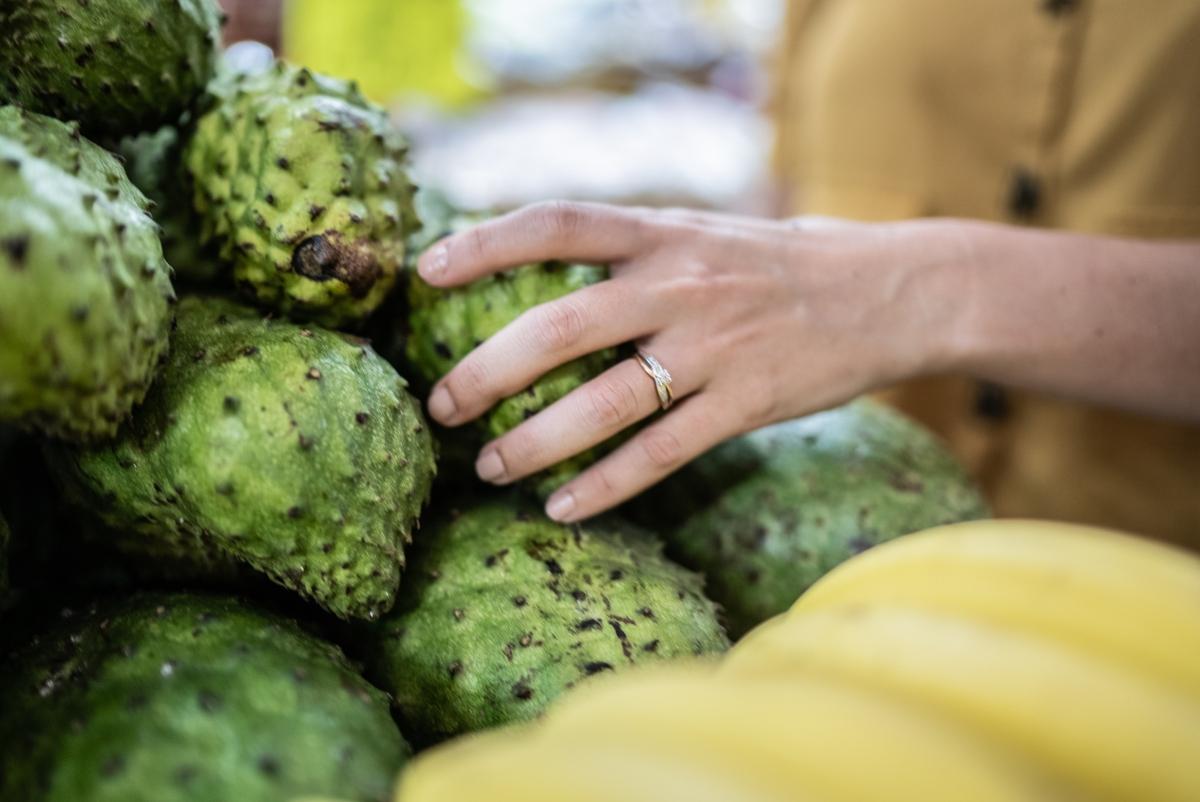
Soursop, often described as a spiky, green, heart-shaped fruit with a creamy, custard-like flesh and a flavor profile that blends strawberry, pineapple, and citrus notes, is a staple in many tropical and subtropical regions. From the Caribbean islands to Southeast Asia, its juice, ice cream, and culinary applications are widely enjoyed. The plant itself, a small evergreen tree, is indigenous to the tropical Americas and the Caribbean.
However, when it comes to California, direct importation and cultivation of the fresh fruit face significant hurdles. This is not due to the fruit itself being inherently dangerous or poisonous in typical consumption, but rather because of the stringent regulations governing agricultural imports designed to safeguard the state’s vast agricultural industry and natural environment.
Understanding Phytosanitary Regulations
The primary reason behind the restrictions on soursop in California lies in phytosanitary regulations. These are rules and measures established by governments to control the introduction and spread of plant pests and diseases. Fruits, vegetables, and other plant materials are often carriers of various pathogens, insects, and weeds that could wreak havoc on a region’s agriculture if introduced.
- Pest and Disease Introduction: Soursop plants and their fruits can potentially harbor pests and diseases that are not present in California or that could be devastating to local crops. For instance, certain fruit flies, mites, or fungal diseases might be endemic to the regions where soursop is grown and could pose a threat to California’s prized citrus, avocado, or other fruit orchards.
- Risk Assessment: Before any agricultural product can be imported into a state or country, it undergoes a rigorous risk assessment. This assessment evaluates the likelihood of pest or disease transmission and the potential economic and environmental impact if such a transmission were to occur. If the risk is deemed too high, or if effective mitigation strategies cannot be guaranteed, the import of the fresh fruit is prohibited.
- Quarantine Measures: To prevent the introduction of harmful organisms, many countries and states implement quarantine measures. This can involve strict inspection protocols, fumigation, irradiation, or outright bans on the importation of certain fresh produce. The United States Department of Agriculture (USDA) and the California Department of Food and Agriculture (CDFA) are the primary bodies responsible for enforcing these regulations.
The “Illegal” Misconception and Nuances of Regulation

It’s important to clarify that soursop isn’t entirely “illegal” in the sense of being a prohibited substance for personal consumption if legally obtained. The restrictions primarily apply to the unregulated importation of the fresh fruit and plant material. This means you cannot simply bring a soursop back from your vacation in Mexico or the Dominican Republic without declaring it and potentially having it confiscated. Similarly, commercial importation for sale requires extensive compliance with import permits, treatments, and inspections, which can be costly and complex.
- Processed Products: Often, processed soursop products, such as juices, pulps, or frozen extracts, may be legally available in California. These products have typically undergone processing that eliminates or significantly reduces the risk of pest or disease transmission. For example, pasteurization of juices kills most viable organisms.
- Seeds and Plants: The importation of soursop seeds or live plants is also subject to strict regulations. While it might be possible for hobbyists or researchers to obtain permits under specific conditions for scientific or educational purposes, general public importation of seeds or plants for cultivation is usually prohibited to prevent the establishment of the plant and any associated pests in the wild or in agricultural settings.
- Local Cultivation: While commercial cultivation of soursop is not widespread in California due to climate and regulatory hurdles, some adventurous home gardeners in suitable microclimates might attempt to grow it. However, acquiring plant material or seeds would still require navigating agricultural import laws.
Navigating the Soursop Landscape in California
For those in California who wish to experience the taste of soursop, there are avenues to explore, albeit indirectly. The key is to seek out products that have already met the state’s import and safety standards.
Sourcing Soursop Products
The most common way to enjoy soursop in California is through its processed forms.
- Ethnic Markets and Specialty Stores: Many international or ethnic grocery stores, particularly those catering to Latin American, Asian, or Caribbean communities, often stock soursop juice, pulp, or frozen soursop products. These are usually imported legally and have cleared the necessary inspections.
- Juice Bars and Restaurants: Some health-focused juice bars or restaurants that specialize in exotic fruits may offer soursop smoothies or blended drinks. These establishments are responsible for sourcing their ingredients legally.
- Online Retailers: While regulations can still apply to direct-to-consumer shipments of fresh produce, some online retailers specializing in tropical fruits might offer processed soursop products that are permitted for sale within California. It is always advisable to check the retailer’s shipping policies and the product’s origin.
Potential Future Developments
The agricultural landscape is dynamic, and regulations can evolve. While soursop is unlikely to become a major commercial crop in most of California due to its tropical requirements, advancements in pest management, controlled environment agriculture (like greenhouses), and evolving risk assessments could potentially open up new possibilities in the future for both cultivation and importation.
However, for the foreseeable future, the primary barriers to enjoying fresh soursop readily in California remain the robust phytosanitary regulations designed to protect the state’s vital agricultural sector and delicate ecosystems. Understanding these regulations is not about discouraging the enjoyment of exotic fruits but rather about appreciating the complex systems in place to ensure food safety and environmental integrity. For travelers visiting countries where soursop is abundant, it’s a delightful opportunity to savor it in its freshest form, a privilege facilitated by the very regulations that limit its unrestricted movement across borders.
LifeOutOfTheBox is a participant in the Amazon Services LLC Associates Program, an affiliate advertising program designed to provide a means for sites to earn advertising fees by advertising and linking to Amazon.com. Amazon, the Amazon logo, AmazonSupply, and the AmazonSupply logo are trademarks of Amazon.com, Inc. or its affiliates. As an Amazon Associate we earn affiliate commissions from qualifying purchases.