
Understanding the legal framework that governs personal interactions is a fundamental aspect of cultivating a responsible and informed lifestyle in any locale. For those considering a move to Arizona, planning an extended stay, or simply aiming to be a well-informed resident, comprehending the state’s laws is paramount. Among the various statutes that shape daily life and community well-being, the age of consent stands as a critical benchmark. It defines the legal age at which an individual is deemed capable of giving voluntary, informed consent to sexual activity, and its implications extend deeply into personal relationships, parental responsibilities, and the overall social fabric of a community. This legal threshold is not merely a numerical value; it represents society’s commitment to protecting its most vulnerable members and fostering an environment of safety and respect.
Understanding the Legal Landscape in Arizona
The legal system in Arizona, like in all U.S. states, establishes specific guidelines regarding the age of consent. These laws are designed to protect minors from exploitation and ensure that all individuals engaging in sexual activity do so willingly and with full legal capacity. For anyone living or spending significant time in the Grand Canyon State, knowledge of these statutes is not just good practice, but a necessary component of responsible citizenship and ethical conduct.
The Foundational Statute
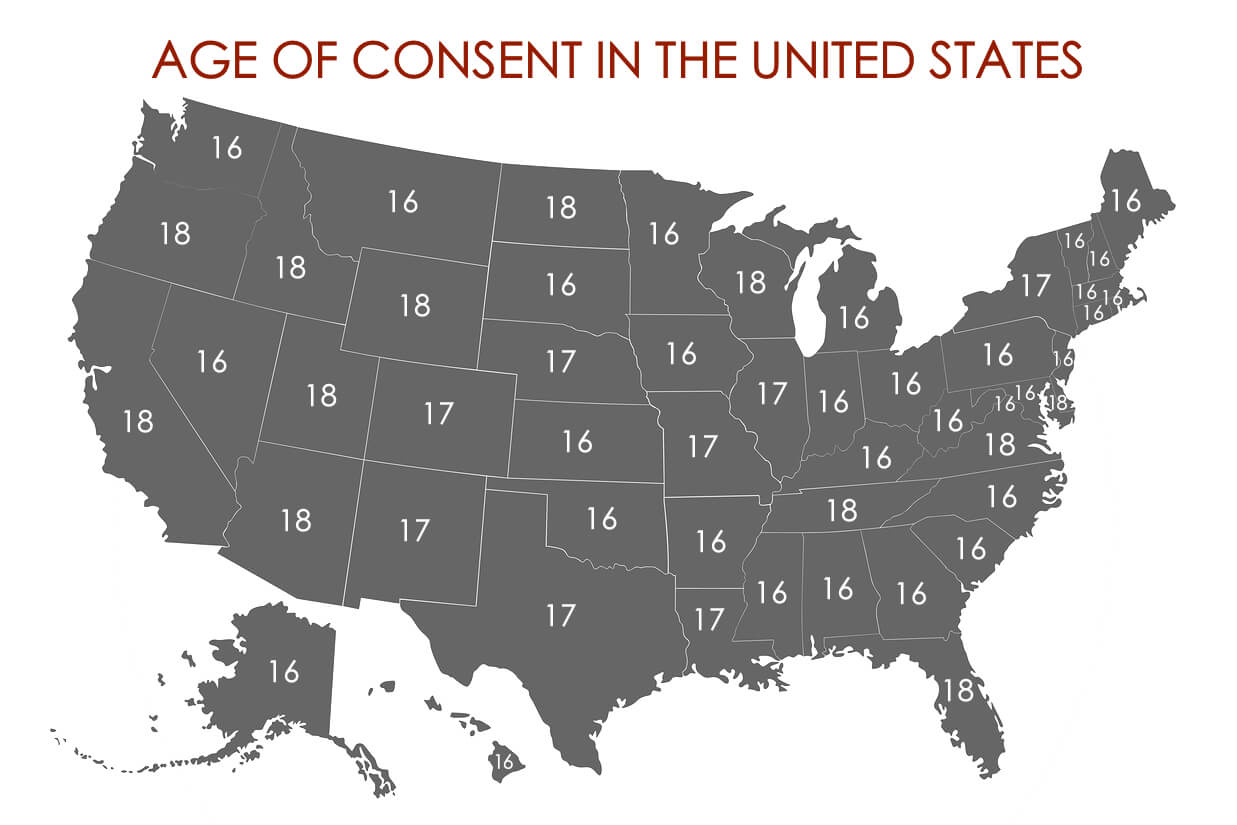
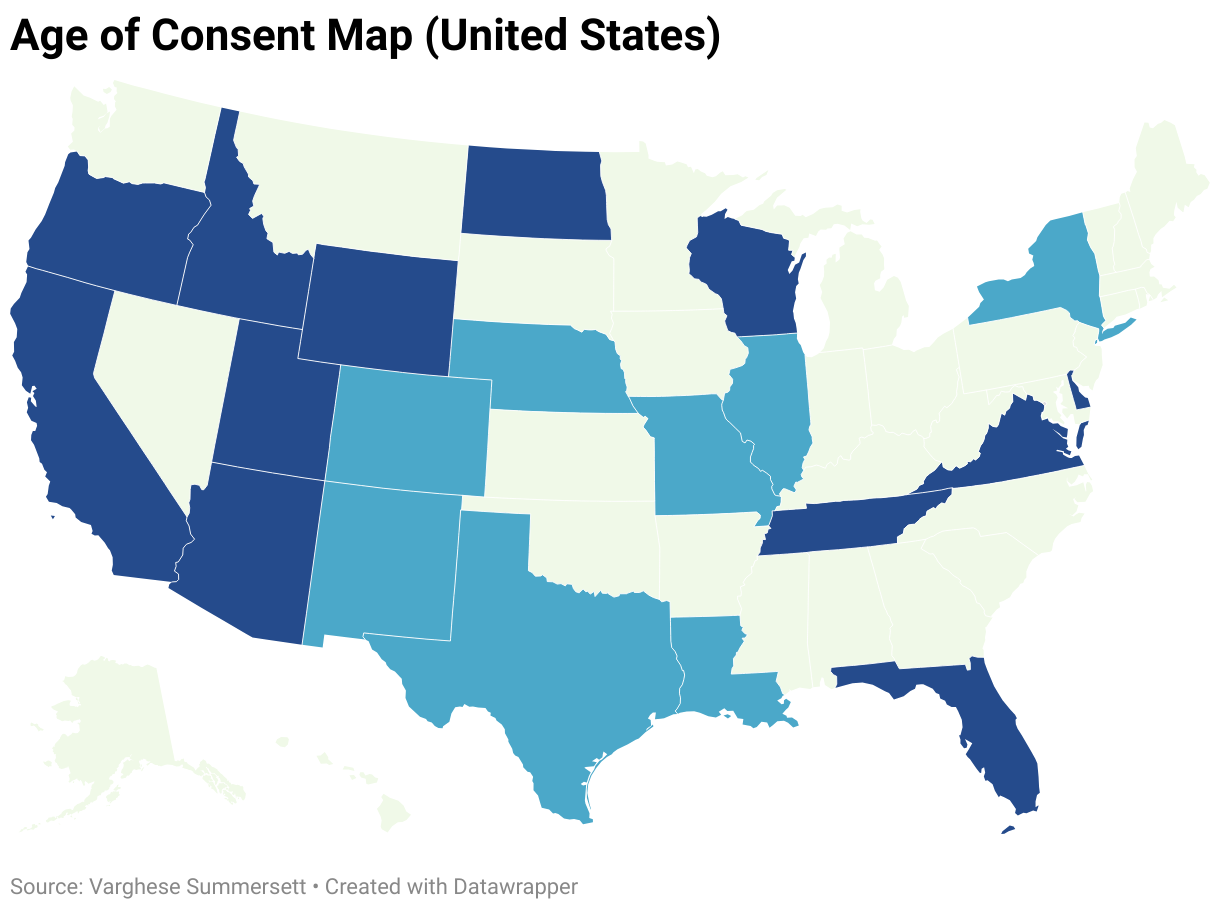
In Arizona, the age of consent is 18 years old. This means that any sexual activity with a person under the age of 18, regardless of how willing the minor may seem, is legally considered statutory rape. This is a felony offense with severe penalties, underscoring the seriousness with which Arizona law approaches the protection of minors. It’s crucial to understand that consent cannot be given by someone below this age, and any claim of consent from a minor will not serve as a legal defense. The law’s objective is to remove any ambiguity around the protection of individuals who are not yet considered adults in the eyes of the law, ensuring their safety and future well-being. This bright-line rule simplifies enforcement and provides clarity for all residents and visitors alike.
Distinguishing Consent from Maturity
It is often a misconception that a minor’s perceived maturity or willingness can override the statutory age of consent. However, Arizona law makes a clear distinction: emotional or physical maturity, or even an expressed desire to engage in sexual activity, does not equate to legal consent if the individual is under 18. The law presumes that individuals below this age lack the full capacity for judgment and understanding of the complex implications of sexual activity. This legal framework is built upon the principle that children and adolescents need comprehensive protection until they reach an age where they are legally recognized as adults, capable of making such significant life decisions independently. For parents, guardians, and any adults interacting with minors, this distinction is vital for maintaining appropriate boundaries and fulfilling their duty of care. Adhering to this legal standard is a cornerstone of a responsible lifestyle in Arizona, ensuring that individuals act within the confines of the law and contribute to a safe environment for youth.
Broader Lifestyle Implications for Residents and Visitors
Understanding the age of consent extends beyond mere legal compliance; it significantly impacts various aspects of lifestyle within a community. For residents of Arizona, particularly those with families or those involved in youth-centric activities, this knowledge shapes interactions and responsibilities. Similarly, visitors spending an extended period in the state, perhaps for work or study, must integrate this understanding into their daily lives to avoid inadvertent legal pitfalls and to demonstrate respect for local laws and customs.
Protecting Vulnerable Populations

The age of consent law is fundamentally about safeguarding the most vulnerable members of society: children and adolescents. By setting a clear legal boundary at 18, Arizona aims to prevent exploitation and abuse. For communities across the state, from bustling cities like Phoenix to quieter towns, this law underpins a collective responsibility to protect youth. It influences how schools operate, how youth organizations conduct their programs, and how community events are structured to ensure child safety. Individuals pursuing a lifestyle that involves working with minors—whether as teachers, coaches, mentors, or volunteers—must be acutely aware of these laws and their profound implications. Non-compliance can lead to devastating consequences, not only for the victims but also for the perpetrators, highlighting the societal imperative to uphold these protections.
The Role of Parental Responsibility and Guidance
For parents raising children in Arizona, understanding the age of consent is an indispensable part of their role. It provides a legal framework for discussions around healthy relationships, personal boundaries, and sexual education within the family unit. Parents are legally and morally obligated to guide their children towards responsible decision-making and to educate them about the laws that protect them. This includes fostering an open dialogue about consent, respect, and the potential risks associated with engaging in relationships with older individuals. Furthermore, parents must be vigilant in monitoring their children’s interactions, especially in the digital realm, where the lines of communication can often blur and predatory behaviors can sometimes hide. The Arizona Department of Child Safety and other state agencies provide resources and support to help families navigate these complex issues, emphasizing that a proactive approach to education and supervision is key to a safe and thriving family lifestyle.
Navigating Relationships: Legal and Ethical Considerations
Beyond the explicit legal statute, the age of consent informs a broader ethical framework for relationships in Arizona. For adults, it necessitates a deep understanding of responsibility and respect, particularly when interacting with individuals who may be approaching the age of majority. For young adults navigating newfound independence, it underscores the importance of legal literacy and responsible decision-making in their personal lives.
Digital Interactions and Online Safety
In today’s interconnected world, digital platforms play a significant role in how individuals, especially youth, connect and form relationships. The age of consent laws extend directly to online interactions. Engaging in any form of sexual communication or activity with a minor online carries the same severe legal penalties as in-person interactions. This aspect is particularly relevant for those whose lifestyles involve extensive digital engagement, whether for social, professional, or educational purposes. Adults must exercise extreme caution and judgment when interacting with individuals whose age is unknown or suspect online. For parents, educating children about online safety, privacy settings, and the dangers of sharing personal information is more critical than ever. The internet can be a valuable tool for connection, but it also presents unique challenges for safeguarding minors, requiring a vigilant and informed approach from everyone in the Arizona community. Organizations like the Arizona Attorney General’s Office often provide resources on online safety for minors.
Consequences of Non-Compliance
The legal ramifications of violating Arizona’s age of consent laws are severe and life-altering. As mentioned, statutory rape is a felony offense. Penalties can include lengthy prison sentences, substantial fines, and mandatory registration as a sex offender. Sex offender registration carries a lifelong stigma, severely impacting an individual’s ability to find housing, employment, and maintain social relationships. These consequences underscore the profound importance of understanding and adhering to the law. A conviction not only devastates the perpetrator’s life but also causes immense trauma to the victim and their family, disrupting the peace and safety of the broader community. For anyone establishing a lifestyle in Arizona, whether permanently or temporarily, recognizing these strict legal boundaries is crucial for personal integrity and contributing to a law-abiding society.
Seeking Further Information and Support
For those seeking more detailed information about Arizona’s age of consent laws or related statutes, consulting official legal resources is always recommended. The Arizona Revised Statutes (ARS) are publicly accessible and provide the most accurate and up-to-date legal text. Specifically, Title 13, Chapter 14 of the ARS addresses sexual offenses. Additionally, legal professionals specializing in criminal law can offer expert advice and clarification on specific scenarios.
If you or someone you know requires support related to sexual assault or exploitation, various organizations offer confidential help. Resources such as the National Sexual Assault Hotline (RAINN) or local victim advocacy centers in Arizona, often supported by agencies like the Arizona Coalition to End Sexual and Domestic Violence, provide crucial services, including crisis intervention, counseling, and legal advocacy. Understanding the age of consent is a critical component of responsible living, empowering individuals to navigate relationships ethically and contribute to a safer, more respectful community in Arizona. This knowledge forms an integral part of an informed and conscientious lifestyle, ensuring that all residents and visitors can thrive within the state’s legal and social framework.
LifeOutOfTheBox is a participant in the Amazon Services LLC Associates Program, an affiliate advertising program designed to provide a means for sites to earn advertising fees by advertising and linking to Amazon.com. Amazon, the Amazon logo, AmazonSupply, and the AmazonSupply logo are trademarks of Amazon.com, Inc. or its affiliates. As an Amazon Associate we earn affiliate commissions from qualifying purchases.