
Arizona, known for its breathtaking desert landscapes, vibrant cultural scene, and iconic natural wonders, entices travelers year-round. However, the state’s intense summer heat is a significant consideration for anyone planning a visit. Understanding Arizona’s unique climate cycle is key to determining when temperatures become most agreeable, allowing visitors to fully immerse themselves in everything this diverse state has to offer.
Understanding Arizona’s Climate Cycle
The climate in Arizona is largely characterized by its arid and semi-arid regions, leading to distinct seasonal patterns. While the state is synonymous with sunshine, the experience of that sun varies dramatically throughout the year, primarily due to elevation and seasonal shifts.
The Peak Summer Heat
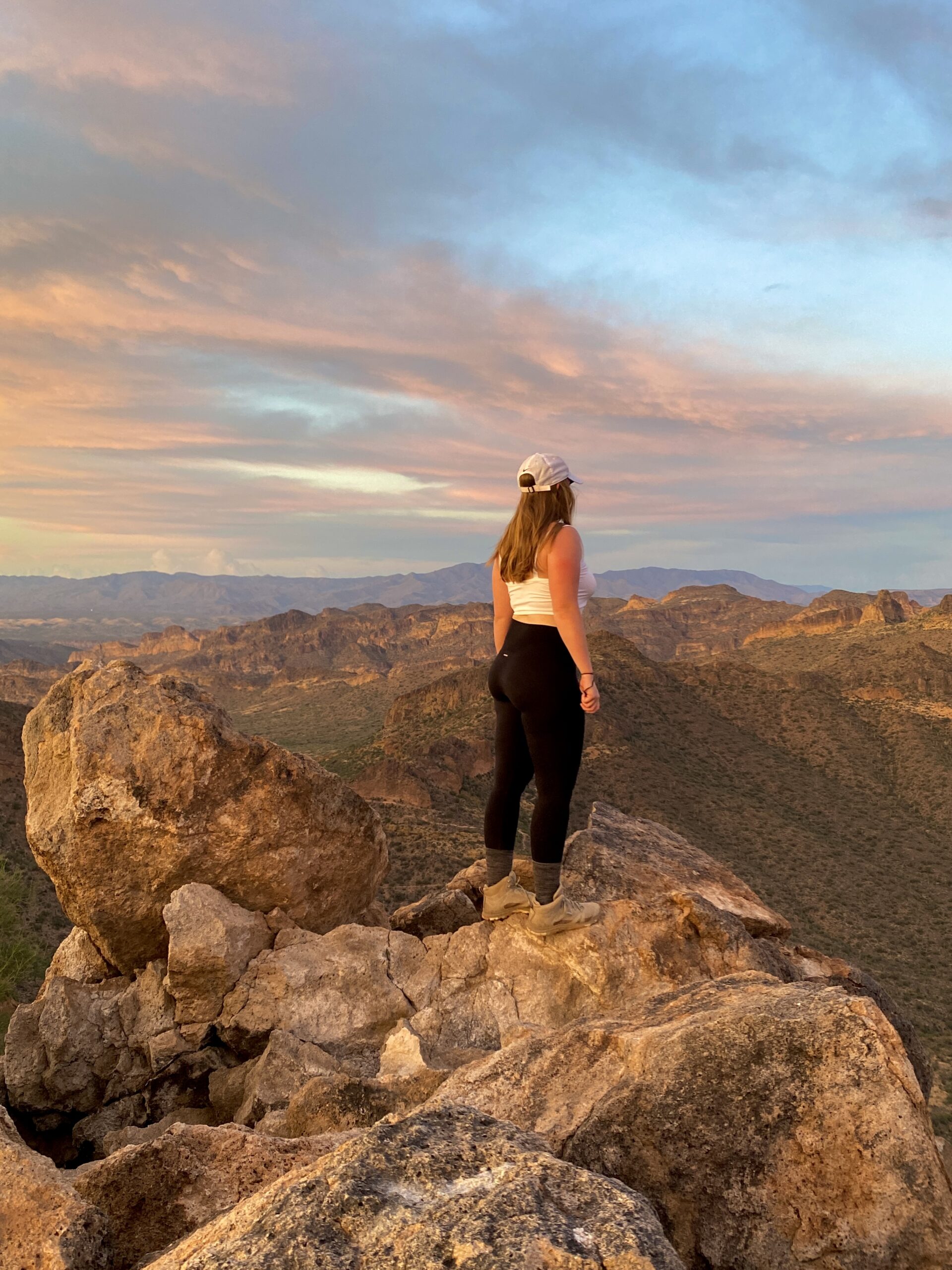
From late May through September, much of Arizona, particularly the low-desert areas like Phoenix and Tucson, experiences extreme heat. Daytime temperatures regularly soar above 100°F (38°C) and can often reach 110°F (43°C) or higher. Nights offer some reprieve, but even then, temperatures can remain in the 80s°F (27-32°C). This period is the least comfortable for outdoor activities in the southern half of the state. The dry heat, while often described as “bearable,” still poses significant health risks for those unaccustomed to it, making careful planning and hydration paramount. While locations like Sedona and the Grand Canyon are at higher elevations and generally cooler, they too experience warm to hot conditions during these months, though rarely reaching the scorching extremes of the desert floor. In Flagstaff, for example, summer temperatures are significantly milder, often in the 70s°F (21-26°C), offering a stark contrast to the southern cities.
Monsoon Season’s Arrival
The latter part of the summer heatwave in Arizona is frequently punctuated by the North American Monsoon, typically running from mid-June to mid-September. This phenomenon brings a dramatic shift in weather patterns, introducing increased humidity, powerful thunderstorms, torrential downpours, and even dust storms known as haboobs. While the monsoon provides some psychological relief from the relentless sun, it doesn’t significantly lower ambient temperatures in a lasting way. Instead, the air becomes heavier and muggier. The brief, intense storms can cause flash flooding in washes and low-lying areas, temporarily cooling the air immediately after rainfall, but the humidity often makes the heat feel more oppressive between storms. Despite the atmospheric drama, visitors should still expect hot conditions during this period, albeit with the added element of unpredictable weather events. The monsoon is a vital component of the desert ecosystem, but it is not the harbinger of cool weather many hope for.
The Gradual Transition to Autumn
The true cooling down process in Arizona begins in late September and truly takes hold in October. As the monsoon recedes and the sun’s angle shifts, daily high temperatures in Phoenix and Tucson typically drop into the 90s°F (32-37°C) in September and then into the comfortable 80s°F (27-32°C) by October. Nights become refreshingly cool, often falling into the 50s°F (10-15°C) or 60s°F (15-21°C) in the desert and even cooler in higher elevations. This period marks the unofficial end of the oppressive summer and the beginning of what many consider the prime visiting season. The transition is gradual, starting in the northern, higher-elevation parts of the state and slowly moving southward. By November, much of Arizona experiences exceptionally pleasant, mild weather, ideal for outdoor exploration and enjoying the state’s natural beauty without the threat of extreme heat.
The Sweet Spot: Best Times to Visit Arizona
Determining the “best” time to visit Arizona hinges entirely on temperature preferences and planned activities. For those seeking respite from the heat, the cooler months offer an unparalleled experience.
Fall Foliage & Mild Temperatures (October-November)
Autumn in Arizona is a truly magical time, particularly for those looking to enjoy comfortable weather and stunning scenery. By October, the intense summer heat has subsided across most of the state, yielding pleasantly warm days and cool, crisp nights. This period is ideal for hiking, exploring national parks, and city sightseeing without the oppressive temperatures. Destinations like Sedona shine with perfect hiking weather, and the red rocks glow under a gentler sun. Further north, Flagstaff and the White Mountains burst into vibrant fall colors, making October a premier time for scenic drives and enjoying the alpine environment. Even in the low desert, golf courses and outdoor patios become inviting again. November continues this trend, with temperatures remaining mild and comfortable, making it an excellent choice for a desert escape before the peak winter crowds. This window offers the perfect balance of weather and fewer crowds compared to the spring peak.
Winter Escapes & Desert Blooms (December-February)
While much of the United States shivers under winter’s grip, Arizona’s low deserts offer a glorious escape. From December through February, Phoenix and Tucson enjoy abundant sunshine and average daytime temperatures in the 60s°F (15-21°C), occasionally reaching the low 70s°F (21-26°C). Nights are cool, often dropping into the 40s°F (4-9°C), perfect for cozy evenings by a firepit. This season is prime for snowbirds seeking warmth, golfers, and anyone looking to explore the desert’s unique beauty. Hiking is delightful, outdoor events fill the calendars, and resorts are in full swing. Higher elevations, like Flagstaff and the Grand Canyon, experience a true winter with snow, offering opportunities for skiing and snowboarding or simply enjoying a snow-covered landscape. The contrast between the warm desert and snowy mountains, often just a few hours’ drive apart, is a unique aspect of an Arizona winter.

Spring’s Vibrant Return (March-May)
Spring is arguably the most popular and visually stunning time to visit Arizona, though temperatures begin to climb towards the end of the season. March and April bring ideal weather across the entire state. The desert bursts into life with vibrant wildflowers, especially after a wet winter, creating spectacular displays of color against the saguaros. Daytime temperatures in Phoenix and Tucson hover in the 70s°F (21-26°C) and 80s°F (27-32°C), perfect for exploring trails, attending spring training baseball games, and enjoying outdoor dining. Even the Grand Canyon begins to fully open up, with both the South Rim and North Rim of the Grand Canyon becoming more accessible as snow melts. However, by May, the low desert begins its ascent towards summer heat, with temperatures regularly reaching the 90s°F (32-37°C) and occasionally topping 100°F (38°C) by month’s end. This means early spring is the optimal time for widespread comfortable exploration, with late spring still viable for the higher elevations.
Regional Variations: Where to Find Cooler Climes Sooner
Arizona’s diverse topography means that “cooling down” happens at different rates across its various regions. Understanding these distinctions is crucial for selecting a travel destination that aligns with your preferred temperature.
Northern Arizona’s Respite
The northern regions of Arizona, characterized by higher elevations and mountainous terrain, offer a significant escape from the desert heat. Areas like Flagstaff, sitting at nearly 7,000 feet, often experience pleasant, mild summers with average daily highs in the 70s°F (21-26°C), even when Phoenix is baking above 100°F (38°C). The Grand Canyon (South Rim and North Rim of the Grand Canyon), Sedona, and the White Mountains similarly benefit from altitude, enjoying cooler temperatures and even experiencing four distinct seasons. These regions start to cool down significantly earlier than the southern desert, often by mid-September, and maintain much more agreeable temperatures throughout the summer months. For travelers specifically looking to avoid heat, Northern Arizona presents itself as a refreshing summer destination, offering hiking, camping, and outdoor exploration when the rest of the state is seeking shade. The cool mountain air provides a stark and welcome contrast.
Southern Arizona’s Extended Warmth
Conversely, the lower desert regions of Southern Arizona, including major metropolitan areas like Phoenix and Tucson, experience a more prolonged period of warmth. These areas are characterized by long, hot summers, where temperatures consistently remain high from late May through September. While the monsoon season brings humidity and dramatic thunderstorms, it offers only temporary and localized cooling. The true “cooling down” in these regions doesn’t genuinely begin until October, with November, December, January, February, and March being the most temperate and comfortable months for visitors. Even by late April and early May, temperatures can already be quite warm, hinting at the summer to come. Therefore, if your travel plans are focused on exploring the vibrant cities, resorts, and iconic saguaro-filled landscapes of Southern Arizona, it is best to aim for a visit between late fall and early spring to ensure the most comfortable experience.
Planning Your Arizona Adventure Around the Heat
Effective planning, especially concerning the climate, can transform an Arizona trip from challenging to unforgettable. Aligning your activities and expectations with the state’s distinct seasons is paramount.
Activities for Each Season
During the peak summer months (June-September), focusing on indoor attractions is wise. This includes exploring world-class museums in Phoenix like the Musical Instrument Museum or the Hearst Castle, visiting art galleries in Scottsdale, or indulging in resort amenities like air-conditioned spas and swim-up bars. Early morning hikes, starting before sunrise, are possible but require extreme caution and ample hydration. Water parks and lake activities also become popular. As temperatures cool in the fall (October-November), the possibilities expand dramatically. This is prime time for longer hikes in places like Sedona or the Superstition Mountains, exploring national parks such as Saguaro National Park near Tucson, and enjoying outdoor festivals. Winter (December-February) is perfect for golf, outdoor dining, and escaping colder climates. Spring (March-May), especially early spring, brings perfect weather for everything from hot air balloon rides over Phoenix to exploring the Grand Canyon.
Packing Essentials
Your packing list will vary significantly based on the season and region you plan to visit. For summer in the low desert, lightweight, breathable clothing, a wide-brimmed hat, sunglasses, and plenty of sunscreen are absolute necessities. Reusable water bottles are also crucial. During the monsoon season, add a light rain jacket. For fall and spring, layers are key; comfortable daytime wear can be supplemented with a light jacket or sweater for cooler mornings and evenings. If visiting Northern Arizona in these seasons, or the southern desert in winter, warmer jackets, hats, and gloves may be needed, especially for early mornings or late nights. For winter trips to the mountains, think full cold-weather gear, including waterproof outerwear, thermal layers, and sturdy boots. Always pack comfortable walking shoes, regardless of the season, as Arizona is a state meant for exploration.

Booking Strategies
Understanding Arizona’s climate also offers strategic advantages for booking travel. The shoulder seasons of late fall (November) and early spring (March) often provide a sweet spot of excellent weather and slightly fewer crowds or better deals than the peak winter months. Summer, while hot, is considered the “off-season” in the low desert. This means significant savings on accommodation, flights, and activities, especially in Phoenix and Tucson. If you’re heat-tolerant or plan to spend most of your time indoors or in water, summer can be a very budget-friendly option. Conversely, the peak winter months (January-February) and spring break season (March-April) command higher prices due to ideal weather and increased demand. Booking well in advance for these popular periods is advisable, particularly for sought-after resorts and national park lodging. Flexibility with dates, aligning with the “cooling down” period, can significantly enhance your Arizona travel experience.
LifeOutOfTheBox is a participant in the Amazon Services LLC Associates Program, an affiliate advertising program designed to provide a means for sites to earn advertising fees by advertising and linking to Amazon.com. Amazon, the Amazon logo, AmazonSupply, and the AmazonSupply logo are trademarks of Amazon.com, Inc. or its affiliates. As an Amazon Associate we earn affiliate commissions from qualifying purchases.