
The state of Arizona occupies a prominent position in the southwestern United States, a region renowned for its stunning desert landscapes, rich Native American heritage, and unique blend of cultures. Its geographical placement is central to defining its character as a premier travel destination, influencing everything from its diverse ecosystems to its major metropolitan areas and the types of experiences visitors can anticipate. Understanding Arizona’s location is the fundamental first step in planning any adventure within its vast and varied borders.
The Geographical Heart of the Southwest
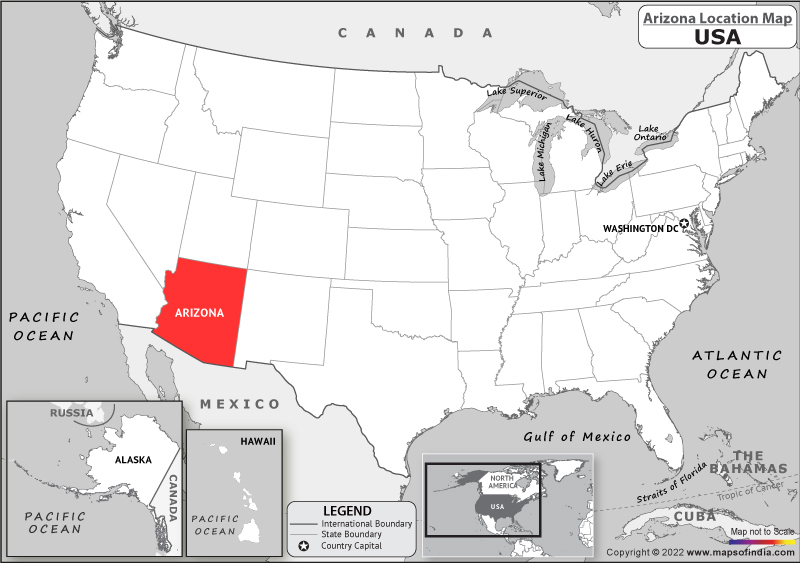
Arizona is situated in the southwestern corner of the United States, placing it squarely within the North American continent. It is the sixth-largest state by area, spanning approximately 113,990 square miles (295,234 square kilometers), which contributes significantly to its wide array of climates, topographies, and natural attractions. This expansive territory means that traveling from one end of the state to another can feel like traversing entirely different worlds, from scorching deserts to pine-covered mountains. Its position as a crossroads between disparate geographical and cultural regions profoundly shapes its travel appeal.
Borders and Neighbors
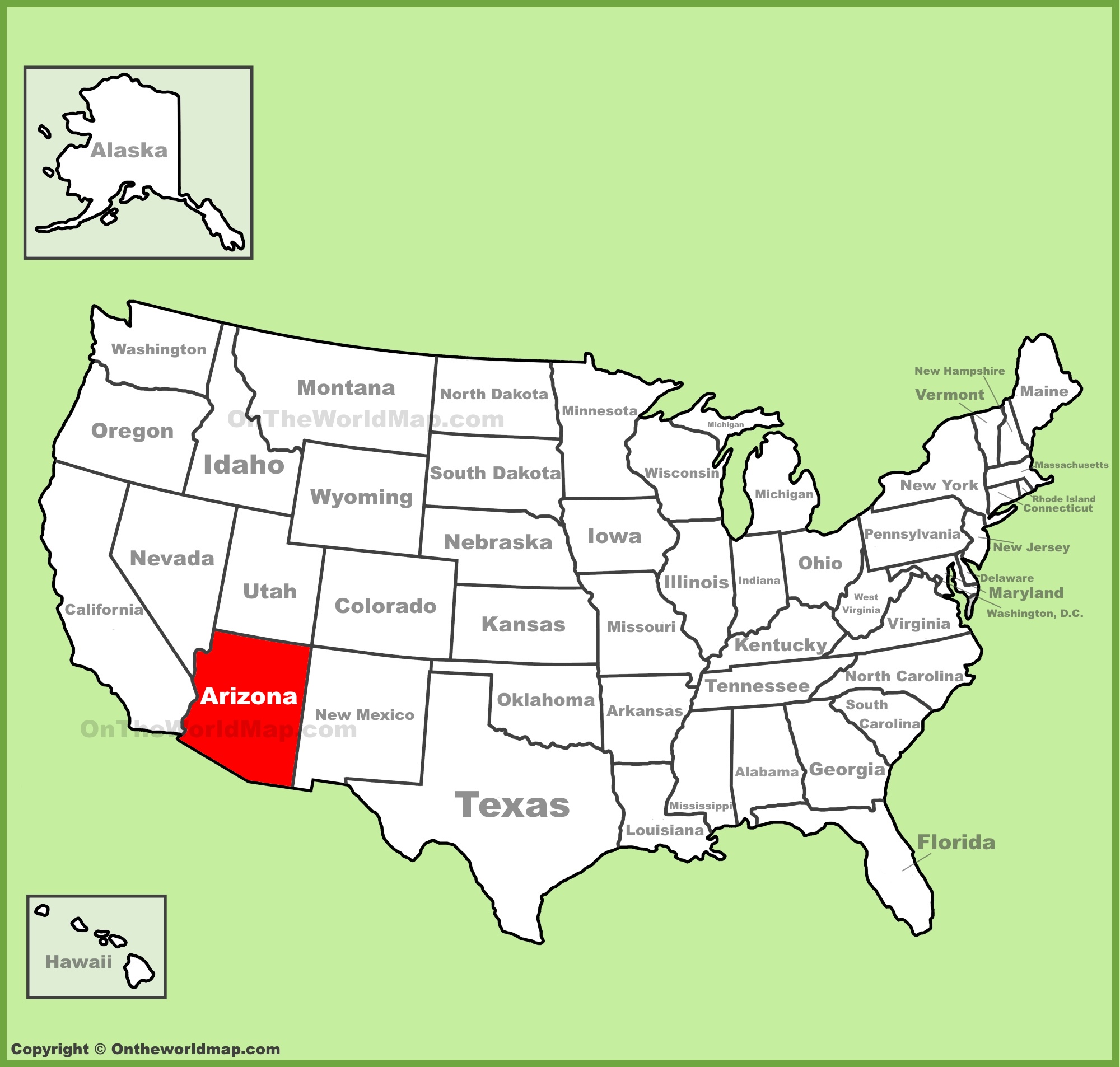
Arizona shares extensive borders with several neighboring states and an international boundary. To its west, it is bordered by California and Nevada, with the Colorado River forming much of this boundary, creating major recreational areas like Lake Mead and Lake Havasu. To the north, Utah lies adjacent, an area famously home to stunning red rock formations that extend into Arizona. The northeastern corner of Arizona is part of the Four Corners region, where it meets Utah, Colorado, and New Mexico at a single point, a unique geographical landmark. Its eastern flank borders New Mexico, sharing a blend of desert and mountainous terrain.
Perhaps most significantly, Arizona shares a long southern border with Mexico, particularly the state of Sonora. This international boundary has deeply influenced Arizona’s culture, cuisine, and demographics, contributing to its distinct Southwestern identity. The proximity to Mexico also facilitates cross-border travel and trade, offering unique cultural exchange opportunities for travelers exploring the border regions.
Key Entry Points
Accessing Arizona is primarily facilitated by air and major interstate highways. The state’s largest airport, Phoenix Sky Harbor International Airport (PHX), serves as a major hub for domestic and international flights, making Phoenix a natural gateway for most visitors. Other significant airports include Tucson International Airport (TUS) in the south and Flagstaff Pulliam Airport (FLG) in the north, offering more direct access to specific regions.
For road travelers, Interstates 10, 17, and 40 are the main arteries. I-10 runs east-west through Phoenix and Tucson, connecting California to New Mexico. I-17 extends north from Phoenix to Flagstaff, serving as the primary route to the state’s northern attractions. I-40 traverses the northern part of the state, following the historic Route 66 corridor, linking travelers from California to the Grand Canyon and beyond. These well-maintained highways make road trips through Arizona a popular and rewarding way to experience its diverse landscapes.
Diverse Topography Shaped by Location
Arizona’s location at the intersection of several major geological provinces results in an incredibly varied topography, offering a spectrum of environments that appeal to different types of travelers. This geographical diversity is arguably its most compelling feature.
The Desert South
The southern and western portions of Arizona are dominated by the Sonoran Desert, a unique ecosystem characterized by its iconic saguaro cacti, intense summer heat, and mild winters. This is where Phoenix, the state capital and largest city, is located, along with Tucson. Travel in this region during the cooler months (October to April) offers ideal conditions for hiking, golf, and exploring desert flora and fauna in places like Saguaro National Park. The desert’s dramatic sunsets and starlit nights provide a breathtaking backdrop for outdoor adventures. Further west, near the Colorado River and bordering California, are arid lands known for winter visitor havens like Yuma and Quartzsite.
The Mountainous Center and North
Moving north from the Sonoran Desert, the elevation steadily increases, leading into the Arizona Transition Zone and eventually the vast Colorado Plateau. This central belt features a dramatic rise in elevation, characterized by pine forests, cooler temperatures, and distinct four seasons. Cities like Prescott and Payson are nestled in these transitional zones, offering a respite from the desert heat. Further north, Flagstaff sits at over 7,000 feet (2,100 meters) in elevation, surrounded by the largest contiguous Ponderosa pine forest in the world, often receiving significant snowfall in winter. This area provides opportunities for skiing at Arizona Snowbowl and mountain biking, contrasting sharply with the desert below. The Verde Valley near Sedona also exemplifies this transition, blending desert cacti with red rock formations and riparian areas.
Iconic Natural Wonders
Arizona’s location is perhaps best known for hosting some of the world’s most iconic natural landmarks. The undisputed crown jewel, the Grand Canyon, carves its way across the northern part of the state, a testament to millions of years of geological forces, primarily the erosive power of the Colorado River. Its immense scale and breathtaking vistas draw millions of visitors annually, offering unparalleled opportunities for hiking, rafting, and sightseeing.
Beyond the Grand Canyon, Arizona’s unique geology has created a wealth of other natural wonders. Antelope Canyon and Monument Valley Navajo Tribal Park, located in the Navajo Nation in the northeastern part of the state, showcase dramatic slot canyons and towering sandstone buttes. Lake Powell, a vast reservoir formed by the Glen Canyon Dam on the Colorado River near the Utah border, is a popular destination for boating and water sports. The Petrified Forest National Park near the New Mexico border offers a glimpse into ancient ecosystems through its colorful fossilized wood. Even the impact crater of a massive meteor, the Meteor Crater, east of Flagstaff, serves as a fascinating example of its geological heritage.
Major Cities and Regional Hubs
Arizona’s urban centers are strategically located, often serving as convenient bases for exploring nearby natural attractions and cultural sites.
[Phoenix]: The Urban Oasis
As the state capital and the fifth-largest city in the United States, Phoenix is located in the heart of the Sonoran Desert in south-central Arizona. Its location provides a vibrant metropolitan experience amidst a desert backdrop, making it a hub for arts, dining, professional sports, and outdoor recreation. From Phoenix, travelers have easy access to hiking trails in the Sonoran Desert foothills, upscale resorts, and cultural institutions like the Desert Botanical Garden. Its central location also makes it an ideal starting point for day trips to Sedona, Prescott, or even the Grand Canyon (though an overnight stay is recommended for the latter).
[Tucson]: Southern Charm and Desert Science
Roughly two hours south of Phoenix, Tucson offers a distinct Southwestern charm, deeply rooted in its Spanish and Native American history. Located closer to the Mexico border, Tucson is surrounded by mountain ranges (like the Santa Catalina Mountains) and is home to both sections of Saguaro National Park. Its unique position fosters a strong astronomical community, with observatories dotting nearby mountains, and a renowned culinary scene. From Tucson, travelers can explore historic towns like Bisbee and Tombstone, or venture into the Chiricahua Mountains.
[Flagstaff] and [Sedona]: Gateway to Northern Wonders
In northern Arizona, Flagstaff serves as a critical gateway to the Grand Canyon, Monument Valley Navajo Tribal Park, and Page‘s slot canyons and Lake Powell. Its high-altitude, mountainous setting makes it a popular destination for outdoor enthusiasts seeking cooler temperatures and diverse recreational activities. A short drive south lies Sedona, famous for its striking red rock formations and perceived spiritual vortexes. Sedona’s location in the Verde Valley offers breathtaking scenery, art galleries, and abundant hiking trails, making it a favorite for wellness and scenic travelers.
Climate, Seasons, and Travel Considerations
Arizona’s diverse geography directly translates into significant climatic variations across the state, which is a crucial consideration for any travel planning.
Planning Your Visit
The southern desert regions, including Phoenix and Tucson, experience very hot summers (June to September) with temperatures often exceeding 100°F (38°C). The ideal time to visit these areas is during the mild, sunny winters (October to April). Conversely, the northern, higher-elevation areas like Flagstaff and the Grand Canyon have pleasant summers but cold, snowy winters. Therefore, a spring or fall visit (April-May or October-November) often provides the best balance, allowing travelers to comfortably explore both the desert and mountainous regions. Understanding these distinct climatic zones, which are a direct result of Arizona’s vertical and horizontal expanse, is essential for a comfortable and enjoyable trip.
Navigating the Vastness
Given its size, navigating Arizona requires thoughtful planning. Distances between major attractions can be considerable. For instance, the drive from Phoenix to the South Rim of the Grand Canyon is about 3.5-4 hours. To fully appreciate the state’s diversity, visitors often benefit from a multi-day itinerary that allows for exploration of different regions. Renting a car is highly recommended for flexibility, especially for accessing national parks and more remote scenic areas. For those less inclined to drive, organized tours are available from major cities to the Grand Canyon and other popular sites.

[Arizona]’s Position in the Broader Travel Landscape
Arizona’s location in the southwestern United States positions it perfectly as a standalone destination or as part of a larger regional itinerary. Its proximity to California’s national parks (like Joshua Tree or Death Valley), Utah’s “Mighty 5” national parks (Zion, Bryce Canyon, etc.), and Nevada’s Las Vegas makes it a natural complement to other iconic Western adventures. Travelers can easily combine a desert golf retreat in Phoenix with a visit to the Grand Canyon, or a trip to Las Vegas with an excursion to Lake Mead and the Hoover Dam on the Arizona-Nevada border. This strategic location offers unparalleled opportunities for diverse and comprehensive travel experiences across the American West.
LifeOutOfTheBox is a participant in the Amazon Services LLC Associates Program, an affiliate advertising program designed to provide a means for sites to earn advertising fees by advertising and linking to Amazon.com. Amazon, the Amazon logo, AmazonSupply, and the AmazonSupply logo are trademarks of Amazon.com, Inc. or its affiliates. As an Amazon Associate we earn affiliate commissions from qualifying purchases.