
The Golden State has long been a beacon for opportunity, innovation, and an unparalleled lifestyle, from its sun-kissed beaches to its towering redwoods. However, this vibrant existence comes with a well-known caveat: a high cost of living. For anyone considering moving to California, working in its diverse economy, or even just planning an extended stay, understanding the minimum wage structure in 2024 is not merely an economic detail; it’s a foundational element influencing daily life, discretionary spending, and the very fabric of one’s lifestyle within this dynamic state. The minimum wage dictates the baseline income for countless individuals, directly impacting their ability to afford housing, enjoy leisure activities, and participate in the myriad experiences California offers.
The Baseline for Living and Leisure in California
Understanding the minimum wage in California is the first step in comprehending the financial realities of its lifestyle. It sets the stage for budgeting, saving, and planning for everything from a weekend getaway to long-term financial stability.
Understanding the State Minimum Wage
Effective January 1, 2024, the statewide minimum wage in California is set to increase. For all employers, regardless of size, the general minimum wage across the state will be $16.00 per hour. This represents a significant increase from previous years and is among the highest statewide minimum wages in the United States. This figure serves as the floor, ensuring that workers are compensated at a level intended to provide a basic living standard. For individuals earning this wage, every dollar is critical in managing the high cost of living prevalent in many parts of California. Their financial lifestyle, therefore, is intimately tied to this hourly rate, dictating how much disposable income they might have for leisure, dining out, or even local travel.
Variances in Local Ordinances
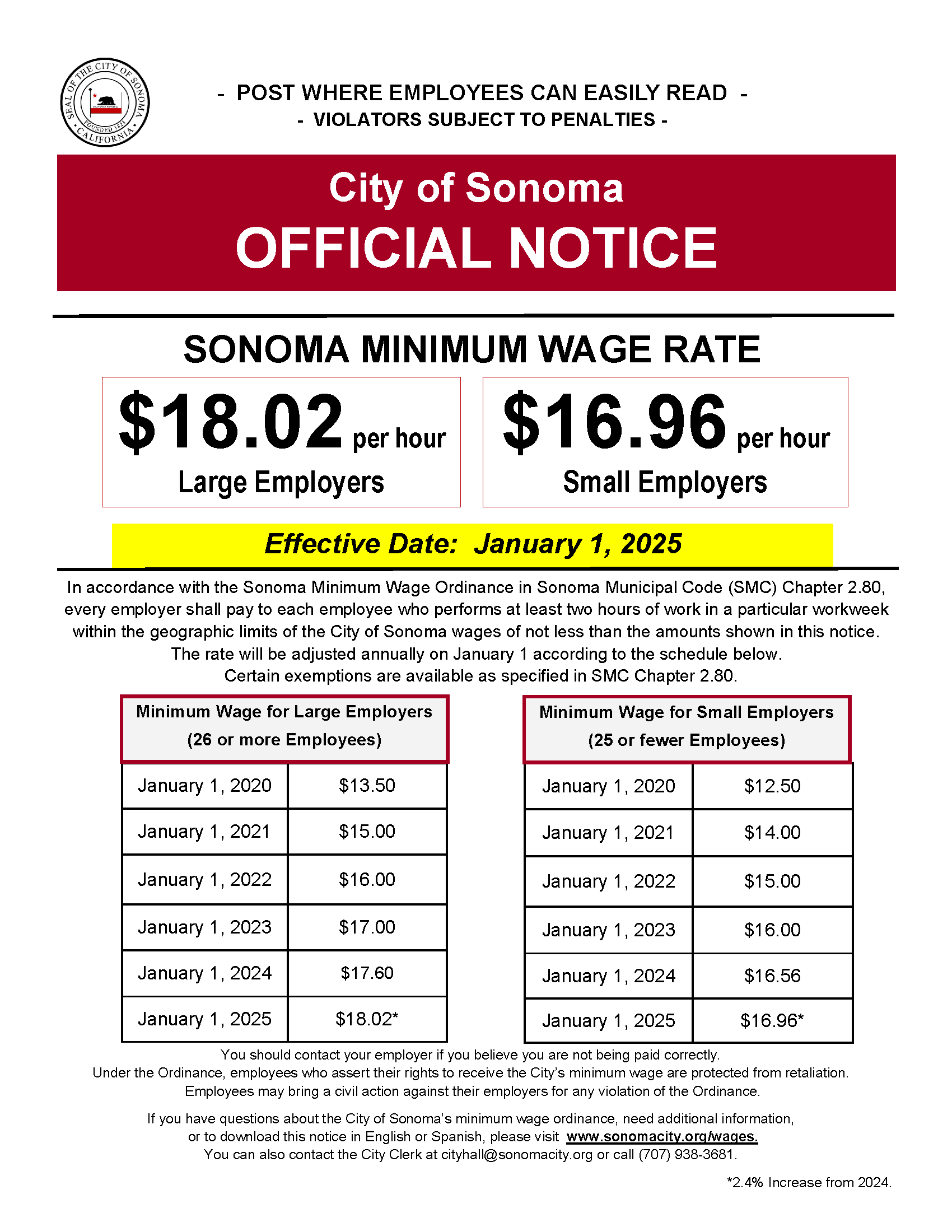
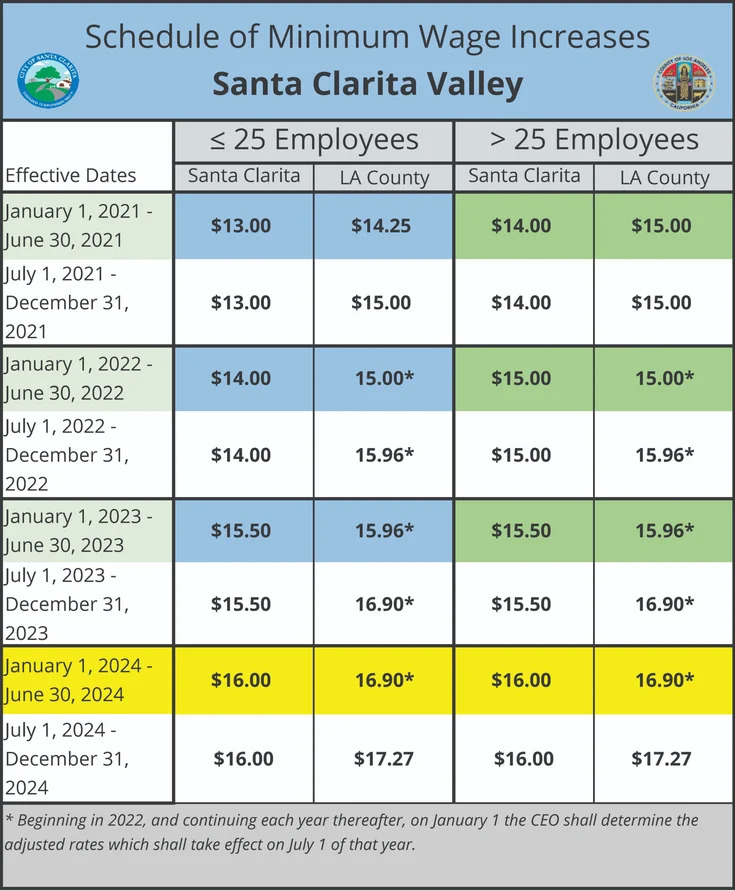
While the state minimum wage provides a crucial baseline, California is unique in that many cities and counties have enacted their own local minimum wage ordinances that often exceed the state rate. This creates a patchwork of wage rates across the state, profoundly affecting the lifestyle economics in different regions. For example, cities like Los Angeles, San Francisco, San Diego, Oakland, Berkeley, and Santa Monica all have their own specific minimum wage rates, which are typically adjusted annually. In some of these high-cost-of-living areas, the local minimum wage can be significantly higher than the state’s $16.00 an hour.
This regional variation means that the financial landscape for individuals varies widely depending on where they live and work within California. Earning $18 or $19 an hour in a city like San Francisco or Berkeley offers a different level of purchasing power and lifestyle flexibility compared to earning $16 an hour in a lower-cost area of the state. These local adjustments are vital for workers striving to maintain a decent quality of life in expensive urban centers, impacting their ability to participate in local culture, enjoy recreational activities, or even save for future endeavors like property ownership or significant travel experiences. Understanding these local nuances is essential for anyone trying to navigate the complex economic realities of California living.
Impact on Daily Living and Discretionary Spending
The minimum wage isn’t just a number; it’s the foundation upon which an individual’s lifestyle is built. In a state like California, where expenses can be extraordinarily high, the implications of the minimum wage on daily living and the capacity for discretionary spending are profound.
Cost of Essentials vs. Minimum Earnings
The most immediate impact of the minimum wage is on the affordability of basic necessities. Housing, transportation, food, and healthcare consume a significant portion of an individual’s income in California. Even with the $16.00 statewide minimum wage, and higher local rates, a full-time worker earning minimum wage often faces a tight budget. For example, the median rent for a one-bedroom apartment in major metropolitan areas can easily exceed $2,000-$3,000 per month. This means that a substantial portion, if not the majority, of a minimum wage earner’s monthly income ($16/hour * 40 hours/week * 4 weeks/month = $2,560 pre-tax) can be consumed by housing alone.
This reality significantly limits the financial flexibility for other essential expenses and often requires individuals to make difficult lifestyle choices. Budgeting becomes an art form, with every purchase scrutinized. The pursuit of a comfortable lifestyle, which might include regular dining out, recreational activities, or membership to local gyms and clubs, can become challenging. Workers often resort to living with roommates, commuting long distances, or taking on multiple jobs to make ends meet, fundamentally shaping their daily routines and overall well-being.
Budgeting for Leisure and Travel
Beyond basic necessities, the minimum wage directly influences an individual’s capacity for discretionary spending, especially on leisure and travel – core components of a fulfilling lifestyle. For many minimum wage earners in California, spontaneous weekend trips to Yosemite or a wine-tasting tour in Napa Valley may seem out of reach. These activities, while quintessential California experiences, often come with significant costs for accommodation, transportation, and activities.
However, the pursuit of leisure doesn’t entirely disappear. Instead, it transforms. Minimum wage earners often prioritize affordable, local experiences: free community events, public parks, hiking trails, and budget-friendly day trips. They might opt for camping over hotels, packed lunches over restaurant meals, and public transportation or carpooling over ride-shares or personal vehicles. This careful budgeting shapes a distinct “budget California lifestyle” where creativity and resourcefulness are key to enjoying the state’s beauty and attractions. While it may limit lavish vacations, it fosters an appreciation for accessible leisure and local gems, demonstrating that a rich lifestyle is not solely dependent on high income but also on smart planning and prioritization.
Implications for California’s Service Economy
The minimum wage in California has a bidirectional relationship with the state’s vast service economy. It directly impacts the operational costs for businesses, particularly those in hospitality, retail, and tourism, while simultaneously influencing the purchasing power of consumers and the overall economic landscape for a broad segment of the population.
Wages in Hospitality and Tourism
California’s hospitality and tourism sectors are major employers, encompassing everything from hotels and restaurants to theme parks and tour operators. Many roles within these industries—such as hotel housekeepers, restaurant servers, retail associates, and entry-level positions in attractions—are often paid at or near the minimum wage. The 2024 minimum wage increase, both statewide and in various cities, directly translates to higher labor costs for these businesses.
For hotels, resorts, and restaurants, this means recalibrating operational budgets. Businesses might adjust pricing for services, optimize staffing levels, or invest in efficiency-boosting technologies to absorb these increased costs. This delicate balance seeks to maintain profitability while providing competitive wages. From a lifestyle perspective, this could mean slightly higher prices for hotel rooms, dining experiences, or attraction tickets, impacting the budget of both local residents and visitors who wish to indulge in California’s leisure offerings. However, it also means that the employees working in these critical sectors have a better chance at affording the very amenities and experiences they help to deliver, fostering a more equitable participation in the California dream.
Consumer Prices and Lifestyle Choices
The adjustments made by businesses in response to minimum wage changes invariably ripple through to consumer prices. Higher labor costs, particularly in a service-oriented economy like California’s, often lead to price increases for goods and services. This phenomenon, while sometimes debated, is a practical reality for many businesses striving to maintain margins. For consumers, this translates to a slightly higher cost for everyday purchases, from a cup of coffee to a haircut, and certainly for more significant expenditures like a weekend staycation or a meal at a popular restaurant.
These elevated consumer prices directly influence lifestyle choices. For those on a fixed income or earning just above minimum wage, every price increase demands a re-evaluation of spending habits. It might mean fewer meals out, opting for home-cooked meals more frequently, or choosing more budget-friendly entertainment options. For tourists, it underscores the importance of pre-trip budgeting and seeking value-oriented experiences. Ultimately, the interplay between minimum wage, business costs, and consumer prices creates an intricate economic environment that shapes the practicalities and possibilities of the “Californian lifestyle” for both residents and those visiting the state.
Navigating California on a Budget
Living or traveling in California doesn’t always have to equate to exorbitant expenses, even with the state’s high cost of living and rising minimum wage impacting prices. With strategic planning and a keen eye for value, a fulfilling and enriching California lifestyle is accessible to many, including those mindful of their budget.
Affordable Experiences for Residents and Visitors
California is blessed with an abundance of natural beauty and cultural richness, much of which can be enjoyed for free or at a low cost. For residents and visitors alike, embracing these accessible options is key to a budget-friendly lifestyle.
- Outdoor Adventures: California’s state parks, national forests, and countless hiking trails offer breathtaking scenery without an entry fee (or a minimal one). Explore the coastal beauty of Big Sur, hike among the giant sequoias, or enjoy a sunset at one of the many public beaches. Picnics amidst nature are a cost-effective alternative to expensive restaurant meals.
- Cultural Immersion: Many cities offer free walking tours, public art installations, and free museum days. Explore neighborhoods on foot, soak in the architecture, and visit farmers’ markets for local flavors and vibrant community atmospheres. Local festivals and community events often provide free entertainment and cultural experiences.
- Budget-Friendly Dining: Instead of upscale restaurants, seek out food trucks, ethnic eateries, or local delis for delicious and more affordable meals. Grocery shopping and preparing meals at home or in accommodation with kitchenettes can significantly cut down on food expenses, allowing more room in the budget for unique experiences.
These options enable individuals to fully engage with the California lifestyle without straining their finances, proving that an enriching life in the Golden State isn’t solely reserved for the affluent.

Strategic Planning for California Lifestyles
Effectively managing a California lifestyle, particularly on a minimum wage income or a tight budget, requires deliberate planning.
- Housing Smart: For residents, this often means considering less expensive areas outside major metropolitan hubs or embracing shared living arrangements. For visitors, researching budget accommodations like hostels, guesthouses, or vacation rentals outside city centers can provide significant savings.
- Transportation Efficiency: Public transportation networks in major California cities like Los Angeles and San Francisco can be an economical way to get around. For longer distances, carpooling or utilizing ride-share services judiciously, alongside planning routes to avoid tolls, can help manage costs. Fuel efficiency is another important consideration for car owners.
- Prioritize and Allocate: A key aspect of a successful budget California lifestyle is prioritizing spending. Determine what experiences or amenities are most important and allocate funds accordingly. This might mean sacrificing a fancy dinner for an unforgettable concert or choosing a local brewery over an expensive cocktail bar.
The 2024 minimum wage in California establishes a financial benchmark that, while generous compared to many other states, still necessitates careful financial management to thrive in its high-cost environment. By understanding the economic realities and adopting smart planning strategies, individuals can sculpt a vibrant and enjoyable lifestyle that aligns with their financial means, making the dream of living or experiencing California accessible and sustainable.
LifeOutOfTheBox is a participant in the Amazon Services LLC Associates Program, an affiliate advertising program designed to provide a means for sites to earn advertising fees by advertising and linking to Amazon.com. Amazon, the Amazon logo, AmazonSupply, and the AmazonSupply logo are trademarks of Amazon.com, Inc. or its affiliates. As an Amazon Associate we earn affiliate commissions from qualifying purchases.