
Arizona, often hailed as the Grand Canyon State, is renowned for its breathtaking landscapes, vibrant culture, and, perhaps most notably, its intense heat. For travelers planning an adventure to this southwestern gem, understanding the climatic realities is paramount. The question, “Why is it so hot in Arizona right now?” often arises, especially during the summer months when temperatures can soar to triple digits. The answer lies in a complex interplay of geography, meteorology, and seasonal patterns that define this unique desert environment, making it crucial for visitors to prepare adequately for a truly enjoyable travel experience.

The Climatic Reality of the Grand Canyon State
Arizona’s climate is largely dictated by its position within the continent and its diverse topography. While the state boasts varying elevations, the majority of its popular tourist destinations, particularly in the southern half, lie within arid or semi-arid desert regions.
Geography and the Sonoran Desert Influence
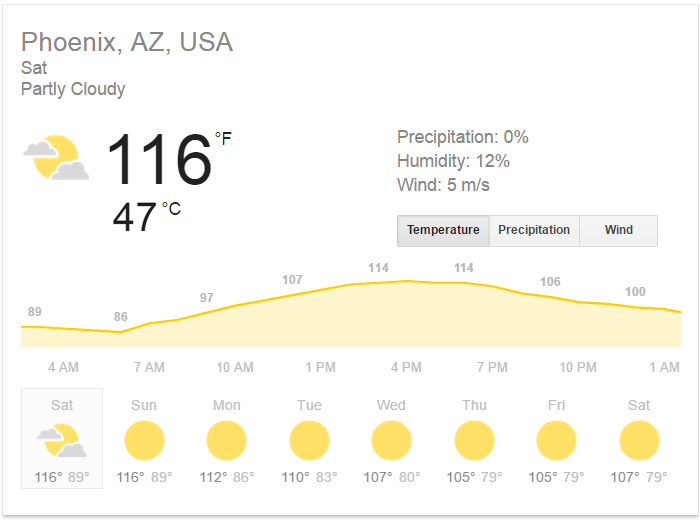
Much of central and southern Arizona is situated within the Sonoran Desert, one of the hottest deserts in North America. This region is characterized by low humidity, minimal rainfall, and abundant sunshine throughout the year. The lack of significant cloud cover allows solar radiation to penetrate directly to the surface, heating the ground intensely. Furthermore, the desert landscape itself, composed of rocks and sand, absorbs and radiates heat efficiently, contributing to the high ambient temperatures. The low elevation of cities like Phoenix and Tucson also plays a critical role, as air masses compress and warm as they descend to these lower altitudes. The geographic basin in which Phoenix sits acts like a bowl, trapping hot air and amplifying the heat island effect from urban development. This combination of factors creates a natural furnace, especially during the peak summer months.
Seasonal Norms vs. Extreme Heatwaves
While high temperatures are a normal, expected feature of Arizona’s summer, occasional extreme heatwaves can push temperatures well beyond seasonal averages. These heatwaves are often driven by strong high-pressure systems that park over the region, suppressing cooler air and forcing temperatures to climb even higher. These anticyclonic conditions lead to clear skies and sinking air, which warms as it descends, creating a dome of heat. During such events, daily records can be broken, and the duration of these extreme temperatures can pose significant challenges for residents and travelers alike. It’s not uncommon for parts of Arizona to experience consecutive days of temperatures exceeding 110°F (43°C) or even 120°F (49°C) during these periods. Travelers should always check local forecasts and advisories when planning their trip, as conditions can fluctuate.
Understanding the “Dry Heat” Phenomenon
The concept of “Arizona dry heat” is frequently discussed, and while it’s true that the low humidity makes high temperatures feel somewhat different than humid heat, it doesn’t diminish the danger. In a dry environment, the body’s sweat evaporates more quickly, which provides a cooling sensation. This rapid evaporation can, however, deceive individuals into underestimating their rate of dehydration. The perception of comfort can lead to insufficient water intake, making dry heat potentially more insidious than humid heat, where profuse sweating acts as a more obvious warning sign of the body’s struggle to cool down. It is vital for travelers to understand that “dry heat” still means extreme heat, demanding rigorous hydration and caution.
Planning Your Arizona Adventure: Embracing the Heat
Traveling to Arizona during its hotter periods requires strategic planning to ensure a comfortable and memorable experience. Rather than avoiding the heat entirely, many find ways to embrace it or seek refuge in cooler alternatives.
Best Time to Visit and Avoiding Peak Summer
For those sensitive to extreme heat, the ideal time to visit central and southern Arizona is during the cooler months, typically from October through April. During this period, temperatures are mild and pleasant, perfect for outdoor activities like hiking, golf, and exploring desert landscapes. However, if your travel plans necessitate a summer visit, focus on destinations in northern Arizona, such as Flagstaff, which sits at a higher elevation and offers significantly cooler temperatures, often 20-30 degrees Fahrenheit lower than Phoenix. Even within the hotter regions, early morning or late evening activities can provide a comfortable window for exploration, allowing you to enjoy the unique desert beauty without direct sun exposure during the hottest parts of the day.
Strategies for Desert Exploration in High Temperatures
Exploring the vast and stunning deserts of Arizona during hotter months demands a specific approach. If hiking, always start at dawn. Trails in areas like Saguaro National Park or the Phoenix Mountain Preserve can become dangerously hot by mid-morning. Carry at least one gallon of water per person for even short hikes, wear wide-brimmed hats, light-colored, loose-fitting clothing, and high-SPF sunscreen. Inform someone of your hiking plans and expected return time. Many trails are simply not advisable during the hottest parts of the day from late May through early September. Consider exploring attractions that are more accessible by car, like scenic drives, or those with visitor centers offering air-conditioned relief and educational exhibits about the desert ecosystem.
Water Activities and Cooling Off Spots

One of the most effective ways to beat the Arizona heat is to seek out water-based activities. The state boasts numerous lakes and rivers where visitors can swim, kayak, paddleboard, or simply relax by the water’s edge. Lake Havasu, home to the relocated London Bridge, is a popular destination for boating and water sports. Other notable spots include Lake Pleasant near Phoenix and the Colorado River which carves through the Grand Canyon and forms part of the state’s western border. Many resorts in Phoenix and Scottsdale feature elaborate pool complexes, often with lazy rivers, waterslides, and swim-up bars, offering a luxurious way to stay cool. Public splash pads and community pools are also prevalent in urban areas, providing refreshing breaks for families.
Must-Visit Destinations and Heat-Resilient Experiences
Arizona’s appeal extends beyond its climate, offering a wealth of attractions that can be enjoyed even when temperatures soar, provided you plan smart.
Scottsdale and Phoenix: Urban Oasis Strategies
The metropolitan areas of Phoenix and Scottsdale are major travel hubs, and while they experience some of the state’s highest temperatures, they are also equipped with extensive infrastructure to combat the heat. World-class resorts offer expansive, temperature-controlled pools, luxurious spas, and a plethora of indoor dining and entertainment options. Cultural attractions like the Musical Instrument Museum, the Desert Botanical Garden (best visited at opening or closing), and numerous art galleries provide stimulating experiences in air-conditioned comfort. For evenings, Old Town Scottsdale comes alive with restaurants, bars, and boutiques, where the cooler night air makes for pleasant strolls. Many golf courses also offer twilight rates, allowing golfers to enjoy a round as the sun sets and temperatures drop.
Sedona and Northern Arizona: Higher Elevations, Cooler Escapes
To truly escape the intense heat, a journey north is often the best strategy. Sedona, famous for its stunning red rock formations, enjoys significantly milder temperatures due to its higher elevation. While still warm in summer, it’s far more tolerable than Phoenix, making its hiking trails and spiritual sites more accessible. Further north, Flagstaff is a true mountain town nestled in the largest contiguous ponderosa pine forest in the world. Its elevation of 7,000 feet (2,134 meters) ensures cool summers, making it an ideal base for exploring the Grand Canyon (which also has varying microclimates depending on rim vs. inner canyon) or Monument Valley. Even Antelope Canyon near Page, while in a hotter region, offers a unique, shaded experience within its slot canyon walls.
Unique Attractions Adapting to the Climate
Beyond the well-known destinations, Arizona offers unique attractions that have adapted to its climate. Underground tours, such as those at the Grand Canyon Caverns or the Colossal Cave Mountain Park, provide a naturally cool environment, often staying at a constant 70°F (21°C) year-round. Visits to significant historical sites like Taliesin West, Frank Lloyd Wright’s winter home and architectural school in Scottsdale, often involve indoor portions and guided experiences designed to manage visitor comfort. Additionally, many wineries in southeastern Arizona, particularly around Sonoita and Elgin, offer tasting rooms that are delightfully cool, providing a pleasant respite from the heat while sampling local vintages.
Staying Safe and Comfortable: Essential Travel Tips
Regardless of when you visit or where you go, prioritizing safety and comfort is key to a positive Arizona travel experience.
Hydration and Sun Protection Protocols
The most critical advice for travelers in Arizona is to stay relentlessly hydrated. Drink water constantly, even if you don’t feel thirsty, and avoid excessive alcohol and sugary drinks which can contribute to dehydration. Electrolyte-rich beverages can also be beneficial, especially during strenuous activity. Sun protection is equally important: always wear high-SPF sunscreen, reapplying frequently, especially after swimming or sweating. A wide-brimmed hat, UV-protective sunglasses, and lightweight, long-sleeved clothing are essential for minimizing sun exposure. Seek shade whenever possible, particularly between 10 AM and 4 PM, when the sun’s rays are most intense.
Recognizing Heat-Related Illnesses
Familiarizing yourself with the symptoms of heat-related illnesses is vital. Heat exhaustion symptoms include heavy sweating, cold, clammy skin, nausea, muscle cramps, dizziness, and headache. If these occur, move to a cool place, lie down, loosen clothing, and sip water. Heat stroke is a medical emergency, characterized by a body temperature of 104°F (40°C) or higher, hot, red, dry or damp skin, confusion, slurred speech, and loss of consciousness. If you suspect heat stroke, call emergency services immediately. Never leave children, pets, or vulnerable individuals unattended in a vehicle, even for a short period, as interior temperatures can skyrocket within minutes.
Leveraging Indoor Attractions and Early Mornings/Late Evenings
Smart scheduling is your best tool for navigating Arizona’s heat. Plan outdoor activities for the early morning hours, typically before 9 AM, or in the late evening, after 6 PM. During the hottest part of the day, from late morning through afternoon, focus on indoor attractions. This could include exploring museums, shopping centers, art galleries, or enjoying a leisurely lunch at an air-conditioned restaurant. Many hotels and resorts offer early morning yoga classes or late-night stargazing events, allowing guests to experience the desert’s magic during its most comfortable hours. Driving during these cooler times can also make road trips more pleasant and reduce strain on your vehicle. By adopting these strategies, travelers can transform what might seem like an obstacle into an opportunity to experience Arizona’s unique charm at its best.
LifeOutOfTheBox is a participant in the Amazon Services LLC Associates Program, an affiliate advertising program designed to provide a means for sites to earn advertising fees by advertising and linking to Amazon.com. Amazon, the Amazon logo, AmazonSupply, and the AmazonSupply logo are trademarks of Amazon.com, Inc. or its affiliates. As an Amazon Associate we earn affiliate commissions from qualifying purchases.