
Boston, the historic capital of Massachusetts, is renowned for its vibrant culture, iconic landmarks, and distinct seasonal changes. For travelers considering a winter visit to this New England gem, understanding the city’s typical snowfall is crucial for planning an enjoyable and well-prepared trip. While snow adds a picturesque charm to Boston’s cobblestone streets and historic architecture, it also necessitates careful consideration of travel logistics and appropriate gear.
Boston’s Winter Climate: An Overview
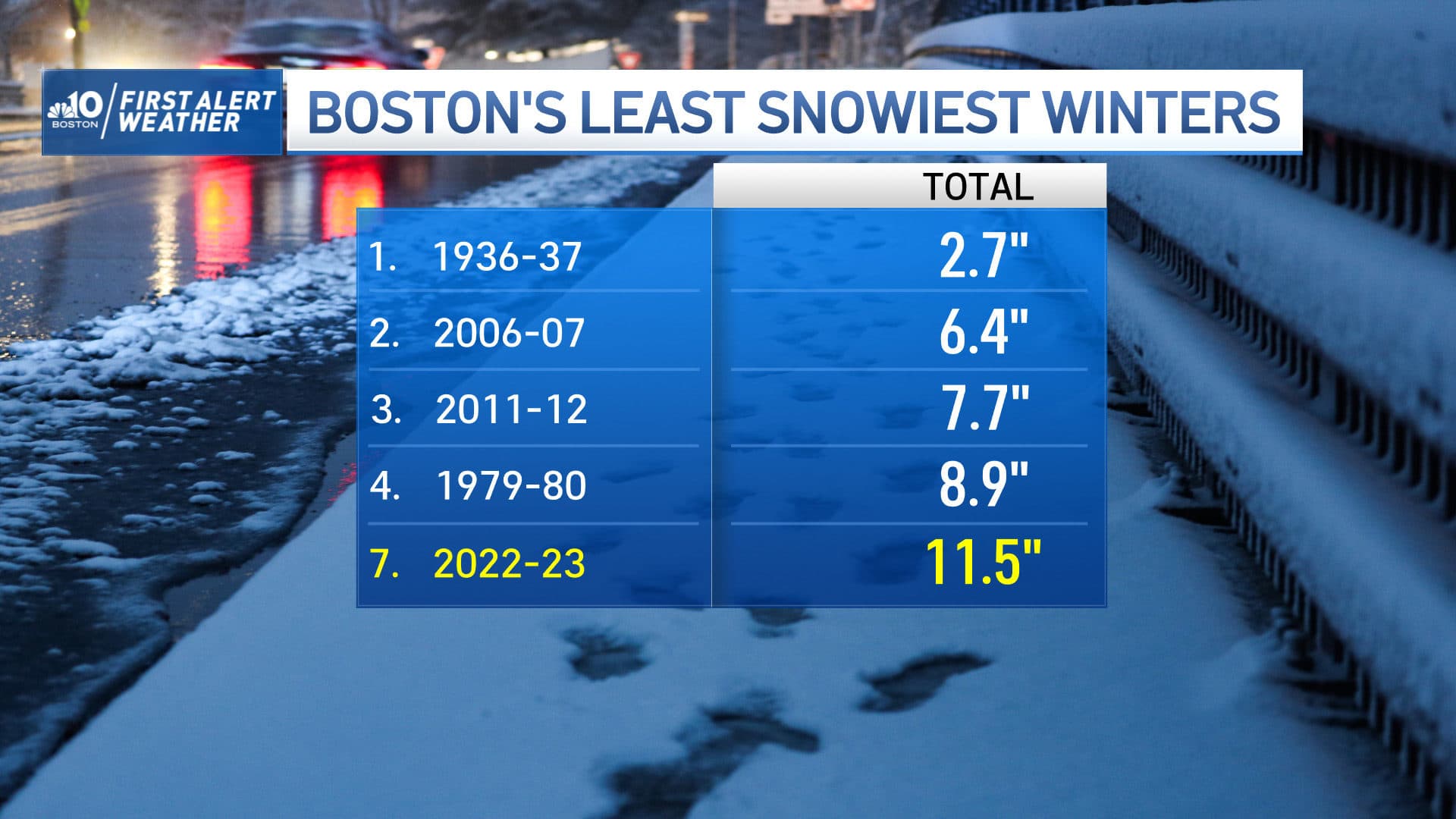
Boston experiences a humid continental climate, characterized by warm, humid summers and cold, snowy, and often windy winters. The city’s proximity to the Atlantic Ocean plays a significant role in its weather patterns, particularly concerning snowfall. On average, Boston receives about 43 to 45 inches (109 to 114 cm) of snow annually. This average can vary considerably from year to year, with some winters seeing much less and others experiencing significantly more.

For perspective, this puts Boston in a mid-range compared to other major US cities. For example, New York City typically averages around 25-30 inches, while Chicago often sees upwards of 35-40 inches. Cities further north or at higher elevations, like Buffalo or those in Colorado, can receive substantially more.
The bulk of Boston’s snowfall generally occurs between December and March, with January and February being the peak months for accumulation. During these months, it’s not uncommon for the city to experience several significant snowstorms, often driven by powerful coastal low-pressure systems known as Nor’easters. These storms can bring heavy snowfall, strong winds, and occasional blizzard conditions, capable of depositing a foot or more of snow in a single event.
Historically, Boston has seen its share of record-breaking winters. The winter of 2014-2015, for instance, was legendary, with the city receiving over 110 inches (279 cm) of snow, nearly triple the annual average. Such extreme winters, while not typical, underscore the potential for substantial snow and the importance of being prepared when traveling to the city during the colder months.
Navigating Winter in the Hub
A winter visit to Boston, affectionately known as the Hub, requires practical considerations, especially regarding movement and attire. While the city is well-equipped to handle snow, travelers should be aware of potential impacts.
Transportation During Snow Events
Boston’s public transportation system, the MBTA (Massachusetts Bay Transportation Authority), commonly known as “the T,” is a lifeline for residents and visitors alike. During major snowstorms, the MBTA typically continues to operate, though service can be delayed or modified. Subway lines, especially the underground portions, are generally more reliable than buses, which can be affected by road conditions. It’s always advisable to check the MBTA website or app for real-time updates before heading out.
Driving in Boston during or immediately after a snowstorm can be challenging. Streets may be slippery, and parking regulations often change to facilitate snow removal, sometimes requiring cars to be moved to specific “snow emergency” parking areas. For most visitors, relying on public transport, ride-sharing services, or simply walking is often the most practical approach, especially in the compact downtown areas.
For those flying into Boston, Logan International Airport is highly efficient in snow removal. However, significant Nor’easters can still cause flight delays or cancellations, impacting inbound and outbound travel. Always confirm flight statuses with your airline well in advance during winter weather.
Essential Packing for a Boston Winter Trip
Proper attire is paramount for enjoying Boston in the snow. Layers are key, allowing you to adjust to temperature changes whether you’re indoors exploring a museum or outdoors strolling through a park.
Start with a moisture-wicking base layer, add an insulating mid-layer (fleece or wool are excellent choices), and top it with a waterproof and windproof outer shell. A warm winter coat is a must. Waterproof boots with good traction are indispensable for navigating slushy sidewalks and icy patches; consider bringing an extra pair if your first pair gets wet. Don’t forget accessories: a warm hat that covers your ears, waterproof gloves or mittens, and a scarf will make a significant difference in comfort, especially on windy days. Hand warmers can also be a pleasant addition for extended outdoor activities.
Winter Activities and Attractions in Boston
Despite the cold and snow, Boston remains a vibrant destination in winter, offering a unique charm and a host of activities that cater to all interests.
Embracing the Snow: Outdoor Fun
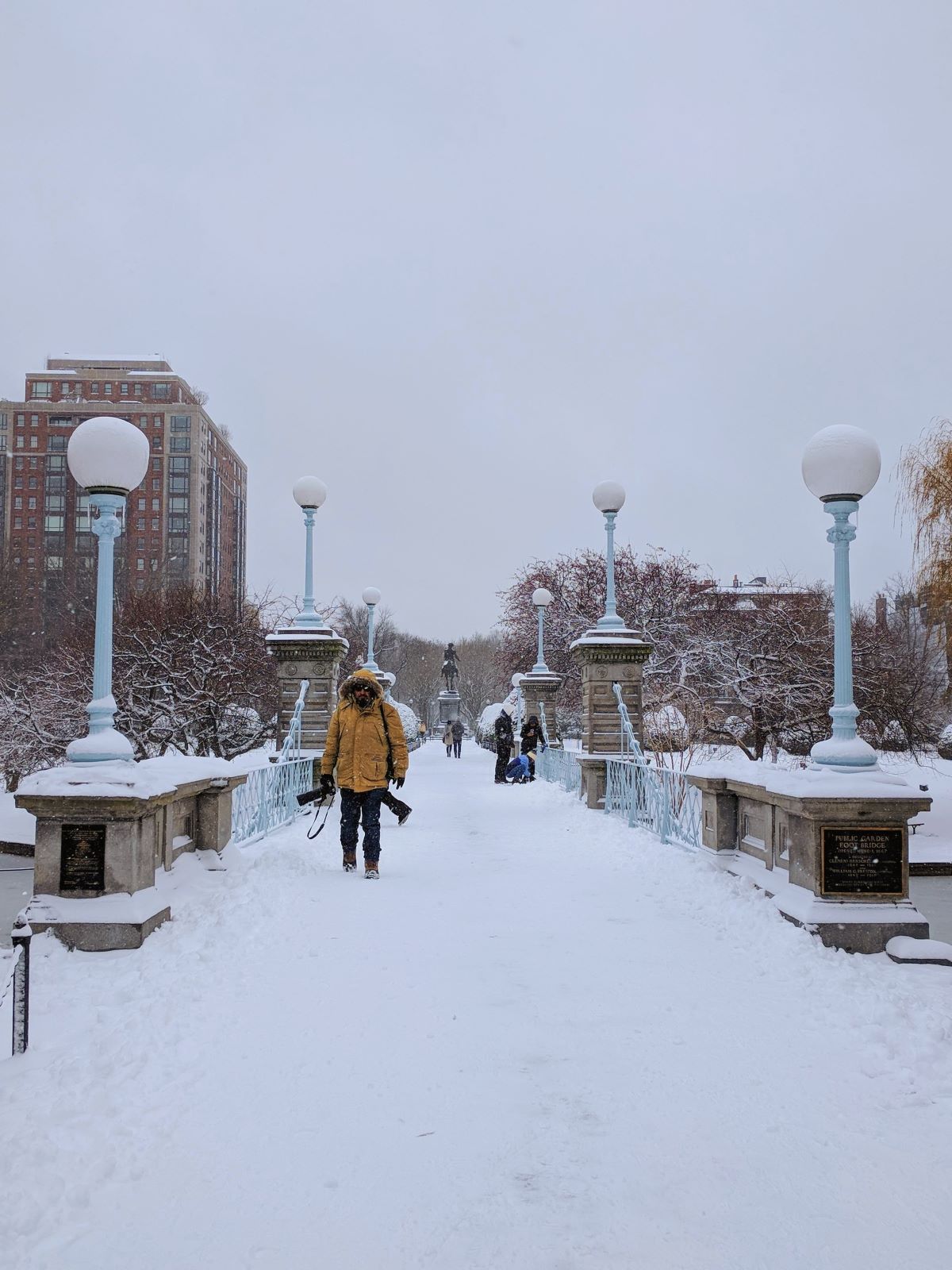
When the snow blankets the city, Boston transforms into a picturesque wonderland, perfect for those who embrace the chill. Ice skating at the iconic Frog Pond on the Boston Common is a quintessential winter experience, offering views of the city skyline and historic surroundings. Nearby, the Public Garden becomes a serene landscape, with snow-dusted trees and frozen ponds, ideal for a peaceful walk (ensure paths are cleared and safe).
Exploring historic neighborhoods like Beacon Hill or the North End after a fresh snowfall reveals a storybook setting, with gas lamps glowing against white backdrops. For a bit of active fun, popular sledding spots can often be found in various city parks, though official locations may vary by snow depth and city regulations. Even a walk along the Charles River Esplanade can be breathtaking, offering panoramic views of the frozen river and the cityscape.
Indoor Escapes from the Cold
For those seeking refuge from the cold or wanting to experience Boston’s cultural richness indoors, the city offers an unparalleled array of museums, historical sites, and performance venues.
Art enthusiasts can spend hours at the Museum of Fine Arts, home to an extensive collection spanning various cultures and periods, or immerse themselves in the unique ambiance of the Isabella Stewart Gardner Museum, a Venetian-style palace housing a world-class collection. The Museum of Science provides interactive exhibits for all ages, perfect for a family day out.
History buffs will find plenty to explore along the Freedom Trail, many of whose sites, like Faneuil Hall, the Old State House, and Paul Revere’s House, offer warmth and engaging exhibits. Catching a show at one of Boston’s magnificent theaters, such as the Boston Opera House or the Wang Theatre, is also a perfect way to spend a winter evening.
And, of course, no winter trip to Boston would be complete without indulging in its culinary scene. Cozy up in a historic pub for some classic New England clam chowder, explore the diverse eateries in the North End for hearty Italian fare, or enjoy fine dining in a warm, inviting atmosphere. The city’s coffee shops and bakeries offer perfect havens for a hot drink and pastry to ward off the chill.
Planning Your Winter Boston Getaway
For travelers who specifically wish to experience Boston under a blanket of snow, the period from late December through February offers the highest probability of seeing significant snowfall. However, if your goal is to explore the city with fewer weather-related disruptions, early December or late March might be preferable, as snowfall is typically less intense.
Flexibility is a key aspect of planning a winter trip to Boston. Be prepared for potential travel delays, especially if a major storm is forecasted. Booking refundable accommodations and flights can provide peace of mind. Keeping a close eye on weather forecasts in the days leading up to and during your trip is highly recommended.
Visiting Boston in winter has its unique advantages beyond the scenic beauty. Crowds at popular attractions are generally smaller than during the peak tourist seasons of summer and fall. Many hotels may offer off-season rates, making it a potentially more budget-friendly time to visit. The holiday season, in particular, transforms Boston into a festive spectacle, with decorations and events adding to its charm.
Boston’s Preparedness for Winter Weather
Boston is a city that understands snow. Its municipal services are well-versed in managing winter conditions. The city has extensive snow removal plans, including plowing and salting operations that activate quickly during and after storms. Sidewalks in commercial and residential areas are generally cleared promptly by property owners, though conditions can vary.
Despite the city’s robust efforts, navigating icy patches and slushy corners is an inevitable part of a winter visit. The overall impact on the visitor experience is often minimal, provided travelers are adequately prepared with appropriate clothing and a flexible attitude. The transformation of Boston’s historic streets into a winter wonderland is a sight to behold, offering a distinct travel experience that contrasts sharply with visits during other seasons. While the city gets a fair amount of snow, it’s a place well-equipped to handle it, inviting travelers to discover its unique winter allure.
LifeOutOfTheBox is a participant in the Amazon Services LLC Associates Program, an affiliate advertising program designed to provide a means for sites to earn advertising fees by advertising and linking to Amazon.com. Amazon, the Amazon logo, AmazonSupply, and the AmazonSupply logo are trademarks of Amazon.com, Inc. or its affiliates. As an Amazon Associate we earn affiliate commissions from qualifying purchases.