
Navigating the practicalities of daily life, especially when relocating or settling into a new area, often involves understanding local regulations and their associated costs. For vehicle owners in Arizona, particularly in its major metropolitan areas, the emissions test is a mandatory component of responsible car ownership and a crucial factor in managing one’s budget and lifestyle. This article delves into the financial and procedural aspects of emissions testing in the Grand Canyon State, providing a comprehensive guide for residents and those considering a long-term stay.
Understanding Arizona’s Vehicle Emissions Program
Arizona’s commitment to air quality necessitates a robust vehicle emissions inspection program. Administered by the Arizona Department of Environmental Quality (ADEQ), this program aims to reduce harmful pollutants from vehicle exhaust, contributing to cleaner air for all residents. For many, this isn’t just a bureaucratic hurdle but a vital part of maintaining a healthy living environment, especially in heavily populated valleys where air inversions can trap pollutants.

Who Needs a Test?
The emissions testing requirement in Arizona is primarily concentrated in the state’s two most populous metropolitan areas: Maricopa County (encompassing Phoenix and surrounding cities) and Pima County (including Tucson). If your vehicle is registered or will be registered in these specific areas, an emissions test is typically required every one or two years, depending on the vehicle’s model year.
Generally, most gasoline-powered vehicles from 1967 and newer, and diesel-powered vehicles from 1967 to 2007 (with a gross vehicle weight rating of 26,000 pounds or less), fall under the testing mandate. Newer vehicles, specifically gasoline-powered vehicles less than six years old, are often exempt from the initial few testing cycles, offering a temporary reprieve from this expense. This exemption is a significant consideration for those purchasing new cars, impacting initial cost of ownership. However, once the exemption period ends, the vehicle will enter the regular testing rotation. Understanding these criteria is essential for budgeting and planning your vehicle’s registration renewal cycle.
Where to Get Tested?
Emissions tests in Arizona are conducted at official ADEQ emissions stations located conveniently throughout Maricopa County and Pima County. Unlike some states that allow private inspection stations, Arizona’s centralized system ensures uniformity and reliability in testing procedures. These stations are typically drive-thru facilities, designed for efficiency. While waiting times can vary depending on the time of day and year (especially closer to registration deadlines), the process itself is usually quick, often taking less than 15-20 minutes from arrival to departure. Residents can check the ADEQ website for station locations, operating hours, and even estimated wait times, allowing for strategic planning to minimize disruption to one’s daily routine.
The Cost Breakdown: What to Expect
The financial aspect of an emissions test is a key consideration for vehicle owners, impacting the overall cost of living in Arizona. While the fee is relatively modest compared to other vehicle-related expenses, it is a recurring cost that should be factored into an annual budget.
Standard Fees
As of recent updates, the standard fee for an emissions test in Arizona is typically around $27.75. This fee is consistent across all official ADEQ testing stations in both Maricopa County and Pima County. It’s a flat rate, regardless of the vehicle type (as long as it falls within the standard testing parameters) or the specific test performed (e.g., dynamometer, two-speed idle, or On-Board Diagnostics II (OBDII) check). This transparency in pricing helps residents budget accurately for this mandatory expense. Payments are usually accepted via cash, credit/debit card, or money order, offering flexibility for most individuals. It’s important to note that this fee covers the initial test and, should your vehicle fail, typically includes one retest within a specific timeframe (often 12 months) at no additional charge, provided the retest is performed after repairs.
Potential Additional Costs
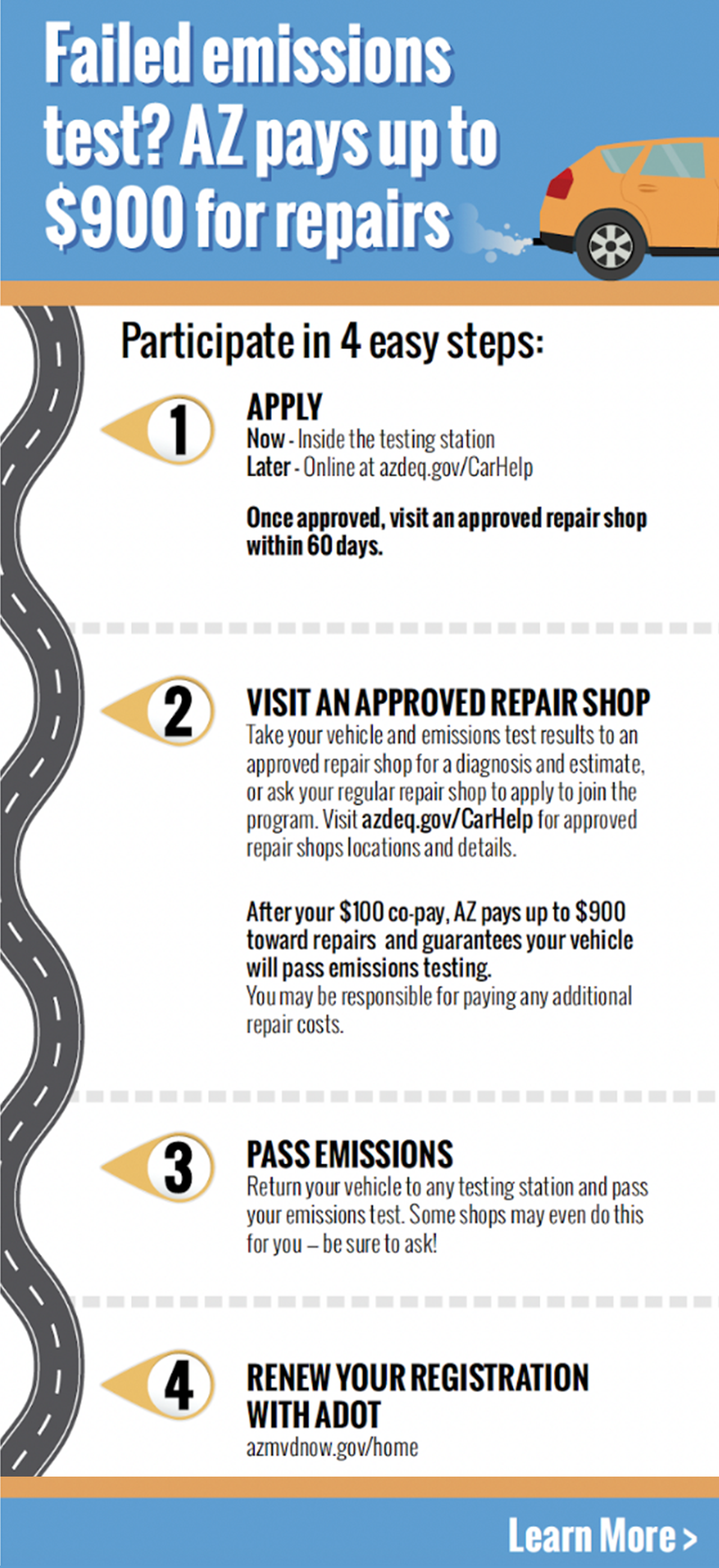
While the $27.75 fee covers the test itself, smart vehicle owners will also factor in potential additional costs that might arise. The most significant potential expense comes if your vehicle fails the emissions test. A failed test means your vehicle is emitting pollutants above the permissible limits and requires repairs to meet compliance standards. These repairs can range widely in cost, from minor adjustments like a new gas cap or spark plugs to more substantial fixes such as oxygen sensor replacement, catalytic converter repair, or engine diagnostics.
The cost of these repairs is entirely dependent on the nature and severity of the issue. A check engine light, often a red flag for an emissions issue, can indicate anything from a loose fuel cap to a failing emissions component. Residents should always seek reputable mechanics for diagnostics and repairs to avoid unnecessary expenses. In some cases, if repair costs exceed a certain threshold and the vehicle still cannot pass the test, waivers may be available, but these are typically granted under strict conditions and after significant repair investments have been made. Understanding this potential for repair costs is critical for a comprehensive lifestyle budget in Arizona.
Navigating the Process: Tips for a Smooth Experience

Minimizing stress and maximizing efficiency during an emissions test can save time and prevent unforeseen issues. A little preparation goes a long way in ensuring a smooth experience.
Preparation is Key
Before heading to an ADEQ emissions station, a few simple steps can help ensure a quick and successful test:
- Check Your Registration Renewal Notice: Your renewal notice from the Arizona Department of Transportation (ADOT) or Motor Vehicle Division (MVD) will clearly state if an emissions test is required and by what date.
- Ensure Your Vehicle is Warm: For older vehicles especially, a warm engine generally performs better on an emissions test. Drive your car for at least 15-20 minutes before arriving at the station to allow the engine and catalytic converter to reach optimal operating temperature.
- Resolve “Check Engine” Lights: If your “Check Engine” light is illuminated, your vehicle will automatically fail the test. Address this issue with a mechanic before your emissions appointment. Even if the underlying problem isn’t directly related to emissions, the illuminated light indicates a fault in the system that needs attention. After repairs, ensure the light is off and the vehicle’s onboard computer has completed its diagnostic cycles (sometimes requiring a few drive cycles) before testing.
- Bring Necessary Documents: While often not strictly required at the testing lane itself (as they can usually look up your vehicle by VIN), having your vehicle registration or renewal notice handy can expedite the process if there are any system discrepancies.
What Happens If You Fail?
Failing an emissions test can be frustrating, but it’s not the end of the road. The testing technician will provide you with a Vehicle Inspection Report detailing the reasons for the failure, including specific pollutant levels or diagnostic codes. This report is invaluable for your mechanic, helping them pinpoint the exact issues that need to be addressed.
After repairs are made, you can return to any official ADEQ station for a retest. As mentioned, the first retest within 12 months is usually included in your initial fee. If your vehicle fails again, or if the repairs are extensive and expensive, Arizona does offer a repair waiver program. To qualify for a waiver, you typically must have spent a minimum amount on emissions-related repairs (this amount is adjusted periodically, so check the latest ADEQ guidelines) by a recognized repair facility, and the vehicle still fails. Waivers are designed to provide relief for owners who have made a good-faith effort to repair their vehicles but face insurmountable technical or financial hurdles.
Exemptions and Special Considerations
While the majority of vehicles in Maricopa County and Pima County are subject to emissions testing, certain exemptions and special circumstances apply, which are important for some segments of the Arizona population.
Vehicle Age and Type Exemptions
As noted earlier, certain newer gasoline-powered vehicles are exempt from testing for their first five years of registration. This provides a grace period, recognizing that new vehicles are built to much stricter emissions standards. Additionally, some vehicle types are inherently exempt, including:
- Vehicles manufactured before 1967.
- All-electric vehicles.
- Diesel vehicles with a gross vehicle weight rating exceeding 26,000 pounds.
- Motorcycles.
- Vehicles powered solely by alternative fuels (e.g., natural gas, propane) specifically designed for such fuels and manufactured as such.
- Show cars and collector vehicles, under specific registration criteria.
Understanding these exemptions can significantly impact budgeting for vehicle maintenance and registration, offering relief for owners of qualifying vehicles. For specific details on eligibility, consulting the ADEQ website or MVD is always recommended.
Out-of-State Renewals and Temporary Waivers
For Arizona residents who are temporarily out of state when their vehicle’s registration is due for renewal and an emissions test is required, special provisions exist. It’s often possible to apply for an “Out-of-State Emissions Exemption.” This typically involves submitting an affidavit confirming the vehicle is not currently in a testing area. However, upon returning to Arizona, the vehicle will still need to undergo the emissions test.
Similarly, temporary waivers may be granted for vehicles undergoing repairs that extend beyond the registration renewal deadline. These waivers require documentation of the ongoing repairs and are usually time-limited, emphasizing that the emissions test is merely deferred, not permanently excused. These considerations are crucial for maintaining legal vehicle registration and avoiding penalties, especially for those whose lifestyles involve frequent travel or complex vehicle maintenance schedules.
The Broader Impact: Emissions Testing and Arizona Living
Beyond the immediate cost and procedural aspects, Arizona’s emissions testing program plays a vital role in the overall quality of life and sustainability of its urban centers. The program directly contributes to mitigating air pollution, which is a significant environmental concern in the desert climate, particularly in the enclosed valleys of Phoenix and Tucson. Cleaner air means better public health, less impact on natural ecosystems, and a more pleasant environment for outdoor activities – all integral components of the Arizona lifestyle.
For residents, understanding and complying with emissions testing requirements is not just about avoiding fines; it’s about being a responsible member of the community. It reflects a collective commitment to preserving the region’s unique environment and ensuring a high quality of life for current and future generations. While an emissions test may seem like a minor expense, its cumulative effect on regional air quality is substantial, making it a critical, albeit sometimes inconvenient, aspect of vehicle ownership in Arizona.
LifeOutOfTheBox is a participant in the Amazon Services LLC Associates Program, an affiliate advertising program designed to provide a means for sites to earn advertising fees by advertising and linking to Amazon.com. Amazon, the Amazon logo, AmazonSupply, and the AmazonSupply logo are trademarks of Amazon.com, Inc. or its affiliates. As an Amazon Associate we earn affiliate commissions from qualifying purchases.