
When planning a visit to a new city, understanding its local culture and underlying ethos can profoundly enhance the travel experience. It allows tourists to connect with the destination on a deeper level, appreciating the nuances that shape its daily life, its art, its cuisine, and its people. For Boston, the question of whether it’s a “red” or “blue” city goes beyond mere electoral maps; it delves into the very fabric of its identity, revealing a rich tapestry of progressive values, historical consciousness, and community engagement that distinctly colors the visitor’s journey.

Understanding Boston’s Enduring Progressive Identity
Boston’s political identity is not a recent phenomenon but deeply rooted in its revolutionary past and its evolution into a hub of intellectual thought and social reform. Historically, the city has been a crucible for movements that championed individual rights and social justice, defining a trajectory that firmly places it in the “blue” category of the American political spectrum.
Historical Roots of Liberalism
The spirit of dissent and the pursuit of liberty that sparked the Revolutionary War in Boston laid the groundwork for a progressive mindset. From the initial protests against British rule to its role in the abolitionist movement, the city has consistently stood at the forefront of social change. This historical legacy instilled a deep-seated commitment to human rights, intellectual freedom, and social equity. Throughout the 19th and 20th centuries, Boston nurtured abolitionists, suffragettes, and labor organizers, evolving into a beacon for progressive ideals. Iconic landmarks like Faneuil Hall, often dubbed the “Cradle of Liberty,” still echo with speeches that shaped the nation’s democratic values, reminding visitors of the city’s long-standing dedication to open discourse and challenging the status quo. This history is not just preserved in museums but lives in the collective consciousness, influencing contemporary cultural attitudes.
Modern Political Landscape
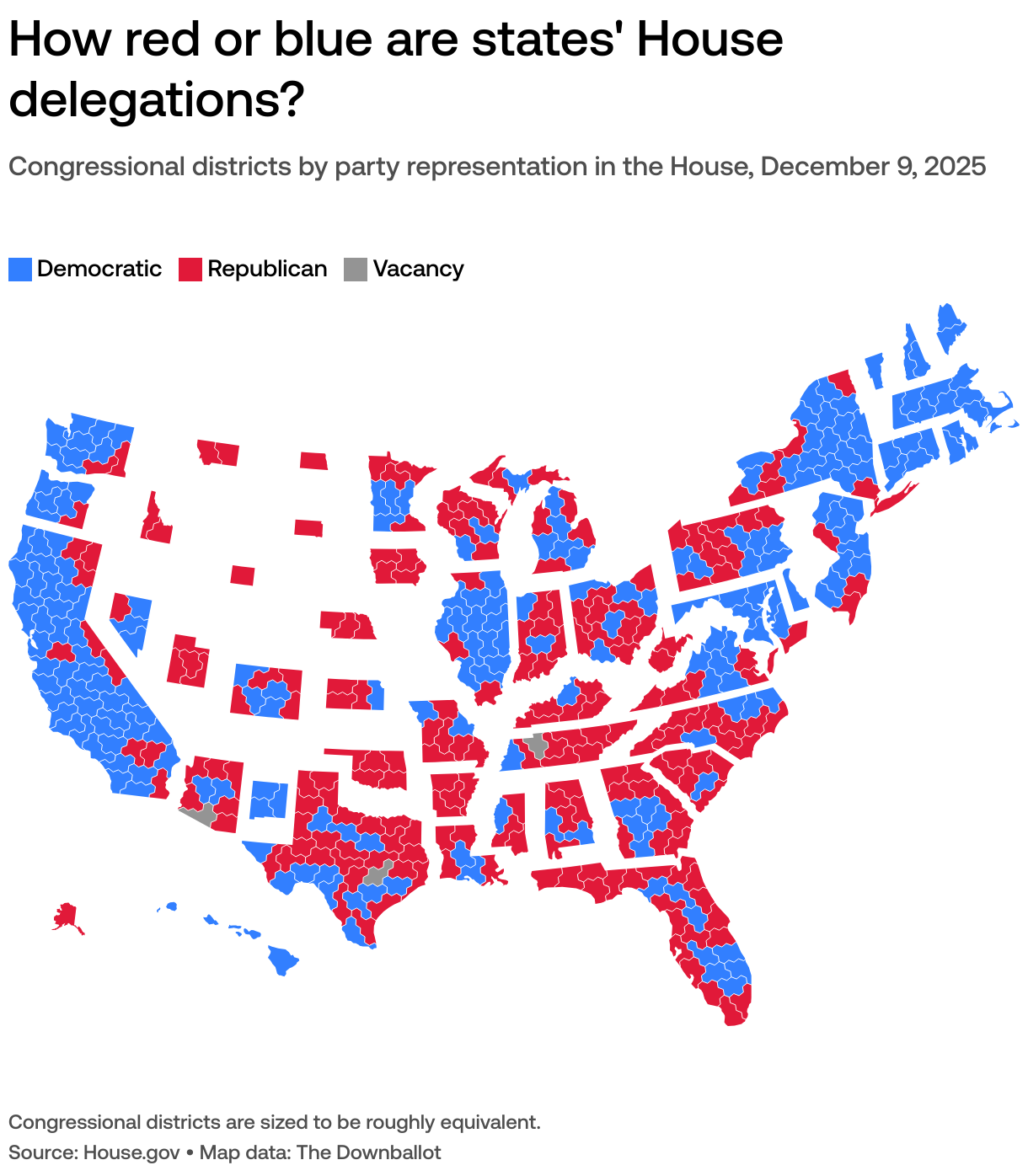
In contemporary American politics, Boston is undeniably a “blue” city, a stronghold for the Democratic Party. This political alignment is consistently reflected in local and state election results, where Democratic candidates routinely secure overwhelming majorities. The city and its surrounding areas, including Cambridge, are home to a vibrant population of academics, students, artists, and professionals who largely share a progressive outlook. This demographic composition contributes significantly to the city’s political leanings, fostering an environment where discussions on social justice, environmental protection, and public welfare are prevalent. The state of Massachusetts as a whole leans blue, but Boston stands out as its most emphatically liberal urban center, creating a distinct cultural atmosphere for residents and visitors alike.
How Politics Shapes Boston’s Local Culture
The pronounced “blue” identity of Boston is not confined to voting booths; it permeates the everyday cultural experience, shaping public spaces, community initiatives, and the overall social fabric. For tourists, understanding this cultural manifestation provides a richer context for their explorations.
Progressive Values in Daily Life
Visitors to Boston will quickly observe how progressive values are woven into daily life. This is evident in the city’s robust public transportation system, its emphasis on green spaces like Boston Common and the Public Garden, and its active promotion of sustainable practices. The city has been a pioneer in various environmental initiatives and urban planning efforts aimed at improving quality of life for all residents. Moreover, the cultural landscape reflects a strong commitment to inclusivity and diversity. Public art installations often celebrate diverse communities and historical narratives, and local businesses frequently champion ethical sourcing, fair trade, and support for marginalized groups. The culinary scene, for instance, offers an abundance of vegetarian, vegan, and farm-to-table options, reflecting a conscious consumer base that values sustainability and ethical considerations.
Education and Activism
As a global hub for education, Boston and its neighbor Cambridge are home to world-renowned institutions such as Harvard University, Massachusetts Institute of Technology (MIT), Boston University, and Northeastern University. These universities act as epicenters for intellectual discourse, research, and social activism, continually fueling the city’s progressive spirit. Students, faculty, and alumni are often at the forefront of social movements, public policy debates, and community organizing. Tourists might encounter various forms of public advocacy, from peaceful demonstrations on Boston Common to community events promoting social awareness. This academic vibrancy translates into a highly informed and engaged populace, creating an environment where critical thinking and civic participation are highly valued.
Public Discourse and Community Engagement
The “blue” character of Boston fosters a culture of active public discourse and strong community engagement. Neighborhood associations are powerful, and local governance encourages citizen participation. Debates on local issues, from zoning laws to public art projects, often involve passionate discussions and a wide range of viewpoints, albeit largely within a progressive framework. This active engagement creates a dynamic urban environment where civic pride is palpable, and residents feel a strong sense of ownership over their city. For a tourist, this means experiencing a city where public spaces are often alive with discussions, where local events are well-attended, and where there’s a tangible sense of community looking out for one another.
Exploring Boston’s Blue Hue as a Tourist
The cultural manifestations of Boston’s “blue” identity offer unique and enriching experiences for visitors seeking to delve into the local ethos. From its cultural institutions to its culinary delights, the progressive spirit is an intrinsic part of the tourist journey.
Cultural Institutions and Artistic Expression
Boston’s array of cultural institutions often reflect its progressive values, offering diverse perspectives and thought-provoking exhibitions. The Museum of Fine Arts and the Isabella Stewart Gardner Museum house world-class collections, but beyond the grandiosity, local galleries and community art centers frequently showcase works that address social issues, celebrate diversity, and push artistic boundaries. The performing arts scene is robust, with theaters often staging plays that explore contemporary social themes. Even historic sites along the Freedom Trail, while narrating the past, are increasingly interpreted through lenses that consider the experiences of all people, including marginalized groups, fostering a more inclusive historical understanding. This commitment to a broad range of narratives enriches the visitor’s appreciation of both history and contemporary culture.
Culinary Scene and Ethical Consumption
The city’s “blue” leanings significantly impact its culinary landscape. Boston boasts a thriving restaurant scene that emphasizes local, organic, and sustainably sourced ingredients. From upscale dining to casual cafes, you’ll find a strong preference for farm-to-table initiatives, often with menus explicitly detailing the origin of ingredients. The sheer abundance of vegetarian, vegan, and gluten-free options caters to a health-conscious and ethically minded populace. Neighborhoods like the North End offer traditional Italian fare, but even there, you’ll find modern establishments embracing updated, conscious practices. Beyond restaurants, local markets and food co-ops are popular, reflecting a broader cultural preference for supporting local economies and environmentally friendly practices. This allows tourists to “taste” the city’s values through its food.
Neighborhood Vibes and Social Fabric
Each of Boston’s distinct neighborhoods carries a slightly different vibe, yet the overarching progressive atmosphere ties them together. Beacon Hill exudes historic charm with a liberal intellectual undercurrent, while areas like Jamaica Plain are known for their strong community activism and embrace of alternative lifestyles. Even at a major sporting event at Fenway Park, while the passion for the Red Sox is universal, the social commentary and conversations among fans often reveal progressive viewpoints on a variety of societal issues. The city’s walkable nature encourages interaction and observation, allowing visitors to feel the pulse of a community that values intellectual engagement, social responsibility, and a vibrant, diverse public life.
Navigating the Nuances: Beyond a Simple Label
While Boston’s “blue” identity is undeniable, it’s crucial for any insightful tourist to understand that no major city is a monolith. There are always shades and complexities beneath the surface.
Pockets of Conservatism
Even within a predominantly liberal city, pockets of more conservative thought and traditional values exist. These might be found in specific ethnic enclaves, among certain professional groups, or in some of the more established, older communities. While these areas might not dominate the political narrative, they contribute to the city’s rich tapestry and remind visitors that even “blue” cities contain a spectrum of beliefs. However, these rarely manifest in a way that significantly alters the overall progressive cultural experience for the general tourist.
The Independent Spirit
Perhaps more accurately, Boston embodies a fiercely independent spirit, one that, throughout its history, has questioned authority and championed individual freedoms. This spirit, while often aligning with progressive causes, isn’t always strictly partisan. It’s a spirit of critical thinking and robust debate that defines the “Bostonian” character. This inherent skepticism and intellectual rigor ensure that even progressive ideas are subjected to scrutiny and passionate discussion, leading to a dynamic and evolving local culture rather than a static one.

The Boston Experience: A Reflection of its Politics
In conclusion, Boston is unequivocally a “blue” city. This political leaning is deeply embedded in its history, its academic institutions, and its daily cultural expressions. For tourists, this translates into an experience characterized by a strong sense of social consciousness, an appreciation for intellectual discourse, a vibrant and diverse cultural scene, and a tangible commitment to progressive values. Exploring Boston is not just about visiting historical sites; it’s about immersing oneself in a living, breathing culture that proudly upholds its liberal traditions, offering a uniquely enriching and engaging journey for those who seek to understand the soul of a city.
LifeOutOfTheBox is a participant in the Amazon Services LLC Associates Program, an affiliate advertising program designed to provide a means for sites to earn advertising fees by advertising and linking to Amazon.com. Amazon, the Amazon logo, AmazonSupply, and the AmazonSupply logo are trademarks of Amazon.com, Inc. or its affiliates. As an Amazon Associate we earn affiliate commissions from qualifying purchases.