
Understanding Sables: A Glimpse into the Exotic Pet World
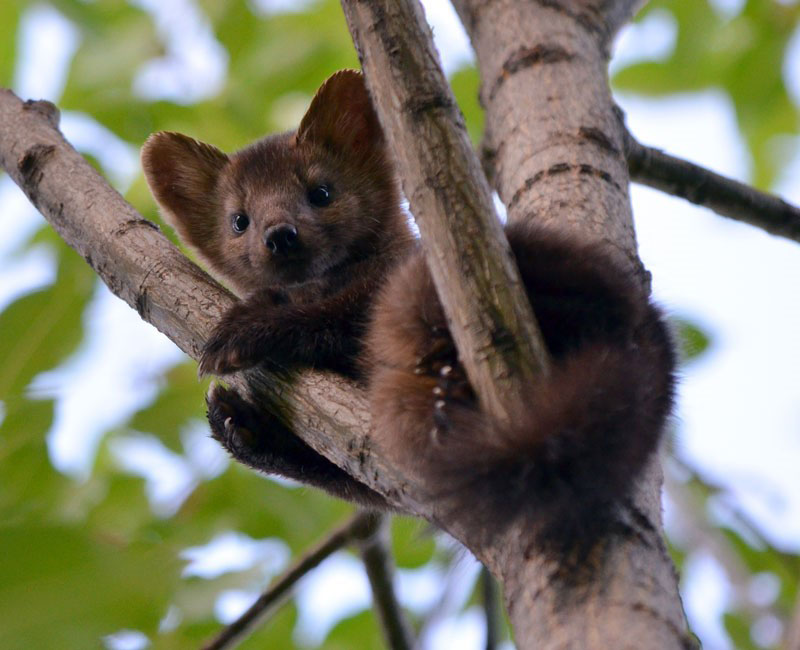
The allure of owning an exotic animal often stems from a desire for a unique companion, a conversation starter, or a fascination with species beyond the typical cat or dog. Among the creatures that occasionally capture the attention of prospective exotic pet owners is the sable (Martes zibellina). Native to the forests of Russia, Siberia, and parts of Asia, sables are small, agile carnivores renowned for their luxurious fur. Beyond their historical value in the fur trade, their intelligent eyes, playful demeanor, and relatively manageable size, compared to larger predators, can make them seem like an appealing, albeit unconventional, pet choice.
However, the decision to integrate such an animal into one’s lifestyle in a state like California is far from straightforward. Exotic animal ownership isn’t just a matter of personal preference; it’s deeply entwined with a complex web of legal statutes, ethical considerations, and significant responsibilities. For those considering an exotic pet, understanding these facets is paramount to making a humane and lawful choice, especially when navigating the strict regulations enforced by the Golden State. The notion of exotic pet ownership evokes images of luxury and unique companionship, but the reality often involves intricate legalities, specialized care, and a deep commitment to animal welfare.
The Legal Landscape for Exotic Animals in California
California stands out among U.S. states for its stringent laws concerning the ownership of exotic animals. Unlike some regions with more lenient policies, California has adopted a highly restrictive approach, primarily to protect public safety, prevent the spread of diseases, and safeguard native ecosystems from invasive species. This regulatory framework is predominantly governed by the California Department of Fish and Wildlife (CDFW), which enforces the state’s comprehensive wildlife protection laws.
The general philosophy underpinning California’s approach is prohibition unless explicitly permitted. This means that a vast array of species commonly considered “exotic pets” in other parts of the world, or even other states, are outright illegal to own, import, or sell within California without a specific permit. These permits are typically issued only for legitimate scientific, educational, or exhibition purposes to qualified institutions, not to private individuals seeking a pet. The strictness reflects an understanding of the potential ecological and public health risks associated with exotic animals escaping into the wild or transmitting zoonotic diseases. Furthermore, the CDFW aims to prevent animal cruelty, recognizing that many exotic species have complex needs that are challenging to meet in a domestic environment.
Understanding the CDFW Regulations
The California Fish and Game Code is the primary legal document dictating what wildlife species can and cannot be possessed. Section 2118, in particular, lists species determined to be “detrimental to the native wildlife or agriculture of the state.” This list is extensive and includes many species that might appear attractive as pets but pose a significant threat if introduced into California’s diverse ecosystems. The CDFW continually reviews and updates these regulations, demonstrating a proactive stance on wildlife management and conservation. For anyone considering an animal beyond a domestic cat or dog, a thorough review of these regulations is not just advisable but absolutely essential to ensure compliance and avoid severe legal repercussions.
Are Sables Permitted? Navigating California’s Regulations
To directly address the question: are sables legal in California? The answer, for private individuals, is a definitive no. Sables fall under the category of prohibited animals according to the California Department of Fish and Wildlife regulations. They are considered a species that poses a threat to native wildlife, agriculture, or public health and safety if kept as pets.
The classification of sables as illegal pets stems from their natural characteristics as wild carnivores. Despite their captivating appearance, sables are not domesticated animals. They possess strong predatory instincts, require specialized diets, and have complex behavioral needs that are nearly impossible to satisfy in a typical home environment. Their potential to carry diseases communicable to humans or other animals, and the risk of them escaping and establishing feral populations that could harm native species or agricultural interests, are primary concerns for CDFW.
Specific Prohibitions and the Law
The California Code of Regulations, Title 14, Section 671, specifically lists mammals that are restricted or prohibited. This list includes various species of the family Mustelidae, which encompasses sables. The explicit wording ensures that animals like sables, ferrets (which require a permit for exhibition but are generally illegal as pets), and other weasel-like creatures are not allowed for private ownership. The regulations are not ambiguous; they clearly outline that possession, transportation, or importation of these species without a valid permit is illegal.

This strict stance applies uniformly across the state, from bustling urban centers like Los Angeles and San Francisco to rural communities. There are no loopholes for individuals to obtain sables for pet purposes, regardless of their intent or ability to provide care. The law prioritizes the broader ecological and public welfare over individual exotic pet ownership aspirations. This means that any sables found in private possession in California are subject to seizure, and their owners face significant legal penalties.
Consequences of Non-Compliance and Ethical Considerations
The decision to illegally acquire an exotic animal like a sable in California carries severe consequences that extend beyond legal ramifications. Both the animals and their owners can suffer significantly. Understanding these risks is crucial for anyone considering such a lifestyle choice.
Legal Penalties
Possession of a prohibited animal in California is a misdemeanor, but the penalties can be substantial. Owners face hefty fines, potentially thousands of dollars, and even jail time depending on the specific circumstances, the number of animals involved, and any related offenses such as cruelty or endangerment. Additionally, the animal will be confiscated by animal control or the CDFW. Often, confiscated exotic animals face an uncertain future, as suitable placements in reputable sanctuaries or zoos are limited, and euthanasia can sometimes be the outcome if no appropriate facility can be found. This grim reality highlights the critical importance of adhering to legal regulations.
Animal Welfare Concerns
Beyond the legal aspect, the ethical considerations of owning a sable are profound. Sables are wild animals with innate behaviors and physiological needs that are extremely difficult, if not impossible, to meet in a domestic setting.
- Dietary Needs: Sables require a highly specialized diet consisting primarily of meat, insects, and some plant matter, often difficult to replicate adequately with commercially available pet foods.
- Environmental Enrichment: They need extensive space for climbing, digging, and exploring, along with mental stimulation that mimics their natural hunting and foraging behaviors. A typical home, even a large one, cannot replicate the vastness and complexity of their natural habitat.
- Socialization: While some individuals may exhibit a degree of tameness, sables are not domesticated animals. Their behaviors can be unpredictable, and they may not tolerate handling, leading to stress for the animal and potential aggression towards humans.
- Veterinary Care: Finding a veterinarian experienced in treating exotic mustelids can be challenging and expensive, further complicating their care.
The inability to provide appropriate care often leads to severe stress, behavioral issues, and health problems for the animal. This can manifest as self-mutilation, aggression, lethargy, or repetitive behaviors, all indicators of an animal suffering from an unsuitable environment. Choosing to keep an exotic animal illegally often condemns it to a life of deprivation and suffering, a stark contrast to the ethical responsibilities of pet ownership.
Responsible Lifestyle Choices: Alternatives and Advocacy
For individuals passionate about unique animals but residing in areas with strict exotic pet laws like California, responsible lifestyle choices revolve around appreciation rather than ownership. Instead of seeking to circumvent laws that prioritize public safety and animal welfare, there are numerous ethical and enriching ways to engage with fascinating species.
Ethical Alternatives to Exotic Pet Ownership
- Support Zoos and Sanctuaries: Reputable, accredited zoos and wildlife sanctuaries provide specialized care for exotic animals, offering environments designed to meet their complex needs. Institutions like the San Diego Zoo or the Oakland Zoo offer opportunities to observe sables and countless other exotic species in settings that promote their welfare and educate the public. Supporting these organizations through visits, donations, or volunteering directly contributes to conservation efforts and ethical animal care.
- Volunteer at Wildlife Rescues: Many local wildlife rescue organizations and rehabilitation centers care for injured or orphaned native wildlife. Volunteering offers a hands-on opportunity to help animals in need and learn about their natural behaviors and requirements under expert supervision.
- Educational Programs and Documentaries: Engaging with high-quality wildlife documentaries, educational programs, and scientific literature can satisfy a fascination with exotic animals without the ethical dilemmas of ownership. These resources provide deep insights into species’ behaviors, habitats, and conservation challenges.
- Photography and Wildlife Observation: For those drawn to the wild beauty of animals, pursuing wildlife photography or engaging in responsible wildlife observation trips can be an incredibly rewarding experience. This allows for appreciation of animals in their natural habitats, promoting a deeper understanding and respect for their existence.
- Adopt a Pet from a Shelter: If the desire for companionship is the primary driver, consider adopting a domestic animal from a local shelter. There are countless cats, dogs, and even smaller domestic pets that desperately need loving homes and are legally and ethically suitable for a pet owner’s lifestyle.

Advocating for Responsible Animal Welfare
Beyond personal choices, advocating for responsible animal welfare and conservation is a powerful way to make a difference. This can involve:
- Educating Others: Share accurate information about exotic pet laws and the challenges of exotic animal ownership with friends, family, and online communities.
- Supporting Legislation: Advocate for stronger animal protection laws and responsible wildlife management policies at local, state, and national levels.
- Donating to Conservation Efforts: Financial contributions to organizations dedicated to the conservation of sables and other wild species in their native habitats help protect them where they truly belong.
Ultimately, the desire to connect with unique animals is understandable. However, a truly responsible and ethical lifestyle choice in California regarding sables and similar exotic species means respecting legal boundaries, prioritizing animal welfare above personal desires, and finding fulfilling ways to appreciate wildlife that do not involve private ownership.
LifeOutOfTheBox is a participant in the Amazon Services LLC Associates Program, an affiliate advertising program designed to provide a means for sites to earn advertising fees by advertising and linking to Amazon.com. Amazon, the Amazon logo, AmazonSupply, and the AmazonSupply logo are trademarks of Amazon.com, Inc. or its affiliates. As an Amazon Associate we earn affiliate commissions from qualifying purchases.