
The allure of the Sunshine State, Florida, with its balmy climate and vibrant landscapes, draws millions of visitors and residents alike. However, the very elements that make Florida so desirable – abundant sunshine and occasional tropical storms – can take a toll on homes, particularly on their windows. Aging, inefficient windows can lead to escalating energy bills and decreased comfort. Recognizing this, various programs have been established to assist homeowners in replacing outdated or damaged windows, especially for those who may face financial challenges. This article delves into the specifics of free window replacement programs available in Florida, outlining the eligibility criteria and the pathways to accessing these vital resources.

Understanding the Need for Window Replacement in Florida
Florida’s unique climate presents distinct challenges for residential properties. The intense solar radiation throughout much of the year contributes significantly to household heat gain, forcing air conditioning systems to work overtime. This translates into higher electricity consumption and, consequently, elevated utility bills for homeowners. Furthermore, the state is no stranger to severe weather events, including hurricanes and tropical storms. Older, single-pane, or unimpacted windows are particularly vulnerable to wind damage and can shatter during these storms, posing a safety hazard and leading to extensive water damage within the home.
The Benefits of Energy-Efficient Windows
Investing in new, energy-efficient windows offers a multitude of advantages that extend beyond mere aesthetics. These modern windows are engineered with advanced technologies designed to minimize heat transfer. This means that during the hot summer months, less heat from the outside will penetrate your home, reducing the workload on your air conditioner and leading to substantial savings on your energy bills. Conversely, during the cooler winter months (though less pronounced in Florida), they help retain indoor warmth, further optimizing energy efficiency.
Beyond energy savings, new windows can significantly enhance the comfort of your living space. They help eliminate drafts and cold spots, ensuring a more consistent and pleasant indoor temperature year-round. Modern windows also offer improved sound insulation, creating a quieter environment by reducing the intrusion of external noise, whether it’s traffic from a nearby road or the sounds of a bustling neighborhood. For homeowners in coastal areas or regions prone to high winds, impact-resistant windows provide a crucial layer of protection, safeguarding against storm damage and the potential for costly repairs.
Programs Aimed at Assisting Homeowners
In response to these needs, various governmental and non-profit organizations in Florida have established programs to help homeowners replace their windows. These initiatives are often designed to target households that might otherwise struggle to afford such essential home improvements. The primary objective of these programs is to improve the energy efficiency of homes, reduce utility costs for residents, and enhance the safety and resilience of housing stock across the state. These programs are not typically direct “free window replacement” offerings in the sense of a no-strings-attached giveaway. Instead, they often operate through grants, rebates, low-interest loans, or tax credits, making the replacement financially feasible for eligible individuals.
Eligibility Criteria for Free Window Replacement Programs
The accessibility of free or subsidized window replacement programs in Florida is contingent upon meeting specific eligibility requirements. These criteria are generally designed to direct resources to those who can benefit most and who demonstrate a genuine need. Understanding these prerequisites is the first crucial step for any homeowner seeking assistance.
Income Limitations and Household Size
A primary determinant for eligibility in most assistance programs is the household’s income relative to the area median income. Government-funded initiatives, in particular, often adhere to federal guidelines. This means that your total annual household income, including wages, salaries, social security benefits, pensions, and any other sources of income, will be assessed. The U.S. Department of Health and Human Services publishes poverty guidelines, and many programs use a percentage of these guidelines or the median income for your specific region in Florida as a threshold.
For instance, a program might state that households earning below 60% of the state’s median income are eligible. The number of people in your household is also a critical factor, as income is often considered on a per-person basis. A larger family with a higher total income might still fall within the eligible range if the per-person income is low. It is essential to gather documentation for all household members, including proof of income for the past 12 months.
Homeownership and Property Status
These programs are almost exclusively designed for homeowners. Renters typically do not qualify because they do not own the property and therefore cannot undertake permanent structural improvements like window replacement. Eligibility often requires that you own the home for which you are seeking window replacement and that it serves as your primary residence. Some programs may have restrictions on the type of property; for example, they might only cover single-family homes and exclude multi-unit dwellings or mobile homes, though this can vary by program.
Furthermore, the property must be in good structural condition, aside from the windows. Programs are generally aimed at improving energy efficiency and safety, not at addressing major structural deficiencies. You may need to provide proof of homeownership, such as a deed or mortgage statement, and the property address must be verifiable. Some programs may also require that the home is located within a specific service area or county.
Specific Vulnerabilities and Needs
Beyond income and ownership, certain programs may prioritize applicants based on specific vulnerabilities or pressing needs. This can include:
- Elderly Homeowners: Individuals aged 60 or older may receive preferential treatment due to potential fixed incomes and the desire to ensure safe and comfortable living conditions.
- Individuals with Disabilities: Homeowners with documented disabilities may also be considered for enhanced assistance, particularly if current window conditions exacerbate their health issues or compromise their safety.
- High Energy Burden Households: If your utility bills represent a disproportionately large percentage of your income, you might qualify as having a high “energy burden,” making you a priority for energy-efficiency upgrades.
- Homes with Existing Damage: While not the primary focus, if windows are severely damaged due to age or weather, and this damage contributes to significant energy loss or safety concerns, it could strengthen an application, particularly if linked to energy efficiency goals.
Some programs might also focus on specific geographic areas that have been identified as having a high number of low-income households or older housing stock that would greatly benefit from energy efficiency improvements.
How to Apply for Free Window Replacement Programs
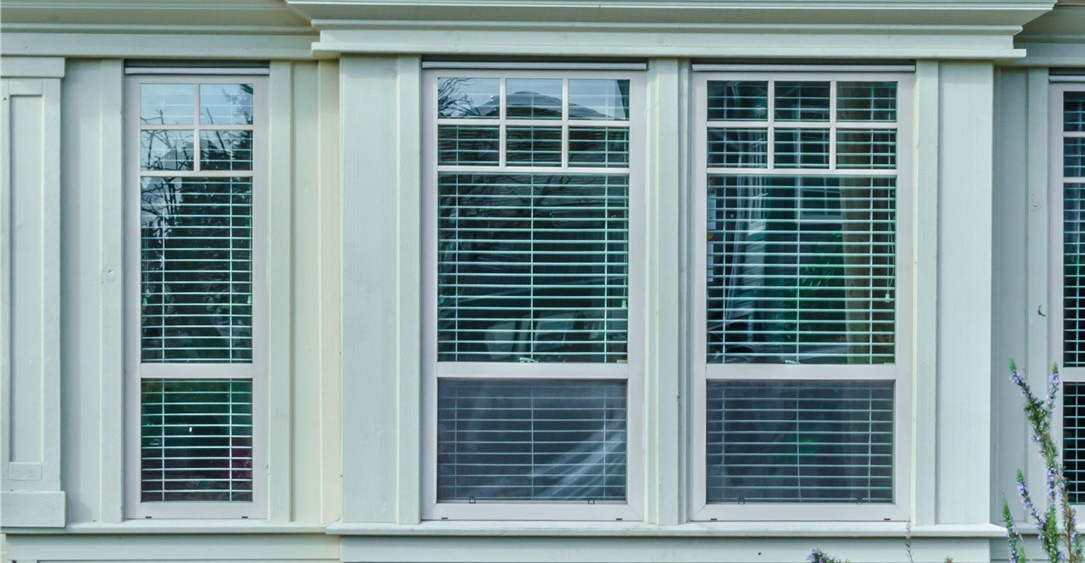
Navigating the application process for assistance programs can seem daunting, but by approaching it systematically, homeowners can increase their chances of success. The process typically involves several key stages, from identifying available programs to submitting a comprehensive application.
Identifying Available Programs
The first step is to identify which programs are operational and accessible to residents in your specific area of Florida. Several avenues can help you discover these opportunities:
- Local Government Agencies: Your city or county’s housing or community development department is often a good starting point. They may administer local programs or have information on state and federal initiatives available in your region.
- State Energy Offices: The Florida Department of Community Affairs, or its equivalent state energy office, often provides resources and information on energy efficiency programs. They may maintain a list of funded initiatives or direct you to the appropriate contacts.
- Non-Profit Organizations: Numerous non-profit organizations across Florida focus on housing assistance and energy efficiency. Organizations like Habitat for Humanity, although primarily known for building homes, may also be involved in rehabilitation and efficiency projects. Community Action Agencies are another key resource.
- Utility Companies: Your local electric or gas utility company might offer energy efficiency rebates or partner with programs that provide assistance for home improvements, including window replacements. They often have dedicated energy assistance departments.
- Online Resources: Websites like the U.S. Department of Energy and the Florida Renewable Energy and Energy Efficiency Association can offer valuable information, though direct program links might require further investigation.
Gathering Necessary Documentation
Once you have identified potential programs, you will need to prepare a comprehensive set of documents to support your application. Accuracy and completeness are paramount. Common requirements include:
- Proof of Identity and Residency: A valid government-issued photo ID (e.g., driver’s license, state ID card) and proof of residency (e.g., utility bill, lease agreement if applicable to a program that covers certain types of residents).
- Proof of Income: This is a critical component. You will likely need to provide tax returns (federal and state) for the past one to three years, W-2 forms, pay stubs, Social Security statements, pension statements, or any other documentation that reflects your household’s total income. For self-employed individuals, profit and loss statements or business tax returns may be required.
- Proof of Homeownership: A copy of your property deed, recent mortgage statement, or property tax bill will be necessary to verify that you own the home.
- Household Information: A list of all individuals residing in your home, including their names, dates of birth, and relationship to the applicant.
- Utility Bills: Recent copies of your electricity and gas bills can help demonstrate your energy consumption and the potential savings from improved windows.
- Documentation of Special Needs (If Applicable): If you are applying based on disability or age, you may need to provide relevant documentation, such as a doctor’s note or proof of age.
The Application and Approval Process
The application process itself can vary in complexity. Generally, it involves these steps:
- Application Submission: You will typically fill out a detailed application form, either online or on paper. Be thorough and honest in your responses.
- Document Review: Program administrators will review your submitted documents to verify your eligibility based on income, homeownership, and other criteria.
- Home Energy Audit: Many programs require a professional energy audit of your home. An auditor will assess your current windows and overall energy efficiency to determine the scope of work needed and the potential for energy savings. This audit is usually conducted by a certified professional and is often at no cost to the applicant.
- Approval and Work Order: If your application is approved, you will be notified. The program will then coordinate with approved contractors to schedule the window replacement.
- Installation: Certified installers will perform the window replacement. Depending on the program, you may have limited choices in window styles or brands.
- Follow-Up: Some programs may conduct follow-up assessments to ensure the work has been completed satisfactorily and to measure the energy savings achieved.
It is crucial to maintain open communication with the program administrators throughout this process and to be patient, as these programs can have waiting lists due to high demand.
Common Programs and Resources in Florida
While specific program names and funding can change, several types of initiatives consistently offer assistance for window replacements in Florida. Understanding these categories can help homeowners navigate their options.
Weatherization Assistance Program (WAP)
The U.S. Department of Energy’s Weatherization Assistance Program (WAP) is a cornerstone of energy efficiency support for low-income households. In Florida, this program is often administered at the state and local levels by designated community action agencies. WAP provides funds to states to improve the energy efficiency of existing homes, primarily for low-income families, including the elderly, disabled, and families with children. Services can include insulation, air sealing, heating and cooling system upgrades, and yes, window improvements. Eligibility is typically tied to income at or below 200% of the federal poverty level.
Low Income Home Energy Assistance Program (LIHEAP)
LIHEAP is another federal program that provides states with funds to help low-income households with their energy bills. While its primary focus is on heating and cooling costs, some states or local agencies administering LIHEAP funds may use a portion to support weatherization and energy-efficiency measures, which can include window replacements, especially if they are identified as a major source of energy loss. Eligibility for LIHEAP is also income-based, generally at or below 150% of the federal poverty level.
State and Local Initiatives
Beyond federal programs, Florida may have specific state-funded initiatives or local programs managed by cities or counties. These could include grants for home repairs, energy efficiency programs funded by utility surcharges, or partnerships with local non-profits. The Florida Housing Finance Corporation, for instance, oversees various housing programs, some of which might indirectly support energy-efficiency upgrades through financing or grants. It’s always worth checking with your local government offices and housing authorities for any programs specific to your area.

Utility Company Rebates and Programs
Many utility companies in Florida offer rebates or incentives for energy-efficient home improvements. While these might not cover the entire cost of window replacement, they can significantly reduce the out-of-pocket expenses. These programs often require the installation of ENERGY STAR® certified windows. Homeowners should contact their specific utility provider (e.g., Florida Power & Light, Duke Energy, Tampa Electric) to inquire about current offerings and eligibility requirements.
Navigating these programs requires diligence, but the potential benefits – improved comfort, reduced energy costs, and enhanced home safety – make the effort worthwhile for eligible homeowners across Florida.
LifeOutOfTheBox is a participant in the Amazon Services LLC Associates Program, an affiliate advertising program designed to provide a means for sites to earn advertising fees by advertising and linking to Amazon.com. Amazon, the Amazon logo, AmazonSupply, and the AmazonSupply logo are trademarks of Amazon.com, Inc. or its affiliates. As an Amazon Associate we earn affiliate commissions from qualifying purchases.