
The crimson glow on the horizon, the acrid scent of smoke, and the pervasive anxiety are all stark reminders of California’s ongoing relationship with wildfire. For residents, travelers, and those with an interest in the Golden State’s natural beauty, understanding the current fire situation is not just a matter of curiosity, but of safety and informed planning. This isn’t about sensationalism; it’s about navigating a landscape that is increasingly dynamic due to climate change, drought, and human activity. This guide aims to provide clarity on how to stay informed about active fires, understand their potential impact on travel and tourism, and offer resources for preparedness.

Understanding California’s Wildfire Landscape
California’s geography, characterized by vast expanses of dry vegetation, mountainous terrain, and a Mediterranean climate with hot, dry summers, makes it inherently prone to wildfires. These natural events have shaped ecosystems for millennia, but recent trends indicate an intensification and expansion of fire seasons. Understanding the contributing factors is crucial to grasping the current situation.
The Role of Climate Change and Drought
The link between climate change and increased wildfire activity is undeniable. Rising global temperatures contribute to drier conditions, making vegetation more susceptible to ignition and fire spread. Prolonged periods of drought, which have become more frequent and severe in California, exacerbate these conditions. When the landscape is parched, even small sparks can rapidly escalate into major infernos. This creates a challenging environment for both long-term residents and temporary visitors, as the risk can shift rapidly across different regions.
Human Influence and Ignition Sources
While natural causes like lightning strikes are a factor, a significant percentage of wildfires in California are human-caused. These can range from unattended campfires and discarded cigarettes to equipment malfunctions and arson. Awareness of these common ignition sources is paramount for anyone spending time outdoors. Visitors to national parks and forests, for example, must adhere strictly to fire restrictions and safety guidelines to prevent accidental ignitions.
Historical Context and Fire Ecology
It’s important to note that fire is a natural part of many California ecosystems. Historically, Indigenous peoples used fire as a tool for land management, promoting healthy forests and preventing larger, more destructive blazes. However, a century of fire suppression policies has led to an accumulation of dense vegetation, creating fuel loads that can support more intense and fast-moving fires when they do ignite. Understanding this historical context helps inform modern land management strategies and the approach to wildfire response.
Real-Time Fire Information and Monitoring
Staying informed about active fires is critical for making safe travel decisions. Fortunately, numerous reliable sources provide real-time updates, allowing individuals to assess risks and plan accordingly.
Official Fire Agency Resources
The primary sources for wildfire information are the official agencies tasked with combating them. The California Department of Forestry and Fire Protection (CAL FIRE) is the lead agency for wildland fire suppression in California. Their website, often updated with incident maps, statistics, and evacuation orders, is an indispensable resource. The National Interagency Fire Center (NIFC) also provides national-level data and incident reports that can be invaluable for understanding larger trends and significant fires impacting multiple states.
Online Mapping Tools and Dashboards
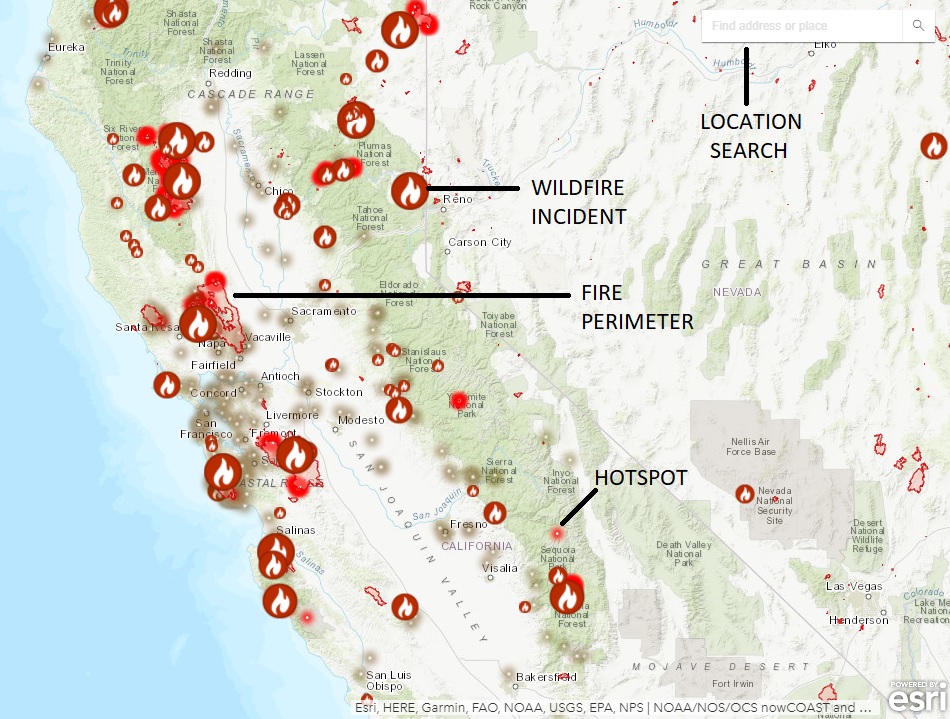
Several online platforms aggregate data from various agencies to provide user-friendly interactive maps. These tools often display the location and size of active fires, containment levels, and predicted fire behavior. Websites like FireMappers, InciWeb, and specialized mapping services that integrate CAL FIRE data offer detailed visual representations of the current wildfire situation. These can be particularly helpful for travelers to see how fires might affect their intended routes or destinations.
Local Emergency Alerts and News
Beyond dedicated fire websites, local emergency alert systems and reputable news outlets play a crucial role in disseminating information. Many counties in California utilize emergency notification systems that can send alerts directly to residents and visitors via text message or email for evacuation orders or significant public safety threats, including wildfires. Following local news channels in areas you plan to visit can provide on-the-ground updates and context.
Impact on Travel and Tourism in California
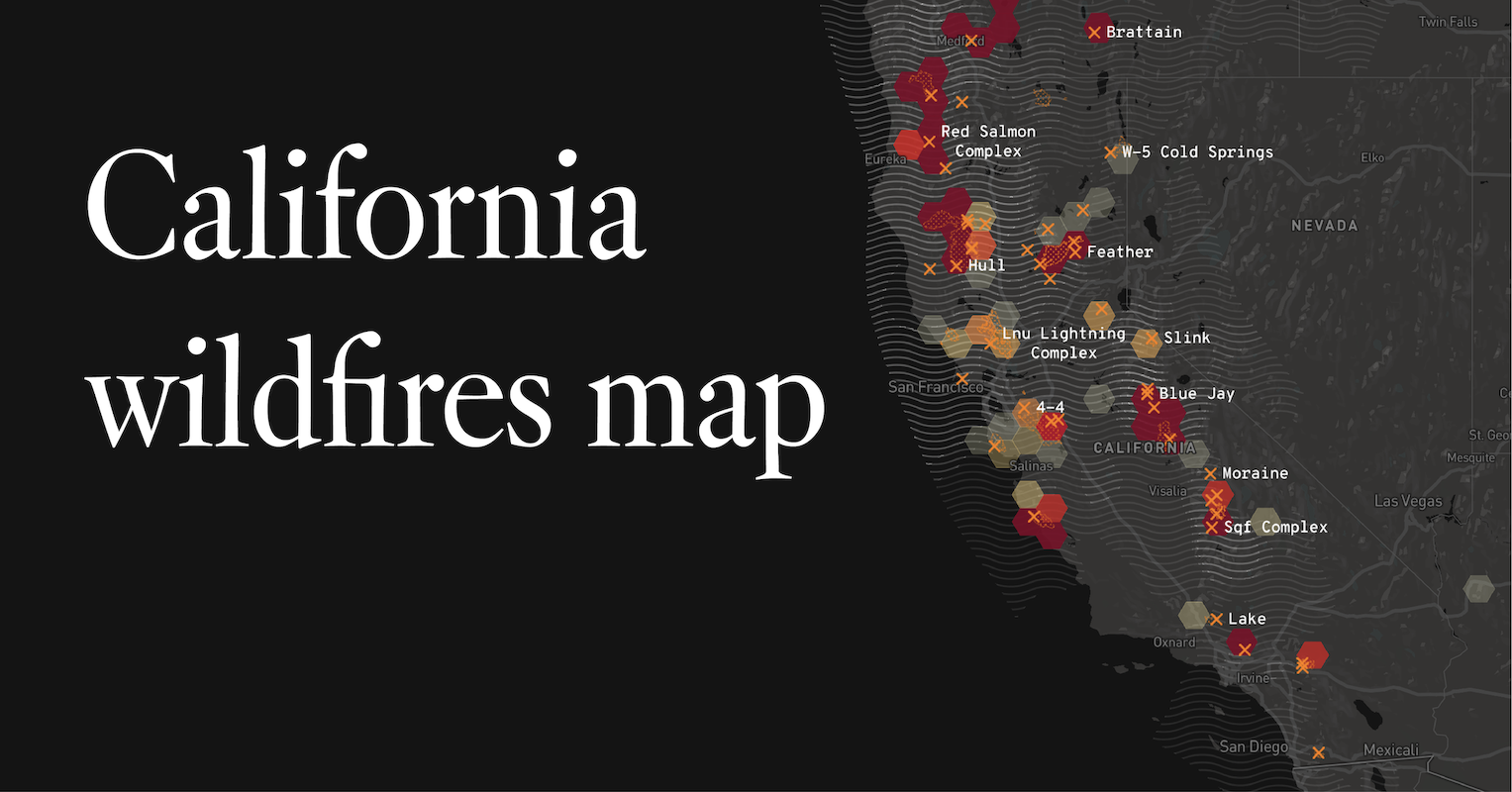
Wildfires can significantly disrupt travel plans and impact the tourism industry in California. Understanding these potential effects is essential for any visitor.
Road Closures and Access Restrictions
One of the most immediate impacts of a wildfire is road closures. Major highways, scenic byways, and local roads can be shut down due to the fire’s proximity, smoke, or the presence of firefighting equipment. This can lead to significant detours, delays, and in some cases, complete inaccessibility to certain regions. Travelers should always check current road conditions through resources like the California Department of Transportation (Caltrans) website or apps before embarking on their journey.
Air Quality Concerns
Smoke from wildfires can travel hundreds, if not thousands, of miles, severely impacting air quality even in areas far from the actual fire. Poor air quality can pose health risks, making outdoor activities unpleasant or even dangerous. For travelers with respiratory conditions, such as asthma, it’s crucial to monitor air quality indices (AQI) through services like AirNow.gov and to have contingency plans if air quality deteriorates in their destination. This might involve seeking indoor activities or postponing outdoor excursions.
Impact on Attractions and Activities
Many of California’s most popular tourist attractions, including national and state parks, beaches, and hiking trails, can be directly affected by wildfires. Parks may be closed temporarily or for extended periods to allow for firefighting efforts and post-fire assessment. Even if an attraction remains open, smoke or the visual impact of fire damage can detract from the visitor experience. It’s advisable to check the official websites of specific attractions or parks for the most up-to-date information on their operational status and any advisories.
Economic Repercussions for Local Communities
Wildfires have a profound economic impact on communities that rely heavily on tourism. Business closures, reduced visitor numbers, and damage to infrastructure can cripple local economies. Travelers who are able to visit affected areas responsibly, while respecting safety guidelines, can provide vital support to these communities. This includes patronizing open businesses and understanding that the resilience of these places is often tied to the continued support of visitors when it is safe to do so.
Planning Your Visit Amidst Fire Season
California’s wildfire season can extend throughout much of the year, making proactive planning a necessity for any traveler.
Pre-Trip Research and Preparedness
Before booking any travel to California, it’s wise to research the typical wildfire patterns for the time of year and region you plan to visit. Familiarize yourself with CAL FIRE’s resources and consider signing up for local emergency alerts for your intended destination. Pack accordingly, including a basic first-aid kit, masks for smoke protection (N95 or similar are recommended), and any necessary medications.
Flexible Itineraries
When planning a trip to California, especially during peak fire season, building flexibility into your itinerary is key. Have backup plans for activities in case your original choices are impacted by fires or smoke. This might involve identifying indoor attractions, alternative routes, or even having the option to adjust your travel dates if conditions become too severe.
Communication and Safety During Your Trip
During your visit, stay connected with reliable sources of information. Regularly check for updates on road conditions, air quality, and any new fire activity. If you are traveling through remote areas, ensure you have a full tank of gas, ample water, and food, as services may be limited or disrupted. Always heed evacuation orders from authorities immediately – your safety is paramount. Remember that emergency services may be stretched thin during a wildfire event, so self-reliance and adherence to official guidance are crucial.
Supporting Responsible Tourism
As visitors, we have a role to play in supporting the resilience of California’s natural beauty and its communities. By staying informed, being prepared, and traveling responsibly, we can minimize our own risks and contribute positively to the places we visit. Understanding the dynamic nature of wildfires allows for a more informed and safer exploration of the incredible landscapes and experiences that California has to offer, ensuring that the awe-inspiring vistas remain accessible for generations to come.
LifeOutOfTheBox is a participant in the Amazon Services LLC Associates Program, an affiliate advertising program designed to provide a means for sites to earn advertising fees by advertising and linking to Amazon.com. Amazon, the Amazon logo, AmazonSupply, and the AmazonSupply logo are trademarks of Amazon.com, Inc. or its affiliates. As an Amazon Associate we earn affiliate commissions from qualifying purchases.