
Navigating Mobility and Independence in the Golden State
For millions residing in California, a driver’s license is more than just a piece of plastic; it is a fundamental tool for daily living, a gateway to economic opportunity, and a symbol of personal independence. In a state as geographically vast and car-centric as California, the ability to drive impacts virtually every aspect of lifestyle, from commuting to work and accessing healthcare to taking children to school and participating in community activities. Without a driver’s license, simple errands become complex logistical challenges, job opportunities dwindle, and family life can be significantly constrained.
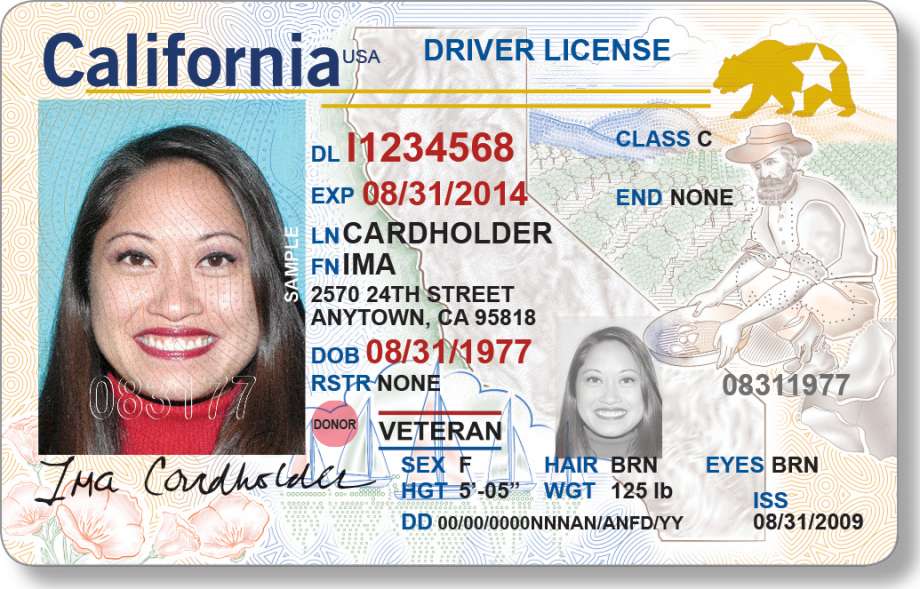
The question of whether an undocumented immigrant can obtain a driver’s license has historically been a contentious and complex issue across the United States. However, California took a pioneering stance by enacting legislation that specifically addresses this need, acknowledging the practical realities and the significant contribution of its undocumented residents. This legislative shift has had a profound impact on the lifestyle of countless individuals and families, integrating them more fully into the fabric of daily life and fostering greater stability and safety on the state’s roadways. Understanding the nuances of this law and its application is crucial for anyone seeking to navigate the process or comprehend its broader societal implications.
Unpacking AB 60: A Landmark Shift for Undocumented Residents
In 2013, California enacted Assembly Bill 60 (AB 60), a landmark piece of legislation that dramatically altered the landscape for undocumented immigrants seeking driving privileges. Effective January 1, 2015, AB 60 allows all California residents, regardless of immigration status, to apply for a driver’s license provided they meet all other eligibility requirements. This move was not merely a gesture of inclusivity; it was a pragmatic response to the realities of a large undocumented population that needed to drive for work, family, and basic necessities, often doing so without proper training, testing, or insurance, posing risks to themselves and others on the road.
The Legislative Background
Prior to Assembly Bill 60, obtaining a driver’s license in California generally required proof of legal presence in the United States. This requirement created a vast segment of the population that operated vehicles without proper licensing, leading to increased uninsured motorists, difficulties in identifying drivers in accidents, and a pervasive fear of law enforcement interaction for undocumented individuals. The passage of AB 60 was the culmination of years of advocacy, aiming to enhance public safety by ensuring that all drivers on California’s roads are tested, licensed, and insured, while also providing undocumented residents with a crucial tool for daily life. The bill faced considerable debate but ultimately garnered enough support to become law, reflecting a societal recognition of the need for practical solutions to complex demographic realities.
Eligibility and Application Process
For undocumented immigrants in California, the path to obtaining a driver’s license under Assembly Bill 60 involves a clear, albeit rigorous, process through the Department of Motor Vehicles (DMV). Eligibility hinges on meeting standard requirements such as age, vision, and knowledge of traffic laws, as well as providing proof of identity and California residency.
The application steps are as follows:
- Schedule an Appointment: While walk-ins are sometimes accommodated, scheduling an appointment at a DMV office is highly recommended to minimize wait times.
- Complete the Driver License Application: This form, DL 44, gathers personal information.
- Provide Proof of Identity: This is where the AB 60 license differs. Applicants can use various foreign documents, such as a foreign passport, a consular identification card, or a foreign birth certificate combined with other identifying documents. The DMV provides a comprehensive list of acceptable documents designed to accommodate individuals who may not have traditional federal identification.
- Provide Proof of Residency in California: This can include utility bills, rental agreements, school documents, or employment records showing a California address.
- Pay the Application Fee: A standard fee applies to all driver’s license applications.
- Pass a Vision Test: Standard vision screening is required.
- Pass a Written Knowledge Test: Applicants must demonstrate their understanding of California traffic laws and signs. The DMV driver handbook is the primary resource for studying.
- Pass a Driving Test: After passing the written test, applicants receive a provisional instruction permit, allowing them to practice driving with a licensed adult. Once they feel prepared, they can schedule and take a behind-the-wheel driving test.
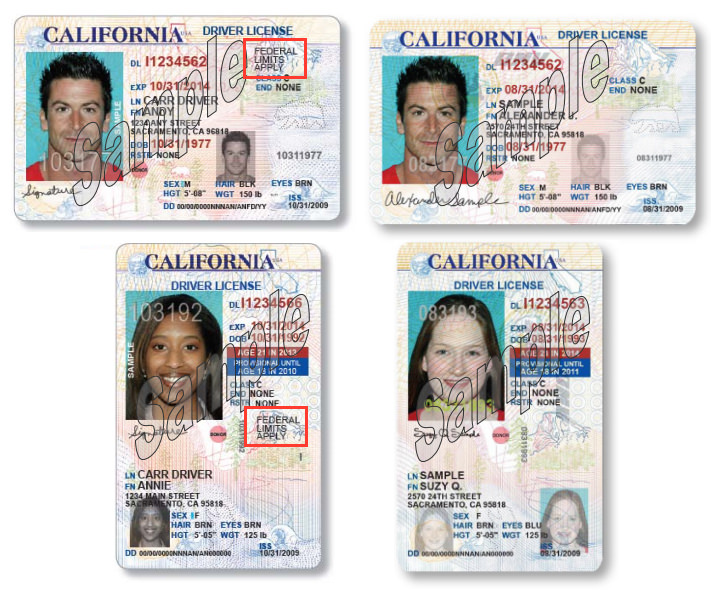
It is crucial to note that the AB 60 driver’s license looks visually distinct from a federal compliant REAL ID license. It features a visible notation stating, “FEDERAL LIMITS APPLY,” indicating that it cannot be used for federal identification purposes, such as boarding domestic flights or entering federal facilities. This distinction is vital for applicants to understand its specific utility as a driving privilege and identification for state-level interactions.
The Profound Lifestyle Impact of Obtaining an AB 60 License
The implementation of Assembly Bill 60 has brought about transformative changes in the daily lives of undocumented immigrants in California, extending far beyond merely the ability to drive. It has profoundly influenced their quality of life, economic stability, and sense of community integration.
Enhanced Daily Living and Economic Opportunity
One of the most immediate and tangible impacts of obtaining an AB 60 license is the dramatic improvement in daily living. For many, the license enables consistent and reliable transportation to work, particularly in industries such as agriculture, construction, and hospitality, where jobs are often located in areas poorly served by public transit. This stability in commuting can lead to better job retention, access to higher-paying opportunities, and reduced stress related to transportation.
Beyond employment, the license facilitates access to essential services. Undocumented residents can now drive to medical appointments without fear, take their children to school and extracurricular activities, and run essential errands like grocery shopping or banking more easily. This increased mobility allows for more efficient management of household responsibilities, freeing up time and energy previously consumed by complex travel logistics. From a lifestyle perspective, this translates into greater personal autonomy and a significant reduction in the psychological burden associated with being unable to legally drive. It allows individuals to participate more fully in the consumer economy, contributing to local businesses and services.
Family Cohesion and Social Integration
The ability to drive legally plays a critical role in fostering family cohesion and social integration. Parents can drive their children to school events, doctor’s appointments, and recreational activities, enhancing parental involvement and ensuring children have access to important opportunities. This simple act of driving strengthens family bonds and creates a more stable home environment.
Furthermore, a driver’s license allows individuals to connect with wider social networks and community resources. It reduces isolation, enabling visits to friends and relatives across different cities, participation in religious gatherings, or engagement in community volunteer efforts. This enhanced social mobility contributes to a greater sense of belonging and community membership, which is a cornerstone of a healthy lifestyle. It bridges the gap between individuals and the broader society, making them feel more secure and recognized within their communities.
Safety and Insurance Considerations
A significant public safety benefit of Assembly Bill 60 is the increase in licensed and insured drivers on California’s roads. When undocumented individuals drive without a license, they are often uninsured. AB 60 mandates that applicants pass the same rigorous tests as all other drivers, ensuring they possess the necessary skills and knowledge of traffic laws. This reduces the number of untrained drivers and contributes to safer roads for everyone.
Moreover, obtaining an AB 60 license allows undocumented drivers to legally purchase auto insurance. This is a critical lifestyle factor, providing financial protection in the event of an accident for both the licensed driver and other motorists. It alleviates the severe financial burden that often accompanies accidents involving uninsured drivers, reducing risk for all parties involved and contributing to a more equitable and secure driving environment. The ability to carry insurance provides peace of mind, knowing that one is fulfilling their legal and ethical responsibilities on the road.
Addressing Common Misconceptions and Practicalities
Despite the clear benefits of Assembly Bill 60, misconceptions about the license and practical challenges in obtaining it persist. Understanding these nuances is key for any undocumented immigrant seeking to enhance their lifestyle through legal driving.
Understanding the License’s Limitations
It is paramount for AB 60 license holders to understand the “FEDERAL LIMITS APPLY” notation. This license is primarily for driving privileges within California and for identification in state-level contexts, such as interacting with local law enforcement. It explicitly cannot be used for federal identification purposes. This means it cannot be used to board domestic flights, enter restricted federal buildings (like courthouses or military bases), or for any purpose requiring REAL ID compliance. Misunderstanding this limitation can lead to frustrating situations, such as being denied boarding for a flight, impacting travel plans or broader lifestyle choices. Awareness of these boundaries is crucial for managing expectations and planning daily activities.
Preparing for the DMV Experience
The application process at the DMV can be daunting for anyone, let alone individuals navigating a new system. Thorough preparation is key to a smooth experience. Applicants should:
- Study the California Driver Handbook: This free resource covers all necessary traffic laws and signs required for the written test. It is available in multiple languages.
- Gather All Required Documents: Create a checklist and ensure all proof of identity and residency documents are current and valid. Doubts about document acceptability should be clarified with the DMV beforehand or by reviewing their official guidelines.
- Practice Driving: Once an instruction permit is obtained, practice driving extensively with a licensed adult. Familiarity with basic maneuvers, traffic rules, and safe driving practices is essential for passing the behind-the-wheel test. Many communities offer affordable driving lessons specifically tailored to help new drivers prepare.
- Schedule Appointments: Avoid long waits by scheduling all necessary appointments (written test, driving test) online in advance.
Ongoing Responsibilities
Obtaining an AB 60 license is just the first step. Like all drivers, undocumented immigrants must adhere to California traffic laws, renew their license periodically, and maintain valid auto insurance. Failure to do so can result in fines, license suspension, or other legal consequences, jeopardizing the hard-won benefits of legal driving. Responsible driving habits are not only a legal obligation but also a vital component of integrating successfully into the state’s driving culture and maintaining a stable lifestyle. The AB 60 license represents an opportunity for a better quality of life and increased personal freedom, and upholding its responsibilities ensures these benefits endure.
LifeOutOfTheBox is a participant in the Amazon Services LLC Associates Program, an affiliate advertising program designed to provide a means for sites to earn advertising fees by advertising and linking to Amazon.com. Amazon, the Amazon logo, AmazonSupply, and the AmazonSupply logo are trademarks of Amazon.com, Inc. or its affiliates. As an Amazon Associate we earn affiliate commissions from qualifying purchases.