
The Essentials: Understanding California’s Regulations for Foreign Drivers
Navigating the rules for driving in a new country can be daunting, especially when planning a trip to a vast and diverse state like California. For international visitors, understanding the specific regulations regarding foreign driver’s licenses is paramount to ensuring a smooth and legal driving experience. The good news is that California generally welcomes foreign drivers, but there are important conditions and recommendations to be aware of.
The 180-Day Rule and Its Nuances
The primary rule governing foreign drivers in California centers around residency. Non-residents who are at least 18 years old and possess a valid driver’s license from their home country or state may drive in California for a period of up to 180 days from the date of their entry into the United States. This rule is designed to accommodate tourists, business travelers, and short-term visitors.
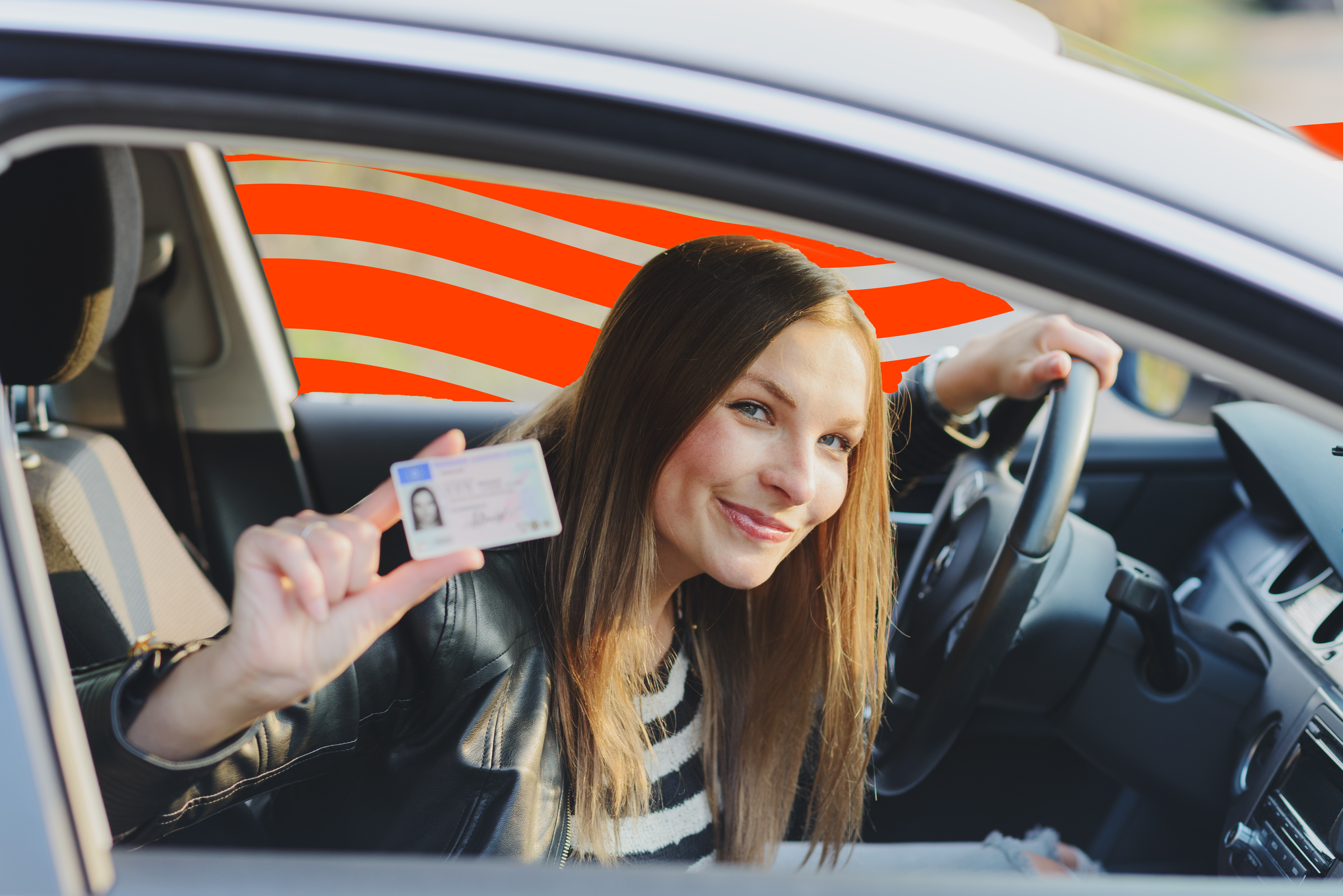
It’s crucial to understand that this 180-day window is not cumulative over multiple visits within a year; it resets with each new entry into the United States. However, the spirit of the law applies to those genuinely visiting. If you establish residency in California — for instance, by obtaining employment, enrolling in a long-term educational program, or acquiring a primary residence — your foreign license will no longer be valid after the initial 180 days, even if you haven’t technically been there for 180 consecutive days. At that point, you are expected to apply for a California driver’s license.
What Constitutes a Valid Foreign License?
For your foreign license to be considered valid in California within the 180-day period, it must meet certain criteria:
- Be Current and Unexpired: Your license must be active and not have passed its expiration date.
- Be Issued by Your Country’s Official Authority: It must be a legitimate document issued by the government or relevant licensing authority of your home country.
- Contain a Photograph: Most modern driver’s licenses include a photograph for identification purposes. While not universally mandated by California law for foreign licenses, it is highly recommended to have one for easier identification and to avoid potential scrutiny.
- Be in English, or Accompanied by an English Translation: This is perhaps the most critical point. If your license is not in English, it must be accompanied by an official English translation. This translation can be part of an International Driving Permit (IDP) or a separate translation document. Without an English translation, law enforcement officials may have difficulty verifying your driving privileges, which could lead to complications.
The Role of the International Driving Permit (IDP)
While not strictly mandatory for driving in California if your foreign license is already in English and easily legible, an International Driving Permit (IDP) is highly recommended. The IDP is not a driver’s license itself but rather a supplementary document that translates your national driver’s license into multiple languages, including English. It acts as an official endorsement of your driving qualifications and provides key personal information in a standardized format.
Benefits of carrying an IDP include:
- Ease of Communication: It helps bridge language barriers with law enforcement.
- Rental Car Acceptance: Many rental car agencies, even if they accept foreign licenses, prefer or sometimes require an IDP, especially if your national license is not in English.
- International Recognition: It’s recognized in over 150 countries, making it a valuable document for any international traveler.
An IDP must be obtained in your home country before you travel to the United States and is valid for one year from its date of issue. It must always be presented alongside your valid physical driver’s license from your home country.
Navigating Rental Cars and Insurance Requirements
For most visitors to California, renting a car is essential for exploring destinations like Los Angeles, San Francisco, San Diego, Yosemite National Park, or the scenic Big Sur coast. Understanding the requirements for rental agencies and the mandatory insurance coverage is just as important as knowing the state’s driving laws.
Renting a Vehicle in California
Rental car companies in California typically have their own set of rules, which often align with or exceed state requirements. To rent a car, you will generally need:
- A Valid Driver’s License: Your foreign driver’s license (and often an IDP, especially if your license is not in English).
- Minimum Age Requirement: Most companies require drivers to be at least 21 years old, and drivers under 25 may incur a “young driver” surcharge. Some luxury vehicles might have higher age requirements.
- A Major Credit Card: In your name, for the deposit and payment. Debit cards might be accepted, but often with more stringent requirements or additional deposits.
It’s highly advisable to check with your chosen rental car company about their specific policies for international drivers before you arrive. Confirming these details in advance can prevent unexpected issues at the rental counter.
Mandatory Auto Insurance: A Critical Component
In California, like most of the United States, auto insurance is mandatory. Every driver must have financial responsibility coverage. This is not just a recommendation; it’s a legal requirement. When renting a car, you will be offered various insurance options, and it’s essential to understand them.
- Liability Insurance: This is the minimum legal requirement. It covers damages or injuries you cause to other people or their property in an accident. California’s minimum liability limits are 15/30/5 ($15,000 for injury/death to one person, $30,000 for injury/death to more than one person, and $5,000 for property damage).
- Collision Damage Waiver (CDW) / Loss Damage Waiver (LDW): This covers damage to your rental vehicle in an accident or if it is stolen. While often expensive, it provides peace of mind. Check if your personal auto insurance policy from your home country, or your credit card, offers this coverage for rental cars. Many premium credit cards provide CDW/LDW as a benefit when you pay for the rental with their card.
- Personal Accident Insurance (PAI) / Personal Effects Coverage (PEC): These offer coverage for medical expenses and lost personal belongings.
Even if your home country’s insurance policy claims to cover international rentals, it’s wise to confirm its validity and extent in the United States. Often, the easiest and most reliable approach for short-term visitors is to purchase the necessary insurance directly from the rental car company or through a reputable travel insurance provider that specifically covers rental car damage.

What Happens Without Insurance?
Driving without proper insurance in California carries severe penalties. If you are pulled over or involved in an accident and cannot provide proof of financial responsibility, you could face:
- Fines: Significant monetary penalties.
- Vehicle Impoundment: Your rental car could be impounded.
- Driver’s License Suspension: Even a foreign license can be effectively suspended, making it illegal for you to drive in the state.
- Legal Liability: In the event of an accident, you would be personally responsible for all damages and medical costs, which can be astronomically high in the United States.
Therefore, always ensure you have adequate insurance coverage before you get behind the wheel.
Preparing for Your California Road Trip: Documentation and Best Practices
A successful road trip through California, whether along the coast to San Diego, through the vineyards of Napa Valley, or the stark beauty of Death Valley, hinges on proper preparation. Beyond understanding the rules, having the right documents and knowing local driving customs can make all the difference.
Essential Documents to Carry at All Times
When driving in California with a foreign license, you must always have the following documents readily accessible in the vehicle:
- Your Valid Foreign Driver’s License: The physical card itself, not just a copy.
- Your International Driving Permit (IDP) (if applicable/recommended): This must accompany your foreign license.
- Proof of Vehicle Registration: For a rental car, this will be in the glove compartment or provided by the rental agency.
- Proof of Auto Insurance: A physical or digital copy of your insurance policy or rental agreement showing coverage.
- Your Passport or Visa: While not specifically for driving, having your primary identification document readily available can help verify your non-resident status if questioned.
Keep these documents secure but easily accessible, preferably not in your wallet if you get pulled over, to avoid fumbling and give the impression of being organized.
Tips for Driving Safely and Legally
Driving in California can be a different experience from your home country. Here are some tips to ensure safety and compliance:
- Drive on the Right Side of the Road: This is crucial for drivers coming from countries where traffic drives on the left.
- Familiarize Yourself with Road Signs: While many signs are pictorial and universal, some text-based signs and specific markings might be unfamiliar.
- Understand Lane Markings: Solid lines mean no crossing, dashed lines mean passing is permitted. Yellow lines separate opposing traffic, white lines separate traffic going the same direction.
- Use Turn Signals: Always signal your intentions well in advance for turns and lane changes.
- Observe Speed Limits: Posted speed limits are strictly enforced. Pay attention to changes, especially in urban areas and school zones.
- Hands-Free Phone Use Only: Using a handheld cell phone while driving is illegal in California.
- Seatbelt Law: All occupants of the vehicle must wear seatbelts, regardless of age or seating position.
- Yield to Pedestrians: Pedestrians have the right-of-way in crosswalks.
- Don’t Drink and Drive: California has very strict DUI laws, and penalties are severe. The legal blood alcohol limit is 0.08% for drivers 21 and older, and 0.01% for those under 21.
Understanding California Traffic Laws
Beyond the basic rules, a few California specific laws are worth noting:
- Right Turn on Red: In most cases, you can turn right at a red light after coming to a complete stop and ensuring the intersection is clear, unless a sign explicitly prohibits it (“NO TURN ON RED”).
- Car Pool/HOV Lanes: These lanes are typically marked with a diamond symbol and are reserved for vehicles with multiple occupants (usually 2 or more, sometimes 3+ in peak hours). Fines for unauthorized use are substantial.
- Emergency Vehicles: You must yield to emergency vehicles (police, fire, ambulance) with active lights and sirens by pulling over to the right edge of the road and stopping.
- “Move Over” Law: If an emergency vehicle or tow truck is stopped on the side of the road with flashing lights, you must move to an adjacent lane if safe to do so, or slow down significantly.
Beyond the Basics: Long-Term Stays and Obtaining a California Driver’s License
While the 180-day rule covers most tourists and short-term visitors, those planning an extended stay in California will need to transition from their foreign license to a state-issued one. This is a crucial step for establishing legal residency and continuing to drive lawfully.
When a Foreign License is No Longer Sufficient
As mentioned, if you establish residency in California – indicated by actions such as renting or owning a home, getting a job, or enrolling your children in school – your foreign license generally becomes invalid after 180 days from your entry into the United States. It is your responsibility to monitor this period and initiate the process for obtaining a California driver’s license well in advance to avoid any legal issues or driving without a valid license.
Even if your stay is slightly longer than 180 days but you do not consider yourself a permanent resident, the safest course of action is to apply for a California license. The California Department of Motor Vehicles (DMV) is the authority on this matter, and adhering to their guidelines is essential.

The Process of Acquiring a California Driver’s License
The process of obtaining a California driver’s license for a foreign national typically involves several steps:
- Schedule an Appointment: It’s highly recommended to schedule an appointment at a local DMV office, as walk-in wait times can be extremely long.
- Complete the Application Form: Fill out the driver’s license application (Form DL 44), which can often be started online.
- Provide Proof of Identity and Residency: You will need to present documents proving your legal presence in the United States (passport, visa, I-94 form, etc.), your identity, and your California residency (utility bills, rental agreements, bank statements, etc.). The DMV website provides a comprehensive list of acceptable documents.
- Pay the Application Fee: There is a non-refundable fee for the application.
- Pass a Vision Test: Standard vision screening is required.
- Pass a Written Knowledge Test: This exam tests your understanding of California traffic laws, road signs, and safe driving practices. Study the California Driver Handbook thoroughly. It’s available online in multiple languages.
- Complete a Driving Test: After passing the written test, you will need to schedule and pass a behind-the-wheel driving test. You must provide a properly registered and insured vehicle for this test.
- Receive Your License: Upon successful completion of all tests, you will be issued a temporary license, and your permanent license will be mailed to you.
The entire process requires careful attention to detail and adherence to DMV requirements. Starting early and being prepared with all necessary documentation will help ensure a smooth transition and allow you to continue enjoying the freedom of driving in the Golden State.
LifeOutOfTheBox is a participant in the Amazon Services LLC Associates Program, an affiliate advertising program designed to provide a means for sites to earn advertising fees by advertising and linking to Amazon.com. Amazon, the Amazon logo, AmazonSupply, and the AmazonSupply logo are trademarks of Amazon.com, Inc. or its affiliates. As an Amazon Associate we earn affiliate commissions from qualifying purchases.