
Texas, a state renowned for its vast landscapes, independent spirit, and robust economy, offers a unique benefit to its residents: the homestead exemption. This powerful property tax relief mechanism is designed to protect homeowners by reducing the taxable value of their primary residence. Understanding how the Texas homestead exemption works is crucial for any homeowner in the Lone Star State, impacting everything from annual tax bills to financial planning and even estate preservation. This guide delves into the intricacies of this vital protection, exploring its benefits, eligibility requirements, and the process for obtaining it.

Understanding the Core of Homestead Exemption
At its heart, the Texas homestead exemption functions as a reduction in your property’s appraised value for tax purposes. This means that the calculated property taxes you owe are based on a lower valuation, directly translating into lower annual tax payments. It’s not an exemption from paying property taxes altogether, but rather a significant reduction in the amount owed. This relief is particularly impactful in Texas, where property taxes can be a substantial expense for homeowners, especially in rapidly appreciating real estate markets.
The primary goal of the homestead exemption is to make homeownership more affordable and to provide a safeguard against excessively high property tax burdens, particularly for seniors, individuals with disabilities, and families with children. It reflects a state-level commitment to protecting the fundamental right to homeownership.
Types of Homestead Exemptions in Texas
Texas offers several variations of the homestead exemption, each tailored to specific circumstances, ensuring broader accessibility and protection.
General Homestead Exemption
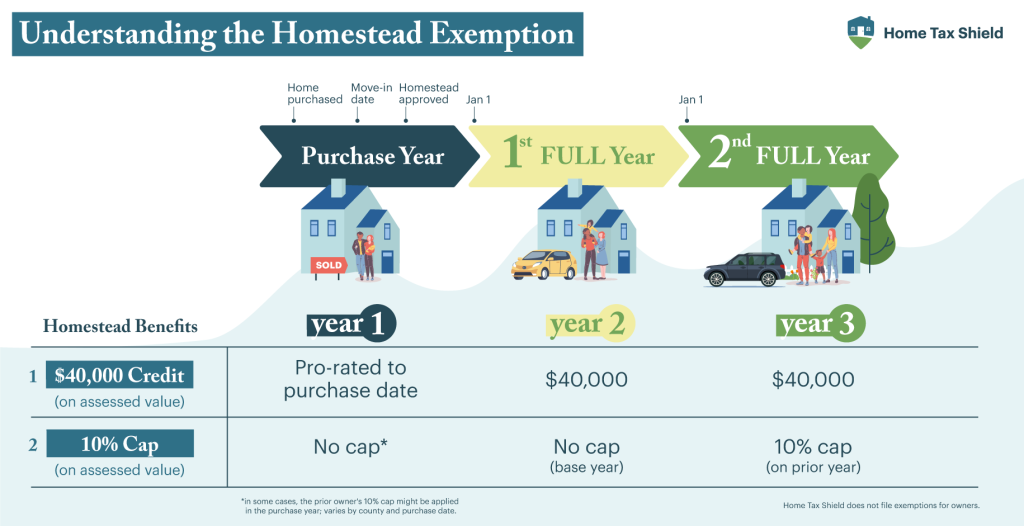
This is the most common type of homestead exemption available to all eligible homeowners in Texas. It provides a standard reduction in the appraised value of the homestead. The amount of this reduction is set by local taxing entities (school districts, counties, cities, and special districts), but there’s a mandatory minimum set by the state. For school district taxes, homeowners are entitled to an automatic $40,000 exemption on their primary residence. This means that the first $40,000 of your home’s appraised value is not subject to school property taxes.
Additional Exemptions for Specific Groups
Beyond the general exemption, Texas provides additional relief for certain populations:
- Age 65 or Older Exemption: Homeowners who are 65 years of age or older are eligible for an additional homestead exemption. Similar to the general exemption, the amount is determined by local taxing units, but there’s a mandated minimum. This exemption, combined with the general homestead exemption, can significantly lower property tax bills for seniors, allowing them to age in place more comfortably.
- Disability Exemption: Individuals who are disabled, as defined by law, are also entitled to an additional homestead exemption. This exemption provides financial relief to those facing the challenges of a disability, ensuring their primary residence remains affordable. The definition of disability is typically aligned with the Social Security Administration’s criteria or a physician’s certification.
- Exemption for Survivors of U.S. Armed Service Members Killed in Action: This exemption provides relief to the surviving spouse of a member of the U.S. armed forces who was killed in action. It’s a solemn recognition of sacrifice and a means to support those left behind.
- Exemption for Disabled Veterans and Survivors: Texas offers substantial homestead exemptions for disabled veterans and the surviving spouses of disabled veterans. The exemption amount varies based on the veteran’s disability rating, with 100% disabled veterans and qualifying surviving spouses potentially receiving a full exemption from property taxes on their homestead.
It is important to note that these additional exemptions are in addition to the general homestead exemption. For instance, a homeowner who is 65 or older and qualifies for the general homestead exemption will also receive the 65 or older additional exemption, further reducing their taxable value.
Eligibility Requirements for Texas Homestead Exemption
To qualify for a Texas homestead exemption, homeowners must meet several key criteria. These requirements are designed to ensure that the exemption benefits those who truly reside in the property as their primary home.
Residency
The most critical requirement is that the property must be your residence homestead. This means it must be the home where you live the majority of the time. You cannot claim a homestead exemption on a vacation home, an investment property, or a property where you do not physically reside.
Ownership
You must own the property. This can be through outright ownership or by having a beneficial interest in the property, such as through a contract to purchase or ownership in a cooperative.
Filing Application
While the $40,000 school district homestead exemption is automatic, you still need to file an application with your local county appraisal district to receive other homestead exemptions. The application deadline is typically April 30th of each year for the exemption to apply to the current tax year. Once granted, homestead exemptions generally renew automatically each year, though it’s wise to confirm with your appraisal district.
One Homestead Per Person
An individual or married couple can only claim one homestead in Texas. If you own multiple properties, you must designate which one is your primary residence for the homestead exemption.
The Application Process
Applying for a Texas homestead exemption is a straightforward process, but it’s essential to follow the correct steps and adhere to deadlines.
Step 1: Determine Eligibility
Confirm that the property you wish to claim the exemption on meets the residency and ownership requirements. If you are applying for an additional exemption (e.g., for age or disability), ensure you have the necessary documentation.
Step 2: Obtain the Application Form
Application forms for homestead exemptions are available from your local county appraisal district’s office or their website. Many appraisal districts also offer online application portals.
Step 3: Complete the Application
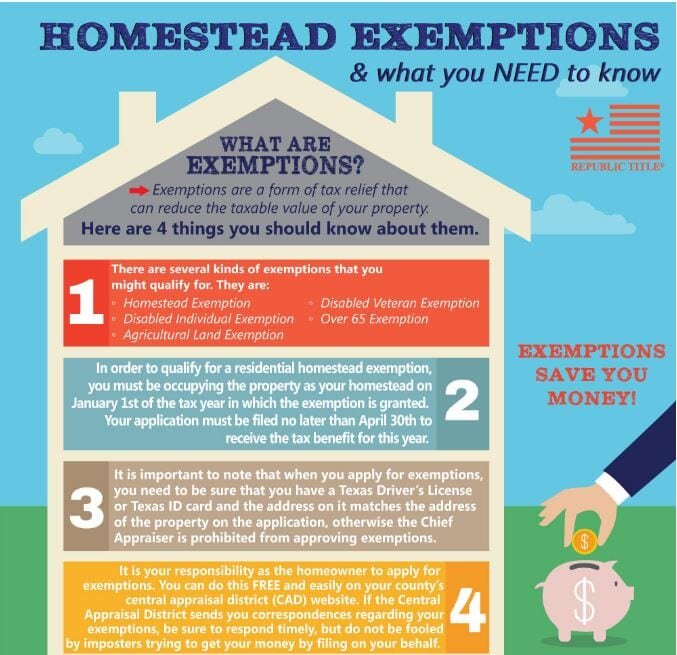
Fill out the application form accurately and completely. You will need to provide personal information, property details, and potentially supporting documentation for age or disability exemptions. For age and disability exemptions, you may need to provide proof such as a birth certificate, a doctor’s letter, or documentation from the Social Security Administration.
Step 4: Submit the Application
Submit the completed application form to your county appraisal district. The deadline for filing is typically April 30th for the exemption to be applied to the property taxes for that year. Early filing is encouraged.
Step 5: Approval and Confirmation
Once your application is received and reviewed, the appraisal district will notify you of the approval or denial of your homestead exemption. Approved exemptions will be reflected in your property tax statement.
Benefits and Impact of Homestead Exemption
The Texas homestead exemption offers substantial financial and personal benefits to homeowners.
Financial Savings
The most immediate benefit is the reduction in property tax liability. Even a modest exemption can save homeowners hundreds, if not thousands, of dollars annually. For those with higher property values or living in high-tax areas, the savings can be even more significant.
Protection Against Rising Taxes
As property values increase, so too can property taxes. The homestead exemption acts as a buffer, mitigating the impact of escalating tax burdens. This is particularly important for long-term residents who may see their tax bills rise dramatically as their neighborhoods become more desirable.
Preservation of Wealth and Assets
By reducing the ongoing cost of homeownership, the homestead exemption helps homeowners preserve their financial resources. This allows for greater flexibility in managing budgets, saving for other financial goals, or simply increasing disposable income.
Encouraging Homeownership
The tax relief provided by the homestead exemption makes homeownership more accessible and sustainable. It supports the dream of owning a home and contributes to community stability by helping residents remain in their homes.
Protection Against Forced Sale (Limited)
While not a complete shield against foreclosure for all debts, the Texas Constitution does provide some protection against forced sale of a homestead for certain debts, such as those incurred for the purchase of the property, taxes on the property, or work performed on the property. This offers a degree of security for homeowners.
Important Considerations and Nuances
While the Texas homestead exemption is a valuable tool, there are several important points to keep in mind to maximize its benefits and avoid potential pitfalls.
Appraisal Limitations (10% Rule)
For homesteads, Texas law limits the annual increase in a property’s appraised value for tax purposes to 10% per year, plus the value of any new improvements. This is known as the “10% rule” or “homestead cap.” This limitation applies once a property receives a homestead exemption and can provide substantial protection against rapid increases in appraised values, even if the market value of the home is rising faster. However, this cap is removed when the property is sold, and a new homestead exemption is applied for by the new owner.
Multiple Jurisdictions
Remember that property taxes are levied by multiple entities: school districts, counties, cities, and sometimes special districts (like hospital or flood control districts). Each of these entities may offer its own level of homestead exemption, in addition to the state-mandated school district exemption. It’s essential to understand the total impact of all applicable exemptions.
Special Property Tax Districts
In certain areas, particularly those with master-planned communities or special development districts, additional taxes may be levied. The homestead exemption primarily applies to the general property taxes levied by taxing units like school districts, counties, and cities. You should clarify with your local appraisal district how the exemption applies to any special assessments or taxes.
Moving or Selling Your Home
If you move to a new primary residence, you must file for a new homestead exemption on your new home. The homestead exemption does not automatically transfer. If you sell your homesteaded property, the 10% appraisal cap no longer applies to that property. The next owner will be able to apply for their own homestead exemption.
Keeping Your Information Updated
It is crucial to keep your contact information with the county appraisal district up to date. This ensures you receive important notices regarding your property valuation and tax obligations.
The Texas homestead exemption is a cornerstone of property ownership in the state, offering significant financial relief and protection to its residents. By understanding the eligibility requirements, the application process, and the various types of exemptions available, homeowners can effectively leverage this powerful benefit to make their homes more affordable and secure. It’s a testament to Texas’s commitment to its citizens, recognizing the importance of stable and affordable homeownership within its dynamic communities.
LifeOutOfTheBox is a participant in the Amazon Services LLC Associates Program, an affiliate advertising program designed to provide a means for sites to earn advertising fees by advertising and linking to Amazon.com. Amazon, the Amazon logo, AmazonSupply, and the AmazonSupply logo are trademarks of Amazon.com, Inc. or its affiliates. As an Amazon Associate we earn affiliate commissions from qualifying purchases.