
Oregon has been at the forefront of a significant shift in the understanding and application of psychedelic substances, particularly psilocybin. This evolving legal landscape has generated considerable interest from travelers, researchers, and individuals seeking novel therapeutic experiences. While the term “legal” can be nuanced, Oregon has indeed taken groundbreaking steps that distinguish it from many other jurisdictions. Understanding these developments is crucial for anyone considering a visit to the Beaver State with these specific interests in mind.
The Landmark Psilocybin Services Act
Measure 109 and its Implications
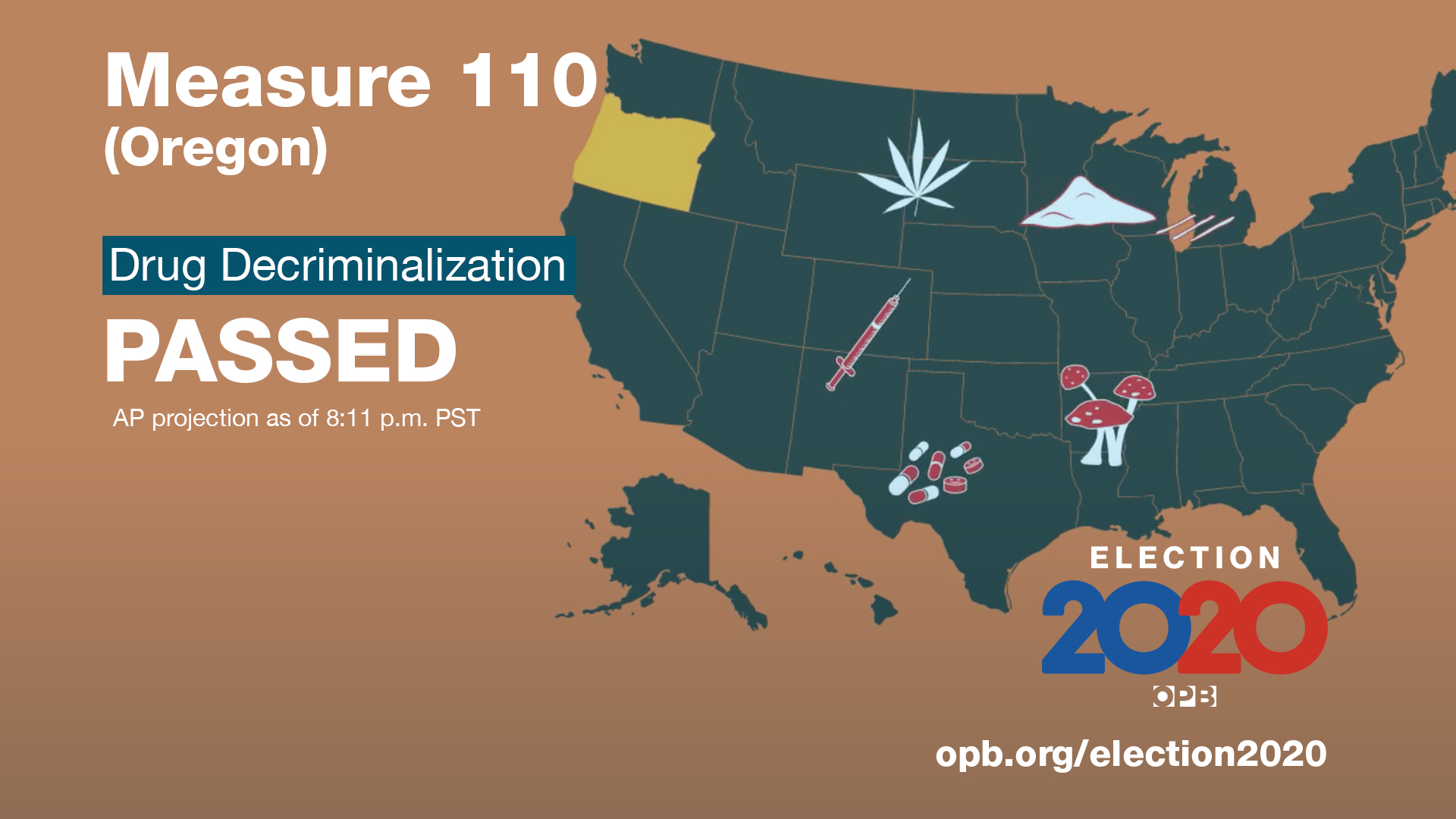
The cornerstone of Oregon’s progressive approach to psilocybin is Measure 109, passed by voters in November 2020. This historic legislation did not legalize psilocybin for recreational use. Instead, it established a regulated framework for the supervised administration of psilocybin-assisted therapy. This means that while possession and recreational use of psilocybin remain illegal under state and federal law, Oregon has created a pathway for licensed and supervised therapeutic services.

This distinction is vital. It is not akin to the legalization of cannabis, where broad personal cultivation and consumption are permitted. Instead, Measure 109 carved out a specific, controlled environment for psilocybin to be accessed for its potential therapeutic benefits. This was a direct response to growing scientific evidence supporting psilocybin’s efficacy in treating conditions such as depression, anxiety, PTSD, and addiction, when administered in a supportive setting.
Key Components of the Framework
The implementation of Measure 109 involves several critical components designed to ensure safety and accessibility:
- Licensed Service Centers: These are the only locations where psilocybin services can be legally administered under the new framework. These centers are subject to strict licensing requirements and oversight from the Oregon Health Authority.
- Licensed Facilitators: Individuals administering psilocybin must be licensed. This requires specific training, background checks, and adherence to ethical guidelines. Facilitators are trained to guide individuals through the entire process, from preparation sessions to the experience itself, and integration afterward.
- Oregon Health Authority Oversight: The Oregon Health Authority is responsible for developing and enforcing all rules and regulations pertaining to psilocybin services. This includes licensing, product safety, dosage, and operational standards for service centers and facilitators.
- Product Safety and Manufacturing: Psilocybin products are manufactured under strict controls to ensure purity and potency. This is overseen by the state, ensuring that what is administered in licensed centers meets rigorous safety standards.
The framework created by Measure 109 is designed to be a model for responsible and therapeutic use, prioritizing the well-being of participants above all else.
Navigating Oregon as a Traveler Interested in Psilocybin Services
For individuals planning a trip to Oregon with the intention of accessing psilocybin services, it is crucial to understand the limitations and requirements. The legal status is not a blanket endorsement but a carefully regulated therapeutic program.
Eligibility and Access
Access to psilocybin services in Oregon is currently limited to individuals who are:
- Oregon Residents: The initial rollout and regulations are primarily focused on residents of the state. While this may evolve, current provisions often prioritize local access.
- Above the Age of 21: As with many regulated substances, a minimum age requirement of 21 years is in place.
- Receiving Services at a Licensed Center: Psilocybin can only be legally administered within a licensed service center by a licensed facilitator. It cannot be obtained or consumed elsewhere.
It is important to research the specific requirements for booking an appointment and the screening process involved. Licensed centers will have their own protocols to ensure participants are suitable candidates for psilocybin-assisted therapy.
What to Expect in a Service Center
A psilocybin service center in Oregon is not a recreational venue. It is a carefully designed therapeutic environment. The experience typically involves:
- Preparation Sessions: Before the psilocybin session, participants will engage in sessions with their facilitator to discuss their intentions, address any anxieties, and understand the process.
- The Session: The psilocybin is administered in a comfortable and safe setting. Participants are monitored by their facilitator throughout the experience, which can last several hours.
- Integration Sessions: Following the psilocybin experience, integration sessions are crucial for helping participants process their insights and apply them to their lives.
The focus is on a therapeutic outcome, guided by trained professionals. The atmosphere is designed to be calming, supportive, and conducive to introspection and healing.
Legal Considerations for Out-of-State Visitors
The legal status of psilocybin in Oregon applies specifically to the framework established by Measure 109. This means that:
- Possession is Still Illegal: Possessing psilocybin outside of a licensed service center, even as an out-of-state visitor, can still be subject to arrest and prosecution under federal law and existing state statutes that have not been superseded by the new framework.
- Federal Law Remains: It is critical to remember that psilocybin is classified as a Schedule I controlled substance under federal law. While Oregon has created a state-level exception for supervised therapy, this does not change its federal classification. Travelers should be aware that traveling across state lines with any controlled substance, even if legal in one state, is a federal offense.
- No Recreational Use: The Oregon framework does not permit recreational use. Visitors seeking a recreational experience will not find a legal avenue for this through Measure 109.
Therefore, any visitor considering psilocybin services in Oregon must strictly adhere to the legal framework provided by Measure 109 and understand the legal ramifications of actions outside of this framework.
The Broader Context: Oregon’s Innovation in Psychedelic Policy
Oregon’s approach to psilocybin is part of a larger trend of states and cities exploring more progressive drug policies. While Oregon is the first state to create a regulated system for psilocybin therapy, other areas have decriminalized certain substances or are researching potential therapeutic applications.
Beyond Psilocybin: A Shifting Landscape
The success and implementation of Measure 109 are being closely watched by other jurisdictions. It serves as a pilot program, offering valuable data and insights into how such services can be regulated safely and effectively. This pioneering spirit is not limited to psilocybin, as discussions around other psychedelics like MDMA and LSD for therapeutic purposes are also gaining traction in research and policy circles nationwide.
Potential for Future Tourism?
While currently focused on therapeutic services for residents, the existence of a regulated psilocybin program in Oregon has inevitably sparked discussions about its potential impact on tourism. As the program matures and potentially expands, and as research continues to evolve, the possibility of Oregon becoming a destination for those seeking legally regulated psychedelic experiences could emerge. However, this remains speculative and dependent on future legislative developments and regulatory adjustments. For now, the focus is firmly on therapeutic access within the state.

Conclusion: A Carefully Regulated Therapeutic Frontier
In summary, the question “Is Psilocybin Legal In Oregon?” is answered with a qualified “yes” for therapeutic purposes under a strictly regulated framework. Measure 109 has established a groundbreaking system for psilocybin-assisted therapy, distinct from recreational legalization. For travelers, this means that while accessing these services is possible, it requires adherence to specific guidelines, eligibility criteria, and a thorough understanding of the legal boundaries. Oregon is charting a new course, prioritizing safety, efficacy, and responsible access to a substance with significant therapeutic potential. Anyone interested in exploring these services should consult official resources from the Oregon Health Authority and licensed service providers for the most current and accurate information.
LifeOutOfTheBox is a participant in the Amazon Services LLC Associates Program, an affiliate advertising program designed to provide a means for sites to earn advertising fees by advertising and linking to Amazon.com. Amazon, the Amazon logo, AmazonSupply, and the AmazonSupply logo are trademarks of Amazon.com, Inc. or its affiliates. As an Amazon Associate we earn affiliate commissions from qualifying purchases.