
For many families considering the shift from traditional schooling, the prospect of homeschooling their children through all grades, including high school, can seem daunting yet incredibly appealing. In California, a state known for its diverse educational approaches and innovative spirit, the answer is a resounding yes: homeschooling is not only permissible but also a well-established and growing lifestyle choice for thousands of families from kindergarten through 12th grade. This path offers unparalleled flexibility, allowing parents to tailor education to their children’s unique needs, integrate learning with travel, and cultivate a family lifestyle centered around exploration and personalized development.

The Legal Landscape: Your Options in California
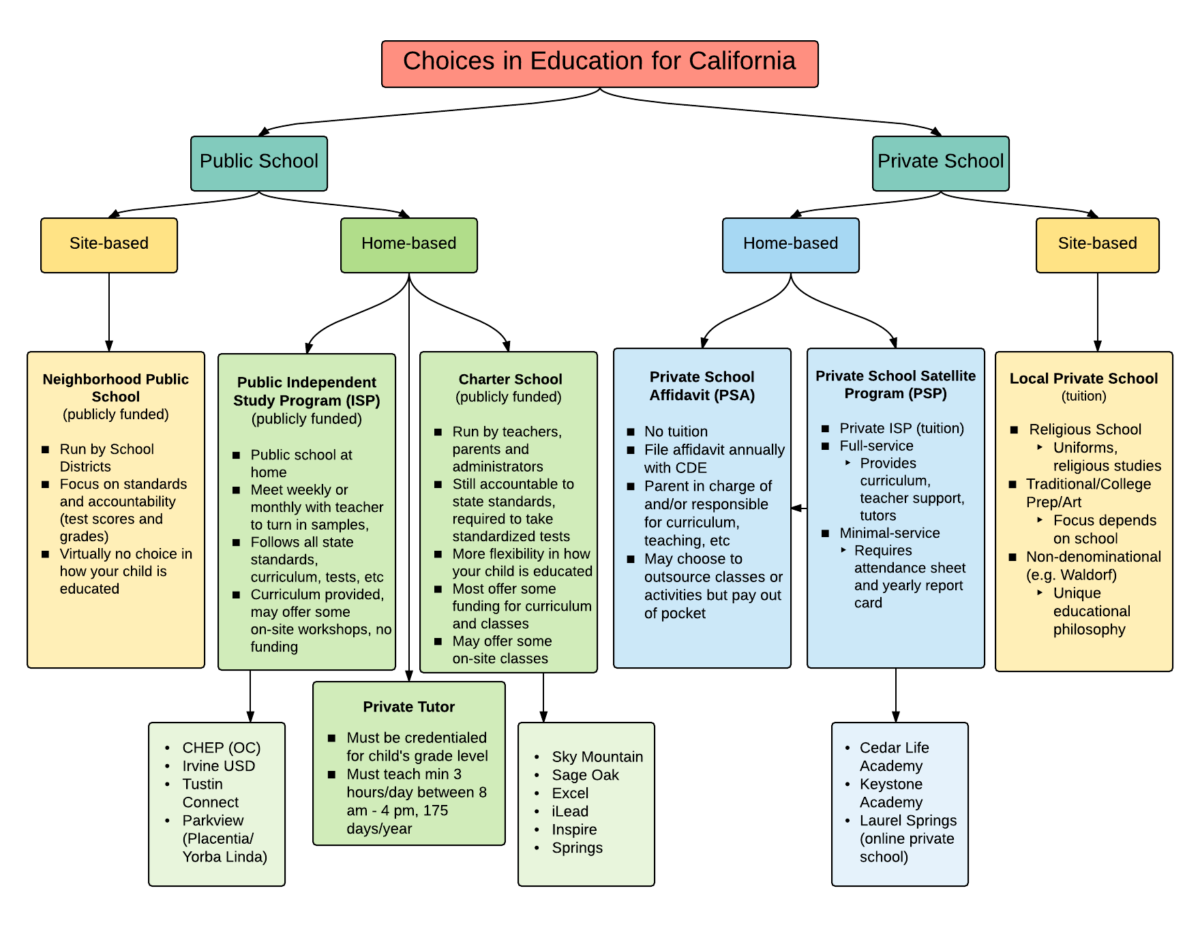
Understanding the legal framework is the first step in embracing a homeschooling lifestyle in California. The state provides several distinct legal avenues for parents to educate their children at home, each offering varying degrees of autonomy and support. These options ensure that families can choose a structure that best aligns with their values, educational philosophy, and desired lifestyle flexibility.
The Private School Affidavit (PSA)
The most common and often preferred method for homeschooling families in California is operating as a private school. Under this option, parents file a Private School Affidavit (PSA) with the California Department of Education annually. By doing so, they declare their home to be a private school and themselves as its administrators. This designation grants parents maximum autonomy over curriculum, teaching methods, and scheduling.
The PSA option is particularly attractive for families seeking a lifestyle of ultimate flexibility. It allows for spontaneous travel, extended educational trips, and the freedom to design a school year that deviates from the traditional calendar. Parents can choose any curriculum, teaching style (from structured to unschooling), and assessment methods they deem appropriate. While this path demands significant responsibility from parents—acting as administrators, record keepers, and educators—it provides the greatest liberty to integrate education seamlessly into their desired family lifestyle, including opportunities for global learning adventures or deep dives into passion-based projects.
Public Charter Schools (Non-Classroom Based)
Another popular avenue for homeschooling families, especially those seeking more structure or financial support, is enrolling their children in a public charter school that offers a non-classroom-based, independent study program. These charter schools are publicly funded and state-certified, but they allow students to complete their studies primarily at home, often with parental guidance and support from a credentialed teacher.
Under this model, the school typically provides resources, curriculum options, and regular check-ins with a supervising teacher. Students often receive an educational budget that can be used for approved curriculum materials, enrichment classes, field trips, and even some extracurricular activities. While this option offers less autonomy than the PSA, it can be a comfortable middle ground, providing support and oversight while maintaining a significant degree of homeschooling flexibility. For families balancing work, travel, and education, the structured support and financial assistance from a charter school can significantly ease the burden, allowing them to sustain a dynamic and enriching family lifestyle without having to fully shoulder all educational costs and responsibilities. Many of these programs are designed to facilitate a “learn-as-you-go” lifestyle, making it easier for families to explore diverse interests and educational opportunities across California, from the natural history museums of Los Angeles to the scientific wonders of San Francisco.
Private Tutors & Certified Teachers
A less common but equally valid legal option is for a child to be taught by a private tutor or a teacher holding a valid California teaching credential. This tutor must provide instruction for at least three hours a day for 175 days a year and teach the core subjects typically taught in public schools.
This option is often chosen by families who desire a highly individualized education delivered by a professional, without the responsibility of directly managing a private school or the structure of a charter program. While it might be a more expensive route, it offers the convenience of expert instruction and curriculum development, freeing up parents to focus on other aspects of their family lifestyle. It also provides flexibility in terms of location, as the tutoring can occur at home, while traveling, or in other private settings, aligning with a mobile or bespoke educational approach.
Embracing a Flexible Family Lifestyle
One of the most compelling reasons families choose to homeschool up to 12th grade in California is the ability to craft a truly flexible and integrated family lifestyle. This isn’t just about academics; it’s about redefining how a family lives, learns, and grows together.
Integrating Travel and Learning
Homeschooling opens up incredible possibilities for families to weave travel directly into their educational experience. Rather than being confined to a traditional school calendar, homeschooling families can take extended trips during off-peak seasons, avoiding crowds and often saving money. A journey to a national park like Yosemite can become a multi-week unit on ecology, geology, and Native American history. Visiting historical missions along the California coast can be an immersive history lesson.
This “worldschooling” or “roadschooling” approach transforms vacations into living classrooms, fostering a deeper, more experiential understanding of subjects. Children learn about geography by navigating maps, history by visiting significant sites, and culture by interacting with different communities. This lifestyle allows for a fluid blend of adventure and academics, making learning an exciting, ongoing journey rather than a compartmentalized task. It cultivates adaptable, curious learners who see the world as their textbook.
Tailoring the Educational Journey
Beyond travel, the lifestyle flexibility afforded by homeschooling means parents can tailor every aspect of their child’s education. This customization extends to curriculum choices, learning pace, and even the daily schedule. If a child shows a deep interest in marine biology, the family can spend more time at aquariums, conducting ocean-related experiments, or even volunteering at coastal conservation efforts. If a child excels in math, they can accelerate through concepts without waiting for peers. Conversely, if a subject is challenging, they can take more time without feeling rushed or left behind.
This personalized approach profoundly impacts the family’s daily lifestyle. Mornings might be dedicated to core academics, while afternoons are free for creative pursuits, internships, sports, or community service. This ability to adapt to individual learning styles and interests fosters a love for learning that extends far beyond the classroom, cultivating passions that can shape future careers and lifelong hobbies. It’s a lifestyle that prioritizes well-being, intrinsic motivation, and the unique developmental path of each child.
Cultivating Community and Socialization
A common concern about homeschooling, particularly through high school, revolves around socialization. However, the homeschooling lifestyle in California is rich with opportunities for children to connect with peers and engage with their broader community, often in more meaningful and diverse ways than in traditional settings.
Homeschool Co-ops and Groups
Across California, vibrant homeschooling communities exist in virtually every major city and region. These communities often organize into co-ops or informal groups that offer classes, field trips, park days, and social gatherings. These groups provide a crucial social outlet for both children and parents, fostering friendships, shared learning experiences, and a sense of belonging. Children can participate in academic classes, art workshops, book clubs, or even science fairs alongside their peers.
For families, joining a co-op or group integrates them into a supportive network of like-minded individuals who share their lifestyle choice. This community support is invaluable, offering opportunities for shared resources, advice, and social activities that enrich the homeschooling journey for everyone. It demonstrates that the homeschooling lifestyle is far from isolated; it’s often deeply communal and interconnected.
Extracurricular Activities and Enrichment
Homeschooled high schoolers in California have ample opportunities to participate in extracurricular activities. Many public and private organizations welcome homeschooled students. These can include local sports leagues, theater groups, debate clubs, volunteer organizations, music lessons, martial arts classes, and even community college courses. Homeschoolers can also form their own clubs or teams, leveraging the flexibility of their schedules.
These activities provide crucial socialization, allowing students to interact with a diverse group of peers and adults who share common interests. They develop teamwork skills, leadership qualities, and a sense of responsibility. This rich tapestry of experiences contributes to a well-rounded individual and a dynamic family lifestyle where education extends beyond textbooks into real-world engagement and personal development.
Navigating High School and Beyond
Homeschooling through 12th grade in California means preparing students for their post-secondary pathways, whether that’s college, vocational training, or direct entry into the workforce. This requires careful planning and record-keeping, but it is entirely achievable and often results in highly prepared and self-directed young adults.
Credits, Transcripts, and College Applications
For families operating under the Private School Affidavit, parents are responsible for determining credits, creating transcripts, and issuing diplomas. This process offers immense flexibility in how high school subjects are defined and how credits are earned. For instance, a long-term apprenticeship could count as vocational credits, or extensive travel could contribute to history or geography credits. It’s a lifestyle that encourages learning through experience.
When it comes to college applications, accredited online schools or umbrella schools can issue official transcripts and diplomas. Alternatively, parents can create their own professional-looking transcripts, often with a detailed portfolio outlining coursework, grades, extracurriculars, volunteer work, and unique learning experiences. Many universities, including those in the University of California and California State University systems, are well-versed in admitting homeschooled students and often value the independence, self-motivation, and unique perspectives these applicants bring.

The Lifestyle of Lifelong Learning
Ultimately, homeschooling up to 12th grade in California is more than an educational choice; it’s a commitment to a lifestyle of lifelong learning. It cultivates individuals who are not just prepared for college or a career but are equipped with the skills to learn independently, adapt to new situations, and pursue their passions with enthusiasm. The flexibility inherent in the homeschooling lifestyle often fosters critical thinking, problem-solving abilities, and a profound sense of self-direction—qualities highly valued in any future endeavor.
By embracing the diverse options available in California, families can craft an educational journey that is as unique and vibrant as the state itself, shaping not only their children’s academic success but also their character, resilience, and capacity for a truly extraordinary life.
LifeOutOfTheBox is a participant in the Amazon Services LLC Associates Program, an affiliate advertising program designed to provide a means for sites to earn advertising fees by advertising and linking to Amazon.com. Amazon, the Amazon logo, AmazonSupply, and the AmazonSupply logo are trademarks of Amazon.com, Inc. or its affiliates. As an Amazon Associate we earn affiliate commissions from qualifying purchases.