
Cultivating a Secure Lifestyle: Understanding the California Living Trust
In the pursuit of a well-ordered and serene lifestyle, meticulous planning for the future stands as a cornerstone. For residents of California, a Living Trust emerges as a pivotal tool in this endeavor, offering a streamlined approach to asset management and distribution. Far from being an arcane legal document, a Living Trust is a testament to thoughtful lifestyle design, ensuring that your legacy and wishes are honored without the encumbrance of protracted legal processes. The allure of the “Do It Yourself” (DIY) approach to establishing such a trust is growing, appealing to individuals who value autonomy and cost-effectiveness in managing their personal affairs.
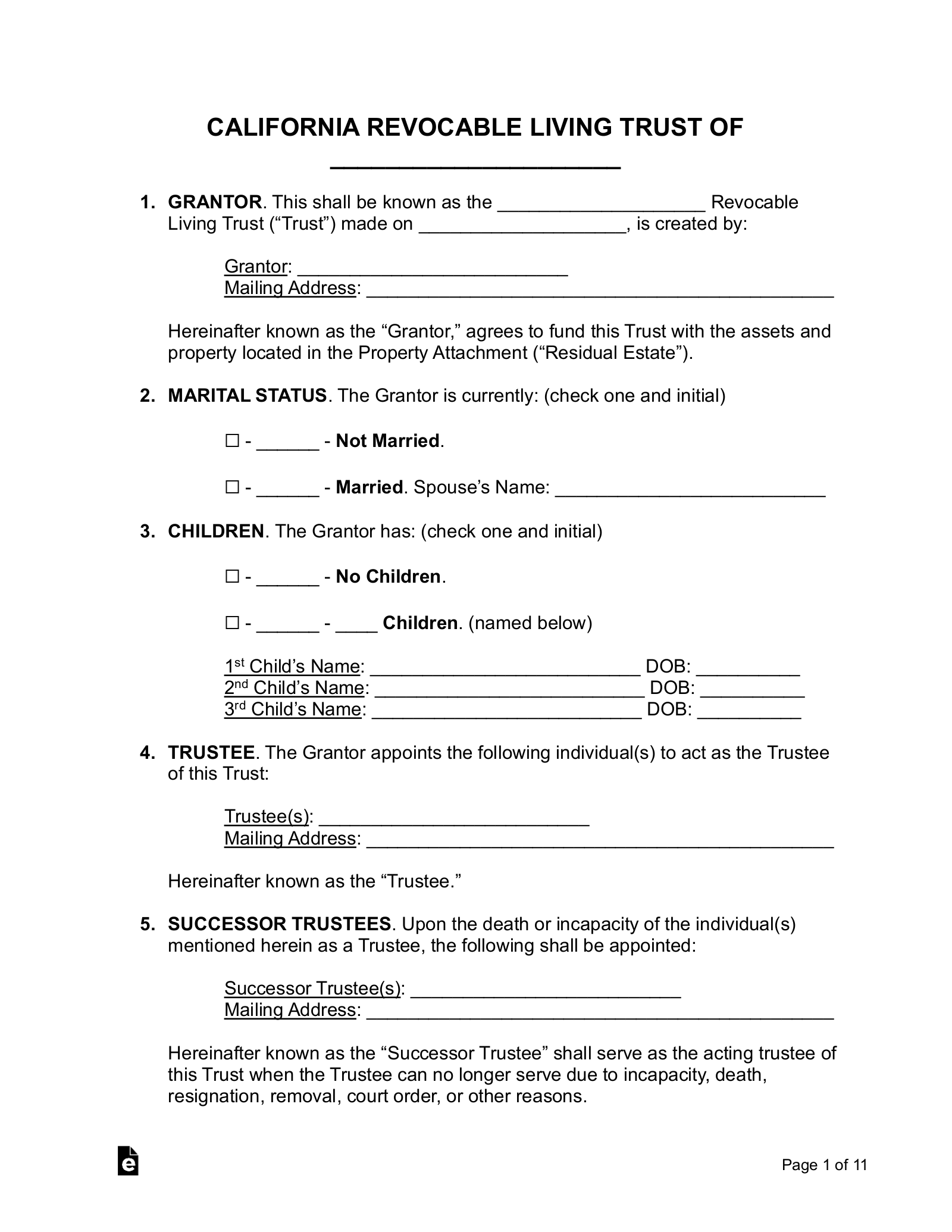
A Living Trust, specifically a Revocable Living Trust, is an instrument created during your lifetime, allowing you to place your assets into the trust. You, as the “settlor” or “grantor,” typically serve as the initial “trustee,” maintaining full control over your property. Upon your passing, a pre-selected “successor trustee” steps in to manage and distribute the assets according to your instructions, bypassing the often-lengthy and public court process known as probate. This private and efficient transfer of wealth is a hallmark of a proactive lifestyle choice, offering peace of mind not only for you but also for your beneficiaries. For Californians, the prospect of avoiding probate is particularly appealing due to the state’s typically high probate costs and lengthy timelines.
The Lifestyle Advantage: Why a Living Trust Matters
The decision to create a Living Trust is inherently a lifestyle choice that prioritizes control, privacy, and efficiency. Unlike a Will, which must go through probate court to validate its terms, assets held in a Living Trust are distributed directly by the successor trustee. This not only saves significant time and money but also preserves the privacy of your financial affairs, which often become public record during probate proceedings. For those who meticulously curate their personal information and financial footprint, the discretion offered by a trust aligns perfectly with a contemporary lifestyle that values digital and personal privacy. Furthermore, a Living Trust can include provisions for incapacity, allowing a chosen trustee to manage your assets should you become unable to do so, preventing the need for court-appointed conservatorship – another layer of control in maintaining your preferred lifestyle even in unforeseen circumstances.
The DIY Path to Lifestyle Security: Crafting Your Own Living Trust
The idea of creating a Living Trust yourself can seem daunting, yet modern resources have made the DIY approach increasingly accessible for those with straightforward estates. This path empowers individuals to take direct ownership of their estate planning, reflecting a broader lifestyle trend of self-reliance and informed decision-making. The process involves several critical steps, each requiring careful attention to detail to ensure the trust effectively serves its intended purpose under California law.
Step-by-Step for the Self-Starter
- Gather Information and Assess Assets: Begin by compiling a comprehensive list of all your assets – real estate, bank accounts, investment portfolios, significant personal property, and business interests. Understand their current value and how they are titled. This holistic view is crucial for populating your trust accurately.
- Choose Your Successor Trustee(s): Select individuals or institutions you implicitly trust to manage and distribute your assets according to your wishes. Consider their financial acumen, reliability, and ability to handle family dynamics. You’ll also need to name alternate successor trustees.
- Identify Your Beneficiaries: Clearly define who will inherit your assets and in what proportions. This includes primary and contingent beneficiaries. Being explicit here prevents ambiguity and potential disputes later.
- Draft the Trust Document: This is where the “DIY” aspect comes to the forefront. Utilize reputable online legal services or software designed for creating California Living Trust documents. These platforms guide you through questionnaires to generate a customized document. Ensure the service you choose is compliant with California state laws, as legal requirements vary significantly by jurisdiction. The document will typically include provisions for your trustees, beneficiaries, management of assets during your lifetime, and distribution after your passing.
- Sign and Notarize the Trust: Once drafted, the Living Trust document must be signed by you (the settlor) in the presence of a notary public. This notarization legally validates your signature and the document.
- Fund the Trust (Transfer Assets): This is perhaps the most crucial step and where many DIY trusts fall short if not executed correctly. Funding the trust means formally transferring the ownership of your assets from your name as an individual to the name of your trust.
- Real Estate: You’ll need to record new deeds transferring property ownership to the trust. This must be done correctly with the county recorder’s office in California.
- Bank and Investment Accounts: Contact your financial institutions to retitle accounts in the name of your trust.
- Stocks, Bonds, and Business Interests: Work with your broker or legal counsel for your business to properly reassign ownership.
- Personal Property: For significant items like jewelry or art, a “schedule of assets” attached to the trust document typically suffices. Less valuable items may be covered by a “pour-over Will” which directs any remaining assets into the trust.
- Important Note: Assets like IRAs, 401(k)s, and life insurance policies usually have designated beneficiaries and are not typically placed into the trust itself. However, you should review their beneficiary designations to ensure they align with your overall estate plan, often naming the trust as a contingent beneficiary.

Sustaining Your Lifestyle Plan: Maintaining and Reviewing Your Trust
Creating a Living Trust is not a one-time event; it’s an ongoing commitment to your lifestyle security. Life changes – marriages, divorces, births, deaths, acquisitions, sales of property, and evolving financial goals – all necessitate reviews and potential amendments to your trust. A responsible lifestyle includes regularly auditing and updating critical documents.
Essential Maintenance Practices
- Annual Review: Set a reminder to review your trust document at least once a year, or whenever a significant life event occurs. This ensures that your trustee selections, beneficiary designations, and asset list remain current and accurate.
- Update Asset Schedules: As you acquire or sell assets, update the schedule of assets attached to your trust. For real estate, remember to record new deeds transferring newly acquired properties into the trust.
- Amendments vs. Restatements: For minor changes, an amendment can be drafted and attached to the original trust document. For significant overhauls or numerous changes, a “restatement” of the trust may be more appropriate, completely replacing the original document while maintaining the original trust date.
- Communicate with Successor Trustees: While not legally required, it’s a wise lifestyle practice to have an open conversation with your chosen successor trustees. Ensure they understand their role, know where to find the trust document, and are comfortable with the responsibilities.
Weighing the Lifestyle Benefits: DIY vs. Professional Assistance
The DIY approach to a California Living Trust offers undeniable benefits, primarily cost savings and the satisfaction of personal management. However, it’s crucial for those prioritizing a secure lifestyle to understand the potential pitfalls and when professional legal counsel might be indispensable.
When DIY Shines
- Simplicity: For individuals with relatively straightforward financial situations, few assets, and clear beneficiary designations, a DIY trust can be an efficient and effective solution.
- Cost-Effectiveness: Online platforms offer significant savings compared to attorney fees, making estate planning accessible for budget-conscious individuals.
- Empowerment: Taking control of your estate planning aligns with a self-reliant lifestyle, fostering a deeper understanding of your assets and legacy.

When Professional Guidance is Prudent
- Complex Estates: If you own a business, have substantial assets, dependents with special needs, blended families, or properties in multiple states, the intricacies often warrant an attorney’s expertise.
- Tax Planning: Complex estates may benefit from advanced tax planning strategies that a DIY trust might not adequately address, especially concerning federal estate taxes or California property tax reassessment rules.
- Legal Nuances: California estate law has specific requirements, and an attorney ensures your trust is fully compliant and legally sound, minimizing future challenges. They can also advise on specific situations like community property rules.
- Peace of Mind: For some, the assurance that a legal professional has vetted their document and advised on optimal strategies is worth the investment, contributing to a greater sense of lifestyle security.
Ultimately, the decision to embark on a DIY Living Trust in California is a personal one, reflective of your desired lifestyle – one that values organization, foresight, and personal control over your legacy. By understanding the process, its benefits, and the importance of ongoing maintenance, you can effectively craft a plan that safeguards your assets and ensures your wishes are honored for generations to come.
LifeOutOfTheBox is a participant in the Amazon Services LLC Associates Program, an affiliate advertising program designed to provide a means for sites to earn advertising fees by advertising and linking to Amazon.com. Amazon, the Amazon logo, AmazonSupply, and the AmazonSupply logo are trademarks of Amazon.com, Inc. or its affiliates. As an Amazon Associate we earn affiliate commissions from qualifying purchases.