
The vibrant purple-blue spires of Salvia nemorosa ‘Blue Monday’ have captivated gardeners worldwide, promising a burst of color and a magnet for pollinators. For those exploring the diverse natural beauty and unique ecological landmarks of California, the question often arises: can this European native thrive amidst the golden hills, arid deserts, and coastal fogs of the Golden State? The answer, as with many horticultural inquiries in a region famed for its incredible biodiversity and microclimates, is a resounding yes, but with crucial nuances dictated by California’s distinctive natural landmarks and climate zones.
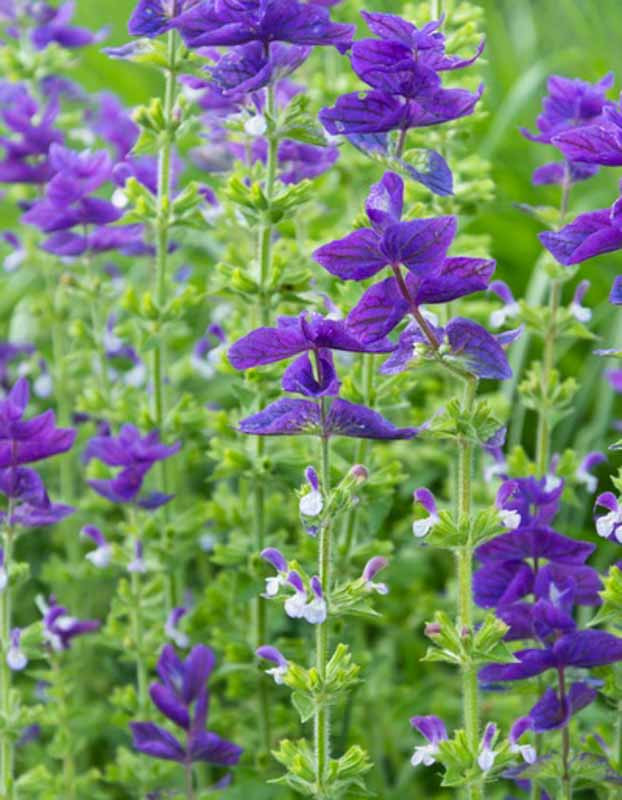
The Allure of Blue Monday Salvia: Enhancing California’s Natural Aesthetics
Salvia nemorosa ‘Blue Monday’ is a cultivar celebrated for its striking, long-lasting blooms and compact, bushy habit. Its rich indigo to violet flowers, held aloft on sturdy stalks, create an impressive display from late spring through summer, often reblooming with deadheading. As a hardy perennial, it appeals to those seeking low-maintenance beauty. In California, a state where drought tolerance and habitat support are increasingly paramount, ‘Blue Monday’ offers significant advantages. Its appeal lies not just in its ornamental value but also in its potential to enhance public and private landscapes, contributing to the visual splendor that defines many of California’s natural and cultivated landmarks, from iconic state parks to celebrated botanic gardens. Its ability to attract bees, butterflies, and hummingbirds also positions it as a valuable addition to pollinator gardens, enriching the state’s delicate ecosystems.
California’s Diverse Climates: A Horticultural Map for Salvia
Understanding whether ‘Blue Monday’ will flourish in California requires appreciating the state’s remarkable climatic diversity, which effectively carves it into a mosaic of distinct natural landmarks, each with its own set of horticultural challenges and opportunities. From the cool, moist air of the coast to the scorching heat of inland deserts, and the snowy peaks of the Sierra Nevada, California presents a complex palette of conditions. Salvia nemorosa generally prefers full sun and well-drained soil, making it adaptable to many Californian environments, particularly those that mimic its native Mediterranean-like climate.
Coastal and Mediterranean Zones: An Ideal Fit
The coastal and Mediterranean climate zones, particularly in regions like Southern California and the Central Coast, offer perhaps the most hospitable conditions for ‘Blue Monday’ Salvia. These areas are characterized by mild, wet winters and warm, dry summers, with temperatures rarely reaching extreme highs or lows. The well-drained, often sandy or loamy soils prevalent in these regions, combined with ample sunlight filtered by occasional marine layer influence, create an environment where ‘Blue Monday’ can truly excel. Here, it can maintain a robust growth habit, produce abundant blooms, and often requires minimal supplemental irrigation once established, aligning perfectly with California’s water-wise landscaping principles. Botanic gardens in these regions, often considered horticultural landmarks, frequently showcase Salvia nemorosa varieties thriving with ease.
Inland Valleys and Desert Edges: Adapting to Extremes
Moving eastward into the great inland valleys, such as the San Joaquin Valley, and toward the edges of the state’s iconic deserts like the Mojave Desert and Colorado Desert (near areas like the Anza-Borrego Desert State Park), conditions become more challenging. These regions experience hotter, drier summers with intense sun exposure and colder winters. While ‘Blue Monday’ is generally heat-tolerant, prolonged exposure to temperatures above 100°F (38°C) without adequate moisture can stress the plant. In these environments, careful site selection becomes paramount. Planting in locations that receive some afternoon shade, particularly from the intense western sun, can mitigate heat stress. Amending heavy clay soils common in some valleys to improve drainage is also crucial. With thoughtful placement and consistent, though not excessive, watering, ‘Blue Monday’ can still contribute its beauty to these more extreme Californian landscapes, often creating vibrant displays against the backdrop of more arid natural landmarks.
Mountainous and Foothill Regions: Elevation and Microclimates
The mountainous and foothill regions of California, including the foothills of the Sierra Nevada, present yet another set of variables. These areas can experience significant winter chill, even snow, and varying soil compositions. Salvia nemorosa ‘Blue Monday’ is generally hardy down to USDA Zone 4, making it suitable for many of California’s higher elevations that don’t dip into extreme cold. The key here is excellent drainage, especially in areas prone to winter moisture and freeze-thaw cycles that can lead to root rot. Its performance will vary greatly depending on specific elevation and aspect, highlighting the intricate microclimates that form smaller, localized natural landmarks within the broader mountain ranges.
Cultivating Success: Best Practices for Blue Monday in Californian Landscapes
To ensure Salvia nemorosa ‘Blue Monday’ thrives and complements California’s diverse natural and cultivated landmarks, specific cultivation practices are essential. These practices not only promote the plant’s health but also align with sustainable gardening principles crucial for the state.

Site Selection and Soil Preparation
Full sun (at least 6 hours daily) is ideal, though afternoon shade can be beneficial in hotter inland areas to prevent leaf scorch. The most critical factor is well-draining soil. California’s native soils vary dramatically, from decomposed granite to heavy clays. For ‘Blue Monday’, amending heavy soils with organic matter like compost or fine gravel will improve drainage, mimicking the drier, looser soils found in many of its natural Mediterranean habitats. Raised beds are an excellent option where native soil conditions are poor, creating an artificial, yet ideal, landmark for robust growth.
Watering and Fertilization
Once established (typically after the first growing season), ‘Blue Monday’ is quite drought-tolerant, a significant advantage in California. In coastal and inland valley areas, deep watering every 1-2 weeks during dry spells is usually sufficient. In hotter, drier desert-adjacent regions, more frequent watering might be necessary, especially during peak summer heat. Always allow the soil to dry out between waterings to prevent root rot. Fertilization is generally minimal; a light application of a balanced slow-release fertilizer in spring is often enough, particularly in poorer soils. Over-fertilizing can lead to leggy growth and fewer blooms.
Pruning and Maintenance
Regular deadheading (removing spent flower spikes) encourages continuous blooming and maintains a tidy appearance, which is important for the aesthetic integrity of any landscape, be it a private garden or a public landmark. A more substantial “shearing” after the first major flush of blooms in late spring can rejuvenate the plant and promote a robust second bloom. In late fall or early spring, a more significant cutback to within a few inches of the ground will encourage vigorous new growth. This maintenance routine ensures the plant remains a beautiful and resilient component of Californian landscapes, contributing to the managed natural beauty that defines many local attractions.
Integrating Blue Monday into California’s Natural Tapestry
Beyond individual garden plots, ‘Blue Monday’ Salvia can play a significant role in California’s broader natural tapestry. Its vibrant blue hues can be seen adorning everything from private residences to municipal parks, contributing to the visual signature of the state.
Supporting Local Ecosystems
As a magnet for pollinators, ‘Blue Monday’ directly contributes to the health of California’s ecosystems. By attracting bees, butterflies, and hummingbirds, it helps support local biodiversity, an increasingly important aspect of preserving the state’s natural heritage. Incorporating such plants into drought-tolerant and native-adjacent landscapes helps create critical waystations for pollinators, turning gardens into mini-natural landmarks that support wider ecological networks.
Aesthetic and Environmental Benefits
From an aesthetic standpoint, ‘Blue Monday’ provides crucial splashes of cool blue and purple, complementing the warm yellows, oranges, and reds often found in California’s native flora. Its low water requirements make it an excellent choice for xeriscaping and sustainable landscaping, promoting water conservation—a vital environmental goal for the state. Whether used in mass plantings to create dramatic sweeps of color in a public park, or as an accent in a residential garden, it enhances the natural beauty of its surroundings, reflecting a commitment to both visual appeal and environmental responsibility in a state renowned for its breathtaking natural landmarks.

Conclusion: A Resounding Yes with Nuance
Ultimately, Salvia nemorosa ‘Blue Monday’ is well-suited for cultivation across much of California. Its adaptability to a range of conditions, coupled with its drought tolerance and vibrant aesthetic appeal, makes it a valuable addition to the state’s diverse landscapes. While success hinges on understanding and responding to the specific microclimates and soil conditions prevalent in California’s many distinct natural landmarks—from its sun-drenched coasts to its arid inland plains and cooler mountain foothills—the plant’s resilience ensures that its captivating blue blooms can indeed become a common and cherished sight, enhancing the natural and cultivated beauty of the Golden State.
LifeOutOfTheBox is a participant in the Amazon Services LLC Associates Program, an affiliate advertising program designed to provide a means for sites to earn advertising fees by advertising and linking to Amazon.com. Amazon, the Amazon logo, AmazonSupply, and the AmazonSupply logo are trademarks of Amazon.com, Inc. or its affiliates. As an Amazon Associate we earn affiliate commissions from qualifying purchases.