
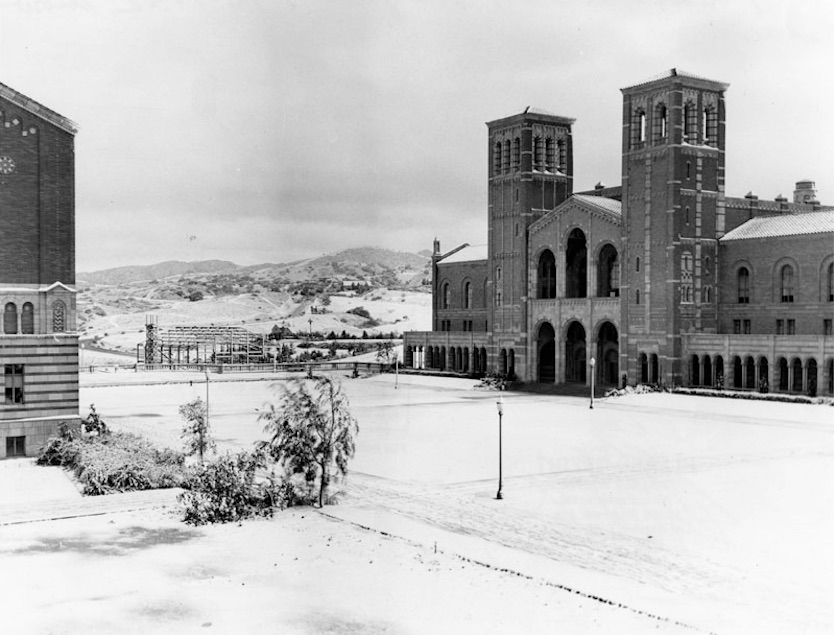
The Golden State conjures images of sun-drenched beaches, sprawling vineyards, and the endless summer vibe of Los Angeles or San Diego. It’s a land celebrated for its iconic coastline, vibrant cities, and deserts, making the idea of snow seem almost antithetical to its identity. Yet, beneath this pervasive perception lies a surprising reality: California is a state of immense geographical diversity, home to towering mountain ranges that receive copious amounts of snow each winter. For travelers seeking a different side of the Golden State—one adorned with pristine white landscapes and exhilarating winter sports—California’s snowy regions offer an unexpected and unforgettable experience. Far from a rare occurrence, snow is a consistent and vital feature of many parts of the state, transforming popular destinations into legitimate winter wonderlands.

Where to Find Snow in California
California’s diverse topography ensures that while snow is absent from its coastal plains and arid deserts (save for rare, fleeting dustings), it is abundant and reliable in its higher elevations. These areas become prime destinations for winter recreation, drawing visitors from across the globe.
The Sierra Nevada Mountains
The majestic Sierra Nevada mountain range, stretching over 400 miles along California’s eastern flank, is the undisputed epicenter of snow in the state. This range, home to the highest peak in the contiguous United States, Mount Whitney, annually receives several feet, and often dozens of feet, of snow, making it a world-class winter destination.
-
Lake Tahoe: Straddling the California-Nevada border, Lake Tahoe is arguably California’s most famous snow destination. The region boasts a concentration of renowned ski resorts offering diverse terrain, stunning lake views, and vibrant apres-ski scenes. On the North Shore, resorts like Palisades Tahoe (formerly known as Squaw Valley) and Northstar California Resort provide expansive slopes and upscale amenities. The South Shore is home to Heavenly Mountain Resort, which offers panoramic views of the lake and a lively atmosphere in South Lake Tahoe. Beyond skiing and snowboarding, Lake Tahoe offers snowshoeing, cross-country skiing, snowmobiling, and ice skating, making it a comprehensive winter playground.
-
Mammoth Lakes: Further south in the Eastern Sierra, Mammoth Lakes stands out for its deep powder and long ski season, which often extends into late spring or even summer. Mammoth Mountain Ski Area is one of the largest and most consistently snow-covered resorts in North America, catering to all skill levels with its vast terrain and high elevations. The town of Mammoth Lakes itself offers a welcoming base with abundant dining and lodging options, and the surrounding wilderness is perfect for backcountry skiing, snowshoeing, and exploring frozen hot springs.
-
Yosemite National Park: While many associate Yosemite National Park with its spectacular waterfalls and granite monoliths in spring and summer, winter transforms the valley into a serene, snow-draped masterpiece. The iconic Yosemite Valley remains accessible year-round, offering breathtaking views of El Capitan and Half Dome dusted with snow. Visitors can enjoy ice skating at the historic outdoor rink, cross-country skiing or snowshoeing on groomed trails, and cozying up in the lodges. While high-country roads like Tioga Pass close with the first heavy snow, the valley floor provides an unparalleled opportunity to witness Yosemite’s grandeur in tranquil solitude.
-
Sequoia and Kings Canyon National Parks: Imagine towering ancient sequoia trees, some of the largest living organisms on Earth, cloaked in a blanket of fresh snow. This magical scene awaits travelers in Sequoia and Kings Canyon National Parks. While some park roads close in winter, areas like Grant Grove and Giant Forest remain accessible, offering snowshoeing and cross-country skiing trails among the majestic groves. It’s a profoundly peaceful and awe-inspiring experience to walk among these giants, particularly after a fresh snowfall.
Southern California’s Snowy Escapes
Even Southern California, known for its mild winters, has its own snowy retreats, typically within a few hours’ drive of Los Angeles or San Diego.
- Big Bear Lake and Lake Arrowhead: Nestled in the San Bernardino Mountains, these mountain towns are popular weekend escapes. Big Bear Lake offers two main ski resorts, Snow Summit and Bear Mountain, along with opportunities for tubing, snowshoeing, and cozy cabin stays. Lake Arrowhead, often called the “Alps of Southern California,” provides a more tranquil experience with charming villages, boutique shops, and a beautiful, often snow-dusted, lake.
-
Mount Baldy: Just an hour’s drive from Los Angeles, Mount Baldy (officially Mount San Antonio) in the San Gabriel Mountains offers skiing and snowboarding, providing Angelinos with a quick mountain escape. While smaller than its Sierra Nevada counterparts, it provides respectable terrain and stunning views of the sprawling city below.
-
Occasional Desert Dustings: On very rare occasions, higher elevations within California’s deserts, such as parts of Joshua Tree National Park, can receive a light dusting of snow. While not a reliable snow destination, witnessing the iconic Joshua trees speckled with white can be a truly unique and ethereal experience for fortunate travelers.
Planning Your California Snow Adventure
Embarking on a snowy adventure in California requires some foresight and preparation to ensure a safe and enjoyable trip.
Best Time to Visit
The typical snow season in California’s mountains runs from November through April, with peak snowpack often occurring in February and March. Early season (November-December) can be hit or miss, depending on the storm cycle, while late season (April) can offer warmer days and softer snow, often with fewer crowds. If you’re planning a trip around holidays like Christmas or President’s Day weekend, expect higher prices and larger crowds at popular resorts.
Activities Beyond Skiing and Snowboarding
While alpine skiing and snowboarding are primary draws, California’s snowy regions offer a wealth of other winter activities:
- Cross-country Skiing and Snowshoeing: Many national parks and resorts offer groomed or backcountry trails perfect for exploring the quiet beauty of a snow-covered forest. This is an excellent way to experience nature at a slower pace.
- Snow Tubing and Sledding: Family-friendly fun can be found at designated tubing parks or on public sledding hills, offering exhilarating descents for all ages.
- Ice Skating: Iconic outdoor rinks, like those in Yosemite Valley or Squaw Valley Village, provide charming settings for a classic winter activity.
- Scenic Drives and Photography: When roads are clear, winter drives through the mountains offer unparalleled photographic opportunities, with dramatic landscapes blanketed in white.
- Cozy Cabin Stays: Embrace the warmth of a fireplace, hot chocolate, and stunning views from a secluded cabin or a charming lodge after a day in the snow.
Essential Travel Tips for Snowy California
- Vehicle Preparation: If driving into snowy areas, especially mountain passes, vehicles often require snow chains or four-wheel drive (4WD)/all-wheel drive (AWD) with M+S (mud and snow) tires. Always carry chains, even if you have a 4WD vehicle, as conditions can change rapidly and chain requirements can be enforced. Practice putting them on before you leave.
- Check Road Conditions: Always check current road conditions before heading out, particularly for mountain passes. Caltrans (California Department of Transportation) provides up-to-date information on highway closures and chain requirements.
- Book Accommodations in Advance: Popular snowy destinations, especially Lake Tahoe and Mammoth Lakes, book up quickly during peak season and holidays. Secure your lodging and even lift tickets well in advance.
- Layered Clothing: Mountain weather can be unpredictable. Dress in layers, including waterproof outer shells, thermal underwear, hats, gloves, and warm socks, to adapt to changing temperatures.
- Sun Protection: Snow reflects sunlight intensely, increasing your risk of sunburn and eye strain. Wear sunscreen, sunglasses, and goggles, even on cloudy days.
- Altitude Sickness: Many ski resorts and mountain towns are at high elevations. Stay hydrated, avoid excessive alcohol, and take it easy on your first day to acclimatize.
- Respect the Environment: Stick to marked trails, pack out what you pack in, and be mindful of local wildlife.

The Unique Charm of California Snow
The juxtaposition of California’s renowned sunny image with its stunning snowy landscapes offers a truly unique travel proposition. Travelers can realistically enjoy a morning on the slopes of the Sierra Nevada and be back in the foothills or even closer to the coast by evening, experiencing dramatically different climates in a single day. This geographical diversity allows for an array of travel experiences, from high-octane winter sports to serene moments of reflection amidst giant trees dusted with snow.
California’s snow is not just a meteorological phenomenon; it’s an invitation to explore a less-seen, breathtaking facet of the state. It challenges common perceptions and rewards those who venture into its winter domain with unforgettable memories, proving that the Golden State indeed sparkles in white just as brilliantly as it shines in gold.
LifeOutOfTheBox is a participant in the Amazon Services LLC Associates Program, an affiliate advertising program designed to provide a means for sites to earn advertising fees by advertising and linking to Amazon.com. Amazon, the Amazon logo, AmazonSupply, and the AmazonSupply logo are trademarks of Amazon.com, Inc. or its affiliates. As an Amazon Associate we earn affiliate commissions from qualifying purchases.