
California, renowned globally for its diverse landscapes, iconic cities, and vibrant culture, consistently attracts millions of tourists each year. From the sun-drenched beaches of Southern California to the majestic forests of Northern California and the world-famous wine regions, the Golden State offers an unparalleled array of experiences. However, the annual wildfire season can introduce an element of uncertainty for those planning to visit. Understanding the containment status of fires is paramount for any tourist, not just for personal safety but also for making informed decisions about travel itineraries, local activities, and ensuring a responsible and enjoyable visit. The question of “how contained are the fires” directly informs a tourist’s ability to engage with California’s offerings, impacting everything from air quality to access to beloved attractions and the overall visitor experience.
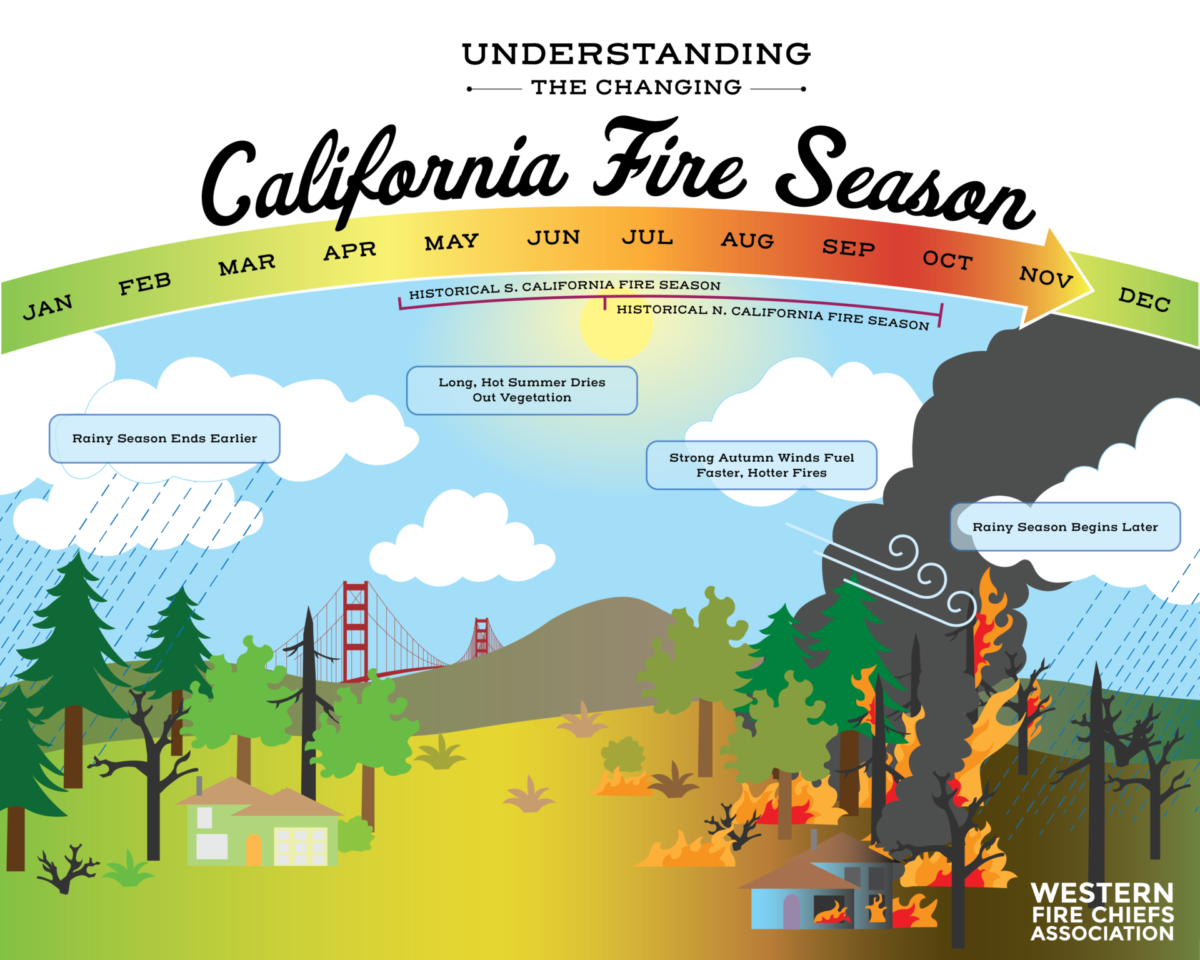
Understanding the Current Landscape for California Tourism
The sheer scale of California means that even significant wildfire events are often localized, affecting specific regions while vast portions of the state remain untouched and open for tourism. A fire in a remote forest area, for instance, might have no direct impact on urban centers or coastal destinations hundreds of miles away. However, smoke can travel, affecting air quality over broader areas, which is a significant consideration for outdoor activities and for individuals with respiratory sensitivities.
For tourists, the critical aspect of fire containment refers to the percentage of the fire’s perimeter that firefighters have managed to surround with a control line, such as a firebreak or natural barrier, to prevent its spread. High containment percentages indicate that a fire is largely under control and poses a diminishing threat to surrounding communities and infrastructure. Low containment, conversely, signals an active and potentially unpredictable situation. The containment figures are dynamic, constantly updated by agencies like Cal Fire and the National Forest Service, reflecting the tireless efforts of fire personnel and changing weather conditions. Tourists must recognize that “contained” does not always mean “extinguished,” and areas impacted by fire, even after containment, may still be under evacuation orders or closed for safety and recovery operations.
The tourism sector, a cornerstone of California’s economy, is acutely aware of these challenges. Local businesses, from hotels and restaurants to tour operators and attraction managers, are often at the forefront of providing real-time local information to visitors. They rely on accurate fire information to ensure the safety of their patrons and to guide tourists toward unaffected areas, helping to maintain a positive visitor experience despite environmental challenges.
Regional Impacts: Where Tourism is Affected (and Where it Isn’t)
Wildfires in California are not a monolithic event; their impacts are geographically specific. Understanding which regions are currently experiencing active fires, which are under threat, and which are completely unaffected is crucial for planning a responsible and enjoyable trip.
Northern California Wilderness & Wine Country
Northern California encompasses a vast expanse, from towering redwood forests and rugged coastlines to fertile agricultural valleys and world-renowned wine regions like Napa Valley and Sonoma County. Fires in this region often occur in forested, mountainous areas, particularly during dry, windy conditions. When these fires approach populated areas or major tourist routes, they can lead to road closures, evacuation orders, and significant disruptions. For instance, a fire near Lake Tahoe could impact access to recreational activities around the lake and surrounding national forests. Similarly, fires in the wildlands adjacent to wine country, even if not directly threatening vineyards, can affect air quality, leading to smoke taint concerns for winemakers and an unpleasant experience for wine tasters.
However, it is important to note that many parts of Northern California remain unaffected. Coastal towns, cities like San Francisco, and vast stretches of the Pacific Coast Highway often operate normally, even during active fire seasons inland. Tourists planning to visit these areas should primarily monitor air quality reports and specific road closures if their itinerary involves traversing through known fire zones.
Southern California Coastal Zones & National Parks
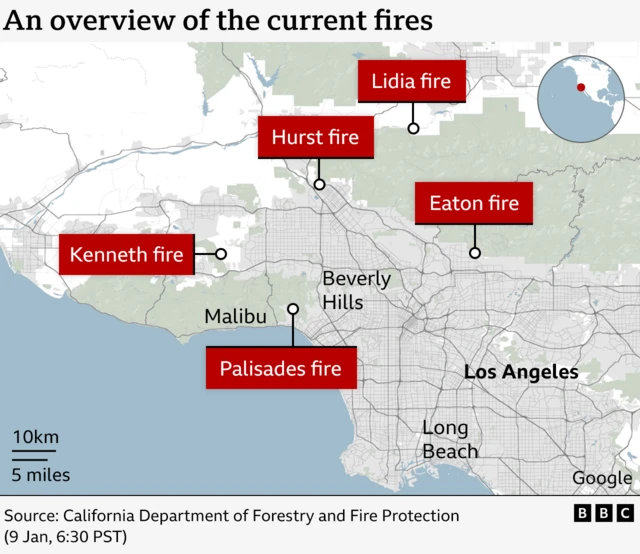
Southern California’s landscape is equally diverse, featuring expansive deserts, mountain ranges, and a dense urban-coastal interface. Fires here are often fueled by chaparral and brush, frequently driven by Santa Ana winds. Popular tourist destinations like Malibu, Santa Monica, and San Diego typically remain safe and accessible during fire events, as most fires occur in the wildland-urban interface further inland or in specific mountain ranges. However, major transportation arteries, such as sections of the I-5 or scenic routes along Big Sur, could experience temporary closures.
National Parks in Southern California, such as Joshua Tree or parts of the Angeles National Forest, can be particularly vulnerable. Park authorities often implement closures for visitor safety and to allow fire crews to work unimpeded. Before heading to any national or state park, checking the specific park’s official website for current alerts and closures is non-negotiable. While a fire might be burning in a remote corner of a national forest, it could still trigger a full park closure for public safety, impacting hiking, camping, and other outdoor activities.
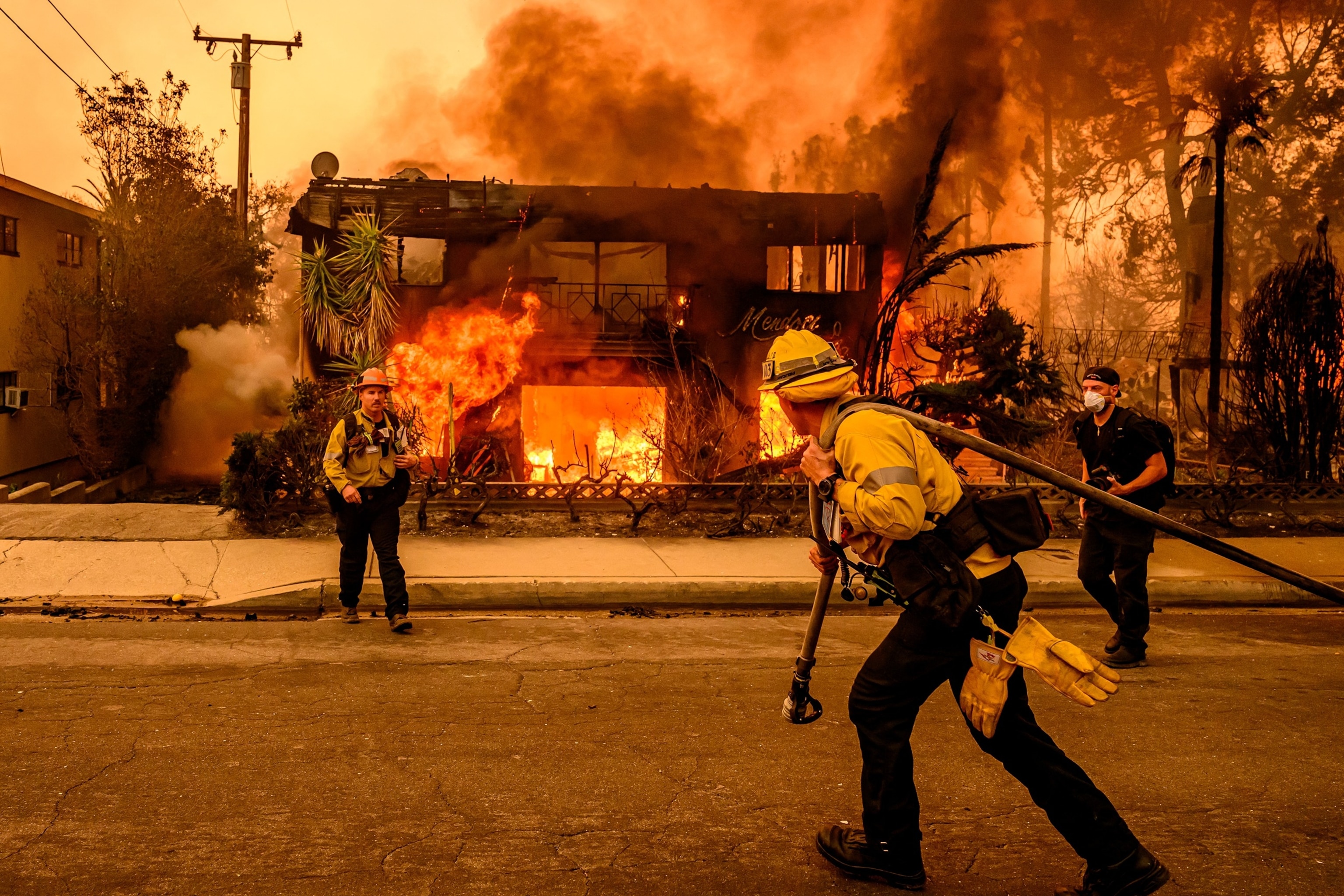
Navigating Your Trip: Essential Tips for California Tourists
For any tourist planning a trip to California, especially during wildfire season, a proactive and flexible approach is key. With accurate information and sensible precautions, a rewarding experience is still very much achievable.
Prioritizing Safety and Air Quality
The most critical consideration is personal safety. Always heed official evacuation orders and warnings from local authorities. If you are in an area under advisory, prepare to move. Beyond immediate fire danger, air quality is a significant concern. Smoke plumes can travel hundreds of miles, causing respiratory issues even far from the fire front. Utilize resources like the AirNow.gov website or local air quality management district sites to monitor the Air Quality Index (AQI). If the AQI is high, it’s advisable to limit outdoor activities, especially for children, the elderly, or those with pre-existing health conditions. Opt for indoor attractions, museums, or covered shopping experiences during periods of poor air quality.
Staying Informed: Reliable Information Sources
Avoid relying solely on social media or unofficial channels for fire updates. Official sources are the most accurate and timely:
- Cal Fire (California Department of Forestry and Fire Protection): Provides statewide incident maps, containment percentages, and updated information on active fires. Their website and social media channels are indispensable.
- National Forest Service: For fires on federal lands, their incident information system (InciWeb) offers detailed reports, maps, and closure information for national forests and parks like Yosemite National Park.
- Local County Emergency Services: Websites and social media of county sheriff’s departments or emergency management agencies provide localized evacuation orders, road closures, and shelter information.
- California Department of Transportation (Caltrans): Essential for checking real-time road conditions and closures, particularly on major highways and scenic routes.
- Hotel and Tour Operators: If you have bookings, contact your providers directly. They often have the most up-to-date local information relevant to your specific stay or activity.
Adapting Travel Plans
Flexibility is a tourist’s best friend during wildfire season. Have alternative routes or destinations in mind. If a specific national park is closed, research nearby state parks or alternative natural attractions. If a wine tasting experience is compromised by smoke, consider exploring San Francisco’s culinary scene or a coastal drive. Many hotels and airlines offer flexible cancellation or rebooking policies during declared emergencies, so inquire about these options if your plans are significantly impacted. Purchasing travel insurance that covers wildfire-related disruptions is also a prudent decision.
Supporting Local Communities Through Responsible Tourism
Even when fires are active or recently contained, the broader California tourism industry remains open and welcoming. Responsible tourism can play a vital role in supporting communities, especially those recovering from fire impacts.
Choosing Resilient Businesses
Many businesses in affected regions, once deemed safe, rely on tourism to rebound. By choosing to patronize hotels, restaurants, shops, and tour operators that are open and operating, you contribute directly to the local economy. Be patient and understanding with local staff, who may also be navigating personal impacts from the fires. Look for opportunities to support businesses that are committed to sustainable practices and community resilience. Sometimes, a simple visit to an unaffected area nearby can indirectly help a struggling region by keeping tourism active in the broader state.
Respecting Local Guidelines and Resources
When visiting California, especially areas near past or present fire activity, respect all local regulations and guidelines. This includes observing fire restrictions (e.g., no campfires in certain areas), staying on marked trails, and properly disposing of waste. Avoid any actions that could inadvertently start a new fire. Furthermore, be mindful of local resources. Emergency services are often stretched thin during fire season; avoid any activities that might unnecessarily divert their attention or resources. Your visit, conducted with awareness and respect, can be a positive force, helping California demonstrate its enduring beauty and spirit even amidst natural challenges.
LifeOutOfTheBox is a participant in the Amazon Services LLC Associates Program, an affiliate advertising program designed to provide a means for sites to earn advertising fees by advertising and linking to Amazon.com. Amazon, the Amazon logo, AmazonSupply, and the AmazonSupply logo are trademarks of Amazon.com, Inc. or its affiliates. As an Amazon Associate we earn affiliate commissions from qualifying purchases.