
Navigating significant life events, such as welcoming a new child or caring for a seriously ill family member, often brings a mix of joy and apprehension. While the emotional journey is paramount, practical considerations like financial stability during a period of reduced work are equally critical. For residents of California, the Paid Family Leave (PFL) program offers a vital safety net, providing partial wage replacement to help individuals manage these crucial life transitions without undue financial stress. Understanding the application process is key to leveraging this invaluable resource for your family’s well-being and maintaining a balanced lifestyle.
Understanding California’s Paid Family Leave Program
California’s PFL program is designed to provide eligible workers with financial assistance when they need to take time off work for specific family-related reasons. It’s a cornerstone of the state’s commitment to supporting its workforce and promoting family health.
What is PFL?
PFL is a state-administered insurance program that provides up to eight weeks of partial wage replacement benefits to eligible workers who need to take time off work to:
- Bond with a new child (including biological, adopted, or foster children).
- Care for a seriously ill family member (child, parent, parent-in-law, grandparent, grandchild, sibling, spouse, or registered domestic partner).
- Participate in a qualifying event resulting from a family member’s military deployment to a foreign country.
Unlike some other leave programs, PFL primarily focuses on wage replacement, not job protection. It is funded entirely through employee contributions to the State Disability Insurance (SDI) program, meaning it comes at no direct cost to employers. For many, PFL is an essential component of financial planning during life’s most impactful moments, allowing families to focus on recovery, bonding, or caregiving without the immediate burden of lost income.
Who is Eligible?
Eligibility for PFL is determined by several factors, ensuring that the program serves those who have contributed to it and meet specific criteria:
- Wage Requirements: You must have paid into State Disability Insurance (SDI) during the 5 to 18 months before your claim’s start date. These contributions are typically visible as “CA SDI” deductions on your pay stubs.
- Employment Status: You must be currently employed or recently separated from employment.
- Reason for Leave: Your reason for taking leave must fall into one of the three categories: bonding with a new child, caring for a seriously ill family member, or a qualifying military exigency.
- Relationship Verification: For bonding claims, you must be the biological, adoptive, or foster parent. For caregiving claims, the seriously ill individual must be a specific family member as defined by the program.
- Medical Certification (for caregiving): A licensed health professional must certify the serious health condition of the family member needing care.
- California Residency/Employment: While specific residency isn’t always strictly defined as “x years,” the contributions to California SDI signify employment within the state.
Understanding these eligibility criteria upfront can help you determine if PFL is an option for your current situation and allow you to plan accordingly, integrating this benefit into your broader lifestyle management strategy.
Navigating the Application Process: Step-by-Step
Applying for PFL can seem daunting, but breaking it down into manageable steps simplifies the process. The Employment Development Department (EDD) is the state agency responsible for administering PFL benefits, and they offer various resources to assist applicants.
Gathering Necessary Documentation
Before you begin the application, assembling the required documents will streamline the process and prevent delays. The specific documents depend on the type of leave you’re claiming:
- Proof of Identity: While not always explicitly requested as a separate document for the initial online claim, ensure your personal information matches state records.
- Proof of Relationship:
- For Bonding Claims: A copy of the child’s birth certificate, adoption decree, or foster care placement letter.
- For Caregiving Claims: Documentation proving your relationship to the seriously ill family member (e.g., birth certificate, marriage certificate, domestic partner registration).
- Medical Certification (for caregiving claims only): This is perhaps the most critical document for caregiving. The seriously ill family member’s licensed health professional (doctor, chiropractor, etc.) must complete and sign a “Physician/Practitioner’s Certification for PFL Care Claims” (part of the DE 2501FC form). They will detail the serious health condition and the estimated period you’ll be needed for care.
- Wage Information: While the EDD typically has your wage information through SDI contributions, having recent pay stubs or W-2s can be helpful for your own records and for verification if needed.
Submitting Your Claim
The EDD offers convenient methods for submitting your PFL claim:
- Online (Recommended for Speed): The fastest and most efficient way to apply is through the EDD’s online portal, SDI Online. You’ll need to register for an SDI Online account.
- For Bonding Claims (New Child): Complete the “Claim for Paid Family Leave (PFL) Benefits – New Child” (DE 2501F).
- For Caregiving Claims: Complete the “Claim for Paid Family Leave (PFL) Benefits – Care for a Seriously Ill Family Member” (DE 2501FC). Remember, the medical certification portion must be completed by the care recipient’s physician.
- For Military Exigency Claims: Complete the “Claim for Paid Family Leave (PFL) Benefits – Military Assist” (DE 2501FM).
- Mail: If you prefer, you can print the appropriate claim form from the EDD website, fill it out manually, attach all supporting documents, and mail it to the address provided on the form. This method generally takes longer to process.
Crucially, do not submit your claim before your first day off work. However, it’s advisable to apply as soon as possible after your leave begins, as delays in submission can affect your first payment or even your eligibility for some weeks.
What Happens After Submission?
Once your claim is submitted, the EDD begins its review process:
- Acknowledgement: You will typically receive an acknowledgement of your claim, often by mail or through your SDI Online account.
- Review and Verification: The EDD will review your application and supporting documents. They may contact you or the certifying health professional (for caregiving claims) if they need additional information or clarification.
- Benefit Determination: Once approved, you will receive a “Notice of Computation” outlining your weekly benefit amount and potential duration.
- Payment Schedule: Benefits are generally paid every two weeks by debit card or direct deposit.
It’s important to monitor your SDI Online account and mail for any communications from the EDD and respond promptly to any requests to avoid delays in benefit payments.
Key Considerations for a Smooth PFL Experience
Beyond the application itself, several factors can significantly influence your experience with California’s PFL program, impacting your financial planning and overall well-being during your leave.
Timing Your Application
While you shouldn’t apply before your first day of leave, prompt submission is vital. The EDD recommends applying no later than 41 days after your first day of leave to avoid losing benefits for any week you would have been eligible. For bonding claims, the leave must be taken within one year of the child’s birth, adoption, or foster care placement. Plan your leave dates with this window in mind.
Understanding Benefit Amounts and Duration
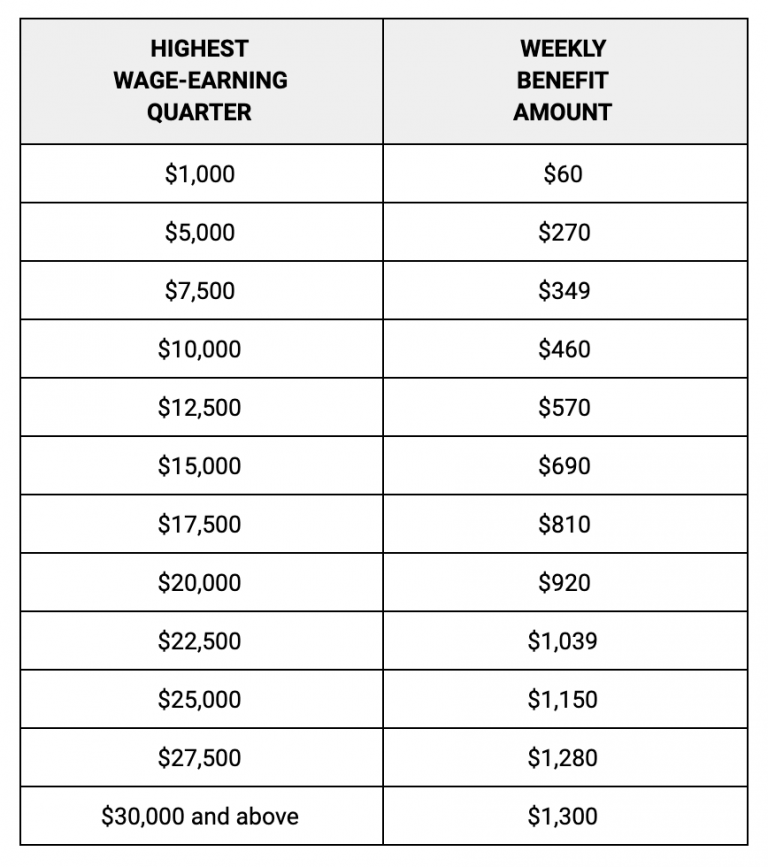
PFL provides approximately 60-70% of your average weekly wages earned 5 to 18 months before your claim start date, up to a maximum weekly benefit amount. This amount is updated annually. While this partial wage replacement offers significant relief, it’s rarely 100% of your income.
- Duration: You can receive PFL benefits for up to eight weeks within any 12-month period for each qualifying event. These weeks do not have to be taken consecutively; PFL can be used intermittently.
- Calculation: The EDD calculates your weekly benefit based on your highest quarterly earnings during a specific 12-month base period.
Understanding these figures allows for more accurate financial planning, helping you adjust your budget for the period you’ll be on leave.
Integrating PFL with Other Leave Types
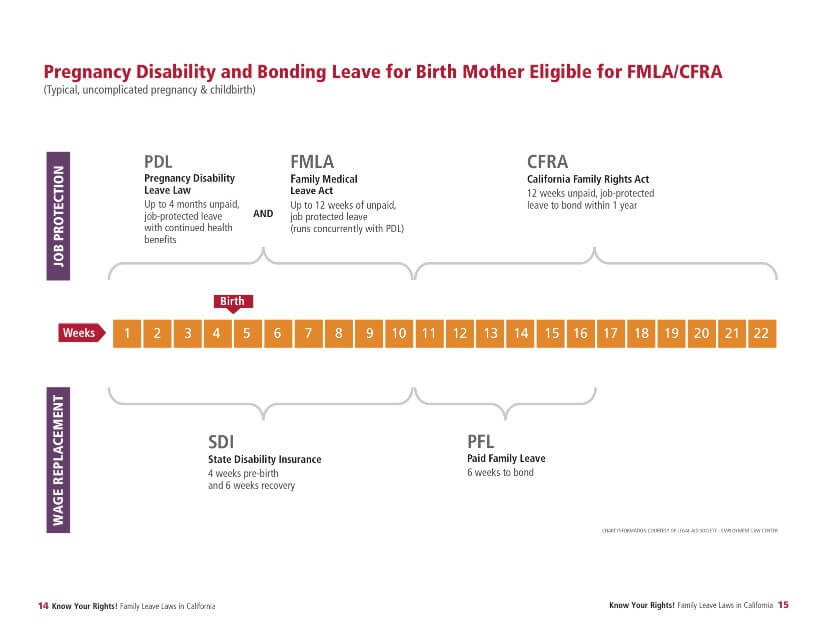
It’s crucial to understand how PFL interacts with other state and federal leave laws. PFL provides wage replacement but does not offer job protection. This is a key distinction from other leave types:
- Family and Medical Leave Act (FMLA): A federal law providing up to 12 weeks of job-protected leave for certain family and medical reasons. Applies to employers with 50+ employees.
- California Family Rights Act (CFRA): A state law similar to FMLA, offering up to 12 weeks of job-protected leave. Applies to employers with 5+ employees.
If your employer is covered by FMLA or CFRA, and you meet the eligibility criteria, you can run PFL concurrently with these job-protected leaves. This means your job is protected while you receive PFL benefits. Always inform your employer about your intention to take leave and inquire about their specific leave policies and how they coordinate with PFL, FMLA, and CFRA. Some employers also offer supplemental benefits that can be used to cover the portion of your wages not replaced by PFL.
Employer Notification and Rights
While PFL is state-administered, it’s essential to notify your employer about your planned leave. The EDD recommends providing reasonable notice, typically 30 days in advance, or as soon as practicable. While PFL does not mandate job protection, your employer may be obligated to hold your job under FMLA or CFRA if you meet their respective eligibility requirements. Always communicate clearly with your human resources department to ensure a smooth transition and return.
Maximizing Your PFL Benefits and Well-being
PFL isn’t just about financial aid; it’s about enabling a lifestyle that prioritizes family and personal well-being during critical times. Strategic planning can help you make the most of this benefit.
Planning for Intermittent Leave
Both bonding and caregiving PFL can be taken intermittently, allowing for flexibility in managing your leave. For instance, you could take a few days off each week for caregiving or break up your bonding leave into several shorter periods throughout the child’s first year.
- How it Works: You can use your 8 weeks of PFL benefits in increments, as long as each claim period meets minimum requirements (typically at least 8 hours in a 24-hour period for the first claim).
- Communication: Intermittent leave requires close coordination with your employer to ensure minimal disruption to your workplace and clear tracking of your leave days.
This flexibility is a significant advantage, allowing you to tailor your leave to your family’s unique needs, whether it’s for frequent doctor’s appointments or to ease back into work after a new arrival.
Financial Planning During PFL
Since PFL provides partial wage replacement, it’s crucial to integrate it into your overall financial planning:
- Benefits are Taxable: PFL benefits are considered taxable income and are subject to federal taxes, though not state taxes in California. You can elect to have federal taxes withheld from your payments.
- Budgeting for Reduced Income: Create a realistic budget for the period you’ll be on leave, accounting for the reduced income. Consider setting aside savings in advance, if possible, to bridge any gaps.
- Supplemental Benefits: Explore if your employer offers supplemental benefits (e.g., parental leave pay, short-term disability) that can be combined with PFL to bring your income closer to 100%.
Proactive financial planning ensures that the PFL benefits effectively reduce stress rather than simply shifting it.

Leveraging PFL for Lifestyle Support
Ultimately, California’s PFL program is a powerful tool for supporting a healthy lifestyle. By providing financial security during times of leave, it empowers individuals to:
- Focus on Family Bonding: Spend uninterrupted, quality time with a new child, fostering crucial early development and strengthening family ties.
- Provide Essential Care: Be present for a seriously ill family member, offering comfort and support without the added pressure of immediate financial hardship.
- Promote Well-being: Reduce the mental and emotional strain associated with juggling work responsibilities and significant personal events, contributing to overall mental health and work-life balance.
Applying for PFL requires careful attention to detail and understanding of the process. By following these steps and considering the key aspects of the program, you can confidently navigate the application, secure your benefits, and focus on what truly matters during these pivotal moments in life.
LifeOutOfTheBox is a participant in the Amazon Services LLC Associates Program, an affiliate advertising program designed to provide a means for sites to earn advertising fees by advertising and linking to Amazon.com. Amazon, the Amazon logo, AmazonSupply, and the AmazonSupply logo are trademarks of Amazon.com, Inc. or its affiliates. As an Amazon Associate we earn affiliate commissions from qualifying purchases.