
Navigating the legal system can be a daunting experience, particularly when personal safety and well-being are at stake. For residents of California facing harassment, abuse, or threats, a restraining order can be a critical legal tool to establish personal boundaries and secure peace of mind. Obtaining one is a significant step towards reclaiming a stable and safe lifestyle. This comprehensive guide will walk you through the process in California, from understanding the different types of orders to navigating the court proceedings and ensuring long-term protection.
Understanding Restraining Orders in California: Types and Purpose
In California, restraining orders are court orders designed to protect individuals from abuse, harassment, or threats. They legally prohibit the restrained person from contacting, coming near, or otherwise interacting with the protected person. The type of restraining order you seek depends largely on your relationship with the person you want protection from and the nature of the harmful behavior. Understanding these distinctions is crucial for filing the correct petition and ensuring your safety.

Domestic Violence Restraining Orders (DVRO)
A Domestic Violence Restraining Order (DVRO) is specifically designed for individuals who have experienced abuse from someone with whom they have a close, intimate relationship. This includes current or former spouses, registered domestic partners, fiancés, boyfriends/girlfriends, people who live together or used to live together, or people who have a child together. Abuse is broadly defined and can include physical harm, sexual assault, threats, stalking, harassment, or actions that destroy personal property. A DVRO can mandate that the restrained person move out of a shared home, stay a certain distance away from the protected person and their children, refrain from contacting them in any way, and even cover child custody and visitation issues. This order is a vital tool for those whose personal lifestyle and safety have been severely compromised by an intimate partner.
Civil Harassment Restraining Orders (CHRO)
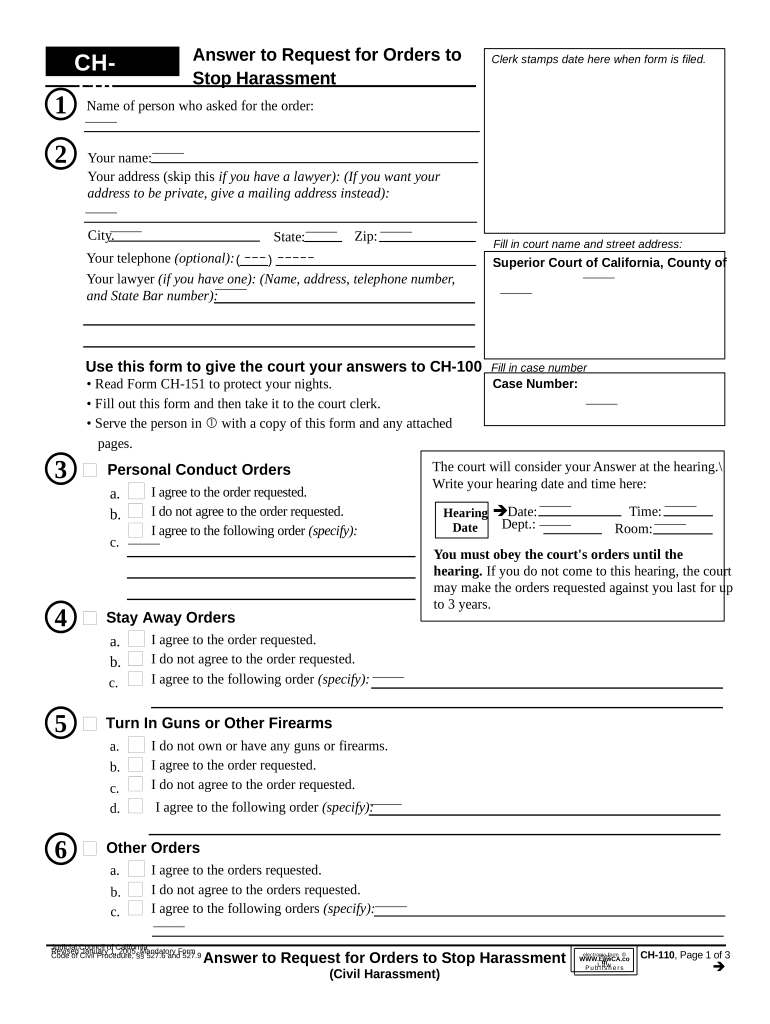
A Civil Harassment Restraining Order (CHRO) is appropriate when the abuse or harassment is perpetrated by someone with whom you do not have a close family or intimate relationship. This could be a neighbor, a co-worker, an acquaintance, or even a stranger. The harassment must be severe, repetitive, or threatening violence. Examples include stalking, repeated unwanted communication, credible threats of violence, or disturbing the peace. Unlike DVROs, CHROs do not typically cover issues like child custody or spousal support, focusing solely on preventing further harassment and ensuring personal safety within your daily lifestyle. This order helps individuals regain control over their personal space and daily routines from non-intimate harassers.
Other Types of Restraining Orders
While DVROs and CHROs are the most common, California law also provides for other specific types of restraining orders to address particular situations:
- Elder Abuse and Dependent Adult Abuse Restraining Orders: These protect individuals aged 65 or older, or dependent adults aged 18-64, from physical or financial abuse, neglect, or abduction.
- Workplace Violence Restraining Orders: Employers can request these orders to protect employees from violence or credible threats of violence in the workplace.
These various orders underscore the state’s commitment to protecting individuals, allowing them to lead safer and more secure lifestyles regardless of the circumstances of the threat.
The Initial Steps: Filing Your Petition
The process of obtaining a restraining order begins with filing a petition with the court. This stage requires careful attention to detail, as errors can delay the process or jeopardize your case. The goal is to present a clear, compelling narrative to the judge detailing the abuse or harassment you’ve experienced.
Identifying the Correct Court and Forms
You will need to file your petition at the Superior Court of California in the county where either you or the restrained person lives, or where the abuse occurred. The California Courts website provides a comprehensive array of forms, which are mandated by the Judicial Council of California. It is crucial to use the correct forms for the type of restraining order you are seeking (e.g., DV-100 for Domestic Violence, CH-100 for Civil Harassment). Each petition typically includes a request for a Temporary Restraining Order (TRO) and a notice of hearing for a permanent order.
Gathering Evidence
Evidence is the backbone of your petition. The more detailed and corroborative your evidence, the stronger your case will be. This can include:
- Written communications: Text messages, emails, letters, social media posts.
- Photographs and videos: Documenting injuries, property damage, or harassing behavior.
- Police reports: Records of past incidents reported to law enforcement.
- Medical records: Documentation of injuries or psychological impact.
- Witness statements: Affidavits or declarations from individuals who observed the abuse or harassment.
- Personal journal/diary: A detailed chronological account of incidents, including dates, times, and specific descriptions of events.
- Call logs: Records of unwanted phone calls.
Organizing this evidence clearly and chronologically will help the judge understand the pattern and severity of the abuse, which is essential for demonstrating the necessity of a restraining order to protect your lifestyle.
Completing the Paperwork
Filling out the forms accurately and completely is paramount. The primary form is the Petition (e.g., DV-100 or CH-100), where you will explain in detail, under penalty of perjury, why you need the restraining order. This declaration should be specific, providing dates, times, locations, and descriptions of each incident of abuse or harassment. Focus on factual statements rather than emotional appeals.
You will also need to submit a “Request for Temporary Restraining Order” (Ex Parte) if you are in immediate danger. This form asks the court to grant temporary protection until a full hearing can be held. Be as thorough as possible, as the judge will rely on this information to make an initial decision without the restrained party present. If children are involved in a DVRO case, you may also need to file additional forms regarding custody and visitation.
Filing and Serving the Papers
Once your paperwork is complete, you must file it with the court clerk. There may be filing fees, but you can request a fee waiver if you cannot afford them. After filing, a crucial step is “service.” This means officially notifying the restrained person that you have filed a petition for a restraining order against them and providing them with copies of all the filed documents.
Service must be done by someone other than yourself (e.g., a sheriff, a professional process server, or a friend who is over 18 and not involved in the case). The server must personally deliver the documents to the restrained person and then fill out a “Proof of Service” form (e.g., DV-200 or CH-200), which must be filed with the court. Proper service is critical because the court cannot issue a permanent restraining order if the restrained person was not properly notified. This ensures due process and that the order is legally enforceable, safeguarding your future lifestyle decisions.
Navigating the Court Process: Hearings and Orders

After filing and serving your petition, the next stage involves court hearings, where a judge will decide whether to issue a permanent restraining order. This can be a stressful period, but understanding what to expect can help you prepare effectively.
The Temporary Restraining Order (TRO)
If you requested a Temporary Restraining Order (TRO) and the judge believes there is sufficient immediate danger, they may grant it on the same day you file your petition or within a few days. A TRO provides immediate, but temporary, protection. It typically lasts until your scheduled court hearing, which is usually set within 21 to 25 days of the TRO being issued. During this period, the restrained person is legally prohibited from contacting or coming near you. This immediate protection allows you a crucial window to feel safer and prepare your case for the full hearing, significantly impacting your daily routines and sense of security.
The Court Hearing
The court hearing is where the judge will hear arguments from both sides before deciding whether to issue a permanent restraining order. Both you and the restrained person will have an opportunity to present evidence and testimony.
- Presenting your case: You will explain to the judge why you need the restraining order, referring to your declaration and supporting evidence. Be prepared to answer questions from the judge and potentially from the restrained person or their attorney.
- Rules of evidence: While less formal than a criminal trial, you should still present your evidence clearly and logically. Have all your documents organized and ready.
- Responding to the other side: The restrained person will have a chance to tell their side of the story and present their own evidence. You will need to remain calm and focused, addressing any misrepresentations of facts.
Having legal counsel can be incredibly beneficial during this stage, as attorneys are skilled at presenting cases, adhering to court procedures, and cross-examining witnesses. In California courts, presenting a clear, factual, and consistent narrative is key to obtaining the protection you seek.
The Permanent Restraining Order
If the judge is convinced by your evidence that abuse or harassment has occurred and is likely to continue, they will issue a permanent restraining order. These orders typically last for up to five years, though you can request an earlier termination or a renewal near the expiration date. A permanent restraining order outlines specific prohibitions for the restrained person, such as:
- Staying a certain distance away from you, your home, work, and children’s school.
- No contact by any means (phone, email, social media, third parties).
- Not possessing firearms.
- In DVROs, potential orders for child custody, visitation, and exclusive use of a residence.
This order profoundly impacts the lifestyle of both parties, primarily by creating a legal barrier that enables the protected person to regain control over their personal safety and daily life, free from harassment. It provides a legal framework for stability and security in your daily interactions within California.
Life After the Order: Enforcement and Modifications
Obtaining a restraining order is a critical step, but understanding its enforcement and potential for modification is equally important for ensuring long-term safety and stability in your lifestyle.
Enforcement of the Order
A restraining order is a legally binding document. If the restrained person violates any of its terms, they are committing a criminal offense.
- Reporting violations: If the restrained person violates the order, immediately call the police. Provide them with a copy of your restraining order and explain the violation. The police can then investigate and, if warranted, arrest the restrained person.
- Consequences of violation: Penalties for violating a restraining order can include fines, jail time, and additional criminal charges. Each violation can strengthen your case for renewing the order or seeking further protections.
- Registration: Law enforcement agencies maintain records of restraining orders. This means that if police respond to an incident involving you and the restrained person, they can quickly verify the existence of the order.
Effective enforcement is what gives the restraining order its power, actively protecting your ability to live a life free from fear and harassment. It allows you to move freely within California without constant apprehension.
Modifying or Terminating an Order
Circumstances can change, and either party may seek to modify or terminate a restraining order.
- Modification: You or the restrained person can petition the court to change the terms of an existing order. For example, if you need to adjust visitation schedules (in a DVRO), or if the restrained person’s behavior has changed significantly and you feel certain restrictions are no longer necessary.
- Termination: While rare for the protected party to seek termination prematurely, the restrained person may petition the court to terminate the order before its expiration date, arguing that they no longer pose a threat. The judge will consider factors such as the severity of the original abuse, any violations of the order, and the likelihood of future harm.
- Renewal: As the expiration date approaches, if you still feel unsafe, you can petition the court to renew the restraining order. You will need to demonstrate to the court that there is still a reasonable apprehension of future abuse or harassment.
These options ensure the restraining order remains relevant to your current lifestyle needs and safety considerations, adapting as your personal circumstances evolve.
Seeking Support and Resources
Navigating the legal process for a restraining order can be emotionally and physically draining. It is essential to seek support and leverage available resources to protect your well-being throughout this journey.
Legal Aid and Advocacy Groups
Numerous organizations in California offer free or low-cost legal assistance to individuals seeking restraining orders. These include:
- Legal Aid Societies: Non-profit organizations providing free legal services to low-income individuals.
- Domestic Violence Advocacy Centers: Many centers offer legal advocacy, help with paperwork, and court accompaniment for survivors of domestic violence.
- Pro Bono Programs: Bar associations often connect individuals with attorneys who volunteer their services.
These resources can provide invaluable guidance, ensuring your paperwork is correctly filed and your case is effectively presented in court, thereby securing your lifestyle more effectively. For example, in Los Angeles, San Francisco, or San Diego, there are specific local legal aid centers dedicated to assisting residents.
Emotional Support and Counseling
Beyond legal protection, addressing the emotional impact of abuse or harassment is crucial.
- Therapy and Counseling: Professional counseling can help you process trauma, develop coping mechanisms, and regain a sense of emotional stability.
- Support Groups: Connecting with others who have similar experiences can provide a sense of community and reduce feelings of isolation.
- Hotlines: National and local hotlines offer immediate support and resources for individuals experiencing abuse or harassment.
A restraining order offers a legal shield, but emotional support helps you heal and rebuild your life. By combining legal protections with robust emotional and community support, you can effectively work towards a safer, more stable, and fulfilling lifestyle in California.
LifeOutOfTheBox is a participant in the Amazon Services LLC Associates Program, an affiliate advertising program designed to provide a means for sites to earn advertising fees by advertising and linking to Amazon.com. Amazon, the Amazon logo, AmazonSupply, and the AmazonSupply logo are trademarks of Amazon.com, Inc. or its affiliates. As an Amazon Associate we earn affiliate commissions from qualifying purchases.