
Navigating the administrative processes for vital records can often feel complex, but obtaining a birth certificate in California is a straightforward process once you understand the requirements and steps involved. Whether you need it for travel, identification, school enrollment, or personal record-keeping, a birth certificate is a fundamental document in one’s lifestyle, confirming identity and citizenship. This comprehensive guide will walk you through everything you need to know to successfully request your birth certificate in the Golden State.
Understanding the Importance of Your California Birth Certificate
A birth certificate is more than just a piece of paper; it’s a foundational document that verifies your identity, age, and place of birth. For residents of California, this record is issued by the state and maintained by the California Department of Public Health – Vital Records (CDPH-VR) or local county offices.

Why You Might Need It
The reasons for needing a birth certificate are numerous and touch upon various aspects of daily life and long-term planning. Common scenarios include:
- Passport Applications: This is one of the most frequent reasons. A certified birth certificate is typically required as proof of U.S. citizenship when applying for a U.S. passport, essential for international travel.
- Driver’s License or State ID: While not always the primary document, it can be used to establish identity, especially for first-time applicants or those without other primary identification.
- School Enrollment: Children enrolling in public or private schools often need a birth certificate to verify their age and parentage.
- Social Security Benefits: To apply for Social Security numbers or benefits, particularly for children, a birth certificate is indispensable.
- Marriage Licenses: When applying for a marriage license, individuals may need to present their birth certificates to verify age and identity.
- Employment: Certain jobs, especially those requiring security clearances or government positions, may request a birth certificate for background checks.
- Inheritance and Estate Planning: In matters of inheritance or establishing lineage for legal purposes, a birth certificate serves as crucial evidence.
- Genealogy Research: For those tracing family history, birth certificates provide vital links in a family tree.
Understanding these diverse needs underscores why having easy access to this document, or knowing how to obtain it, is an essential part of personal administrative management.
Types of Certificates: Certified vs. Informational
In California, it’s crucial to understand the distinction between the two types of birth certificates available:
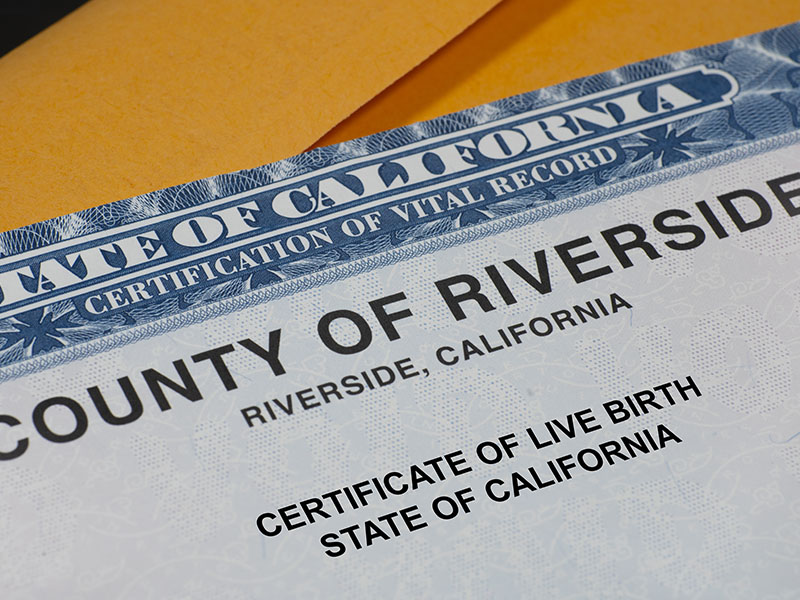
- Certified Copy: This is an authorized copy of the original birth record, printed on special security paper, and includes an embossed seal. It is legally valid for all official purposes, such as applying for a passport, driver’s license, or Social Security benefits. By law, only authorized individuals can obtain a certified copy.
- Informational Copy: This copy looks similar to a certified copy but carries a stamp stating “INFORMATIONAL, NOT A VALID DOCUMENT TO ESTABLISH IDENTITY.” It’s typically used for genealogical research, personal records, or other non-legal purposes. Anyone can obtain an informational copy without proving their relationship to the individual named on the certificate. It lacks the legal validity of a certified copy for identification purposes.
When requesting a certificate, always confirm which type you need to ensure it meets your specific requirements. For almost all official uses, a certified copy is necessary.
Eligibility and Required Documentation
To maintain the security and integrity of vital records, California has strict rules regarding who can obtain a certified copy of a birth certificate.
Who Can Request a Certified Copy?
Only specific individuals are authorized to receive a certified copy of a birth certificate. These include:
- The registrant (the person named on the certificate), if 18 years of age or older.
- A parent or legal guardian of the registrant.
- A child, grandchild, grandparent, sibling, spouse, or domestic partner of the registrant.
- A party entitled to receive the record by court order.
- A member of a law enforcement agency or a representative of a governmental agency, as provided by law, who is conducting official business.
- An attorney representing the registrant or the registrant’s estate, or any person or agency empowered by statute or appointed by a court to act on behalf of the registrant or the registrant’s estate.
- A funeral director ordering certified copies on behalf of any of the above-authorized individuals.
If you do not fall into one of these categories, you will only be eligible for an informational copy.
Acceptable Identification
Regardless of your method of request, you will need to provide valid identification. This is a critical step in verifying your identity and your authorization to receive the document. Acceptable forms of identification typically include:
- Current Driver’s License or State-Issued ID Card: This is the most common and preferred form of ID.
- Passport: A valid U.S. or foreign passport.
- Military ID Card: A valid active duty or retired military ID.
- Other Government-Issued Photo ID: This could include a permanent resident card, employment authorization document, or other forms approved by the CDPH-VR.
Always ensure your ID is current and matches the name on your application. Some offices may require two forms of identification if one is questionable or expired.
Proof of Relationship (If Applicable)
If you are requesting a certified copy of someone else’s birth certificate (e.g., your child’s, parent’s, or spouse’s), you must provide documentation proving your relationship to the registrant. This might include:
- Your own birth certificate (to show parentage or sibling relationship).
- A marriage certificate (to show spousal relationship).
- Court orders (for legal guardianship or other authorized parties).
- Death certificates (if you are requesting a deceased family member’s record for inheritance purposes).
Without proper documentation proving your authorized relationship, your request for a certified copy will likely be denied.
Step-by-Step Guide to Requesting Your Certificate
There are several convenient ways to request a birth certificate in California, offering flexibility depending on your urgency and preference.
Option 1: Requesting Online Through VitalChek
For many, the quickest and most convenient option is to order online through VitalChek, the only authorized third-party vendor for the CDPH-VR.
- Visit the VitalChek Website: Go to the official VitalChek website and select California as the state.
- Select Document Type: Choose “Birth Certificate” and indicate whether you need a certified or informational copy.
- Provide Information: Fill in the registrant’s full name, date of birth, place of birth (city/county), and parents’ names.
- Upload ID and Sworn Statement: You will typically be required to upload a copy of your valid photo ID and a completed, notarized “Sworn Statement” form, which attests to your eligibility. Some systems may allow electronic notarization or require you to mail the physical statement.
- Payment and Shipping: Provide payment details for the certificate fee, processing fee, and shipping. VitalChek offers expedited shipping options.
- Confirmation: You will receive an order confirmation and tracking information.
Online requests via VitalChek generally have the fastest processing times, often ranging from 5-10 business days, plus shipping.
Option 2: Requesting by Mail
Requesting by mail is a reliable option for those who aren’t in a hurry or prefer traditional methods. You can request a certificate directly from the CDPH-VR or your local County Recorder’s Office.
- Download Application Form: Obtain the correct application form from the CDPH-VR website (VS 111, Application for Certified Copy of Birth Record) or your specific County Recorder’s Office.
- Complete the Form: Fill out all sections accurately, including registrant’s details and your relationship.
- Complete and Notarize Sworn Statement: If requesting a certified copy, you must complete the “Sworn Statement” section on the application form and have your signature notarized by a public notary. This is a crucial step for mail-in requests.
- Include Payment: Enclose a check or money order payable to the CDPH-VR or the County Recorder’s Office for the required fee. Do not send cash.
- Mail Your Application: Send the completed form, notarized sworn statement, payment, and a photocopy of your valid ID to the appropriate office.
Mail-in requests can take longer, typically 4-6 weeks for processing by the CDPH-VR, and potentially less for some county offices.
Option 3: In-Person Request at the County Recorder’s Office
For immediate needs, requesting in person at the County Recorder’s Office in the county where the birth occurred is often the fastest way to obtain a certified copy.
- Locate Your County Office: Find the County Recorder’s Office website for the county where the birth took place (e.g., Los Angeles County Recorder, San Diego County Recorder, Sacramento County Recorder, San Francisco County Recorder).
- Check Office Hours and Requirements: Verify their operating hours and any specific requirements for in-person requests. Some offices may require appointments.
- Gather Documents: Bring your valid photo ID, proof of relationship (if applicable), and the completed application form (if available online, fill it out beforehand to save time). The Sworn Statement can typically be completed and witnessed by staff on site, often without a separate notarization fee.
- Visit the Office: Present your documents and payment. You may receive the certificate on the same day, depending on the office’s processing capacity.
While convenient for speed, be prepared for potential wait times, especially in larger counties like Los Angeles or San Diego.
Fees, Processing Times, and Special Considerations
Understanding the costs and timelines involved helps manage expectations and plan accordingly.
Standard Fees and Payment Methods
The fee for a certified copy of a birth certificate in California is standardized across the state. As of the last update, the fee is typically around $29 per copy. This fee is subject to change, so always verify the current amount on the official CDPH-VR or County Recorder’s Office website.
- Online (VitalChek): Involves the state fee plus a VitalChek processing fee and shipping costs. Payments are made via credit/debit card.
- Mail: Payment by check or money order, payable to the “CDPH Vital Records” or the specific County Recorder’s Office.
- In-Person: Accepted payment methods vary by county but usually include cash, credit/debit card, check, or money order.
Expedited Processing Options
If you need your birth certificate urgently, VitalChek offers expedited processing and shipping, significantly reducing the wait time. For in-person requests, the processing is often immediate, making it the fastest option if you can visit a County Recorder’s Office during business hours.
Common Pitfalls to Avoid
- Incomplete Applications: Missing information is the most common reason for delays or rejections. Double-check every field.
- Incorrect Fees: Sending the wrong amount can hold up your application. Verify the current fee.
- Expired or Invalid ID: Ensure your identification is current and meets the requirements.
- Missing Notarization: For mail-in certified copy requests, a notarized sworn statement is mandatory.
- Sending to the Wrong Office: While the CDPH-VR processes all state records, requesting from the county where the birth occurred can sometimes be faster for older records or specific needs.
Special Cases: Amendments and Adoptions
- Amendments: If there are errors on the original birth certificate (e.g., misspelled name, incorrect date), you’ll need to follow a separate amendment process through the CDPH-VR. This typically involves providing legal documentation to support the change.
- Adoptions: For individuals who were adopted, a new birth certificate is issued reflecting the adoptive parents. The original birth certificate is sealed. Requests for adopted birth certificates or original birth records (for adoptees 18 or older) involve specific procedures and sometimes require court orders. Contact the CDPH-VR directly for guidance on these sensitive requests.
Tips for a Smooth Application Process
To ensure your request for a California birth certificate is as smooth and efficient as possible, keep these tips in mind.
Double-Check All Information
Before submitting your application, meticulously review every piece of information you’ve provided. Small errors, like a misspelled name or an incorrect date, can lead to significant delays. Ensure the names of the registrant and parents match exactly what is on file or what you expect to be on file.
Keep Copies of Your Application
Always make photocopies of your completed application form, your identification, the notarized sworn statement, and any other supporting documents before mailing them. If you order online, save digital copies of your order confirmation. This provides a record of your submission and essential details in case of any issues or if you need to follow up on your request.

Understand California’s Specific Requirements
While general requirements for vital records are similar across states, California has specific forms, identification rules, and authorization criteria. Rely only on information from official state or county government websites (CDPH-VR or County Recorder’s Office) to avoid misinformation. Be particularly mindful of the distinction between certified and informational copies and the strict eligibility requirements for certified copies.
By following these guidelines, you can navigate the process of requesting a birth certificate in California with confidence, ensuring you obtain this vital document efficiently for all your lifestyle needs.
LifeOutOfTheBox is a participant in the Amazon Services LLC Associates Program, an affiliate advertising program designed to provide a means for sites to earn advertising fees by advertising and linking to Amazon.com. Amazon, the Amazon logo, AmazonSupply, and the AmazonSupply logo are trademarks of Amazon.com, Inc. or its affiliates. As an Amazon Associate we earn affiliate commissions from qualifying purchases.