
The question “How far is North Carolina to California?” isn’t just about a number; it’s an inquiry into a monumental journey spanning the vast breadth of the United States. This transcontinental traverse represents a significant undertaking, whether approached by air, road, or rail, offering diverse experiences from swift passage to an epic adventure. Understanding the sheer scale and the nuances of such a journey is crucial for any traveler contemplating moving from the vibrant East Coast to the dynamic West Coast.
The Vast Expanse: Understanding the Distance
Crossing the United States from east to west is one of the most iconic journeys an individual can undertake. The distance between North Carolina and California underscores the immense geographical diversity and scale of the nation.

Geographical Overview
North Carolina, nestled on the Atlantic Seaboard, is characterized by its coastal plains, the Piedmont region, and the majestic Blue Ridge Mountains to the west. California, on the other hand, stretches along the Pacific Ocean, boasting a dramatic coastline, expansive deserts, towering mountain ranges like the Sierra Nevada, and fertile valleys. The journey between these two states involves traversing multiple time zones, vast plains, imposing mountain ranges, and diverse climates. It’s a journey that fundamentally shifts perspectives, revealing the true character of American landscapes.
Practical Distance Measurements
The exact distance between North Carolina and California largely depends on the specific starting point in North Carolina and the destination in California. For illustrative purposes, let’s consider popular metropolitan areas:
- Charlotte, North Carolina to Los Angeles, California: This is one of the most common routes. By road, the distance typically spans approximately 2,400 to 2,600 miles (3,860 to 4,180 kilometers). This substantial mileage translates into a driving time of around 35 to 40 hours of continuous driving, without accounting for stops, rest, or potential delays.
- Raleigh, North Carolina to San Francisco, California: Another significant pairing, this route is slightly longer due to San Francisco’s more northerly position. Expect a driving distance closer to 2,700 to 2,900 miles (4,345 to 4,665 kilometers), requiring upwards of 40-45 hours of pure driving.
These figures highlight that traveling between these states is not a short hop but a cross-country endeavor requiring careful planning and consideration of the mode of transport.
Modes of Transport: Navigating the Continental Divide
Given the immense distance, selecting the right mode of transport is paramount to the success and enjoyment of your journey. Each option offers a distinct experience, balancing speed, cost, comfort, and the opportunity for exploration.
Flying: The Swift Solution
For those prioritizing speed and efficiency, air travel is unequivocally the best choice. A direct flight from a major airport in North Carolina, such as Charlotte Douglas International Airport (CLT) or Raleigh-Durham International Airport (RDU), to a major California hub like Los Angeles International Airport (LAX) or San Francisco International Airport (SFO), typically takes around 5 to 6 hours. Factoring in airport security, boarding, potential layovers, and travel to and from airports, the total travel time can range from 8 to 12 hours. While it’s the fastest way to cover the physical distance, it offers little in terms of experiencing the landscapes in between.
Driving: An Epic Road Trip
Undertaking a road trip from North Carolina to California is a quintessential American experience. It’s a journey not just of distance but of discovery, allowing travelers to witness the country’s diverse geography and cultural tapestry firsthand. Given the 35-45 hours of driving, a realistic itinerary would span 4 to 7 days, depending on how many hours per day one wishes to drive and the number of stops for sightseeing.
Common routes often involve major interstates:
- Interstate 40: This southern route is a popular choice, extending from Wilmington, North Carolina, all the way to Barstow, California. It passes through states like Tennessee, Arkansas, Oklahoma, Texas, New Mexico, and Arizona, offering glimpses of deserts, mesas, and iconic roadside attractions.
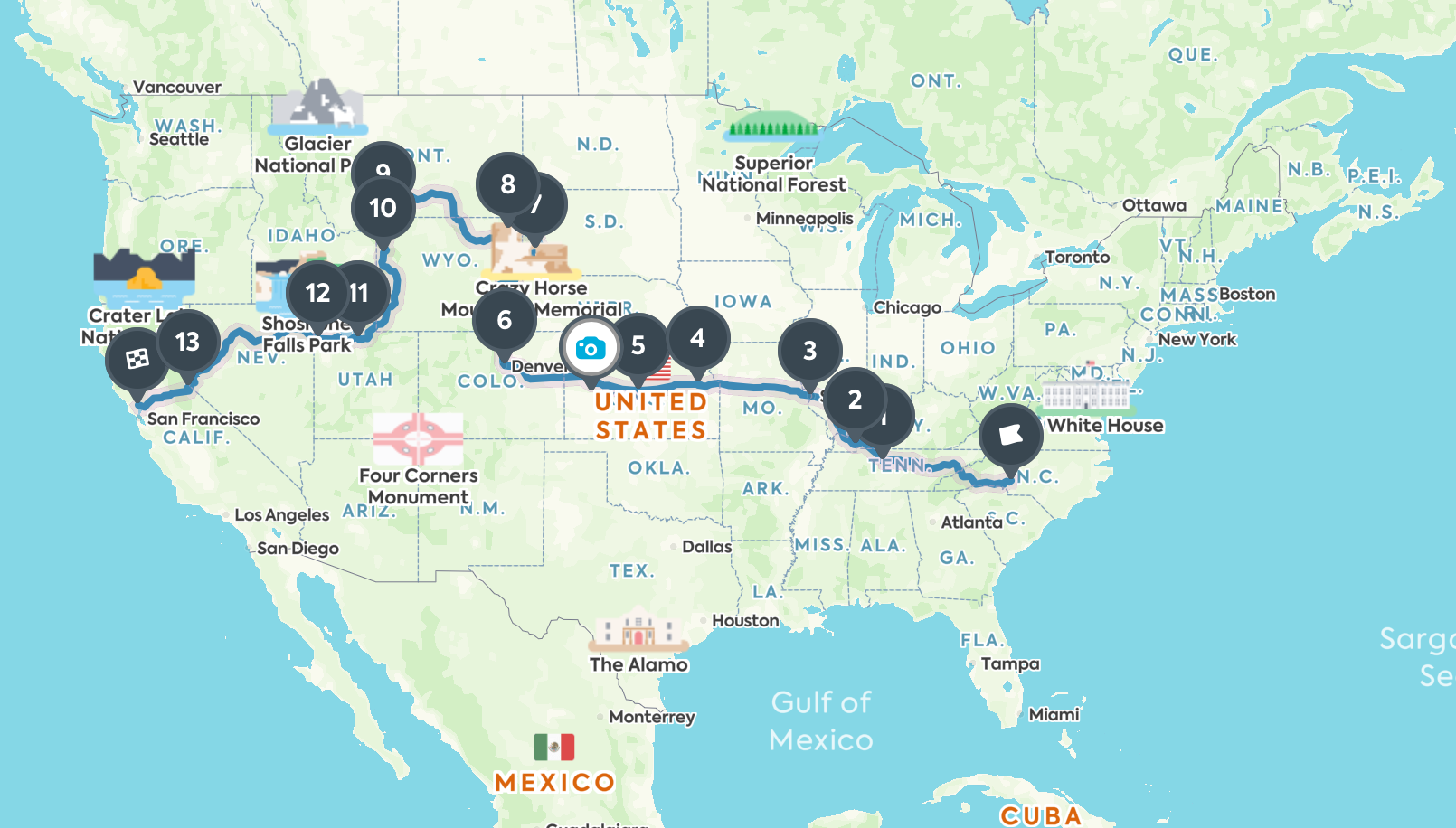
- Interstate 70 / Interstate 80: A more northerly option might involve taking I-70 west through states like Missouri and Colorado, connecting to I-80 in the Midwest, which then continues through Nebraska, Wyoming, Utah, and Nevada before reaching California. This route presents different landscapes, including the Rocky Mountains and vast plains.
A road trip demands careful vehicle maintenance, budgeting for fuel and accommodation, and a robust navigation plan.
Train Travel: A Scenic Alternative
For those seeking a more relaxed, scenic, and environmentally conscious journey, train travel provides a unique perspective. Amtrak offers routes that can connect North Carolina to California, though often requiring one or more transfers. Typically, this involves a segment from North Carolina to a major hub like Chicago (via routes like the Carolinian or Piedmont to Washington D.C., then connecting to the Capitol Limited or Cardinal), and then a cross-country train like the California Zephyr (through Denver and the Rockies) or the Southwest Chief (through the Southwest) to California.
The total travel time by train can range from 3 to 4 days, depending on connections and the specific route. While slower than flying, it offers comfortable seating, dining cars, sleeper car options, and expansive windows for enjoying the passing scenery without the stress of driving. It’s a journey meant to be savored.
Planning Your Transcontinental Journey
Successfully navigating the distance between North Carolina and California requires meticulous planning, regardless of the chosen mode of transport.
Key Considerations for Drivers
A cross-country road trip is an adventure, but safety and logistics are paramount.
- Vehicle Preparation: Ensure your vehicle is in excellent condition, with recent oil changes, tire checks, and fluid top-ups. Consider a full inspection before departure.
- Route Planning: Utilize GPS and mapping apps, but also have physical maps as a backup. Plan your daily driving distances and identify overnight stops in advance. Booking accommodations ahead, especially during peak season, is advisable.
- Budgeting: Account for fuel costs, which can fluctuate significantly across states, as well as meals, snacks, and overnight stays. Toll roads may also add to expenses.
- Emergency Kit: Pack essentials like a first-aid kit, jumper cables, flashlight, basic tools, extra water, and non-perishable food.
- Travel Companions: Sharing the driving with a companion can significantly reduce fatigue and enhance safety.
- Roadside Attractions: Integrate stops at national parks, historic sites, and unique roadside attractions to break up the journey and enrich the experience. Popular stops along the southern route (I-40) could include Nashville, Oklahoma City, Amarillo, and the Grand Canyon National Park.
Optimizing Your Flight Experience
While seemingly straightforward, air travel across the country can be enhanced with careful planning.
- Booking in Advance: Secure flights well in advance for better prices and preferred seating. Flexibility with travel dates can also lead to savings.
- Baggage: Be mindful of airline baggage policies, including weight limits and fees, to avoid surprises at the airport.
- Connecting Flights: While direct flights are ideal, connecting flights are often cheaper. Factor in sufficient layover time to comfortably make your connection, especially if transiting through large airports like Dallas/Fort Worth International Airport (DFW) or Chicago O’Hare International Airport (ORD).
- Airport Transfers: Plan how you’ll get to and from the airports at both ends of your journey. Rideshares, taxis, public transport, or pre-booked shuttles are common options.
Embracing the Rail Adventure
Train travel offers a unique blend of comfort and scenic beauty.
- Route Selection: Research Amtrak routes and schedules carefully. Consider which cross-country line aligns best with your preferences for scenery and destination in California.
- Reservations: Book train tickets and any desired sleeper accommodations well in advance, especially for popular routes or peak travel times.
- Onboard Amenities: Familiarize yourself with the dining options, lounge cars, and observation cars available on your chosen train. These amenities are integral to the train travel experience.
- Packing: While baggage limits are often more generous than airlines, pack wisely. You’ll want essentials accessible during the journey.
The Experience of Crossing a Continent
The journey from North Carolina to California is more than just covering miles; it’s an experience that encapsulates the diverse spirit of the United States.
From East Coast Charm to West Coast Vibrancy
Beginning in North Carolina, you leave behind the historic charm of Southern cities, the rolling foothills of the Appalachians, and the gentle rhythm of the Atlantic coast. As you progress westward, the landscape dramatically transforms. The verdant forests give way to vast agricultural plains, then to the dramatic desert vistas of the Southwest, characterized by unique rock formations and expansive skies. Finally, arriving in California, you are greeted by the energetic pulse of its cities, the iconic coastline of the Pacific Coast Highway, and the diverse ecosystems ranging from towering redwoods to arid deserts. This transition in scenery, culture, and climate offers a profound appreciation for the country’s geographical tapestry.

Essential Stops and Scenic Byways
For those opting for a road trip, the journey itself becomes the destination. Beyond the major interstates, opportunities abound for unique detours:
- Route 66: While I-40 largely replaced it, sections of the historic Route 66 can still be explored, offering nostalgic glimpses into America’s past through quirky roadside attractions and small towns.
- National Parks: The route provides access to numerous National Parks, including the Great Smoky Mountains National Park (near North Carolina), Petrified Forest National Park and Grand Canyon National Park in Arizona, and eventually Joshua Tree National Park and Death Valley National Park in California.
- Major Cities: Consider overnight stays in cities like Memphis, Dallas, Santa Fe, or Las Vegas, each offering distinct cultural experiences and culinary delights.
Ultimately, the question of “How far is North Carolina to California?” is a starting point for a deeper exploration into the logistics and unparalleled experiences of cross-country travel. Whether you choose the efficiency of air, the adventure of the open road, or the contemplative pace of rail, the journey promises to be as memorable as the destination itself.
LifeOutOfTheBox is a participant in the Amazon Services LLC Associates Program, an affiliate advertising program designed to provide a means for sites to earn advertising fees by advertising and linking to Amazon.com. Amazon, the Amazon logo, AmazonSupply, and the AmazonSupply logo are trademarks of Amazon.com, Inc. or its affiliates. As an Amazon Associate we earn affiliate commissions from qualifying purchases.