
The journey from California to Australia represents one of the longest commercial flight paths in the world, a significant trans-Pacific adventure crossing vast oceans and multiple time zones. For travelers planning this epic trip, understanding the flight duration is paramount, influencing everything from itinerary planning to managing jet lag. While a definitive single answer is elusive due to various contributing factors, direct flights typically range from 13.5 to over 18 hours, depending on the specific departure and arrival cities, as well as prevailing flight conditions. This comprehensive guide delves into the specifics, offering insights into what to expect when embarking on this remarkable aerial voyage.
Understanding the Trans-Pacific Journey
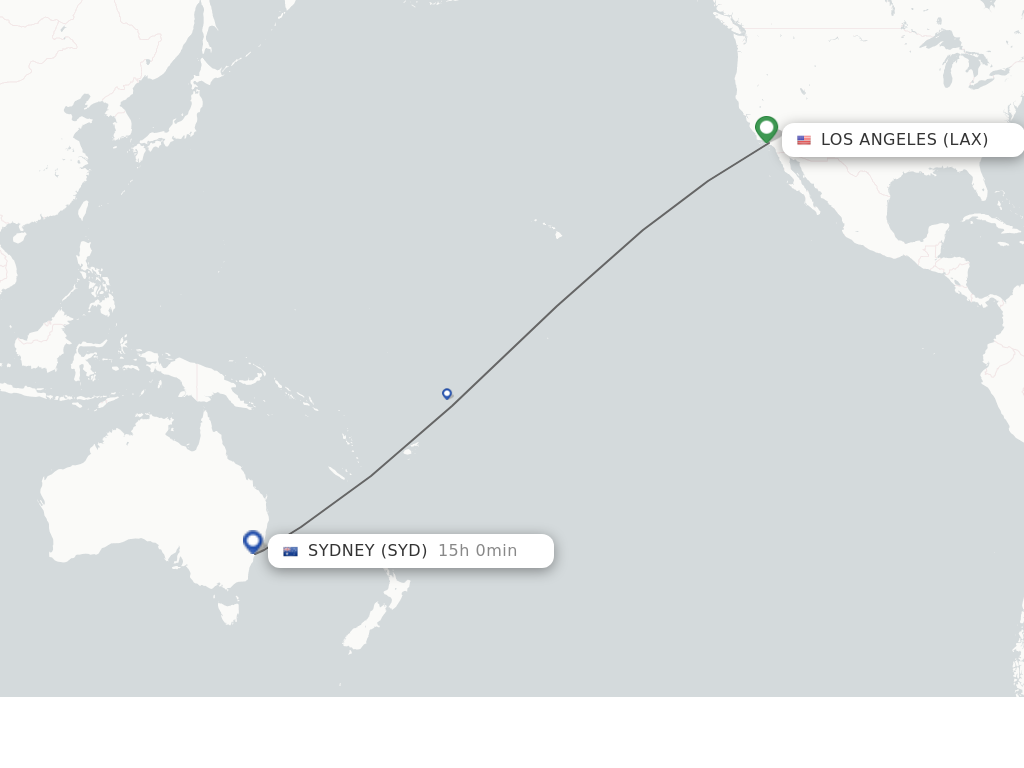
The immense expanse of the Pacific Ocean dictates the lengthy travel time from the West Coast of the United States to the land down under. The shortest distance between California and Australia is roughly 6,500 to 7,500 nautical miles (approximately 7,500 to 8,600 miles or 12,000 to 14,000 kilometers) depending on the exact points. Modern aircraft are engineered for such ultra-long-haul flights, offering comfort and efficiency over these distances. However, the duration is not merely about the straight-line distance; it involves a complex interplay of geography, aviation logistics, and even meteorological conditions.
One crucial aspect of this journey is crossing the International Date Line. When flying westward from California to Australia, travelers effectively lose a day. For instance, departing on a Monday afternoon will result in an arrival on Wednesday morning, skipping Tuesday entirely. This phenomenon, while a mere calendar trick, significantly impacts the perception of travel time and requires careful consideration for scheduling and managing personal clocks upon arrival.
Factors Influencing Flight Duration
The “how long” of a flight from California to Australia is subject to several key variables:
Origin and Destination Cities
The most significant determinant of flight duration is the specific combination of departure and arrival airports. California is a large state, and Australia is a continent.
- California Departure Hubs: The vast majority of direct flights to Australia originate from major international gateways such as Los Angeles International Airport and San Francisco International Airport. Flights from other California cities like San Diego or Sacramento would first require a connecting flight to one of these primary hubs, adding to the overall travel time.
- Australia Arrival Hubs: The main international airports in Australia that receive direct flights from California are Sydney Kingsford Smith Airport, Melbourne Airport, and Brisbane Airport. Perth Airport, on Australia’s west coast, also occasionally sees direct ultra-long-haul routes, representing the longest non-stop journeys. Traveling to other cities like Adelaide or Cairns would involve a domestic connection within Australia, extending the total journey. The flight distance varies significantly; a flight from Los Angeles to Brisbane is shorter than one to Melbourne or Sydney, which in turn are shorter than a flight to Perth.
Direct vs. Connecting Flights
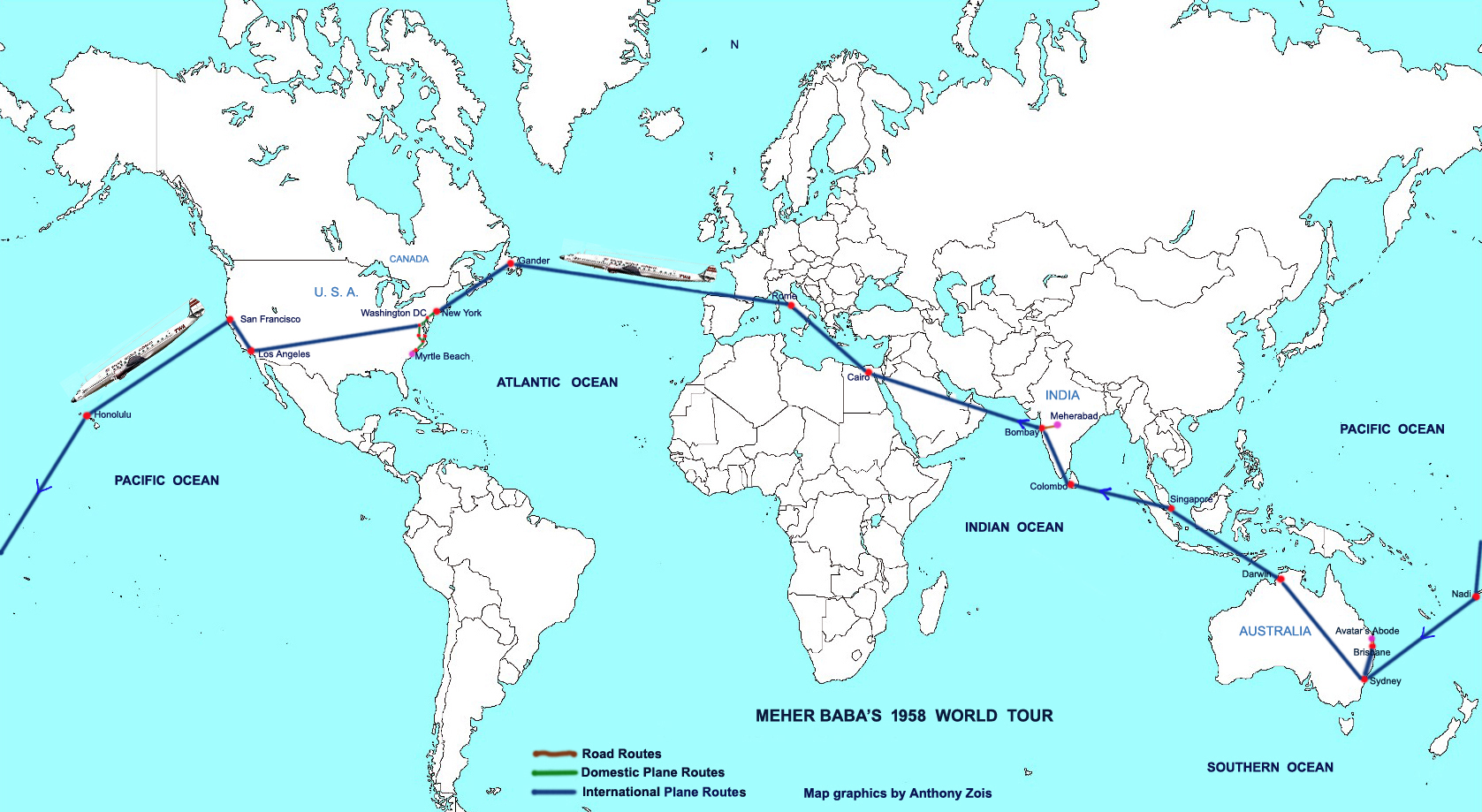
For those seeking the quickest journey, direct flights are the clear choice. These non-stop services eliminate layovers, which can add anywhere from a few hours to an entire day to the travel time. While historically some routes included stops in places like Honolulu or Fiji, the advent of modern long-range aircraft has made direct trans-Pacific flights the standard for most major carriers. Connecting flights are still an option, often via Auckland, New Zealand, or other Asian hubs, but these are generally longer and primarily chosen for cost savings or specific itinerary needs.
Aircraft Type and Air Traffic Control
The type of aircraft used plays a role in flight duration. Modern long-haul jets like the Boeing 787 Dreamliner, Airbus A350, and Boeing 777 are designed for fuel efficiency and range, maintaining high cruising speeds. Factors like prevailing winds (tailwinds can shorten flight times, headwinds can lengthen them) and air traffic control routing adjustments also contribute to minor fluctuations in actual flight time.
Major Routes and Airlines
Several reputable airlines operate direct services across the Pacific, connecting California to Australia’s eastern seaboard.
Key Departure Hubs in California
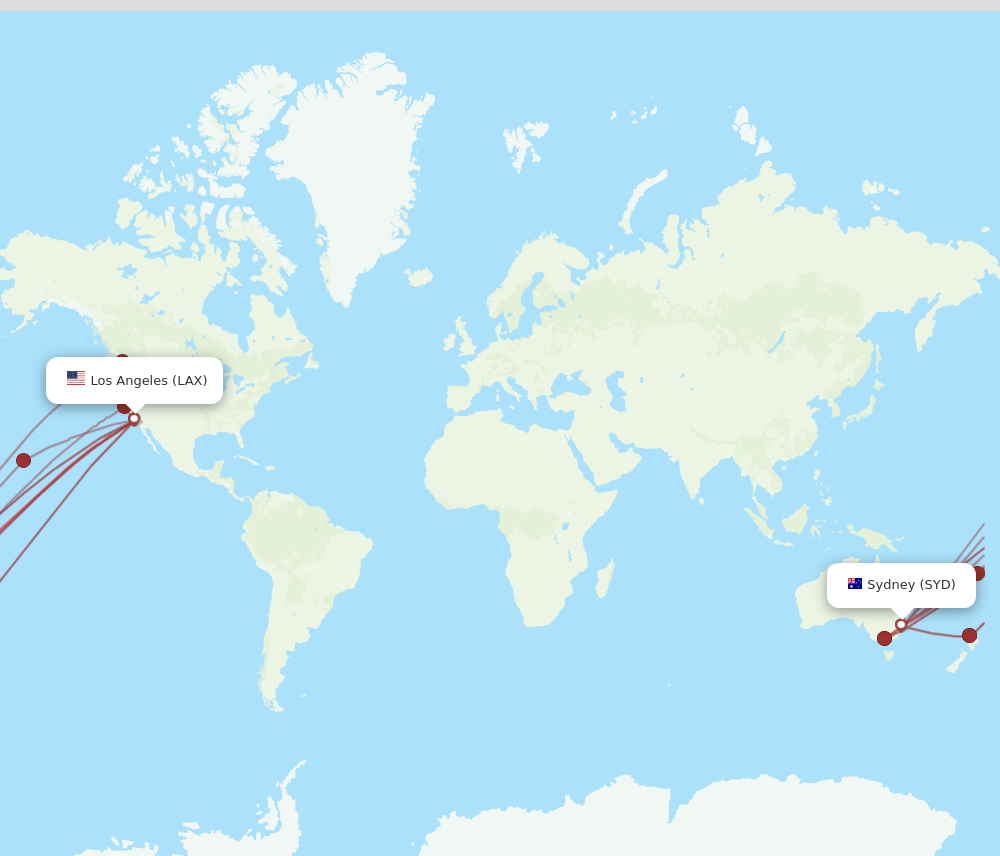
- Los Angeles International Airport: As one of the busiest airports globally, LAX serves as the primary gateway for trans-Pacific travel from the United States to Australia. Multiple daily direct flights depart from LAX to Sydney, Melbourne, and Brisbane.
- San Francisco International Airport: SFO is another major hub offering direct flights to Australia’s eastern cities, providing convenient options for travelers in Northern California and beyond.
Primary Arrival Cities in Australia
- Sydney Kingsford Smith Airport: Sydney is the most popular arrival point, receiving the highest frequency of direct flights.
- Melbourne Airport: Melbourne is another significant hub, with regular direct connections from California.
- Brisbane Airport: Brisbane also offers direct flights, serving as a convenient entry point for those heading to Queensland and its attractions.
- Perth Airport: While less frequent, Perth has seen direct flights from California, particularly from Qantas, pushing the boundaries of ultra-long-haul travel.
Airlines Operating This Route
Several major airlines compete on the California-Australia routes, offering varying service levels and schedules:
- Qantas: As Australia’s flag carrier, Qantas operates numerous direct flights from Los Angeles and San Francisco to Sydney, Melbourne, and Brisbane, including their ultra-long-haul service to Perth.
- United Airlines: A major U.S. carrier, United Airlines offers direct flights from its hubs in Los Angeles and San Francisco to Sydney, Melbourne, and Brisbane.
- Delta Air Lines: Delta Air Lines also provides direct services, primarily from Los Angeles to Sydney.
- American Airlines: American Airlines operates direct flights from Los Angeles to Sydney and Auckland, with onward connections.
- Virgin Australia: While Virgin Australia partners with United and Delta for some routes, they also operate their own direct services from Los Angeles to Melbourne and Brisbane.
Preparing for the Long Haul
Given the significant duration of these flights, preparation is key to ensuring a comfortable and smooth journey.
Managing Jet Lag
Crossing nearly a full day’s worth of time zones can lead to considerable jet lag. Strategies to mitigate its effects include:
- Adjusting Sleep Patterns: Gradually shift your sleep schedule a few days before departure to align closer with your destination’s time zone.
- Hydration: Drink plenty of water before, during, and after your flight to combat dehydration, which exacerbates jet lag symptoms.
- Strategic Sleep on Board: Try to sleep on the plane during what would be nighttime in Australia. Use eye masks and earplugs.
- Embrace Daylight Upon Arrival: Once you land, expose yourself to natural light as much as possible and try to stick to local meal and sleep times to help reset your body clock.
In-Flight Comfort and Entertainment
Making a 14-hour-plus flight bearable requires some foresight:
- Comfortable Clothing: Wear loose, layered clothing.
- Stay Active: Get up and walk around the cabin periodically, and perform simple stretches in your seat to promote circulation and prevent stiffness.
- Personal Entertainment: While airlines offer extensive in-flight entertainment, bringing your own books, podcasts, or downloaded movies can provide a welcome alternative.
- Essentials Kit: Pack a small bag with toiletries, a neck pillow, a warm scarf or blanket, and any necessary medications. A reusable water bottle is also highly recommended.
Essential Documents and Arrival Procedures
Before you even think about departure, ensure all your travel documents are in order:
- Passport and Visa: A valid passport is essential, and almost all non-Australian citizens require a visa to enter Australia. U.S. citizens can typically apply for an Electronic Travel Authority (ETA) online, while other nationalities might need an eVisitor visa or another subclass. Apply well in advance.
- Australia’s Biosecurity: Australia has extremely strict biosecurity laws to protect its unique environment. Be sure to declare all food, plant materials, animal products, and certain other items on your Incoming Passenger Card. Failure to declare can result in significant fines.
Typical Flight Durations by Route
To provide a clearer picture, here are estimated direct flight durations for common routes:
California to Sydney
- Los Angeles to Sydney: Approximately 14.5 to 15.5 hours.
- San Francisco to Sydney: Approximately 14.5 to 15.5 hours.
California to Melbourne
- Los Angeles to Melbourne: Approximately 15.5 to 16.5 hours.
- San Francisco to Melbourne: Approximately 15.5 to 16.5 hours.
California to Brisbane
- Los Angeles to Brisbane: Approximately 13.5 to 14.5 hours.
- San Francisco to Brisbane: Approximately 13.5 to 14.5 hours.
California to Perth
- Los Angeles to Perth: Approximately 17.5 to 18.5 hours (specific direct services, predominantly Qantas).
Ultimately, a flight from California to Australia is a significant commitment of time, but the destination makes the long journey unequivocally worthwhile. By understanding the factors that influence flight duration and preparing adequately, travelers can ensure their trans-Pacific adventure starts and ends as smoothly and comfortably as possible.
LifeOutOfTheBox is a participant in the Amazon Services LLC Associates Program, an affiliate advertising program designed to provide a means for sites to earn advertising fees by advertising and linking to Amazon.com. Amazon, the Amazon logo, AmazonSupply, and the AmazonSupply logo are trademarks of Amazon.com, Inc. or its affiliates. As an Amazon Associate we earn affiliate commissions from qualifying purchases.