
The vast and varied landscape of California is more than just a collection of stunning natural wonders and bustling metropolises; it is a tapestry woven from the diverse lives and perspectives of its residents. While the raw number of registered voters might seem a purely civic statistic, it offers a fascinating, albeit indirect, lens through which to understand the shifting demographics, prevailing attitudes, and ultimately, the multifaceted lifestyles that define the Golden State. These demographic insights are crucial for discerning the essence of California’s lifestyle offerings, influencing everything from urban development and cultural trends to the very nature of its tourism and accommodation sectors. Understanding the composition and distribution of its population, as reflected in voter registration patterns, allows us to appreciate the unique character of different regions and the array of experiences they present to residents and visitors alike, shaping diverse travel and living preferences.
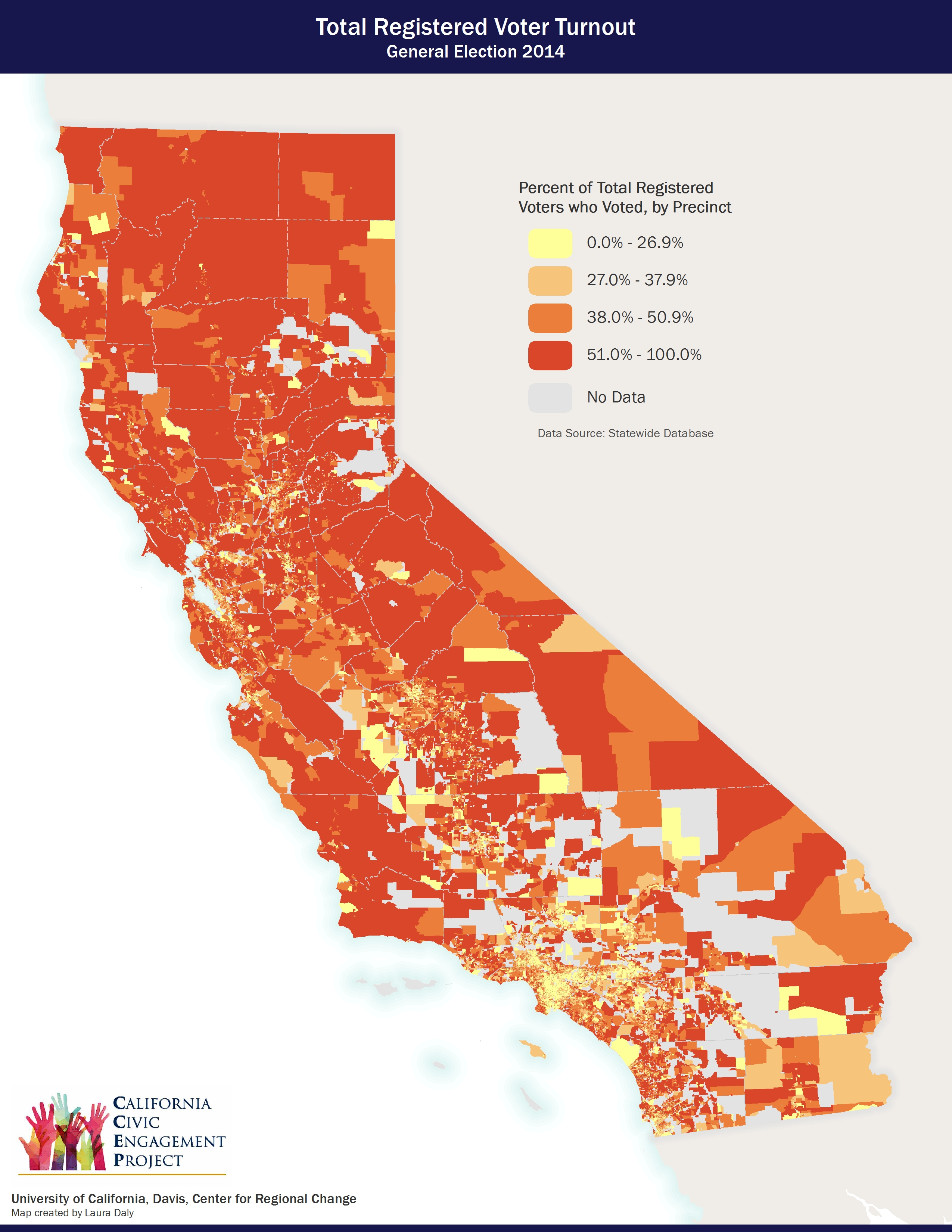
The Demographic Canvas of California’s Lifestyle
The sheer scale of California’s registered voter base—consistently the largest of any U.S. state—speaks volumes about its immense population and vibrant civic engagement. However, it’s not merely the aggregate number but the intricate breakdown by age, ethnicity, socio-economic status, and geographic distribution that truly illuminates the state’s diverse lifestyles. These demographic variables paint a detailed picture of the communities that thrive across California, from its iconic coastal cities to its agricultural heartland and mountainous retreats. Each demographic segment often corresponds to distinct lifestyle choices, whether it’s a preference for high-tech urban living, a focus on sustainable agricultural practices, or a passion for outdoor adventure. These collective preferences, in turn, sculpt the local culture, amenities, and overall ambiance, making each region a unique destination.
Urban vs. Rural Lifestyles and Travel Choices
The distinction between urban and rural populations within California is stark and profoundly impacts the dominant lifestyles and corresponding travel opportunities. Heavily populated urban centers like Los Angeles, San Francisco, and San Diego boast high concentrations of registered voters, reflecting dense, diverse populations. These areas are characterized by fast-paced, cosmopolitan lifestyles, offering an abundance of cultural attractions, world-class dining, luxury shopping, and vibrant nightlife. Travelers seeking a sophisticated urban experience, business professionals, and those interested in cutting-edge trends often gravitate towards these hubs.
Conversely, the more sparsely populated rural counties, despite having fewer registered voters in absolute terms, represent distinct lifestyles rooted in agriculture, natural resource management, and outdoor recreation. Regions like the Central Valley and areas surrounding national parks such as Yosemite National Park offer serene, nature-centric lifestyles. Here, the emphasis is on tranquility, community, and access to pristine natural environments. Travel in these areas tends to focus on eco-tourism, adventure sports, wine tasting (e.g., Napa Valley), and authentic local experiences, attracting visitors who prioritize relaxation, nature, and a slower pace of life. The preferences reflected in voter data—such as age demographics and historical voting patterns—can often hint at the prevailing values and lifestyle priorities of these distinct geographical pockets, subtly guiding travelers to experiences that align with the local ethos.
Cultural Mosaics and Niche Tourism
California’s voter registration data also subtly reflects its incredible cultural diversity. Large immigrant populations in many urban and suburban areas contribute to a rich tapestry of traditions, languages, and culinary influences. This demographic mosaic directly translates into a vibrant lifestyle scene that champions cultural authenticity and niche experiences. For instance, areas with significant Latino, Asian, or Middle Eastern populations often feature bustling cultural districts with specialized restaurants, markets, and festivals. These areas don’t just cater to residents; they become prime destinations for cultural tourism, offering travelers immersive experiences that go beyond conventional sightseeing.
The presence of a diverse, engaged populace, as indicated by voter registration, also underpins the state’s progressive approach to various social issues, which in turn fosters lifestyles that appeal to specific traveler segments. For example, California’s reputation as a hub for wellness, sustainability, and LGBTQ+ friendly environments is largely a reflection of its resident base. This draws travelers seeking destinations that align with their values, whether it’s a yoga retreat in Big Sur, a farm-to-table culinary tour in the Bay Area, or a vibrant Pride celebration in West Hollywood. These lifestyle-driven niches are directly supported and sustained by the diverse and often politically active communities residing in California.
Reflecting Diverse Lifestyles Through Voter Engagement
The sheer volume and varied distribution of registered voters across California underscore the profound regional differences that define the state’s lifestyle landscape. These differences are not merely geographical; they are deeply ingrained in the cultural fabric, economic drivers, and social attitudes of each area. By observing the general demographic makeup and historical voting trends in different regions, one can infer the prevailing “lifestyle personality” of these locales, which is a powerful indicator for travelers seeking specific types of experiences—from the glitz and glamour of Hollywood to the tech-driven innovation of Silicon Valley.
Southern California: Sun, Surf, and Diverse Communities

Southern California, with its vast population centers like Los Angeles, Orange County, and San Diego, accounts for a significant portion of California’s registered voters. The lifestyle here is often characterized by a blend of laid-back coastal culture, entertainment industry glamour, and a dynamic urban pulse. This region attracts a diverse demographic, from young professionals and families to retirees, all contributing to its multifaceted character.
The lifestyle in Southern California emphasizes outdoor living, wellness, and a strong connection to arts and entertainment. Travelers seeking luxury experiences will find Beverly Hills and its upscale boutiques, while families flock to attractions like Disneyland in Anaheim. The demographic trends—often indicating a younger, more diverse population in urban cores and suburban family-centric communities—shape the demand for specific travel services. This ranges from trendy boutique hotels in West Hollywood to expansive resorts catering to families along the coast. The underlying registered voter data, as a reflection of the residential population, informs urban planning and resource allocation, subtly influencing the availability and character of tourist infrastructure.
Northern California: Innovation, Nature, and Progressive Ideals
Northern California, encompassing the Bay Area, Sacramento, and the vast natural landscapes further north, represents a distinct lifestyle segment. This region is a global hub for technological innovation (Silicon Valley) and a bastion of progressive thought. Its registered voter base often reflects a highly educated, environmentally conscious, and socially liberal population.
The lifestyle here balances cutting-edge technology and innovation with a profound appreciation for nature and sustainability. San Francisco, with its iconic Golden Gate Bridge and vibrant neighborhoods, exemplifies an urban lifestyle focused on cultural experiences, culinary excellence, and a strong sense of community. Beyond the cities, the region offers unparalleled access to natural wonders like Lake Tahoe and the redwood forests, fostering active, outdoor-oriented lifestyles. Travelers to Northern California often seek intellectual stimulation, gourmet dining, eco-tourism, and outdoor adventures. The demographic profiles, discernible through voter data, influence everything from the prevalence of organic food movements to the development of sustainable tourism initiatives, appealing to a discerning traveler base aligned with these values.
Economic Vibrancy and Lifestyle Implications
The sheer number of registered voters in California is a testament to its massive population, which is the engine driving the state’s enormous and dynamic economy. This economic vibrancy, directly fueled by its residents (and thus, its voter base), has profound implications for the prevailing lifestyles and the diverse array of travel and hospitality offerings available. A large and engaged populace creates robust local markets, drives demand for a wide range of goods and services, and fosters an environment ripe for innovation and cultural development. This, in turn, shapes the very character of the state, influencing everything from the types of businesses that flourish to the availability of unique travel experiences and accommodation options.
Impact on Local Economies and Travel Infrastructure
A large and demographically diverse registered voter base signifies a strong resident population that underpins substantial local economies. These economies support a vast infrastructure that directly benefits the travel and tourism sectors. High population density in metropolitan areas, for example, necessitates extensive public transportation networks, diverse dining scenes, and a wide array of entertainment venues. These urban amenities, shaped by the needs and preferences of local residents (as loosely indicated by demographic data surrounding voter rolls), also serve to attract tourists.
Consider the role of public investment, often influenced by voter priorities, in developing parks, cultural institutions, and transportation systems. Such investments not only improve the quality of life for residents but also enhance California’s appeal as a tourist destination. The robust consumer base represented by millions of registered voters encourages sustained investment in luxury hotels, boutique accommodations, and unique hospitality concepts designed to cater to a wide spectrum of lifestyle preferences. From the high-end resorts along the Pacific Coast Highway to the cozy bed-and-breakfasts in wine country, the sheer scale of the resident population makes such diverse infrastructure economically viable and thriving.
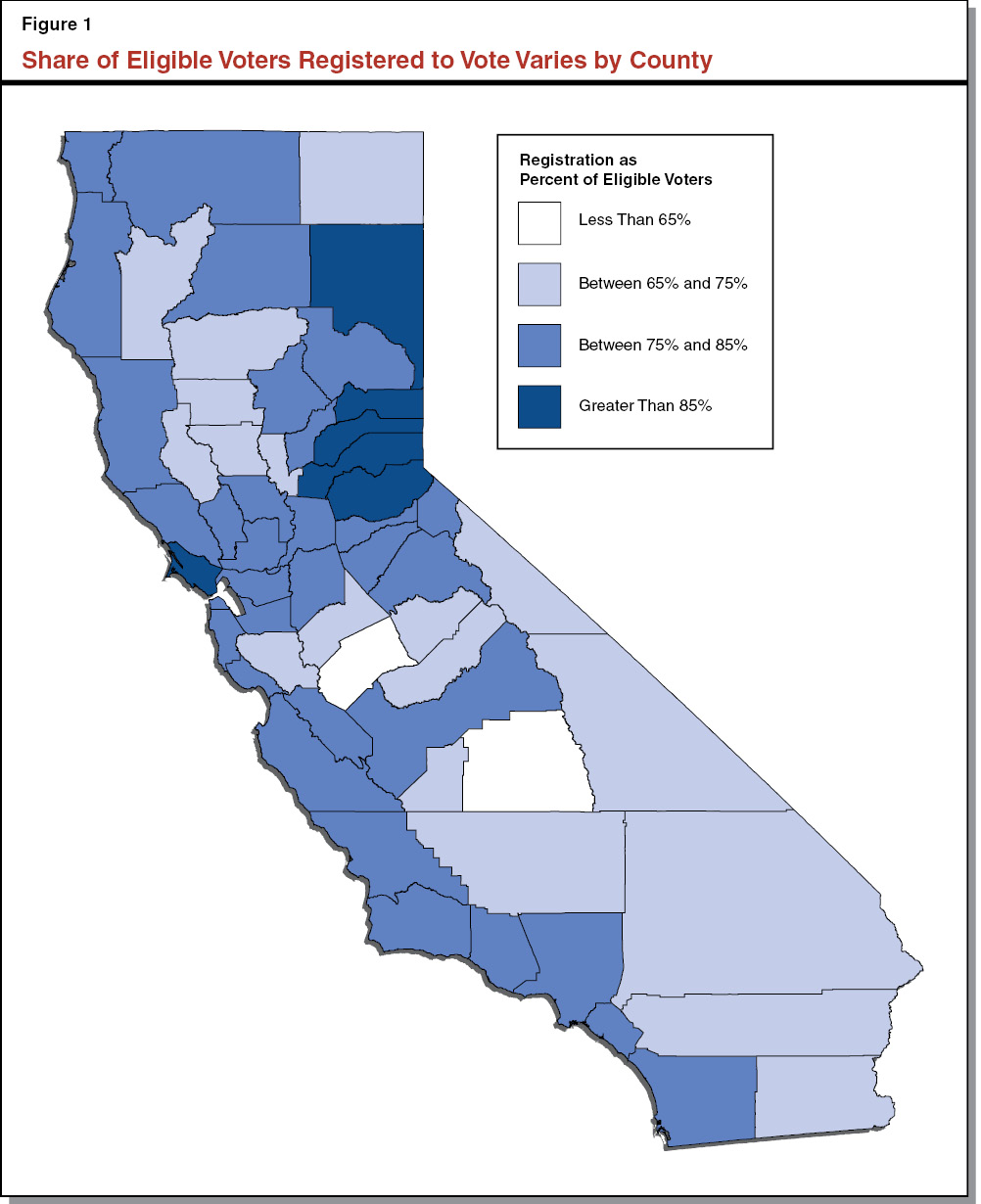
Shaping Future Travel Trends
The evolving demographics of California’s registered voters offer a forward-looking perspective on emerging lifestyle trends and their potential impact on future travel. Shifts in age distribution, increasing ethnic diversity, and changing socio-economic landscapes—all of which are reflected in the composition of the voter base—signal new demands and opportunities within the travel sphere. For instance, a growing younger demographic may drive demand for experiential travel, sustainable tourism, and technologically integrated experiences. An increasingly diverse population will continue to foster demand for culturally immersive travel, authentic culinary adventures, and heritage-focused trips.
Furthermore, voter engagement around issues like environmental protection, social equity, and urban development directly influences the policy landscape that shapes California’s future. These policy choices, driven by the collective voice of its registered voters, impact land use, conservation efforts, and the development of new attractions, ultimately sculpting the state’s lifestyle offerings for decades to come. By understanding the underlying demographic forces reflected in the voter rolls, the travel industry can anticipate and adapt to these evolving lifestyle preferences, ensuring that California remains a vibrant and relevant destination for a global audience seeking a myriad of experiences, from luxury indulgence to adventurous exploration.
LifeOutOfTheBox is a participant in the Amazon Services LLC Associates Program, an affiliate advertising program designed to provide a means for sites to earn advertising fees by advertising and linking to Amazon.com. Amazon, the Amazon logo, AmazonSupply, and the AmazonSupply logo are trademarks of Amazon.com, Inc. or its affiliates. As an Amazon Associate we earn affiliate commissions from qualifying purchases.