
Understanding Your Civic Duty and Lifestyle Flexibility
Jury duty represents a cornerstone of the justice system, a fundamental civic responsibility that underpins the right to a fair trial. For residents of California, receiving a jury summons is an inevitable part of adulthood. However, in an increasingly mobile and flexible world, where individuals embrace diverse lifestyles—from digital nomadism and extensive business travel to long-term relocation and remote work—the timing of this civic call can sometimes clash with pre-existing plans and commitments. The question then naturally arises: how does one balance this crucial obligation with a dynamic lifestyle?

This article delves into the specifics of jury duty postponement in California, offering an insightful guide for those who need to navigate this responsibility while maintaining their personal and professional freedom. It’s not about evading duty, but about understanding the mechanisms available to manage it effectively within the context of a modern, flexible lifestyle. The ability to postpone jury service is a vital tool for ensuring that one can honor their civic duty without derailing significant life events, career trajectories, or travel plans.
The Initial Call: Navigating Your First Jury Summons
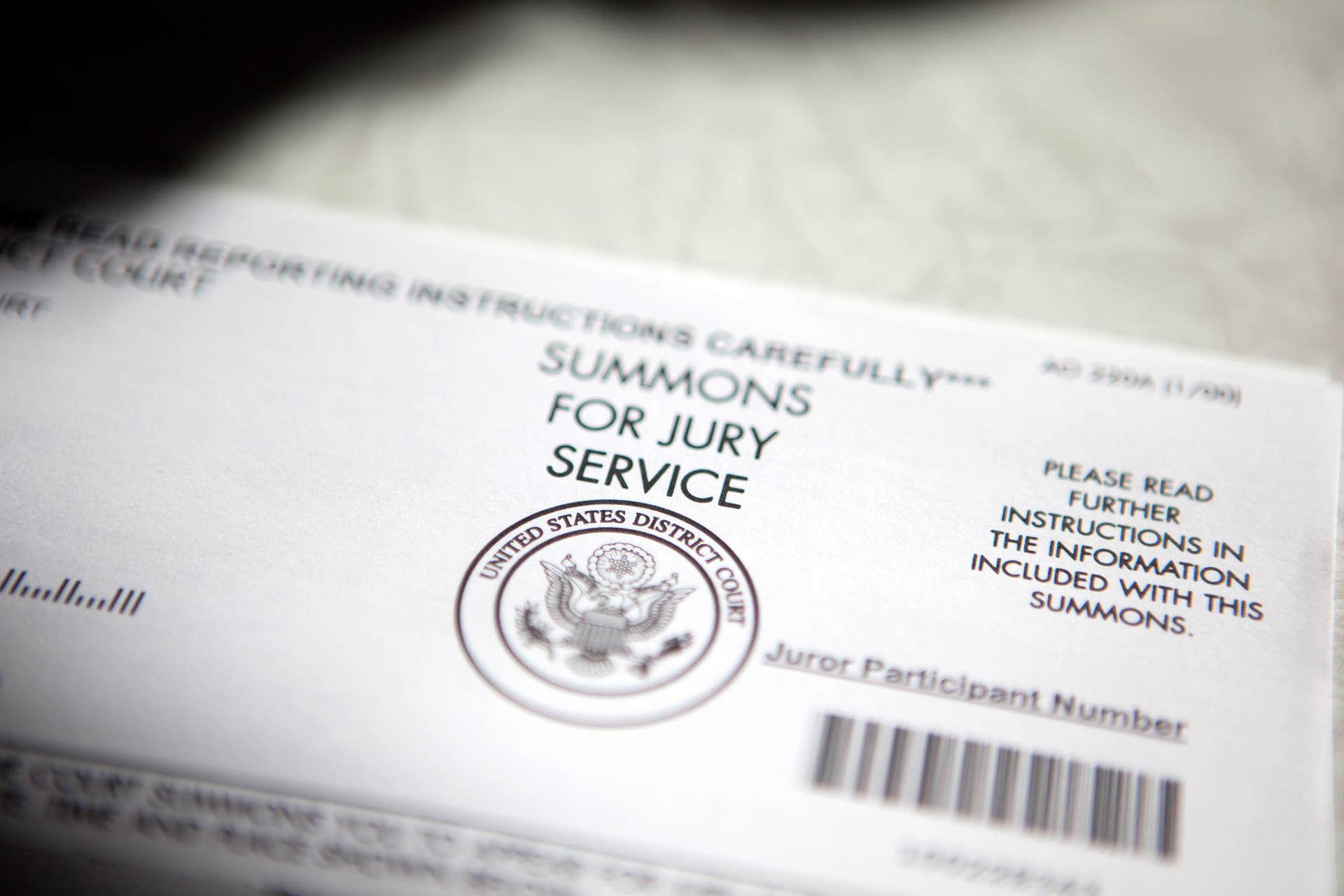
The journey begins with the receipt of a jury summons. This official document calls you to serve in a California superior court. For many, especially those accustomed to a static routine, responding is straightforward. For individuals whose lives are characterized by fluidity—perhaps an upcoming international business trip, a planned extended stay in a different city, or a significant family event requiring travel—the summons can initially present a logistical challenge.
The key to navigating this initial call, particularly for those with a mobile lifestyle, is prompt action and clear communication. California law provides a mechanism for postponement, recognizing that unforeseen conflicts can arise. This initial opportunity for postponement is often the most straightforward to utilize and is typically granted as a matter of right under specific conditions.
Valid Reasons for Postponement
California courts acknowledge several legitimate reasons that may warrant a postponement of jury service. These reasons are designed to accommodate genuine conflicts without undermining the integrity of the jury selection process. For individuals leading dynamic lifestyles, common valid reasons often include:
- Pre-booked Travel: If you have non-refundable flights, accommodation, or tour packages booked before receiving your summons, this is generally considered a valid reason. The emphasis here is on non-refundable commitments that would cause significant financial loss.
- Business Commitments: Critical business meetings, conferences, or project deadlines that cannot be rescheduled and require your physical presence, especially if they involve travel outside the court’s jurisdiction, can be grounds for postponement. This is particularly relevant for entrepreneurs, consultants, and those in project-based roles.
- Medical Appointments or Procedures: Scheduled surgeries, ongoing medical treatments, or significant appointments that conflict with the jury service dates are valid.
- Childcare or Elder Care Responsibilities: If serving jury duty would create an undue hardship related to the care of a child or an infirm elderly family member, especially if alternative care is unavailable or cost-prohibitive.
When requesting a postponement, it’s crucial to provide accurate information and, often, supporting documentation. This might include travel itineraries, letters from employers, medical notes, or other relevant evidence. Framing your request clearly, demonstrating the legitimate conflict with your planned lifestyle, and offering to serve at a later, more convenient date strengthens your case. This proactive approach ensures that your request is handled efficiently, allowing you to re-align your civic duty with your personal and professional schedule.
The California Postponement Policy: A Lifestyle Manager’s Guide
Understanding the specific rules governing postponements in California is essential for anyone seeking to manage their jury duty obligation effectively within a flexible lifestyle. The general policy in California allows for one initial postponement relatively easily, often through an online portal or a phone call to the court clerk.
Strategic Planning for the Mobile Professional
For many California residents, the standard procedure allows for a single postponement of their jury service for a period typically up to 90 days from the original summons date. This initial postponement is generally granted upon request without extensive justification, provided it is made within the specified timeframe (usually immediately after receiving the summons). This is a critical window for individuals who plan extended trips, embark on significant business ventures, or anticipate a period of high mobility.

The ability to defer service by up to three months provides a valuable buffer for lifestyle planning. A digital nomad might use this to complete a long-term project abroad, or a business professional might ensure they are available for a crucial product launch. This grace period acknowledges the dynamic nature of modern life and provides flexibility to integrate jury service without undue disruption.
However, it is vital to note that this “as-of-right” postponement is usually a one-time opportunity. Once exercised, any subsequent requests for postponement become significantly more challenging and typically require demonstrating “undue hardship.”
To strategically plan for jury duty, especially for those with highly mobile or non-traditional careers:
- Maintain Updated Contact Information: Always ensure the court has your current mailing address. Many courts now offer online portals to check your status and make requests, making it crucial to have access to these.
- Proactive Communication: If you know you’ll be out of the country or have a critical, immovable commitment, initiate contact with the court as soon as you receive the summons. Don’t wait until the last minute.
- Integrate into Long-Term Plans: If you frequently travel or have plans for an extended stay elsewhere, factor in potential jury service. While you can often postpone once, you should ideally aim to serve during a period of stability or less intensive travel.
Beyond the First Postponement: When Lifestyle Conflicts Persist
What happens if your lifestyle conflicts extend beyond the initial 90-day postponement window, or if you encounter another major life event that makes even the rescheduled date impossible? This is where the concept of “undue hardship” becomes central. Subsequent postponements in California are not automatic and require court approval based on a compelling demonstration of hardship.
Undue Hardship and Complex Lifestyles
“Undue hardship” is a legal term referring to a burden that is excessively onerous or severe. For those with complex, international, or highly specialized lifestyles, proving undue hardship can involve:
- Extreme Financial Burden: If serving jury duty would result in a significant financial loss that would jeopardize your ability to support yourself or your family. This is particularly relevant for freelancers, small business owners, or those in commission-based roles whose income stops if they are not actively working. Proof might include financial statements, business contracts, or tax documents.
- Caregiving Responsibilities: If you are the sole caregiver for a child, an elderly person, or an individual with disabilities, and no reasonable alternative care can be arranged without substantial cost or disruption.
- Critical Business Operations: For individuals whose absence would cause a substantial and irreparable harm to a business, particularly small businesses where the owner’s presence is indispensable.
- Extended International Travel or Residency: If you are living abroad for an extended period, or have critical international travel plans that are non-refundable and cannot be moved, and returning for jury duty would pose an exceptional logistical or financial burden. This often requires providing detailed itineraries, proof of foreign residency, and demonstrating the impracticality of returning.
- Medical Conditions: A serious health condition that would make it impossible or extremely difficult to serve, accompanied by detailed medical documentation.
When requesting a second or subsequent postponement, you will typically need to complete a specific form provided by the court (often an “Affidavit of Undue Hardship” or similar document), providing a detailed explanation of your situation and attaching all relevant supporting evidence. A judge or jury commissioner will review your request and make a determination. The court aims to be fair but also to ensure that qualified jurors are available. Therefore, the more compelling and thoroughly documented your case, the higher the likelihood of a successful second postponement.
Consequences of Non-Compliance and Responsible Engagement
While navigating postponements is a legitimate aspect of lifestyle management, it’s crucial to understand the severe consequences of simply ignoring a jury summons or failing to appear after postponements have been exhausted. Non-compliance can lead to significant legal repercussions, including fines, penalties, and even charges of contempt of court. These outcomes can severely disrupt one’s lifestyle, creating legal and financial burdens far greater than the inconvenience of serving jury duty.
Responsible engagement means communicating proactively with the court, understanding the rules, and providing accurate information. It ensures that your flexibility is maintained within legal bounds and demonstrates respect for the justice system.
Embracing Civic Duty as Part of a Balanced Lifestyle
Ultimately, jury duty, while occasionally inconvenient, is a profound and vital civic responsibility. For those who meticulously plan their lives—whether for global adventures, demanding careers, or personal pursuits—integrating this obligation reflects a well-rounded and responsible approach to lifestyle.
Rather than viewing jury service as merely an interruption, consider it an opportunity. It offers a unique window into the workings of local government and the justice system, providing an invaluable perspective on community, law, and justice. Serving on a jury can be an enriching experience, expanding your understanding of your society and allowing you to actively participate in democratic governance. For a person dedicated to living life “out of the box,” embracing this civic duty, even if it requires careful planning and strategic postponement, is another way to engage deeply with the world around them, contributing meaningfully while upholding a balanced and responsible lifestyle.
LifeOutOfTheBox is a participant in the Amazon Services LLC Associates Program, an affiliate advertising program designed to provide a means for sites to earn advertising fees by advertising and linking to Amazon.com. Amazon, the Amazon logo, AmazonSupply, and the AmazonSupply logo are trademarks of Amazon.com, Inc. or its affiliates. As an Amazon Associate we earn affiliate commissions from qualifying purchases.