
California’s Dynamic Culinary Scene: More Than Just Sunshine and Scenery
California stands as an unparalleled global tourism destination, celebrated not only for its iconic landscapes, from the sun-drenched beaches of San Diego to the majestic redwoods, but also for its vibrant and diverse culinary scene. While gourmet restaurants and farm-to-table establishments often capture the headlines, the ubiquitous fast food industry plays an equally significant, though often understated, role in the state’s daily rhythm and cultural tapestry. For both locals and the millions of tourists who flock here annually, fast food outlets represent convenience, accessibility, and an undeniable part of the American experience. They are present in bustling metropolises like Los Angeles and the historic charm of San Francisco, serving as quick stops for travelers on the go or essential meal options for budget-conscious explorers.
Understanding the economic realities of the individuals who power this vast industry offers a deeper, more nuanced appreciation of California‘s local culture. Beyond the golden arches and drive-thru windows, lies a complex labor dynamic shaped by groundbreaking legislation, impacting not only the livelihoods of thousands of workers but also the overall cost of dining, the local economy, and ultimately, the comprehensive visitor experience. For the discerning traveler seeking to engage authentically with their destination, delving into the wages of fast food workers provides invaluable insight into the socio-economic fabric underpinning one of the world’s most desirable places to visit. It’s an insight into the lives of the people who reside and work in the communities tourists explore, adding layers of context to every meal and interaction.
The Evolving Economic Landscape for Fast Food Service Professionals
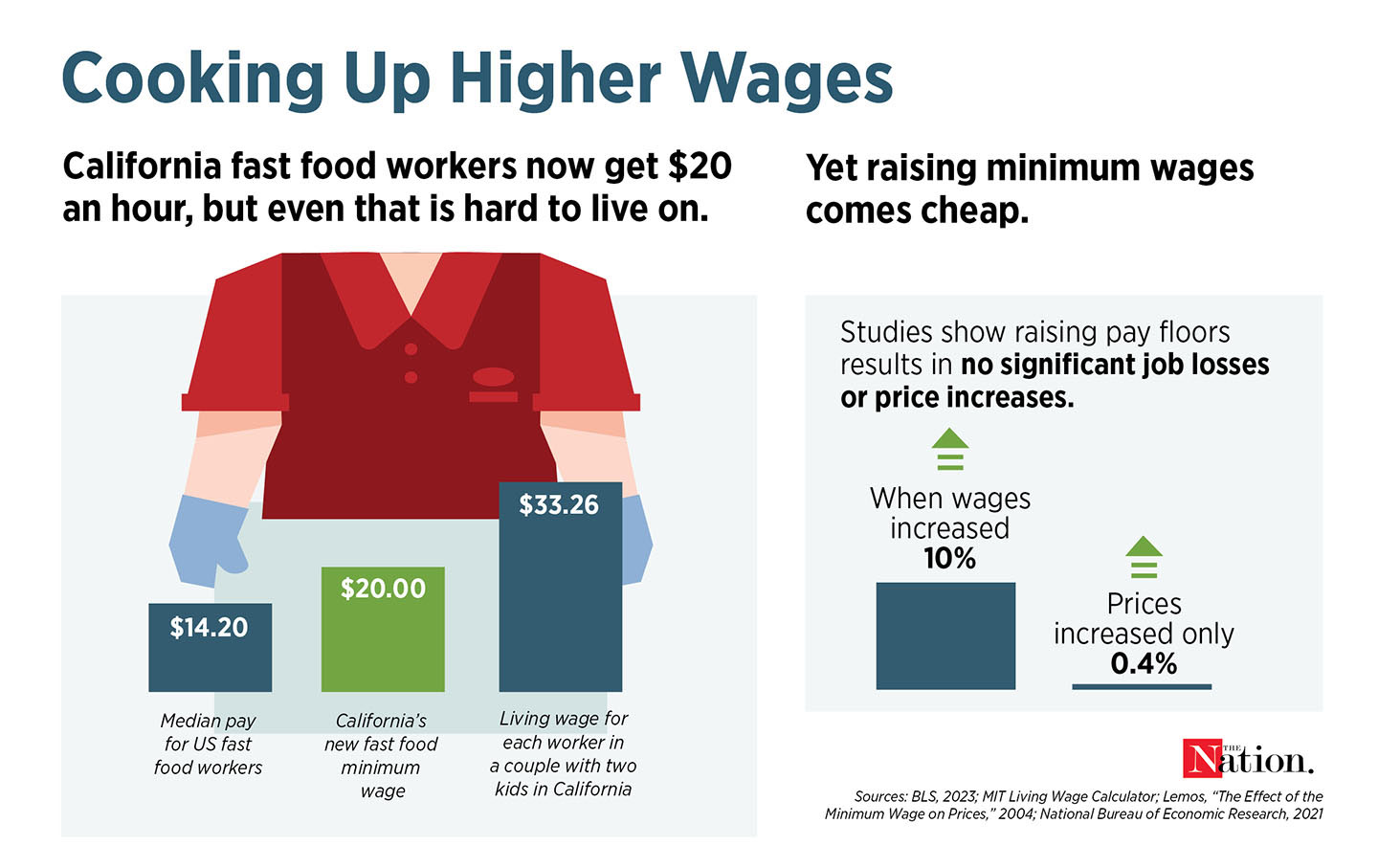
The question of “how much do fast food workers make in California?” garnered significant attention with the implementation of a landmark piece of legislation. As of April 1, 2024, California introduced a new minimum wage specifically for fast food workers, establishing it at an unprecedented $20 per hour. This pivotal change, enacted through Assembly Bill 1228 (AB 1228), represents a substantial increase over the state’s general minimum wage, which currently stands at $16 per hour. This legislation targets fast food chains that operate 60 or more establishments nationwide, impacting a significant portion of the industry across the state.
The intent behind AB 1228 is multi-faceted, primarily aimed at addressing the notoriously high cost of living in California. For years, fast food workers, despite being essential to the economy and daily life, often struggled to make ends meet in cities where housing, transportation, and basic necessities command premium prices. From the bustling streets of Los Angeles to the scenic vistas of San Francisco, the financial strain on service professionals has been a persistent challenge. This new minimum wage aims to provide a more livable income for these individuals, acknowledging their vital contribution to the state’s economic engine.
For tourists, this wage adjustment offers crucial context. When ordering a burger or a coffee at a major fast food chain, understanding that the person preparing and serving that meal is earning a significantly higher wage than their counterparts in many other states can reshape one’s perspective. It highlights California’s commitment to labor rights and its ongoing efforts to grapple with economic inequality, presenting a more complete picture of the local economic environment that visitors are traversing. This economic reality contributes to the broader “local culture” that tourists are encouraged to immerse themselves in, providing a deeper understanding of the destination beyond its immediate attractions.
Beyond the Dollar: Local Culture, Cost of Travel, and the Visitor Experience
The new $20 per hour wage for fast food workers in California is more than just a number; it’s a data point that intertwines with the very fabric of local culture, influences the cost of travel, and ultimately shapes the visitor experience. Understanding these dynamics allows tourists to engage with the destination on a more profound level, moving beyond mere consumption to genuine appreciation.
Impact on Local Living and Community Fabric
While a $20 hourly wage is a significant boost for fast food professionals, it must be viewed through the lens of California’s notoriously high cost of living. Housing, gasoline, groceries, and utilities consistently rank among the most expensive in the nation, particularly in major urban centers like Los Angeles, San Francisco, and even the state capital, Sacramento. For many, even with this increased wage, affording a decent standard of living remains a challenge, often requiring multiple jobs or living with roommates.

This economic reality profoundly shapes the local communities that tourists visit. It influences the vibrancy of neighborhoods, the diversity of local businesses, and even the pace of daily life. For instance, the struggle for affordable housing can lead to longer commutes for service workers, impacting their quality of life and potentially the stability of the workforce. A tourist who understands these undercurrents can develop a more empathetic and informed perspective, recognizing the human element behind the service they receive. It’s a deeper dive into the “local culture” that goes beyond superficial attractions, revealing the resilience and daily lives of the people who make California what it is. Engaging with this aspect of the local economy fosters a richer, more authentic connection to the destination, highlighting the real-world implications of policy and economic conditions on the individuals encountered during a trip.
The Ripple Effect on Food Prices and Budget Travel
An inevitable consequence of increased labor costs is the potential for higher menu prices at fast food establishments. Businesses must absorb these costs, and often, a portion is passed on to consumers. For budget-conscious travelers, this is a critical consideration. While fast food has traditionally been an economical option for meals on the go, visitors to California may find that these prices are slightly higher than what they might encounter in other states.
This calls for strategic planning, especially for those embarking on extended road trips or family vacations through popular tourist regions like the San Diego county or the diverse regions around Sacramento. Tourists might need to adjust their daily food budget expectations or explore alternative dining strategies, such as utilizing grocery stores for some meals or seeking out local eateries that might offer different price points. Understanding that a portion of the slightly elevated price contributes directly to a more livable wage for local workers can also align with values of responsible tourism, providing a sense of contributing positively to the local economy. These “tips” for navigating the culinary landscape become an integral part of a well-planned California experience, blending economic awareness with travel practicality.
Enhancing the Authentic Tourist Experience
Ultimately, understanding the economic landscape for fast food workers enhances the authentic tourist experience by providing a deeper connection to the destination. When a traveler acknowledges the effort and economic realities of the individuals serving them, every interaction gains more meaning. It transforms a transaction into an exchange within a living, breathing community.
This awareness cultivates a sense of cultural immersion that goes beyond visiting famous landmarks or trying local delicacies. It’s about appreciating the human stories that underpin the tourism industry and the everyday life of the place. Engaging with service professionals, even in a fast-food setting, becomes an opportunity to connect with the local pulse. This thoughtful approach enriches the “local culture” aspect of travel, fostering a more mindful and empathetic journey through California. It encourages travelers to look beyond the surface, seeking out the nuances that truly define a place and its people.

What This Means for Responsible Tourism in California
The significant wage increase for fast food workers in California offers a compelling lens through which to view responsible tourism. For the modern traveler, responsible tourism is not merely about environmental conservation, but also about supporting local communities and understanding the socio-economic impact of one’s visit.
By being aware of the $20 per hour minimum wage, tourists can make more informed choices. Opting to patronize fast food establishments that adhere to these fair wage standards, even if it means slightly higher prices, aligns with principles of ethical consumerism and sustainable travel. This conscious decision supports businesses that are contributing to the economic well-being of their employees, which in turn strengthens the local economy and reduces socio-economic disparities within the communities that visitors enjoy. It transforms a simple meal into a statement of support for fair labor practices within the “local culture.”
Furthermore, this policy shift sparks broader conversations about the future of work and service industries, even hinting at potential impacts on “activities” within the tourism sector. Will higher wages accelerate automation in some areas, potentially altering the landscape of service jobs? Or will it elevate the quality of service, as employees feel more valued and motivated? While these are complex questions without simple answers, a mindful tourist can observe these evolving dynamics, gaining a more comprehensive understanding of California’s forward-thinking approach to labor and its potential ripple effects across various industries, including those that cater to visitors.
In conclusion, knowing how much fast food workers make in California offers more than just economic data; it provides a vital piece of the puzzle for any tourist seeking a deeper, more meaningful engagement with the Golden State. It encourages travelers to appreciate the local economy, understand the challenges and triumphs of its residents, and ultimately, to experience California not just as a destination of sights, but as a vibrant, evolving society. This holistic understanding truly enriches the travel experience, fostering a connection that lingers long after the vacation ends.
LifeOutOfTheBox is a participant in the Amazon Services LLC Associates Program, an affiliate advertising program designed to provide a means for sites to earn advertising fees by advertising and linking to Amazon.com. Amazon, the Amazon logo, AmazonSupply, and the AmazonSupply logo are trademarks of Amazon.com, Inc. or its affiliates. As an Amazon Associate we earn affiliate commissions from qualifying purchases.