
Navigating the administrative landscape of a new state or simply ensuring you have proper identification is a fundamental aspect of managing your lifestyle, whether you’re a long-term resident, a new arrival, or an extended visitor. In California, obtaining an identification card or driver’s license is a straightforward process, but understanding the associated costs and procedures is crucial for effective budgeting and planning. This guide breaks down the financial and practical considerations for acquiring an ID in the Golden State, helping you integrate seamlessly into its diverse lifestyle.
Understanding California Identification Documents
Before delving into costs, it’s essential to understand the types of identification documents available from the California Department of Motor Vehicles (DMV) and their respective purposes. Knowing which document best suits your needs will directly influence the application process and the fees you’ll encounter.
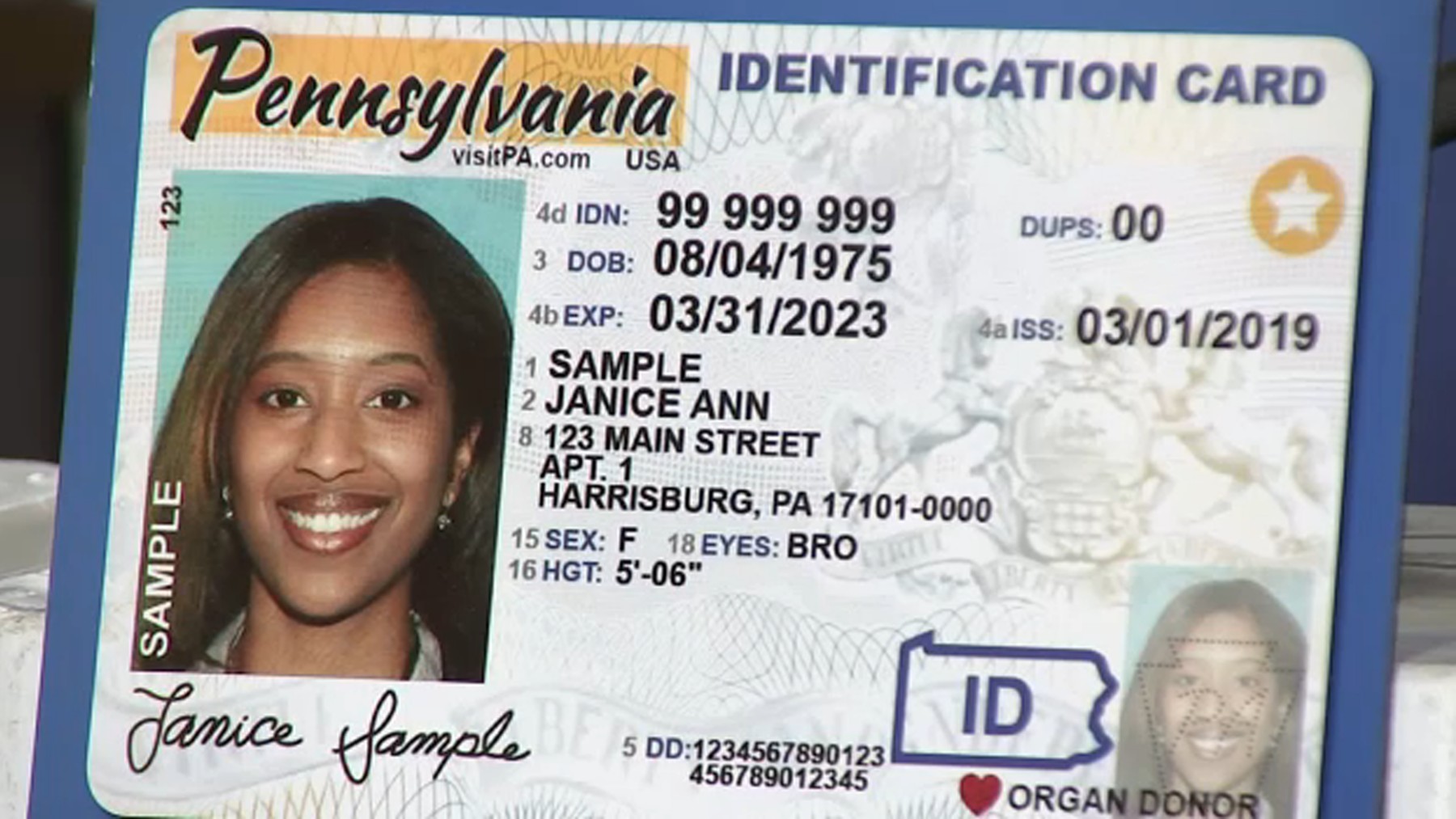
The Purpose of a California ID Card
A California Identification Card, often simply referred to as a California ID, serves as an official proof of identity and age for individuals who do not drive or choose not to obtain a driver’s license. It’s a vital document for countless everyday activities, including:
- Age Verification: For purchasing age-restricted goods like alcohol or tobacco, or entering venues with age limits.
- Banking and Financial Transactions: Opening bank accounts, cashing checks, or applying for credit.
- Government Services: Accessing state or federal benefits, voting, or registering for various programs.
- Domestic Travel: As a valid form of identification for domestic flights (especially a Real ID compliant card) or other travel within the United States.
- Proof of Residency: Establishing residency for educational purposes, employment, or housing.
Distinguishing Between a Driver’s License and an ID Card
While both a driver’s license and an ID card are issued by the DMV and serve as valid forms of identification, their primary functions differ significantly. A driver’s license grants the holder permission to operate a motor vehicle, in addition to serving as an identity document. An ID card, conversely, is solely for identification purposes and does not authorize driving privileges.
For those who do not drive, or who are perhaps too young to obtain a driver’s license but require official identification, the California ID card is the appropriate choice. The application processes and fees, while similar, are distinct for each. This article focuses primarily on the costs associated with the non-driving ID card.
The Cost Breakdown: Fees for a California ID
The cost of obtaining a California ID card is standardized across the state, ensuring transparency and predictability for applicants. These fees are subject to change, so it’s always wise to check the official DMV website for the most current information.
Standard ID Card Fees
As of recent updates, the standard fee for an original or renewal California ID card is typically $39. This fee applies to most adult applicants (those aged 18 and over) seeking a new ID card or renewing an expired one. It covers the administrative costs associated with processing your application, manufacturing the card, and maintaining your record within the DMV system.
It’s important to note that this fee is non-refundable, regardless of whether your application is ultimately approved or denied. Therefore, ensuring you meet all eligibility requirements and have the necessary documentation before applying is crucial.
Reduced-Fee Options and Waivers
California offers provisions for reduced-fee or even fee-exempt ID cards for certain eligible individuals, reflecting the state’s commitment to accessibility and support for vulnerable populations.
- Low-Income Individuals: If you receive public assistance benefits through programs like CalFresh, Medi-Cal, or CalWORKs, you might be eligible for a reduced-fee ID card. To qualify, you typically need to obtain a specific form (DMV 933 or similar) from your county social services office, which then needs to be presented at the DMV. The reduced fee can significantly lower the cost, sometimes to as little as $9.
- Homeless Individuals: California also provides fee waivers for individuals experiencing homelessness. To qualify, you must present a completed form (DMV 420 ID) signed by an authorized representative of a homeless shelter or service provider. This waiver allows eligible individuals to obtain an ID card without any charge, removing a significant barrier to accessing essential services and opportunities.
- Seniors: While there isn’t a general fee reduction for all seniors, some specific programs or circumstances might offer waivers or reduced fees. It’s best to inquire directly with the DMV or relevant social service agencies.
These reduced-fee and waiver programs are critical for ensuring that financial constraints do not prevent individuals from obtaining official identification, which is a cornerstone of daily life and access to critical resources.
Real ID vs. Standard ID Card Costs
Since October 1, 2021, all air travelers 18 years and older have been required to present a Real ID compliant driver’s license or identification card, or another acceptable form of identification (such as a U.S. passport), for domestic air travel. California issues both Real ID compliant cards (marked with a bear and a star) and federal non-compliant cards.
The good news for budget-conscious individuals is that the cost for a Real ID compliant California ID card is the same as for a standard federal non-compliant ID card. This means you won’t incur additional fees for opting for the more widely accepted Real ID version, provided you meet the documentation requirements. This is a significant advantage, as the Real ID offers greater utility for travel and access to federal facilities without an additional financial burden.
The Application Process: Beyond the Price Tag
Understanding the costs is just one part of the equation. The application process itself requires careful attention to detail and preparation to ensure a smooth experience at the DMV.
Required Documentation
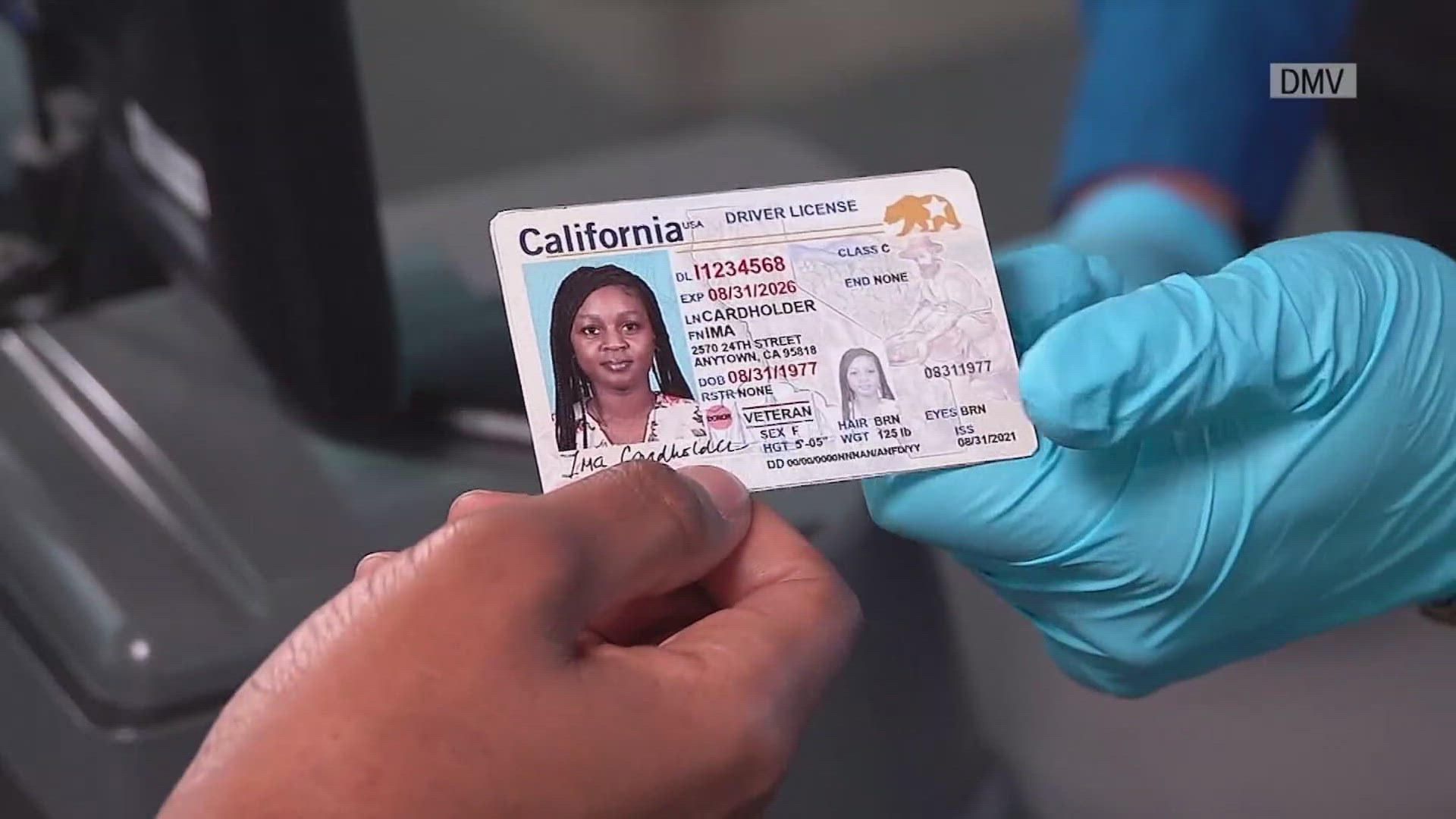
To obtain a California ID, you’ll need to present several documents to prove your identity, residency, and potentially your Social Security number. The exact documents vary slightly depending on whether you’re applying for a Real ID or a standard ID.
For a Real ID compliant card, you will typically need:
- Proof of Identity: (One document) e.g., U.S. birth certificate, U.S. passport, foreign passport with a valid U.S. visa and approved I-94 form.
- Proof of Social Security Number (SSN): (One document) e.g., Social Security card, W-2 form, pay stub with full SSN.
- Proof of California Residency: (Two different documents) e.g., utility bill, rental agreement, mortgage statement, bank statement, insurance document.
For a standard ID card, the requirements are generally less stringent, often requiring one document for identity and one for residency. It is always recommended to use the DMV’s interactive document checklist online to confirm specific requirements before your visit.
The DMV Visit: What to Expect
Visiting the DMV can sometimes be a lengthy process, but planning can mitigate frustrations.
- Make an Appointment: The DMV strongly recommends making an appointment online, especially for services like applying for an ID card. This can significantly reduce your waiting time.
- Complete the Application: You can fill out the ID card application form online before your visit and print it, or complete it at the DMV office.
- Present Documents and Pay Fees: At your appointment, you will present your required documents, have your photograph taken, provide a thumbprint, and pay the applicable fee.
- Temporary ID: You will receive a temporary ID card immediately, valid until your permanent card arrives by mail, typically within a few weeks.
Be prepared for security checks and potentially long lines even with an appointment, especially at popular DMV locations in cities like Los Angeles or San Francisco.
Renewal and Replacement Costs
The lifespan of a California ID card is typically five years. When it expires, you’ll need to renew it. The renewal fee is generally the same as the original application fee (e.g., $39 for a standard adult ID). The DMV usually sends a renewal notice to your address on file. You may be able to renew online, by mail, or in person, depending on your eligibility.
If your ID card is lost, stolen, or damaged, you will need to apply for a replacement. The fee for a duplicate ID card is also typically the same as the original fee, as it involves reprocessing and issuing a new physical card. You will usually need to complete a new application and may need to verify your identity again.
Why a California ID is a Lifestyle Essential (Even for Non-Drivers)
Beyond the basic requirement for identity verification, possessing a California ID card significantly enhances various aspects of daily life and overall lifestyle in the state.
Everyday Convenience and Security
Carrying a dedicated ID card, especially one that is Real ID compliant, offers unparalleled convenience. It provides a consistent, universally recognized form of identification that is often preferred over carrying a passport for routine activities, reducing the risk of losing a more critical travel document. Its holographic features and security measures also make it difficult to counterfeit, offering a reliable layer of personal security.
Age Verification and Access to Services
For younger individuals or anyone concerned about proving their age, the California ID card is indispensable. It simplifies interactions requiring age verification, from purchasing tickets for concerts to accessing age-restricted content or services, ensuring a smoother experience without unnecessary delays or complications.
Considerations for New Residents and Long-Term Visitors
For those moving to California or planning an extended stay, obtaining a California ID should be a priority. It facilitates the process of establishing residency, which is often necessary for enrolling in local schools, applying for jobs, registering to vote, or even securing certain types of housing. For long-term visitors who may not drive, it provides a local, official identity that can be far more practical than constantly presenting an international passport.
Budgeting for Your California ID: Tips and Tricks
Integrating the cost of an ID into your overall budget, especially if you’re managing finances for a move or extended stay, is a sensible approach to financial planning.
Planning Ahead for DMV Fees
The initial fee for a California ID ($39 for most adults) is a relatively minor expense in the grand scheme of living costs, but it’s an upfront cost that should be anticipated. If you qualify for reduced fees or waivers, ensure you gather the necessary documentation from social services well in advance of your DMV appointment to take advantage of these savings. Factor in potential renewal fees every five years to avoid surprises down the line.
Exploring Payment Methods
The DMV accepts various payment methods, typically including cash, debit cards, and checks or money orders. Credit cards are often accepted at DMV offices, but it’s always wise to confirm the accepted payment types at your specific location or online before your visit. Having multiple payment options available can prevent delays if one method encounters an issue.

Avoiding Common Pitfalls
The most common pitfalls leading to delays or additional costs include arriving at the DMV without all required documents, incorrect application forms, or expired supporting identification. Double-check all requirements using the DMV website’s checklist for the type of ID you need (Real ID or standard) and ensure all supporting documents are current and valid. Proper preparation is key to a smooth and efficient application process, saving you time and potentially preventing multiple trips.
LifeOutOfTheBox is a participant in the Amazon Services LLC Associates Program, an affiliate advertising program designed to provide a means for sites to earn advertising fees by advertising and linking to Amazon.com. Amazon, the Amazon logo, AmazonSupply, and the AmazonSupply logo are trademarks of Amazon.com, Inc. or its affiliates. As an Amazon Associate we earn affiliate commissions from qualifying purchases.