
Navigating the complex legal landscape of reproductive healthcare can be a significant concern for many, and the question of abortion legality in specific states is no exception. Understanding the current status of abortion access in Alabama is crucial for residents and for those considering travel to the state for medical reasons. While Alabama is known for its rich history, diverse landscapes, and welcoming tourism sector, its laws regarding abortion have undergone significant changes, leading to a complex and evolving situation. This article aims to provide a clear overview of the legal status of abortions in Alabama, touching upon historical context, current restrictions, and the practical implications for individuals seeking reproductive healthcare services.

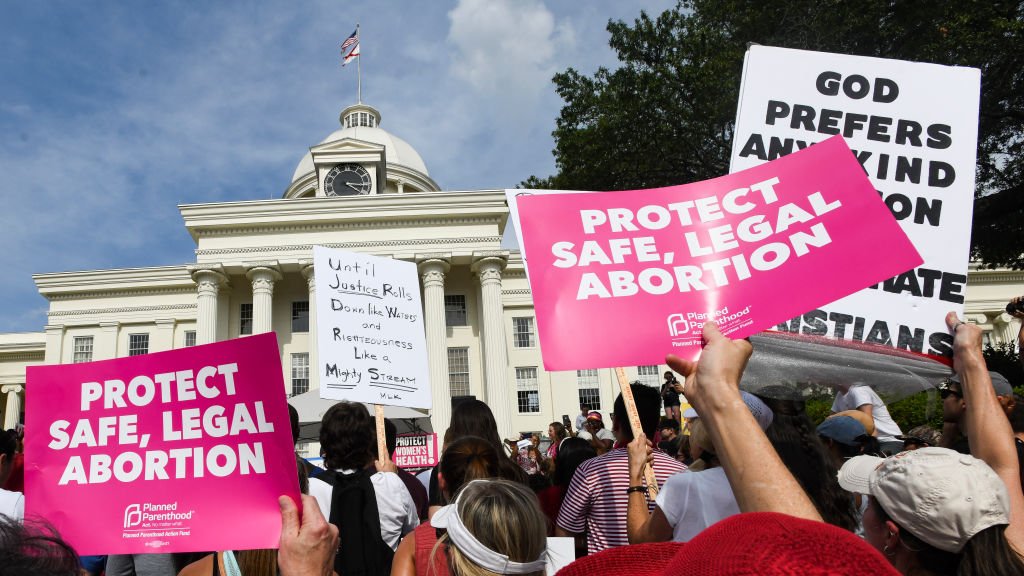
The landscape of abortion legality in the United States has been a subject of intense debate and legal challenges for decades. Following the landmark Supreme Court decision in Roe v. Wade in 1973, abortion was largely protected under a constitutional right to privacy. However, this ruling was overturned in June 2022 by the Supreme Court’s decision in Dobbs v. Jackson Women’s Health Organization, returning the authority to regulate or ban abortion to individual states. This shift has dramatically altered access to reproductive services across the country, with many states moving to enact severe restrictions or outright bans on abortion. Alabama is one such state that has implemented stringent laws in response to the Dobbs decision.
Understanding the specifics of Alabama‘s laws requires looking at the legislative actions taken by the state government. These laws are not static and can be subject to further legal challenges and interpretations, making it essential to stay informed about the most up-to-date information. For individuals planning a trip to Alabama, whether for leisure, business, or medical needs, being aware of these legal restrictions is paramount. This includes understanding what types of medical procedures are permitted, under what circumstances, and where individuals can access such services.
Understanding Alabama’s Current Abortion Laws
Following the overturning of Roe v. Wade, Alabama moved swiftly to enact legislation reflecting its stance on abortion. The state’s current laws are among the most restrictive in the United States. The core of these restrictions lies in the Human Life Protection Act, which was passed in 2019 and became enforceable after the Dobbs decision. This act effectively criminalizes abortion, making it illegal in nearly all circumstances.
The Human Life Protection Act and its Implications
The Human Life Protection Act defines abortion as the “termination of a human pregnancy by means of an instrument, medicine, drug, or other substance or force, resulting in the death of the unborn child.” The law prohibits performing an abortion except in cases where the pregnant individual has a medical condition that, in the doctor’s professional judgment, is necessary to prevent death or serious risk of bodily harm. However, it does not provide exceptions for cases of rape or incest.
Under this act, healthcare providers who perform abortions can face severe penalties, including felony charges and lengthy prison sentences. This has had a chilling effect on the availability of abortion services within the state. Many clinics that previously offered abortion care have ceased operations or significantly reduced their services due to the legal risks involved. This has created significant barriers for individuals seeking abortions in Alabama, often forcing them to travel to other states where abortion access is more readily available.
The strictness of Alabama‘s law means that even in early stages of pregnancy, abortion is generally prohibited. The interpretation of “serious risk of bodily harm” is left to the discretion of the medical professional, but the broad language of the law and the potential for legal repercussions mean that physicians are often hesitant to perform procedures that could be deemed illegal. This creates a complex ethical and legal dilemma for healthcare providers and leaves many patients in a precarious situation.
Navigating Reproductive Healthcare Options
For individuals in Alabama seeking to terminate a pregnancy, the current legal framework presents significant challenges. The limited availability of in-state services means that many must consider alternative options, which often involve travel and increased costs.
Travel for Abortion Services

Given the restrictive laws in Alabama, a significant number of individuals are forced to travel to other states to access abortion care. States like California, New Mexico, Illinois, and Colorado have laws that protect abortion access and are often sought out by those traveling from states with bans. This travel can involve substantial logistical and financial burdens. It requires arranging for transportation, accommodation, and taking time off work, in addition to the cost of the procedure itself.
Organizations that support reproductive rights often provide resources to help individuals navigate these challenges. These resources can include financial assistance for the procedure, travel, and lodging, as well as information about clinics in other states and legal protections for those seeking care. For travelers planning a visit to a new city for such services, researching available accommodations, such as comfortable hotels or apartments for a short-term stay, becomes an essential part of the process. Understanding the local tourism landscape and available amenities in these destination cities can also help ease the stress of travel.
Understanding Legal and Ethical Considerations
Beyond the legal prohibitions, individuals seeking abortions in Alabama may also face ethical considerations and social stigma. The legal framework reflects deeply held beliefs about the sanctity of life, and this can translate into a challenging environment for those making decisions about reproductive health. It is important for individuals to be aware of these broader societal contexts when considering their options.
For those who choose to remain in Alabama, options are severely limited. Prenatal care and resources for parenting are available, but the ability to choose not to carry a pregnancy to term is largely removed. The legal system in Alabama prioritizes the protection of unborn life, and this has resulted in a landscape where reproductive choices are heavily constrained.
The Broader Context: Travel, Tourism, and Lifestyle in Alabama
While the legal status of abortion in Alabama is a critical issue, it is important to remember that the state offers a rich tapestry of experiences beyond its restrictive laws. Alabama is a state with a diverse range of attractions, from the historic streets of Montgomery and the vibrant culture of Birmingham to the beautiful Gulf Coast beaches near Mobile.
Exploring Alabama’s Attractions
For tourists and residents alike, Alabama boasts numerous landmarks and attractions. History buffs can explore the Civil Rights sites in Montgomery, including the Rosa Parks Museum and the Dexter Avenue King Memorial Baptist Church. Nature lovers can discover the natural beauty of Cheaha State Park, home to Mount Cheaha, the highest point in Alabama, or explore the stunning Gulf State Park with its pristine beaches and diverse ecosystems.
The state’s culinary scene is also a significant draw, with a strong tradition of Southern cuisine. From barbecue joints to seafood restaurants along the coast, there are ample opportunities to experience local flavors. The vibrant arts and music scene, particularly in cities like Birmingham, offers a glimpse into the state’s rich cultural heritage.
Accommodation and Lifestyle Choices
When visiting Alabama, there are a wide range of accommodation options to suit every need and budget. Major cities like Birmingham, Huntsville, and Mobile offer a variety of hotels, from luxury resorts to budget-friendly motels. For those seeking a more independent stay, apartments and villas are available for short-term or long-term rentals, providing a comfortable home base for exploring the state.
The lifestyle in Alabama can vary significantly depending on the region. Coastal areas offer a laid-back beach lifestyle, while the larger cities provide a more urban experience with a focus on culture, dining, and entertainment. Family trips can find engaging activities in theme parks and educational museums, while business travelers can appreciate the well-equipped facilities and convenient locations of hotels in business districts. Luxury travel is also catered for, with high-end resorts and exclusive experiences available for those seeking indulgence.
In conclusion, the legality of abortions in Alabama is currently highly restricted due to the Human Life Protection Act, which effectively criminalizes the procedure with very limited exceptions. This legal reality significantly impacts reproductive healthcare access for residents and necessitates travel for many seeking such services. While navigating these legal complexities, it is also important to acknowledge Alabama‘s broader appeal as a state rich in history, natural beauty, and diverse cultural experiences, offering a wide array of tourism, accommodation, and lifestyle options for visitors and residents alike. Understanding both aspects provides a more comprehensive picture of the state.
LifeOutOfTheBox is a participant in the Amazon Services LLC Associates Program, an affiliate advertising program designed to provide a means for sites to earn advertising fees by advertising and linking to Amazon.com. Amazon, the Amazon logo, AmazonSupply, and the AmazonSupply logo are trademarks of Amazon.com, Inc. or its affiliates. As an Amazon Associate we earn affiliate commissions from qualifying purchases.